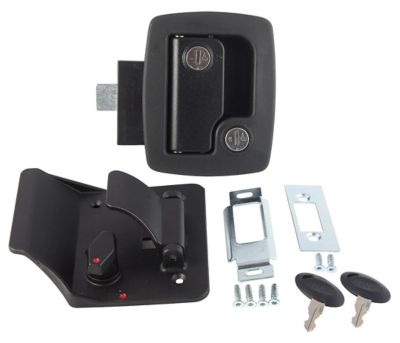
RV replacement parts help keep motorhomes, travel trailers, fifth wheels, and other campers working the way they should, from the systems behind the walls to the fittings that get handled every day. A camper headed to the fairgrounds, parked near a jobsite, or pulled out for a weekend at the lake needs components that match its construction and the work expected of them. Replacement needs can involve electrical connections, water systems, entry points, storage compartments, or interior hardware, and each area comes with its own fit requirements. The RV’s make, model, and year provide a starting point, but they don’t always tell the whole story. Appliances and other installed systems may come from separate manufacturers, and changes made by a previous owner can affect what belongs in a particular space. Component labels, manufacturer part numbers, owner’s manuals, and measurements help narrow the match without relying on appearance alone. Two pieces can look nearly identical while having different mounting patterns, connection sizes, or operating ratings. The original opening, mounting depth, hole spacing, and clearance around moving pieces all matter, especially in tight cabinets and narrow passageways. A replacement that fits the opening still needs room for nearby wiring, plumbing, hinges, or sliding surfaces to move as intended. On a motorhome, it also matters whether the repair involves the vehicle chassis or the living quarters, since those systems may have separate service information. For owners hauling a trailer down gravel lanes or moving between campgrounds, a proper match helps keep a small repair from becoming another interruption down the road. The best starting point is a clearly identified component and a replacement whose stated specifications match the application, rather than a close-looking piece that needs to be forced into place. That distinction matters just as much for a simple compartment repair as it does for a component tucked beneath a sink or behind an access panel, where a poor fit can make later maintenance harder.
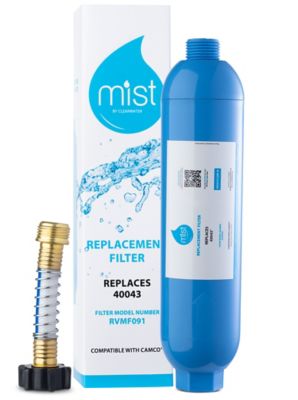
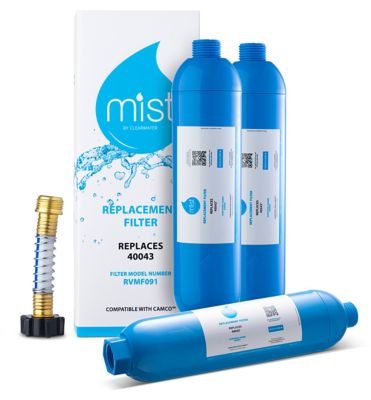
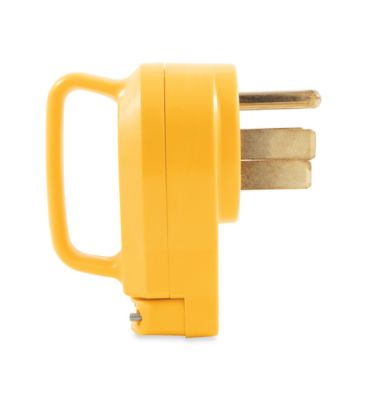
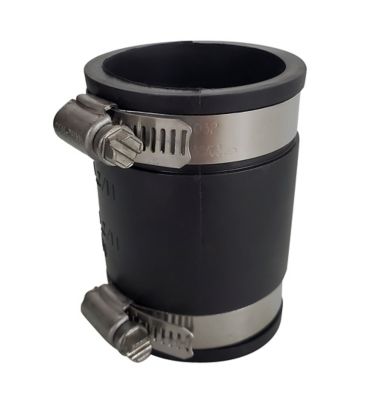
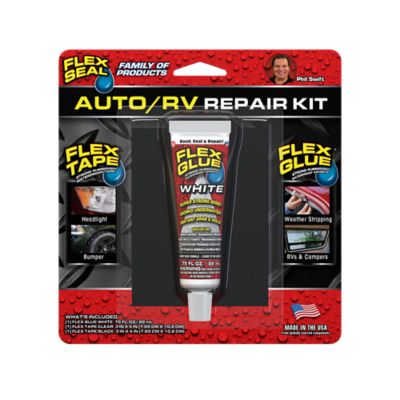
Materials play a big role in how RV replacement parts handle everyday travel and repeated use. Metal components may provide strength at fastening points, while certain plastics keep weight down and resist the water exposure common around plumbing and wash areas. Steel, aluminum, plastic, and flexible rubber compounds each have different strengths, so the right choice depends on the job rather than the material name alone. Protective finishes can help limit corrosion, but the finish also needs to suit the surrounding surfaces and fasteners. Inside a camper, a replacement should work with the existing cabinetry, wall construction, and available support without adding strain where the original assembly wasn’t designed to carry it. Around water connections, compatibility includes the connection style, dimensions, pressure rating, and suitability for the water system involved. Components intended for drinking-water contact need to be identified for that purpose; a similar-looking connection meant for another application isn’t automatically a suitable substitute. Sealing surfaces deserve the same attention. A gasket needs the right shape and compression, and any associated sealing material needs to be compatible with the surfaces it touches. Extra force or additional sealant won’t make an incorrectly sized component fit properly. Electrical replacements have their own requirements, including voltage, current rating, connection type, and the protection specified for that circuit. A 12-volt DC application and a 120-volt AC application are not interchangeable, even when the surrounding hardware looks familiar. Travel adds another consideration: road vibration and repeated opening, closing, plugging in, and disconnecting can put stress on parts that would sit still in a building. Proper support, secure mounting, and the correct mating connections help an assembly stay in place without placing unnecessary tension on nearby lines or wires. Keeping the original function in mind is often more useful than choosing by appearance, particularly where a small component helps protect a larger system. That approach also helps preserve access for future service instead of turning a straightforward replacement into a tight squeeze.
The way a camper gets put to work can help shape replacement decisions, too. A family making frequent campground stops may put plenty of cycles on entry and storage areas, while someone living in an RV between jobs may lean more heavily on the water and electrical systems day after day. Farm and ranch owners who keep a trailer ready for livestock events or trips away from home often need repairs that preserve the camper’s familiar layout and straightforward operation. Across those situations, parts that fit correctly and remain accessible are easier to care for over time. Care requirements vary by material and system, but manufacturer-approved cleaners, routine visual checks, and attention to developing wear can help protect a repair. Harsh solvents may damage some plastics and seals, and overtightening can crack a housing or distort a sealing surface. A loose connection, rubbing line, or door that begins dragging deserves attention before surrounding components take on extra wear. Replacement work also offers a chance to notice damaged mounting surfaces or missing support that a new component alone won’t correct. Keeping a record of component numbers and completed repairs makes the next service visit or replacement search less of a guessing game, especially when identifying labels sit out of sight. For a broader look at the gear associated with camper travel and setup,
RV Equipment brings the surrounding category into view. Replacement decisions should still follow the requirements of the particular RV and system, with manufacturer instructions setting the limits for installation and care. Work involving propane, braking, towing attachments, or line-voltage wiring calls for a qualified technician when the repair falls outside the owner’s training and tools. Whether the camper travels close to home or crosses several states, the goal is the same: restore the intended function, protect the surrounding system, and keep everyday tasks running smoothly once the trailer is parked and the trip gets underway.