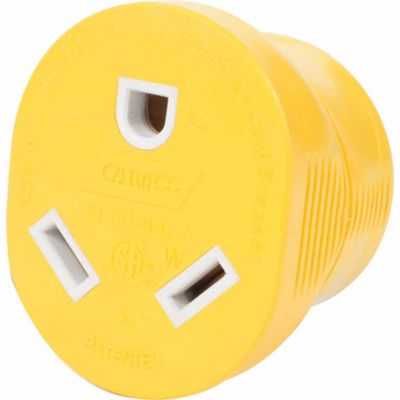
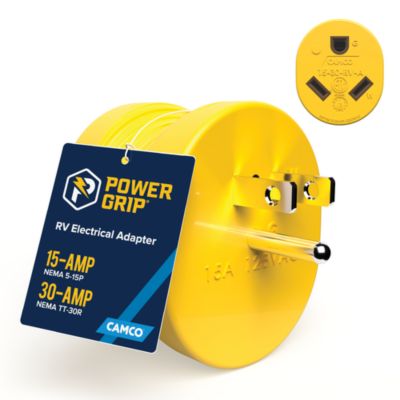
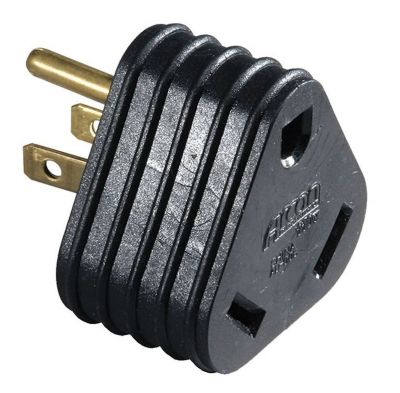
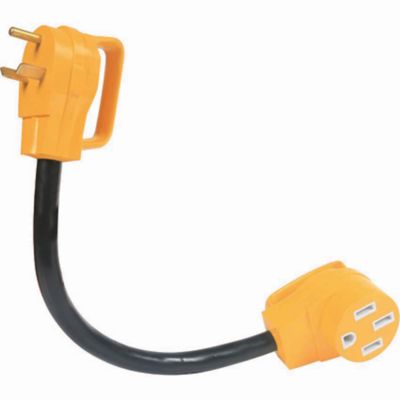
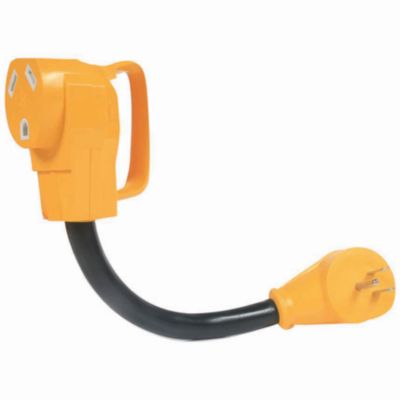
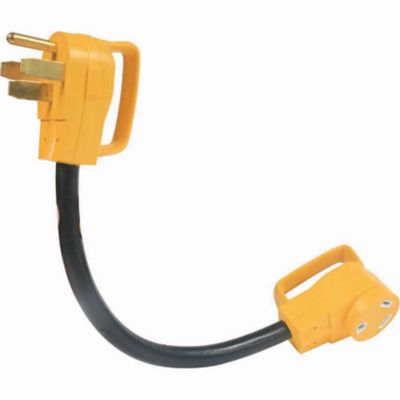
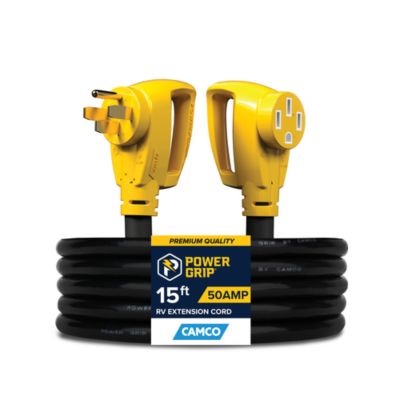
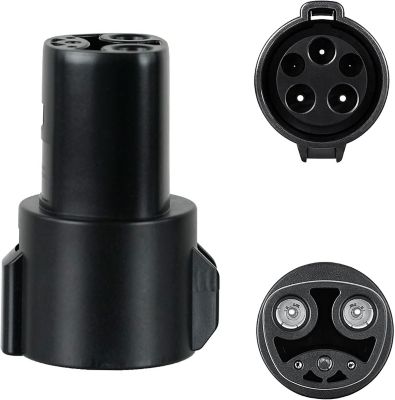
RV power adapters connect a motorhome, fifth wheel or travel trailer to an electrical source with a different plug configuration or amperage rating. They bridge the connection between the RV’s shore power cord and a compatible campground pedestal, household receptacle or generator outlet. An adapter changes the connection, not the voltage, and it does not increase the power a circuit can supply. That distinction matters whether the rig is parked beside the barn for a battery charge or backed into a campsite for a family getaway. Common RV connections include 30-amp service at 120 volts and 50-amp service with two 120-volt legs. Standard household receptacles typically supply 15 or 20 amps, depending on the circuit and receptacle. Those connections have different shapes and capacities, so matching the plug pattern is only part of finding the right fit. The male end of an adapter plugs into the power source, while the female end accepts the RV cord’s plug. Descriptions such as “30-amp male to 50-amp female” identify that direction; reversing those ends describes a different connection. A properly configured adapter can connect a 50-amp RV to a 30-amp RV receptacle, but the entire rig then shares the smaller source’s capacity. Likewise, connecting a 30-amp RV to a 50-amp pedestal does not turn the trailer into a 50-amp system. Its electrical equipment and main breaker still set its operating limits. Household outlet connections generally suit lighter demands, such as battery charging and limited onboard equipment, rather than several large appliances running together. Air conditioners, electric water heaters and microwaves can each account for a substantial share of the electrical load. Plug appearance alone is not enough to establish compatibility: a dryer or welder receptacle is not interchangeable with an RV receptacle simply because the amp rating sounds familiar. The source voltage, grounding arrangement, connector type and equipment instructions all belong in the match. A properly matched connection helps keep the focus on settling into camp rather than sorting out an electrical mismatch after the trailer is leveled.
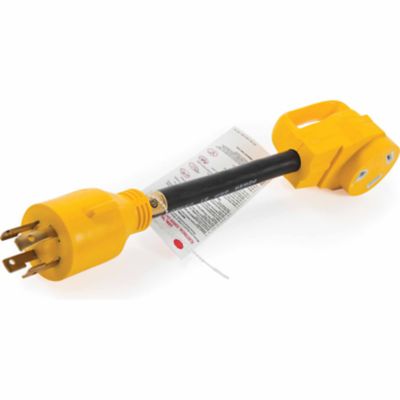
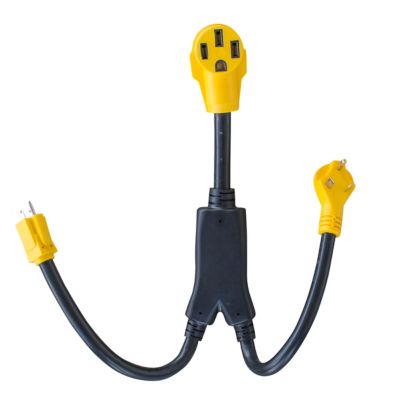
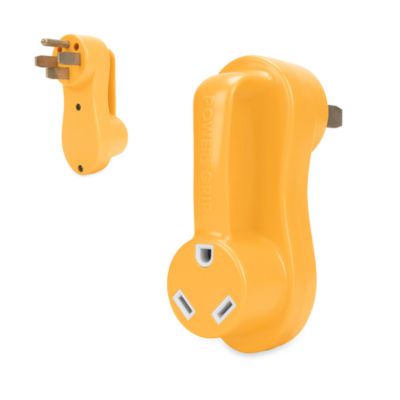
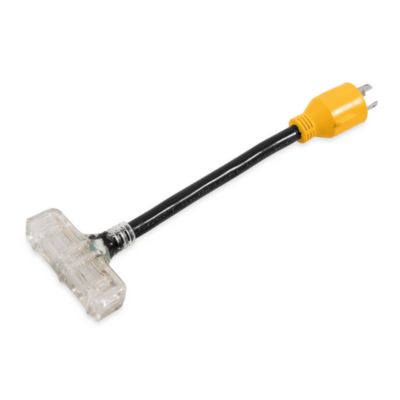
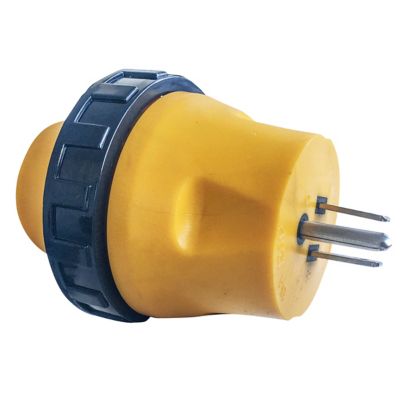
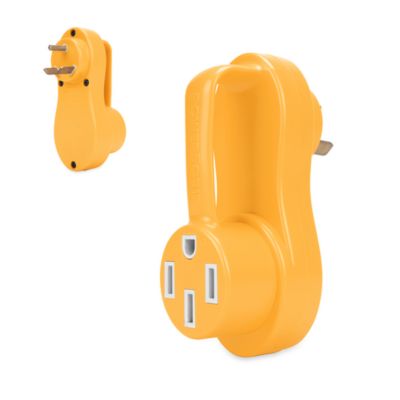
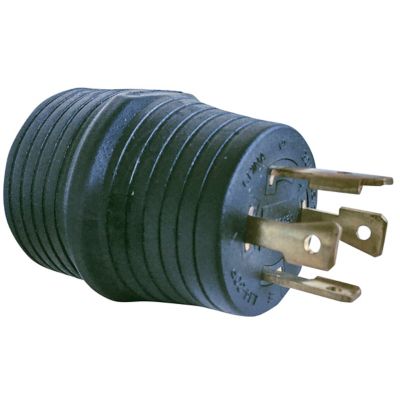
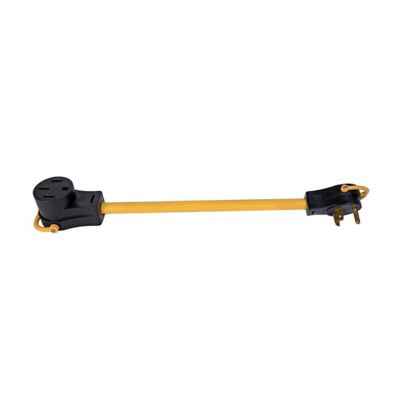
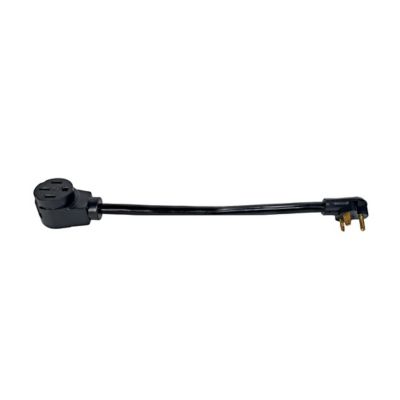
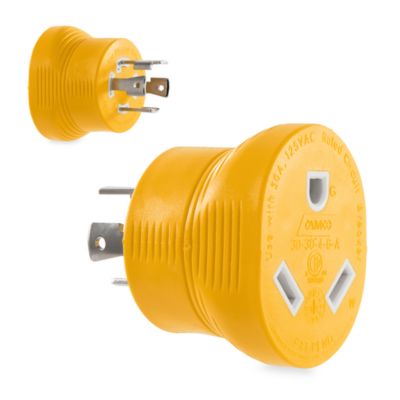
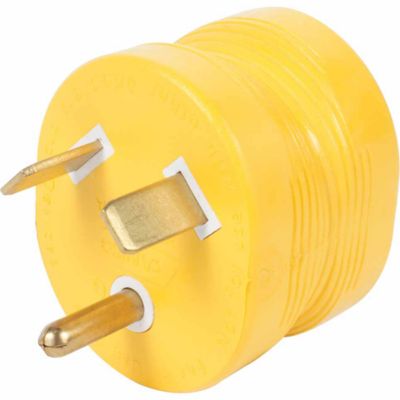
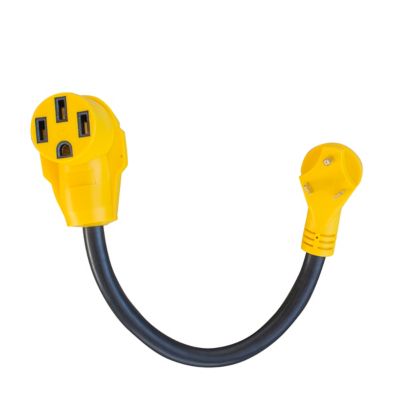
Construction and shape make a noticeable difference when an RV power adapter becomes part of the regular hookup routine. These adapters commonly combine conductive metal contacts with insulated wiring and molded connector housings. Copper conductors carry the electrical load, while the outer jacket and housing help protect the wiring from abrasion and handling. Clearly marked voltage and amperage ratings make it easier to distinguish similar-looking connections in a storage compartment. For frequent travel, molded strain relief at the cord ends helps limit stress where flexible cable enters a rigid plug. A short, flexible adapter, often called a dogbone adapter, gives the connection room to bend without placing the entire weight of the assembly directly against the receptacle. A compact, one-piece adapter takes up less storage space, though its shape may put the connection closer to a pedestal cover or neighboring outlet. Right-angle designs can change how the cord hangs, and built-in grip handles give fingers a better hold when unplugging. Neither shape is automatically the best choice for every rig; pedestal clearance, cord position and the RV’s inlet location all affect fit. A locking RV inlet also calls for the matching connector design, not simply an end with the same amp rating. For outdoor hookups, the adapter’s stated application and safety listing matter more than a heavy-looking housing alone. The complete connection must stay within the ratings of the source, adapter, power cord and RV electrical system. An adapter is not a substitute for properly sized cable, and extra cord length can contribute to voltage drop under load. Stacking multiple adapters adds connection points and can leave a cumbersome assembly hanging from an outlet. A direct match between the source and the RV cord keeps the setup simpler. A snug connection, supported cord and accessible grip are practical details that make a difference when working beside a parked rig with a full campsite to unload.
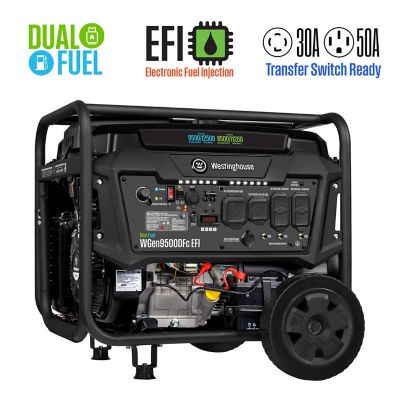
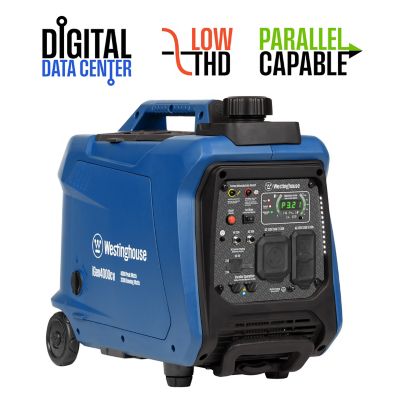
RV power adapters serve more than the campground stop. They can help connect a trailer beside the house for trip preparation, supply a suitable shore power connection while the rig is parked at the farm, or bridge a compatible generator outlet and RV cord at a remote campsite. For generator hookups, connector fit is just one consideration; running wattage, appliance starting demands and the generator manufacturer’s grounding and connection requirements also matter. Shoppers comparing power sources can explore
RV Generators alongside the connection equipment their rig requires. An adapter cannot make a generator produce more electricity, and a larger-looking outlet does not remove the need to manage appliance loads. Battery chargers, refrigerators and other onboard equipment may draw power even when the big appliances are off, so the total load includes more than the appliance someone is actively operating. An ordinary RV power adapter also does not provide surge protection or automatic protection against improper voltage unless those functions are expressly included. Those are separate equipment features, not benefits to assume from the connector shape. Care is straightforward but important: connections should be unplugged before inspection or cleaning, and the manufacturer’s care directions should guide the process. Cracked insulation, bent blades, loose contacts, scorching or discoloration are reasons to take an adapter out of service rather than keep it in the travel tote. Pulling by the plug or its handle instead of the cable helps protect the connection between the wiring and housing. Clean, dry storage away from sharp tools and heavy gear helps prevent damage between trips. Protective caps, when part of the design, help keep debris away from contact surfaces. For a family that travels regularly, an RV power adapter can also make a practical gift when the giver knows the rig’s connection type and intended power source. The value is in that exact match: the right ends, suitable electrical ratings and a shape that fits the hookup without unnecessary strain.