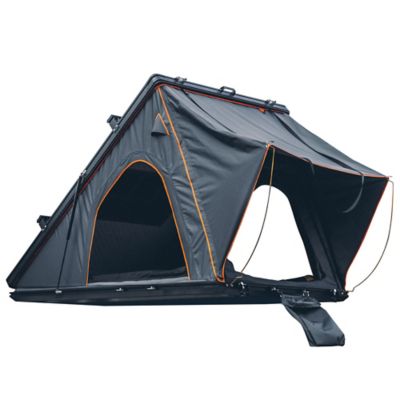
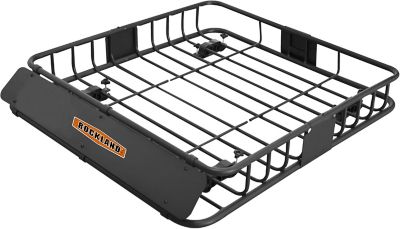
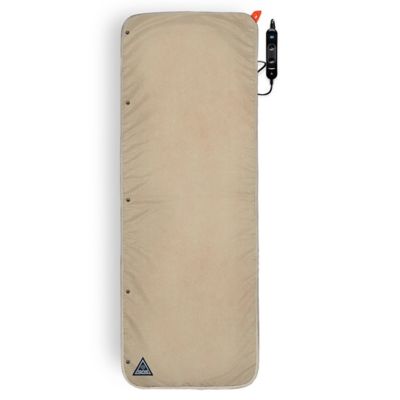
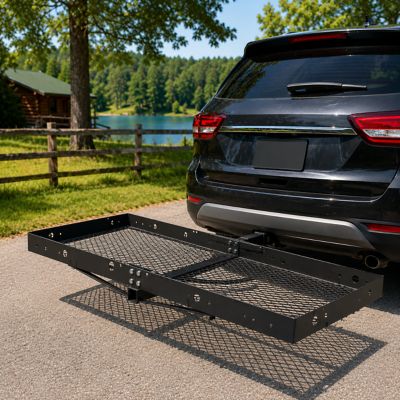
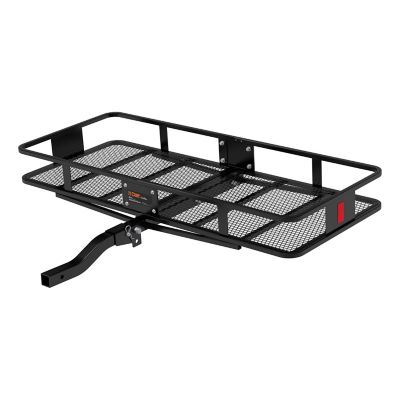
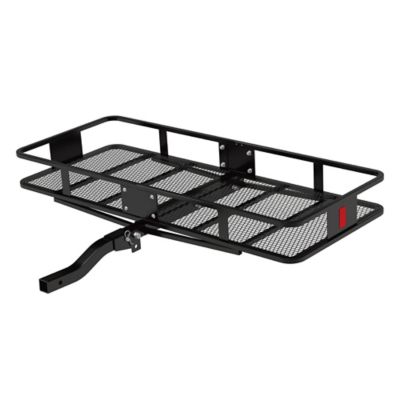
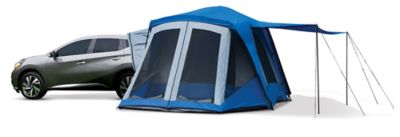
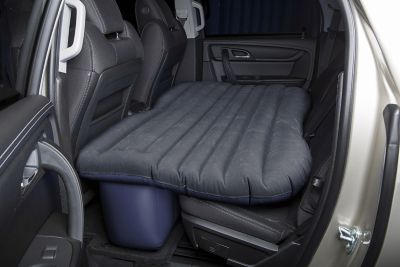
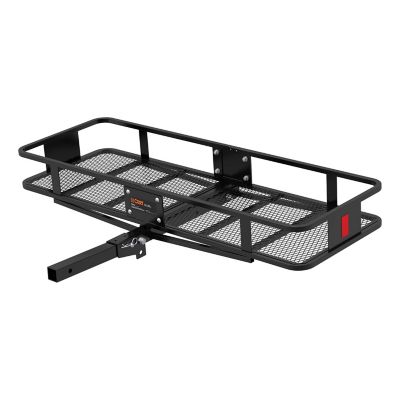
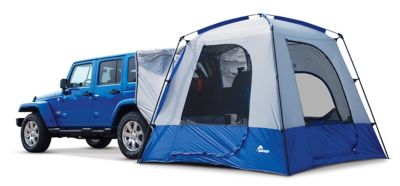
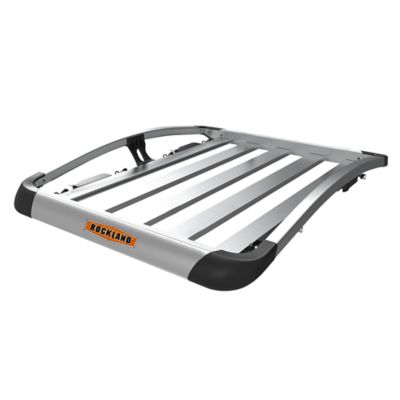
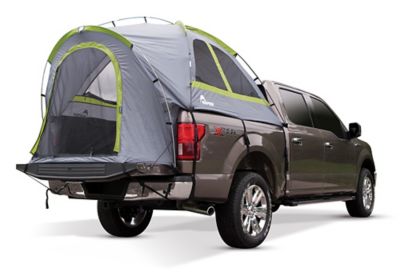
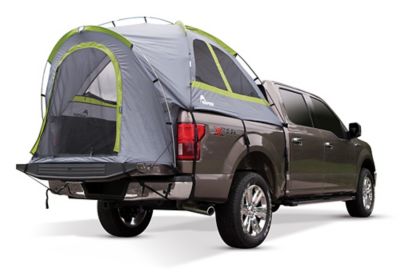
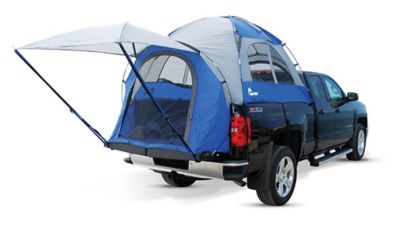
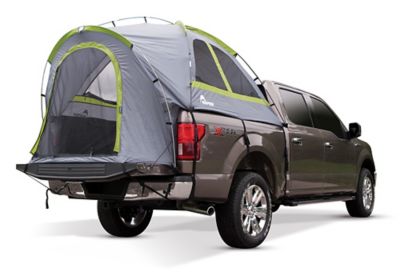
Car accessories for camping help turn the space in and around a vehicle into a practical home base for nights away from pavement. They support the everyday parts of camp life: hauling supplies, keeping bedding dry, making room to stretch out, and finding what you need after dark. For a couple heading down a gravel road, a family settling into a campground, or a hunter spending the night near a trailhead, the right setup starts with how the vehicle will serve the trip. Sleeping inside calls for different features than carrying supplies to a separate tent, while a tailgate gathering puts more emphasis on accessible storage and sheltered space outside. Interior dimensions matter more than a broad label such as SUV, crossover, or pickup. Wheel wells, folded seat angles, hatch clearance, and the space behind the front seats all affect how camping accessories fit. A sleeping surface needs enough length for its occupant and support across gaps or uneven sections; storage needs to leave room for passengers, seat belts, and a clear exit. Roof-mounted and hitch-mounted equipment also has to match the vehicle and mounting system, with load limits checked against the vehicle’s instructions. Those details make a difference when a road gets washboard rough or the last stretch to camp turns muddy. Compact shapes, secure attachment points, and handles that are easy to grip help make packing and unloading less of a chore. Families may value separate spaces for snacks, spare clothes, and muddy footwear, while solo travelers may prefer a smaller setup that leaves the back seat open. Across these needs, car camping accessories work best as parts of one arrangement rather than isolated additions. A well-fitting layout keeps frequently needed supplies within reach and leaves enough open space to climb in, sit down, and pull on boots without moving half the load.
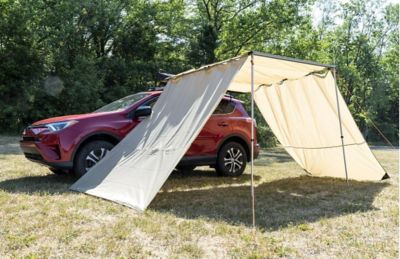
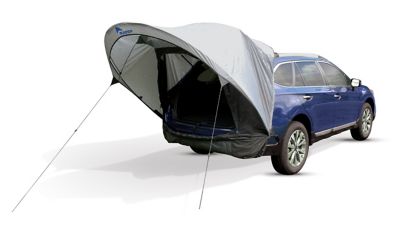
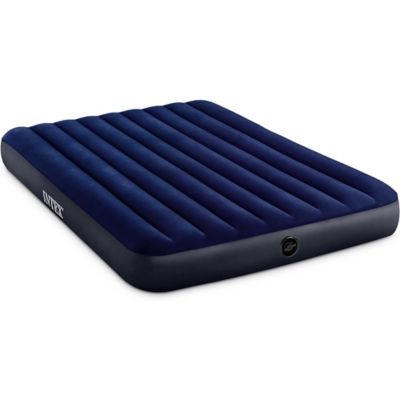
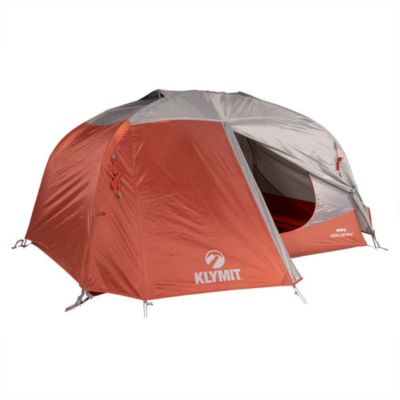
Materials and construction influence how that arrangement holds up to dust, damp ground, and repeated packing. Fabric components may feature polyester or nylon, with coatings and seam treatments that help resist moisture. Water resistance is not the same as waterproof protection, especially around stitching, zippers, and openings exposed to wind-driven rain. Reinforced corners, substantial webbing, and firmly attached handles are worth considering for equipment that gets lifted in and out of a cargo area on every trip. Rigid plastic surfaces can be easier to wipe clean after a muddy weekend, while padded or fabric-lined sections can help reduce rattling and protect contents from rubbing together. Metal frames and mounting hardware need care suited to their finish, particularly after contact with road salt or wet gear during the cooler months. Fit matters just as much for exterior shelter and ventilation accessories. An attachment designed around a rear hatch needs to suit its shape and opening height without straining hinges, obstructing exhaust outlets, or interfering with access. Mesh panels can allow airflow while limiting insects, but their coverage depends on how closely they follow the window or doorway. Window coverings can add privacy, though they should not interfere with safe visibility while driving. Inside the vehicle, cushioned sleeping materials vary in firmness, packed size, and insulation. A thick surface may feel comfortable at bedtime yet take up valuable headroom, especially above a raised base. Bedding and insulation should match expected overnight temperatures; a closed vehicle alone is not dependable protection from cold. Engines and fuel-burning cooking or heating equipment should remain off during sleep, and fuel-burning equipment belongs outside, away from vehicle openings. Keeping wet coats and footwear separate from sleeping materials also helps preserve a more comfortable resting space. After the trip, allowing fabrics and cushioning to dry fully before storage helps prevent lingering odors and mildew. Cleaning methods should follow material care instructions, since harsh cleaners, high heat, and rough scrubbing can damage coatings or weaken attachment points.
Storage, water handling, lighting, and power round out a camping setup by making ordinary tasks easier when the nearest kitchen or outlet is miles down the road. Organized cargo space is especially helpful at arrival, when daylight is fading and everyone wants supper before the evening chill settles in. Separate compartments can keep food preparation supplies away from dirty recovery equipment, and secure closures help prevent small belongings from spilling across the floor. Heavy loads belong low and secured within the vehicle’s capacity, with nothing loose where a sudden stop could send it toward passengers. Water storage intended for drinking should be made from food-contact-safe materials and have a closure that seals securely for travel. A manageable filled weight, a comfortable carry handle, and an opening that allows thorough cleaning can matter more than total capacity alone. Around the hatch or tailgate,
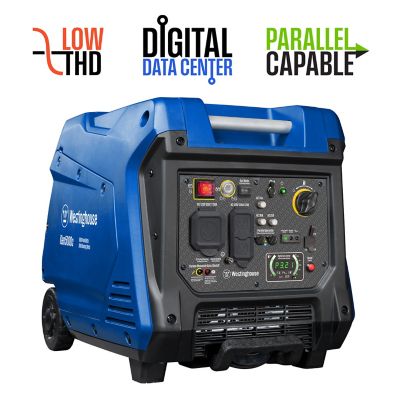
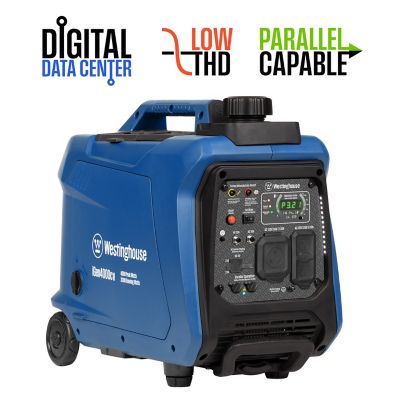
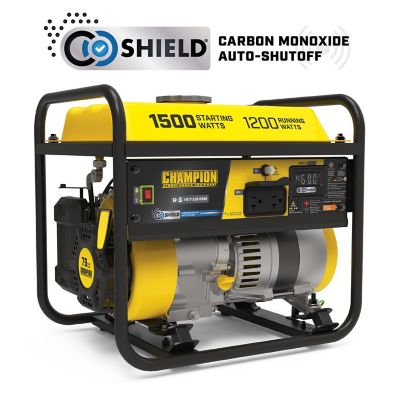
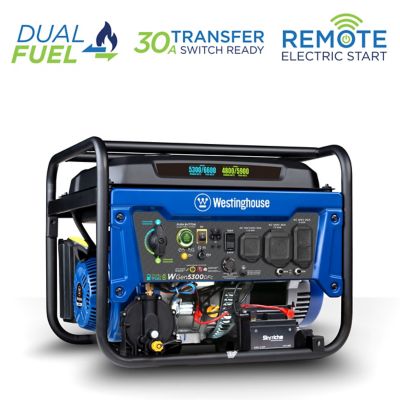
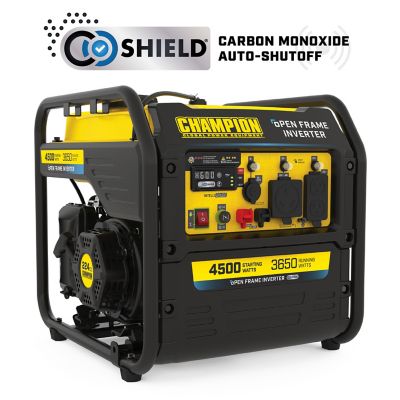
Camping Lights can provide task lighting for preparing food, sorting bedding, or finding a dropped glove without keeping the vehicle’s interior lights on. Mounting options, adjustable brightness, weather exposure ratings, and battery needs all affect where lighting fits into camp life. A softer setting suits a shared campground, while directed light helps with jobs that call for a closer look. Power accessories require similar attention to purpose: charging a phone places different demands on a system than running equipment for several hours. Connector compatibility, rated output, operating temperatures, and the vehicle manufacturer’s guidance help define what a setup can support without overloading a circuit or draining the starting battery. For campers traveling with children or pets, covered connections and neatly routed cords help keep the living area clear. When choosing camping accessories as a gift, knowing the recipient’s vehicle dimensions and usual travel style helps avoid a fit mismatch. Someone who spends several nights at one campsite may appreciate a different balance of comfort and packing space than someone who moves camp each morning. Whether the destination is a wooded campground, a lakeside site, or a quiet stretch of public land where camping is permitted, practical accessories help keep supplies organized, camp tasks manageable, and the ride home easier to pack.