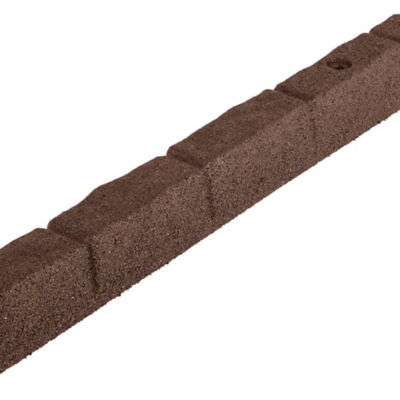
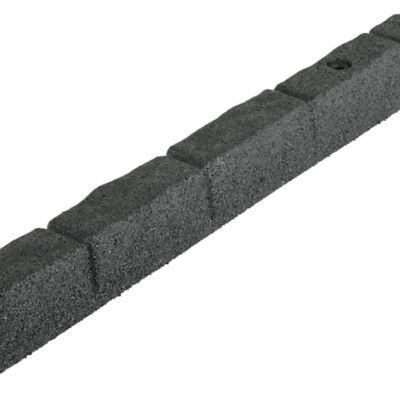
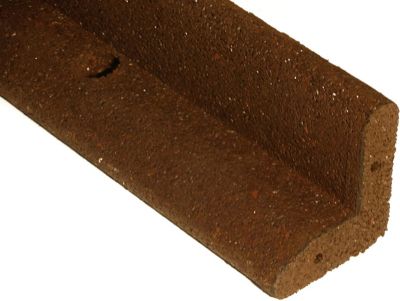
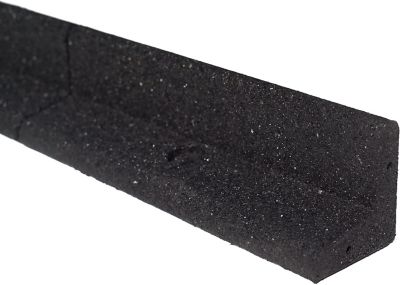
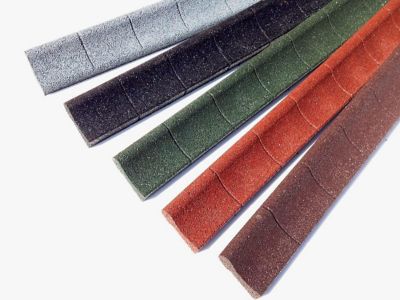
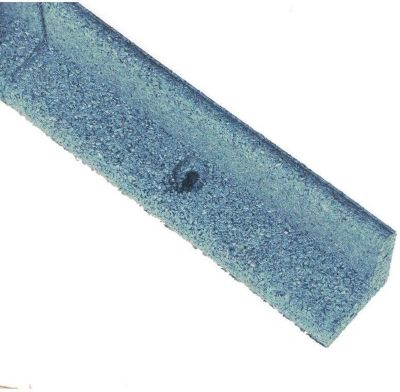
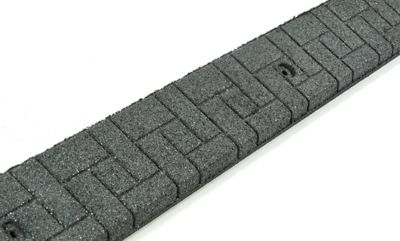
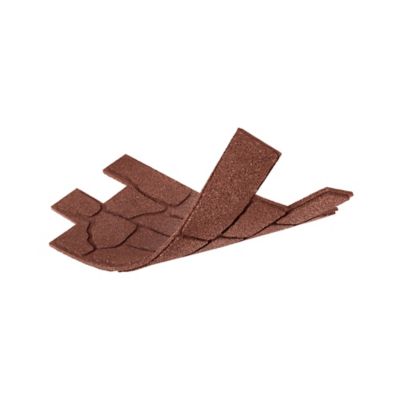
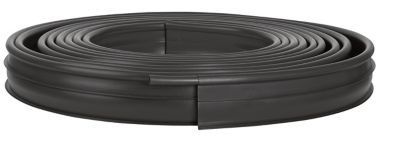
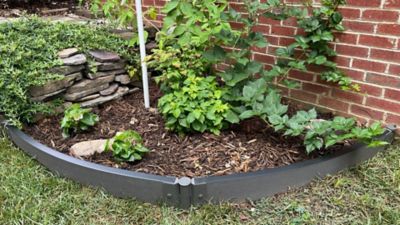
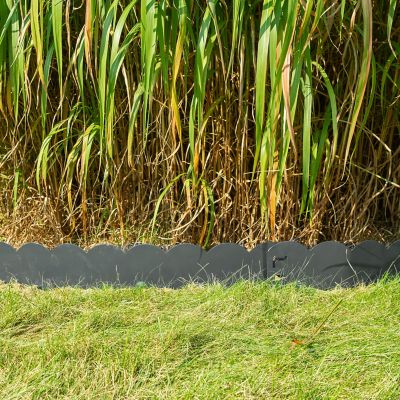
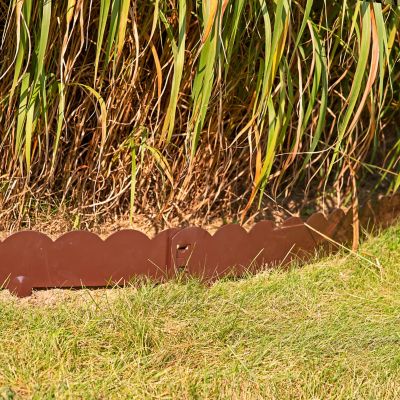
Rubber edging for flower beds is a flexible landscape border that helps separate planting areas from lawn, gravel, and walkways. Many rubber borders contain recycled rubber, including material recovered from tires, though the composition and recycled content vary by manufacturer. That flexibility makes rubber a practical choice for rounded beds, winding paths, and planting areas that do not follow a straight line. A border can give loose mulch a defined stopping point, frame a row of flowering shrubs, or make the edge of a small front-yard garden easier to spot. Around a farmhouse porch or beside a backyard patio, it adds a clear outline without taking attention away from the plants. Rubber also offers a different feel from rigid stone or metal: it can bend around gentle curves and has some give if bumped. The amount of flexibility depends on the border’s thickness, shape, and construction, so a substantial raised section will handle differently from a thin roll. Some styles stand above the soil to help contain mulch, while others lie flatter and create a wider separation between the bed and the grass. Neither shape replaces routine trimming or guarantees that spreading roots will stay put, but the right profile can make that boundary easier to maintain. For homeowners tending a few foundation plantings, gardeners managing several beds, or folks caring for a larger yard, the appeal is straightforward: a tidy edge that follows the planting layout. Rubber does not rot like untreated wood, but its service life still depends on the material, installation, and wear it receives. It is best thought of as a finishing part of the landscape rather than a structural barrier. It can help keep bark chips from spilling onto a path, but it is not a retaining wall for a steep bank or a substitute for proper grading. That distinction matters anywhere soil or mulch presses heavily against the edge.
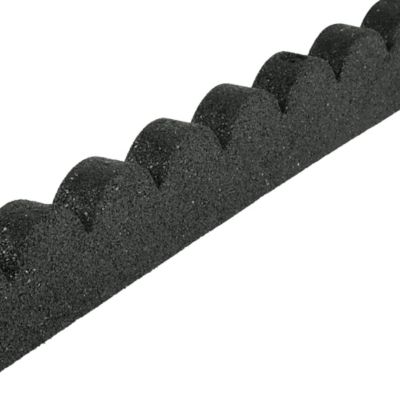
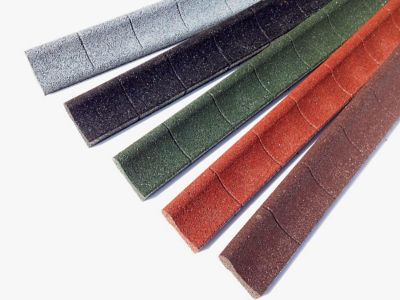
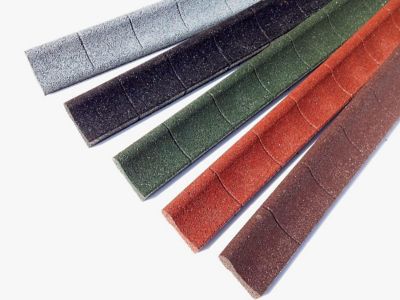
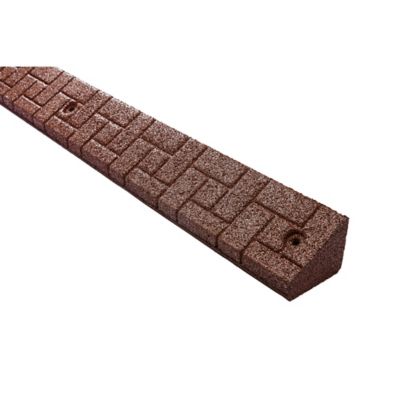
The fit of rubber flower bed edging comes down to more than the total distance around a bed. Height, width, thickness, and flexibility all affect how the border sits next to plants and neighboring surfaces. A low profile suits a bed where the goal is a subtle dividing line, while a taller face can provide more room for a deeper mulch layer. A wider, flatter edge may offer a useful buffer beside turf, although clearance for mower wheels and blades depends on the design and the equipment. Rubber should never be assumed safe for blade contact. Curves deserve attention, too: a broad sweep around a tree planting asks less of the material than a tight turn beside porch steps. Rolled edging and connected sections can both suit curved layouts, but their minimum bend, joint spacing, and fastening requirements differ. Straight runs can look clean and orderly along a fence or driveway, especially when connections sit flush and the border follows a consistent line. Color and surface texture also change the finished appearance. Dark tones tend to recede against soil and mulch, while molded textures can give a bed a more defined frame. For a broader look at ways to outline a planting area,
Garden Bed Borders offers a related place to explore border styles. The surrounding surface matters just as much as appearance. A bed beside a gravel walk may need enough exposed height to keep the two materials from mixing, while edging next to a paved path needs a profile that does not create an awkward lip. Stakes, connectors, and end pieces should match the edging system, and the fastening method should suit the ground beneath it. Firm soil, loose fill, and stony ground do not hold anchors the same way. Checking dimensions and installation requirements helps distinguish a border that fits the space from one that simply looks right in a picture.
Everyday care is another part of choosing rubber landscape edging. Soil, mulch dust, and grass clippings can collect along textured faces and at joints, so a border with accessible surfaces is easier to keep looking neat. A rinse and a soft brush are often enough for ordinary dirt, with the manufacturer’s care directions taking priority for cleaners or stubborn marks. Harsh solvents and abrasive tools may damage the surface or finish. Connections and stakes also deserve an occasional look, particularly along areas where feet, wheelbarrows, or garden carts regularly pass. A loose joint can let mulch work through the gap, and a lifted section can become a snag beside a walkway. Thicker material may better resist incidental bumps, but thickness alone does not tell the whole story; the shape of the border, the strength of its connections, and how securely it sits all contribute to performance. For beds close to a gate or shed, clearance for swinging doors and rolling equipment is worth considering before settling on a profile. Around flowers and shrubs, the edging should leave room for plant growth and ordinary tasks such as weeding, watering, and refreshing mulch. It should not crowd stems or turn a narrow planting strip into a hard-to-reach pocket. Where runoff crosses a bed, border height and placement also need to allow drainage rather than trap water against the planting area. Households with pets or children may prefer a lower, clearly visible outline along busy routes, while still checking the material’s intended application and any safety information. Recycled content does not by itself establish suitability for every planting space, including edible gardens, so manufacturer guidance remains important. A well-matched rubber border brings these practical details together: enough height for the bed, enough flexibility for its curves, and a fastening system suited to the ground. The result is a flower bed with a clear boundary that leaves the blooms, foliage, and everyday garden work at the center of the space.