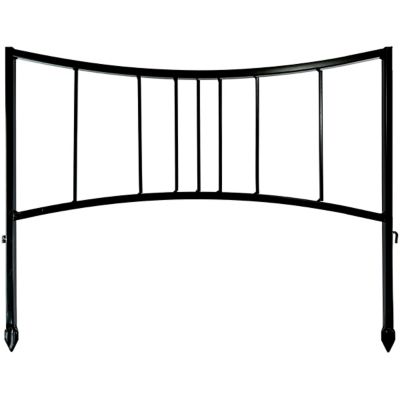
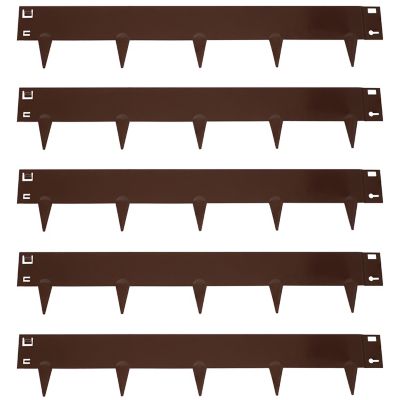
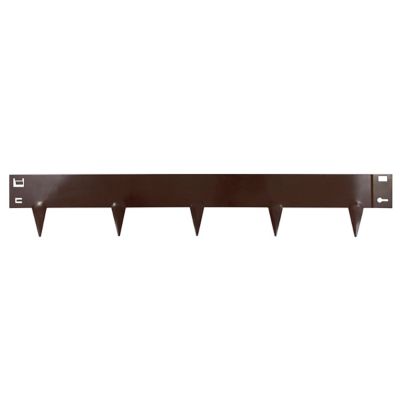
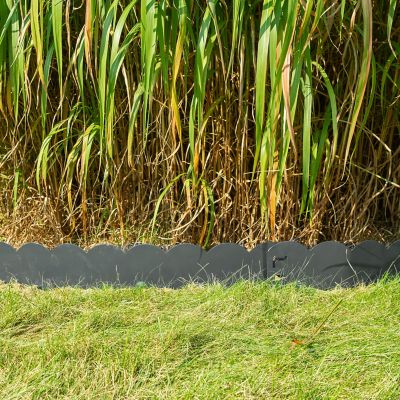
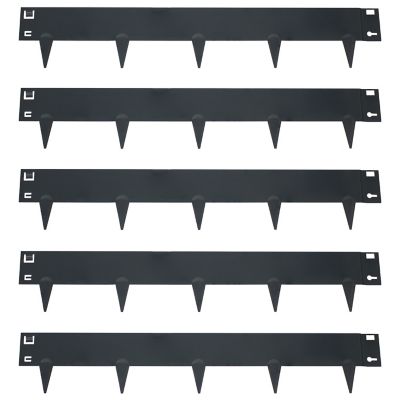
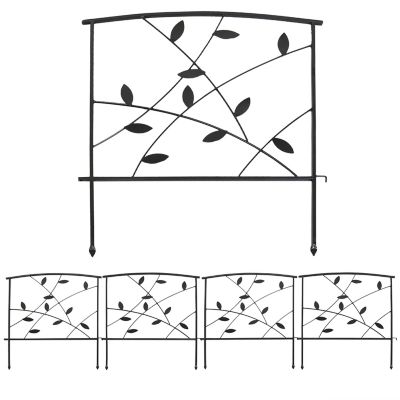
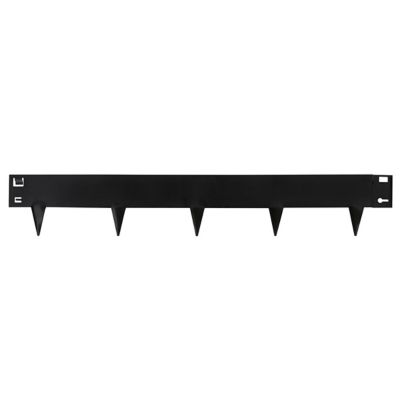
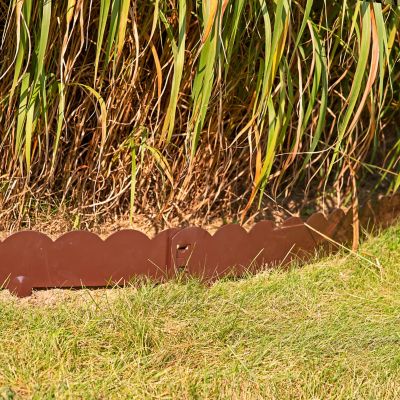
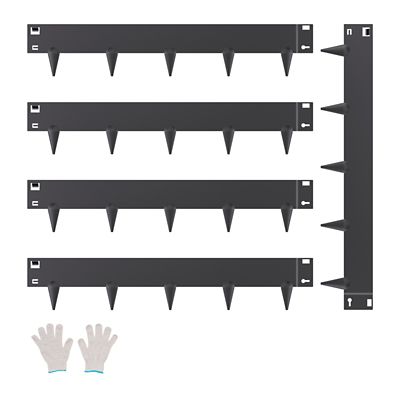
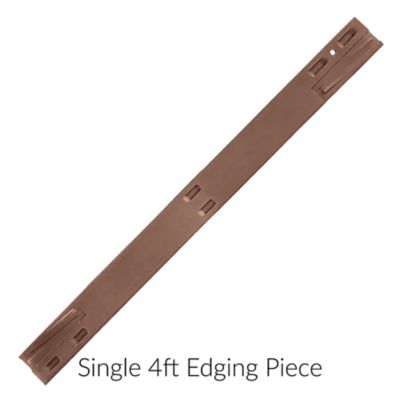
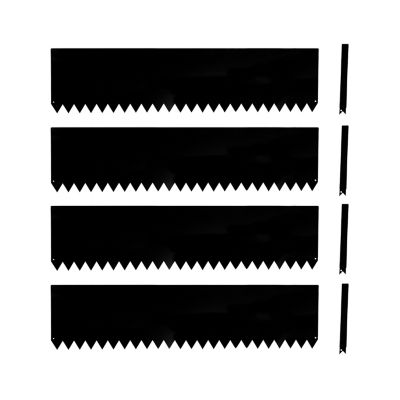
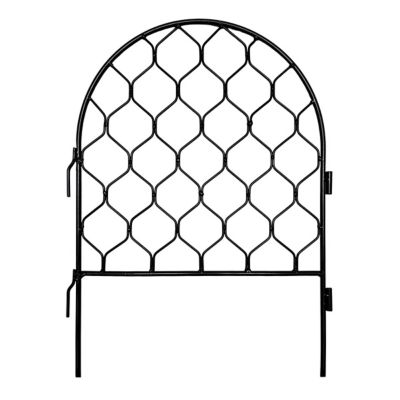
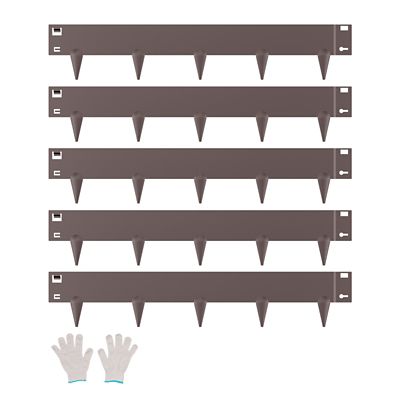
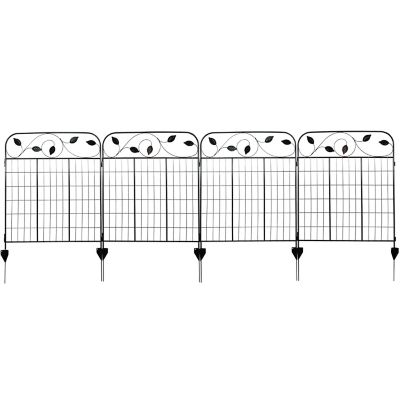
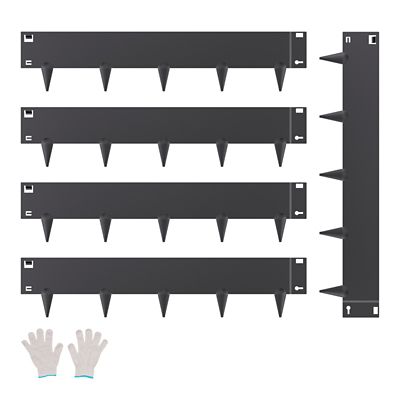
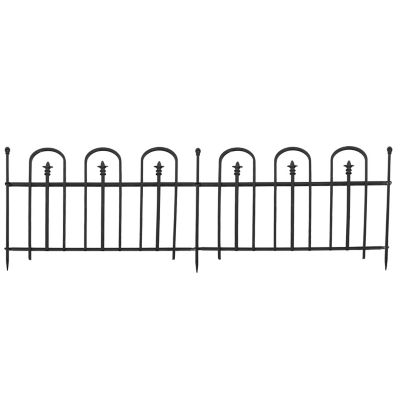
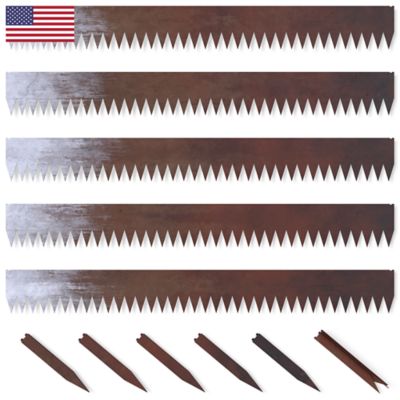
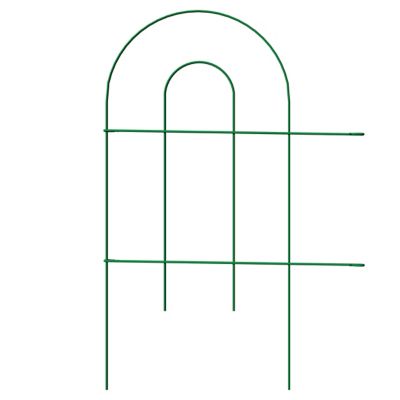
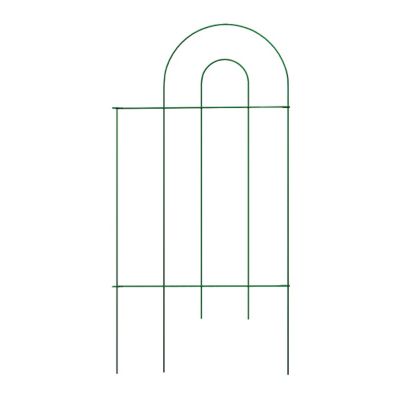
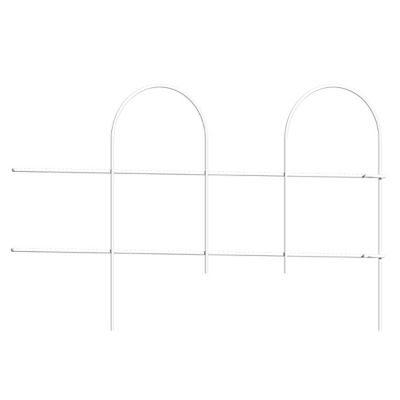
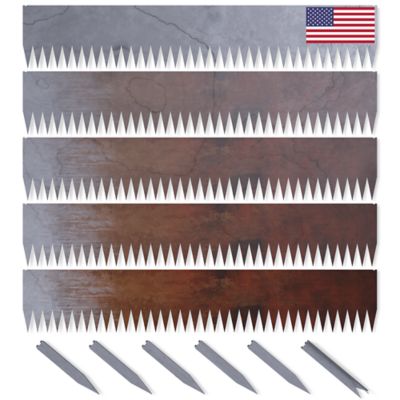
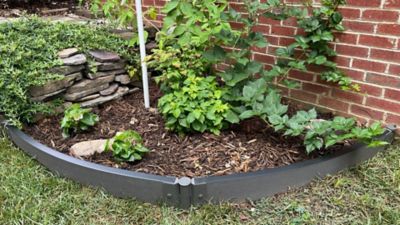
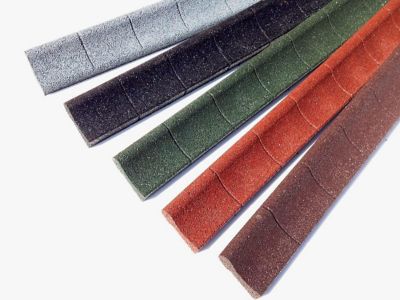
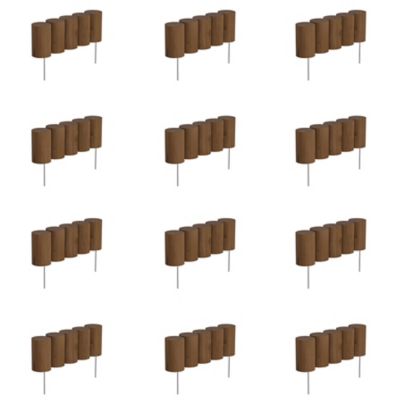
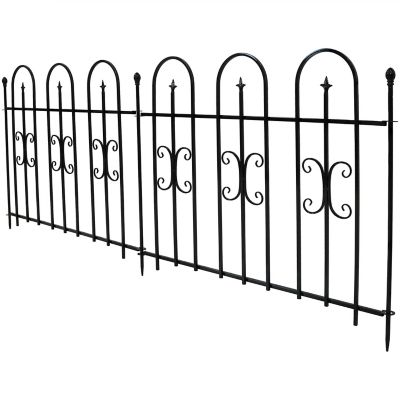
Steel flower bed edging is a narrow metal border that separates planting beds from lawns, paths, and other landscaped areas. It helps keep mulch or gravel within a defined space, gives beds a clear outline, and limits grass spreading across the surface into planted soil. That makes it a practical fit for everything from a small flower bed beside the front steps to a long planting strip along a fence. A slim steel edge leaves flowers and foliage in view without taking up much ground, while its firm profile helps maintain straight runs and sweeping curves. It also gives a lawn a clear stopping point, making the boundary between turf and loose mulch easier to see when mowing or trimming. Steel edging can reduce grass encroachment, but it is not a complete weed barrier; roots and spreading stems may still travel beneath or over the border. Material thickness, finish, anchoring, and soil conditions all affect how well that boundary holds its shape over time. Thicker steel generally resists bending better, while thinner sections may offer more flexibility around rounded beds. Galvanized steel has a zinc coating that helps protect against corrosion, and painted or powder-coated finishes provide another type of surface protection. Bare steel can develop rust, while certain steel alloys are intended to form a brown surface patina. Those differences matter around pale paving, concrete, and other surfaces where rust runoff could leave marks. Color and finish also change how the edge sits within the yard: a dark border can blend into soil and mulch, while a visible metal finish draws a sharper line. For a farmhouse flower bed, a front-yard planting, or a tidy border around a backyard sitting area, steel offers a compact way to organize the space without building a wide masonry edge. Its appeal is as much about keeping separate materials where they belong as it is about appearance, especially where grass, mulch, and gravel meet along a well-traveled stretch of yard.
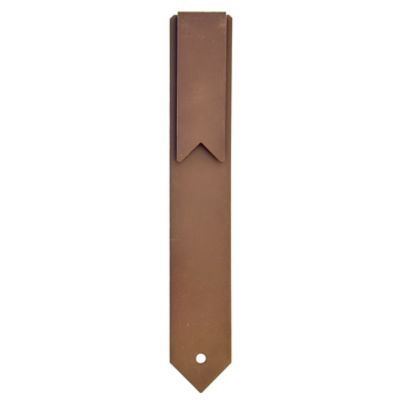
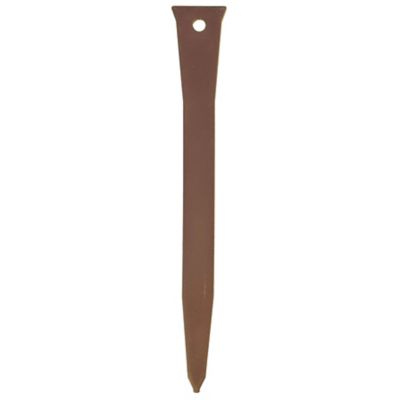
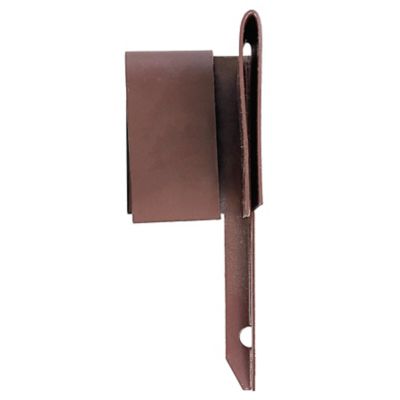
The right fit depends on the shape of the bed, the height of the materials beside it, and how much edging extends below ground. Overall panel height is not the same as exposed height, since part of the border normally sits in the soil. A low reveal can create a subtle division beside turf, while a taller exposed edge may suit a bed with a deeper layer of mulch. Too much exposed metal beside a walking route can become a trip hazard, so the surrounding layout matters just as much as the look of the border. Section length and connection style affect fit, too. Overlapping ends, joining tabs, and separate connectors can change the amount of ground each section covers, making the installed coverage more useful than the nominal length alone. Gentle curves generally need a different balance of stiffness and flexibility than square corners or tight circles around small planting areas. Some edging systems accommodate bends, while others depend on shaped corners or compatible connecting pieces. Matching those parts helps keep the line continuous instead of leaving gaps where mulch can escape. Stakes and anchors provide support, but their length, spacing, and attachment method need to suit the soil and the edging design. Loose ground may offer less grip, while stony or compacted ground can make placement harder. Tree roots, irrigation lines, and buried utilities also influence where a border can reasonably sit, particularly around established beds. Steel flower bed edging is generally intended to divide landscape materials, not hold back a substantial bank of soil or carry the loads expected of a retaining wall. A bed with a major change in elevation calls for a different type of support. For ordinary lawn-to-bed separation, the useful details are often straightforward: enough depth for a firm footing, a top edge suited to the location, and connections that keep neighboring sections aligned. Together, those features help a border follow the intended layout without crowding plants, narrowing a walkway, or leaving awkward ends beside a gate.
Steel edging also works well where flower beds meet garden walkways, gravel strips, and other areas with loose surface material. Along a path beside a vegetable patch or a flower-filled fence line, the border helps keep the walking surface separate from planted ground. For layouts that extend beyond the flower bed,
Garden Path Edgings offers a related category for defining walkway boundaries. The best match depends on whether the adjoining surface is turf, gravel, paving, or bare soil, as each creates a different edge condition. Gravel needs enough containment to limit stones wandering into the lawn, while a mower route benefits from a boundary that does not interfere with wheels or blades. A border beside a frequently traveled path deserves particular attention to its top profile, corners, and exposed ends. Rounded or rolled top edges may be worth considering where people and pets pass close by, though no metal border should be treated as a play surface. Routine care is mostly about keeping the installation sound and protecting the finish where applicable. Soil buildup can hide a shifting joint, and mulch piled over the top can bridge the separation between lawn and bed. Occasional checks for loose stakes, lifted sections, open connections, and sharp damage help catch small problems before they affect a longer stretch. Coated steel may need attention where tools or mower contact have scratched the surface; any touch-up treatment should match the maker’s recommendations. Uncoated steel needs care appropriate to its alloy and intended finish rather than a treatment chosen only for appearance. Keeping mower blades and string trimmers clear of the edge helps avoid damage to both the border and the equipment. For homeowners tending porch-side flowers, gardeners dividing several planting areas, or caretakers maintaining larger grounds, steel flower bed edging provides a defined boundary with a small footprint. Well-matched sections, sensible placement, and occasional upkeep support a neat bed line that leaves the planting itself as the main attraction.