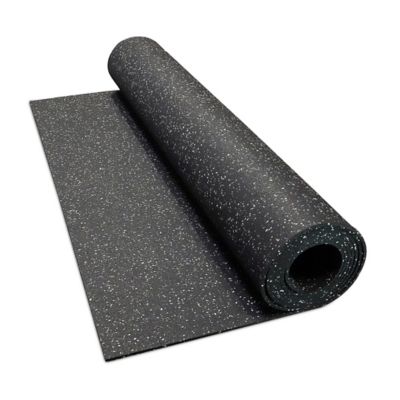
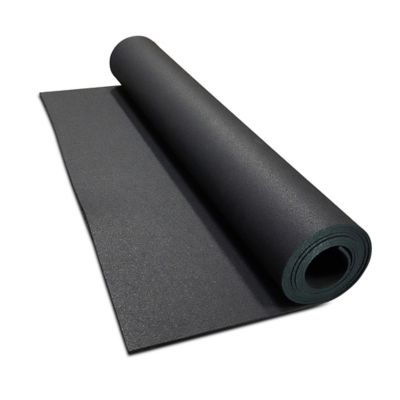
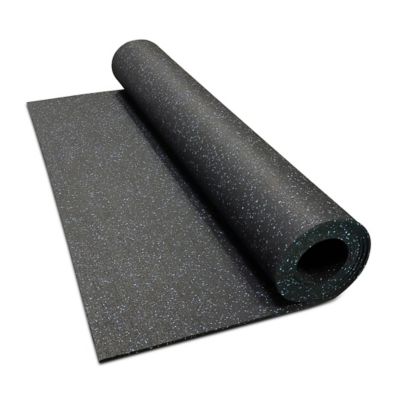
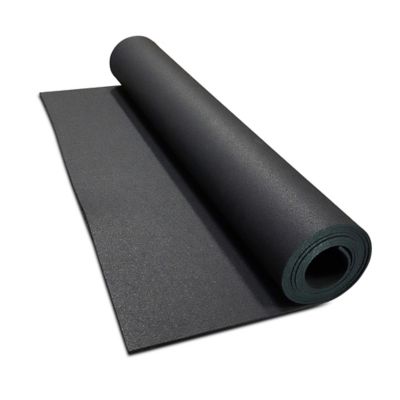
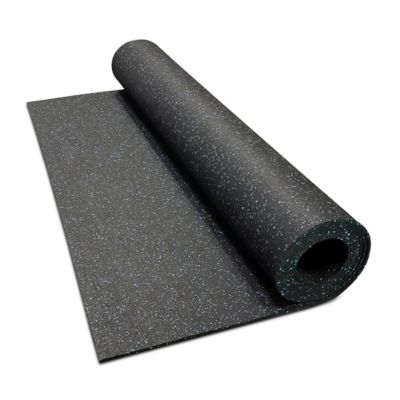
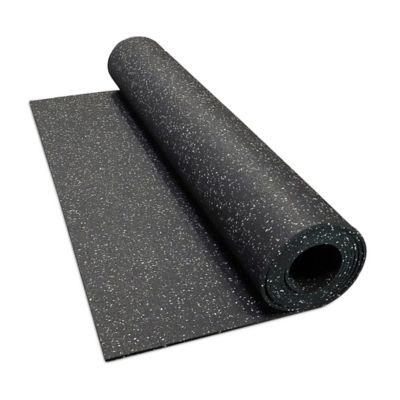
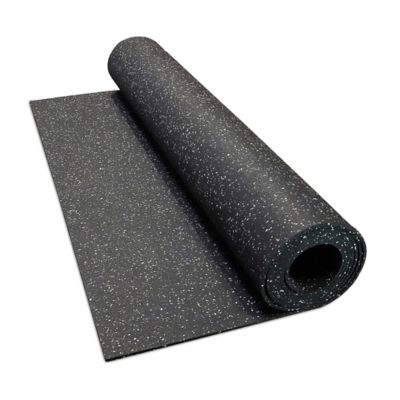
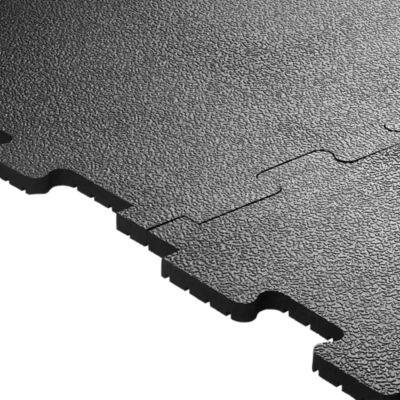
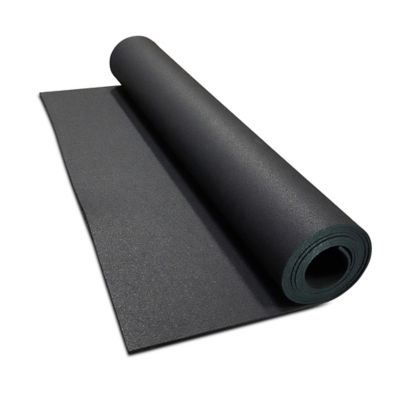
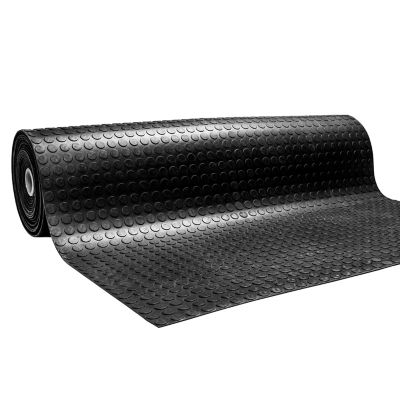
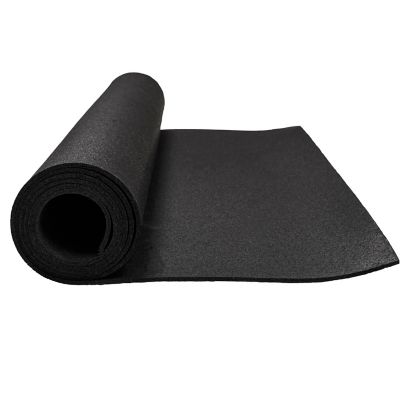
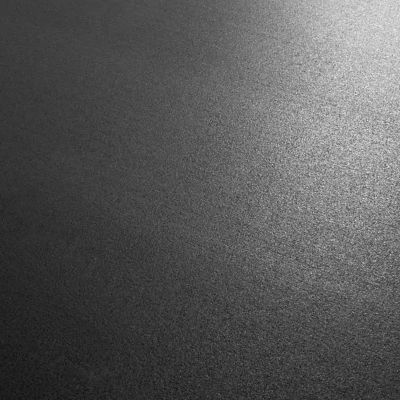
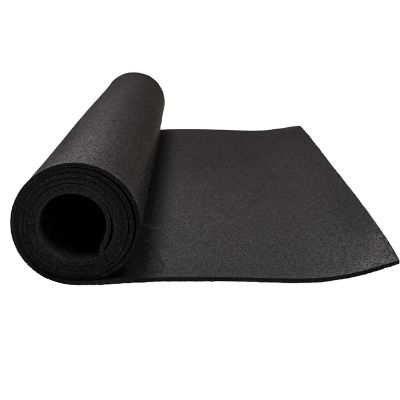
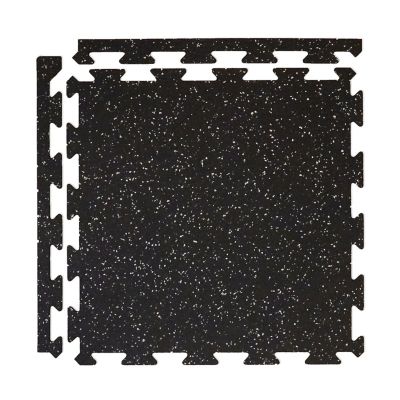
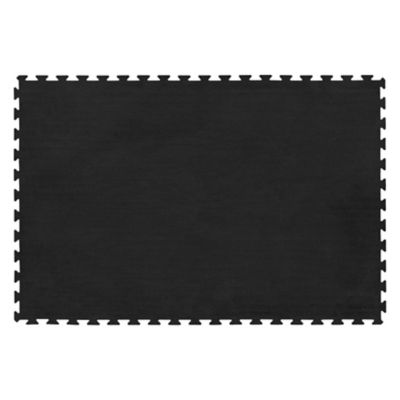
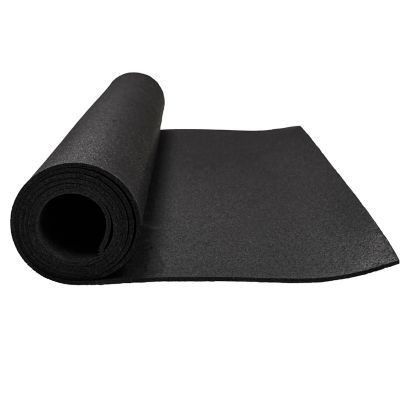
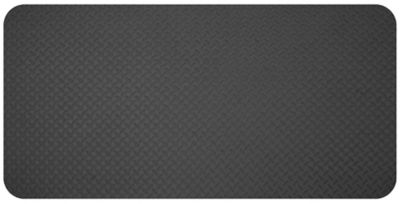
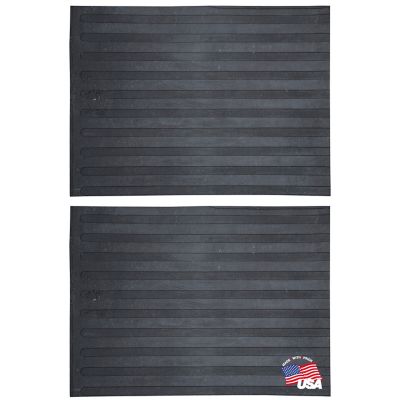
Rubber flooring is a resilient floor covering made from natural rubber, synthetic rubber, recycled rubber or a blend of these materials. It adds cushioning underfoot and can help protect a suitable underlying floor from everyday wear, scuffs and certain impacts. Common settings include home gyms, garages, workshops, utility rooms and agricultural work areas, with different constructions suited to different jobs. In a home workout space, rubber can soften footfalls and reduce some of the noise from exercise equipment. Along a workbench, it can make standing on a hard floor more comfortable while keeping a dropped wrench from landing directly on bare concrete. In barns and animal areas, flooring rated for that setting can provide a firmer footing surface and a cushioned base beneath appropriate bedding. Rubber flooring generally comes in rolls, individual mats and interlocking tiles. Rolls cover larger stretches with fewer seams, mats provide coverage where work happens, and tiles make it possible to build out a space in sections. Each format has its place, whether the job calls for a broad workout floor or a standing area beside a repair bench. Material construction matters just as much as format. Recycled rubber often has a granular appearance, while other rubber compounds may have a smoother, more uniform surface. Color flecks, surface texture and edge shape can affect both appearance and upkeep. A textured face may help with traction, but no flooring surface stays slip-resistant under every condition, especially when oil, soap or other residue is present. Rubber itself often resists water, yet a rubber floor is not automatically a waterproof system. Seams, edges, backing materials and the condition of the floor underneath all affect how moisture behaves. That distinction matters in any space where spills or washdowns are part of the routine. The best match starts with what happens in the room, how much traffic it gets and what the surface needs to handle day after day.
Thickness, density and the way rubber flooring is supported all influence how it feels and performs. A thicker surface may provide more cushioning, but thickness alone does not tell the whole story. Dense rubber can offer a firmer platform beneath exercise equipment, while a softer construction may feel better beneath someone standing at a bench for long stretches. Heavy equipment, narrow machine feet and small cart wheels can concentrate a surprising amount of pressure in one spot, so load ratings and the flooring maker’s recommendations deserve a close look. A surface that feels comfortable for standing may not be the easiest one for rolling a loaded tool chest across the shop. Likewise, flooring suitable for general exercise is not necessarily rated for repeated dropped weights. Coverage and fit matter, too. A mat beneath a work area needs enough room for normal movement without putting an edge directly where feet turn or carts pass. Wall-to-wall layouts call for attention to door clearance, floor vents, fixed equipment and transitions into neighboring rooms. Raised edges can become trip points, and loose sections may shift if the backing, floor surface and application do not work well together. Interlocking edges help connect sections, but they do not replace any adhesive or perimeter requirements specified for the flooring. Underneath, a clean, sound and sufficiently level base helps the surface sit evenly. Rubber does not correct a damaged subfloor, and concrete moisture can still cause problems beneath a covering. Existing finished floors also need a compatibility check because some rubber compounds or backings may leave marks or discolor certain surfaces. Around livestock, intended use becomes especially important: stall flooring, aisle flooring and standing-area mats can have different requirements for traction, drainage and cleaning. Cushioning does not replace bedding, stall maintenance or sound footing practices. Matching the flooring to the actual work helps avoid a setup that looks right but feels awkward once chores get going.
Everyday care has a big say in how rubber flooring holds up. Grit carried in on boots can grind against the surface, while hay, feed dust and workshop debris can collect along seams or beneath loose-laid edges. Sweeping or vacuuming with equipment approved for the surface helps keep that buildup in check. For routine washing, a cleaner recommended by the flooring manufacturer is a better choice than reaching for the strongest solution on the shelf. Oils, fuels, solvents and harsh cleaning chemicals can stain, soften or otherwise damage some rubber compounds, making chemical compatibility an important consideration in garages and repair spaces. Spills deserve prompt attention, and excess water should not be left sitting beneath mats or inside seams. A floor that sees animal traffic may also need a cleaning and disinfecting routine suited to both the rubber and the animals in that space. Surface texture affects the effort involved: deeper patterns may hold onto dirt, while smoother faces may be easier to wipe but offer a different feel underfoot. Seams, borders and the areas beneath movable sections also need attention when the manufacturer’s care directions call for it. Some new rubber flooring has a noticeable smell, especially in enclosed rooms, so ventilation and the manufacturer’s airing-out recommendations are worth considering before installation. For garages, compatibility with vehicle tires, fluids, rolling loads and any nearby equipment should be confirmed rather than assumed. Outdoor placement likewise calls for flooring specifically rated for that application. Over time, checking for curling corners, worn edges, gaps and movement helps keep the floor comfortable to walk and work on. For smaller coverage areas,
Flooring Mats offer another way to focus protection and cushioning where feet, tools or equipment spend the most time. Whether the space holds a weight bench, a repair station or a busy barn aisle, the right rubber flooring balances firm support, manageable upkeep and a fit that makes sense for the work at hand.