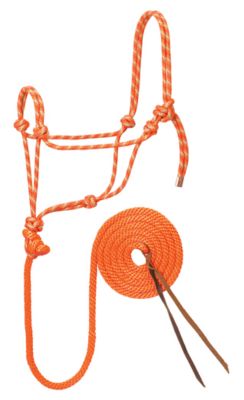
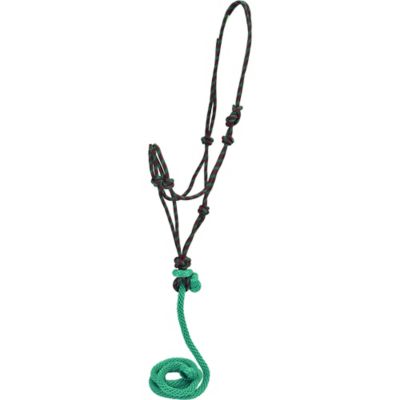
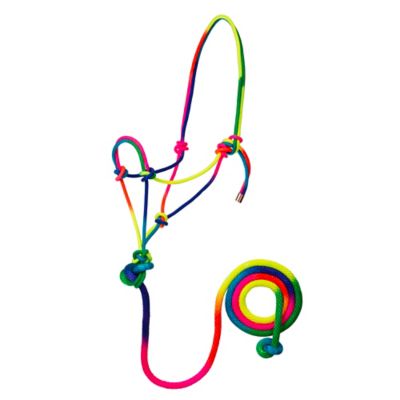
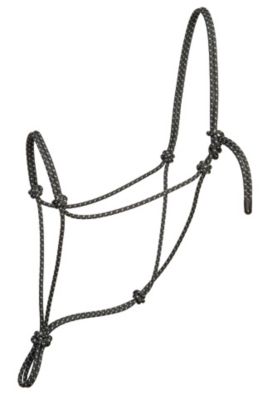
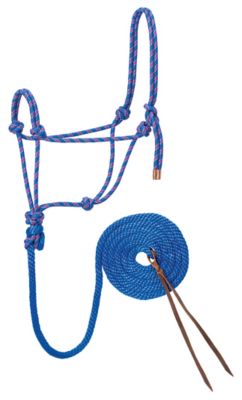
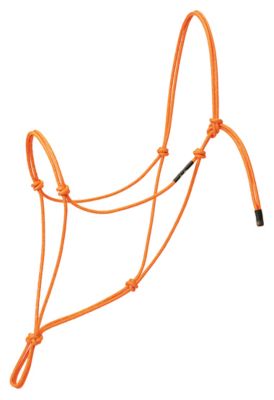
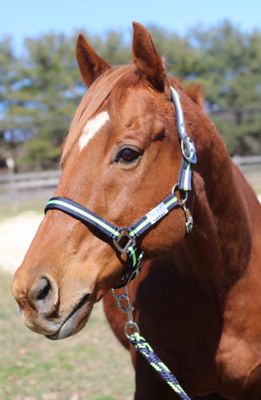
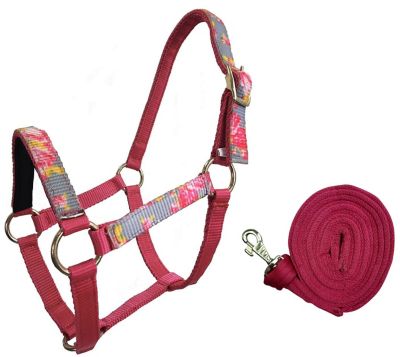
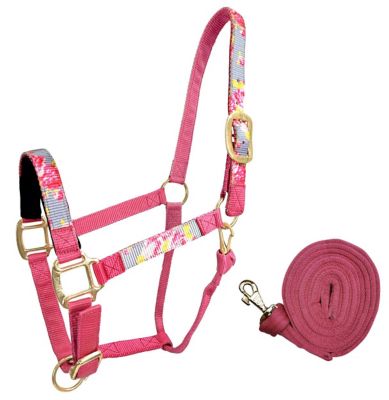
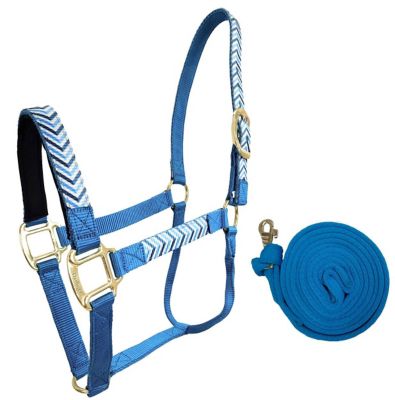
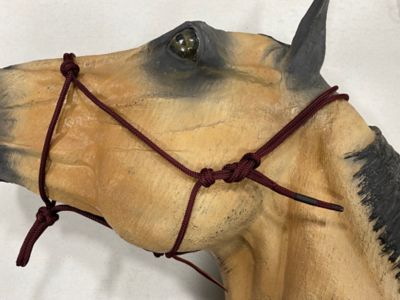
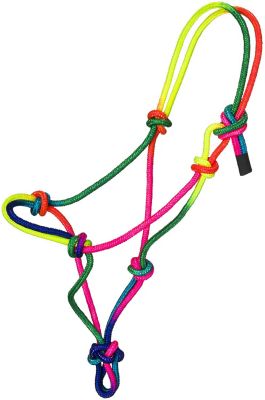
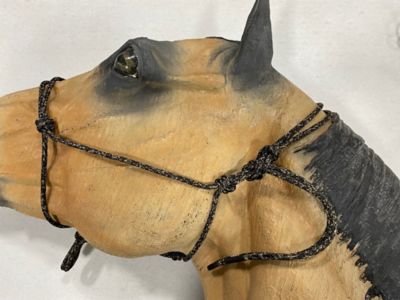
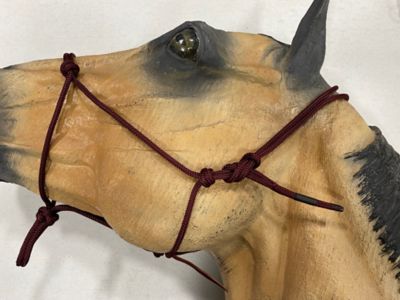
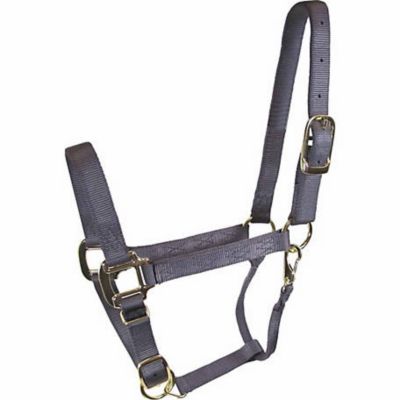
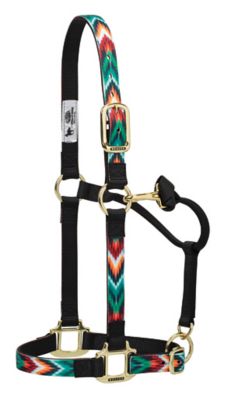
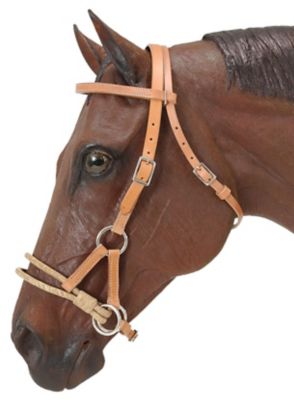
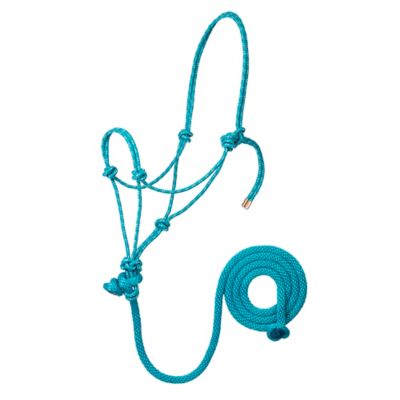
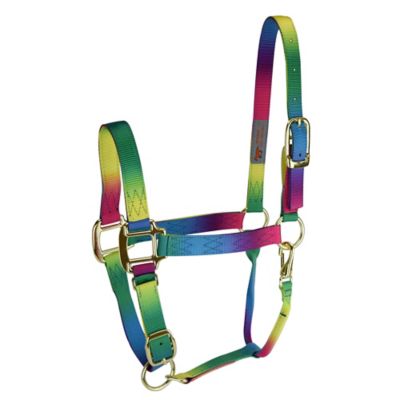
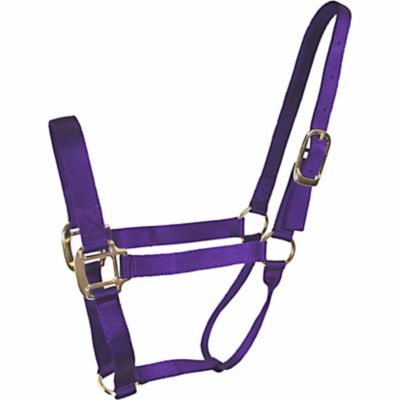
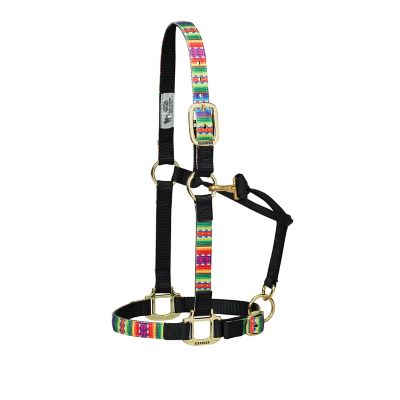
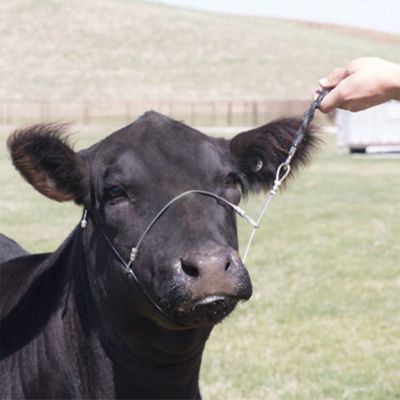
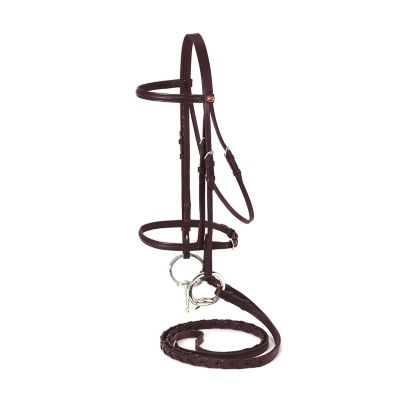
Rope halters for horses earn their place in the tack room by keeping everyday handling simple, whether the day starts with bringing a horse in from the pasture or leading one down the barn aisle for grooming. Their straightforward construction leaves little between your hand, the lead rope and the horse, which is part of their appeal for groundwork and routine chores. Instead of broad straps and a series of buckles, a rope halter generally has a knotted framework and a crown section that ties in place. That design can feel light on the horse’s head while giving an experienced handler a clear way to communicate through pressure and release. The feel varies quite a bit, though. A soft, flexible rope rests differently than a firm rope that holds its shape, and a narrow rope concentrates pressure over a smaller area than a wider one. More pressure is not automatically better; the right choice depends on the horse’s sensitivity, level of training and the person holding the lead. For a horse that already leads quietly, comfort and easy handling may matter most. For groundwork, some handlers prefer a more defined feel, paired with light hands and a prompt release when the horse responds. There’s a familiar rhythm to these little barn moments: a horse lowering its head at the gate, standing beside the grooming box or stepping back to give you room at a stall door. A well-fitting halter supports that work without needing to be complicated. Horse owners, trainers, barn staff and families with supervised young riders may all keep rope halters among their everyday supplies, although children and less experienced handlers benefit from help choosing and fitting them. When comparing options, think beyond appearance to how the rope feels in your hands, how easily the crown tie works and whether the overall shape suits the horse. Those details often matter more over a long stretch of barn chores than a color that catches your eye.
Fit deserves a close look because horses with the same general body size can have very different heads. A broad jaw, a fine muzzle or a longer distance from poll to nose can all affect how a rope halter sits. Size labels offer a starting point, but the maker’s measurements and fitting directions are better references than height alone. The noseband should sit on the firm, bony part of the nose rather than down on the softer area near the nostrils, with enough clearance to avoid rubbing or restricting normal movement. Knots and side ropes should stay clear of the eyes, and the crown section should sit comfortably behind the ears. A rope halter that shifts around or hangs too low can interfere with clear handling, while one that is too snug may create constant pressure even when the lead is slack. For smaller equines, browsing
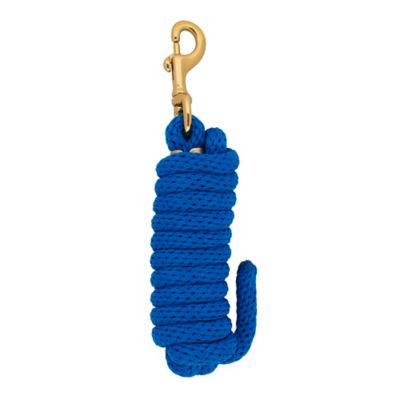
Pony Halters can help narrow the search to more suitable proportions rather than trying to make a full-size halter work. Adjustment has limits, and moving fixed knots without the maker’s direction can change the balance of the whole halter. Material and construction are worth comparing alongside size. Rope fiber, braid, diameter and firmness influence weight, flexibility, moisture absorption and the way a knot holds. Some synthetic ropes absorb less water than natural fibers, but care needs still vary by material and construction. Smoothly finished ends, consistent braiding and securely set knots are useful details to examine. If a lead rope is included, consider its length, weight and attachment style as well; if it is sold separately, check that the connection suits the halter and the work you have in mind. A heavier lead has a different feel from a lighter one, and extra length calls for careful handling rather than loops wrapped around a hand. Color has a practical place, too. In a shared barn, different colors can make each horse’s gear easier to spot, while a brighter shade may be easier to find against dark tack-room shelves.
Rope halters fit especially well into supervised, hands-on horse care, but their simple appearance should not hide an important limitation: many are designed without a breakaway feature. Strong rope can become a serious hazard if it catches on fencing, a latch or another fixed object. For that reason, rope halters are not a good choice for unattended turnout, and they should not be assumed suitable for tying or trailering just because they work well for leading. Those jobs call for equipment chosen specifically for the horse, setting and safety needs, with input from an experienced horse professional when needed. A rope halter is also no substitute for patient training. Its narrower contact points can make a sharp pull uncomfortable, so thoughtful handling matters as much as the purchase itself. Around the barn, the best match is usually the one that fits the horse, feels manageable to the handler and suits a clearly defined job. During the cooler months, that may mean frequent trips between pasture and shelter, grooming sessions to check beneath a thicker coat or groundwork when riding plans change with the weather. Mud, damp hair and grit can collect on any everyday gear, making straightforward care a worthwhile buying consideration. Follow the maker’s cleaning directions, allow the rope to dry before storage and check regularly for fraying, stiff or damaged sections, slipping knots and wear around the lead attachment. Hanging a clean halter where it can air out keeps it ready for the next trip to the gate. For someone buying a gift for a horse owner, a rope halter can be a practical addition, especially when the horse’s measurements and the recipient’s preferred rope feel are already known. Fit-sensitive tack is easier to get right with a little input from the person who handles the horse every day. Whether you’re outfitting a first tack box or replacing gear that has seen its share of early mornings, compare fit, material, construction and intended use together. The aim is everyday equipment that feels right in your hands and helps keep ordinary horse chores calm and consistent.