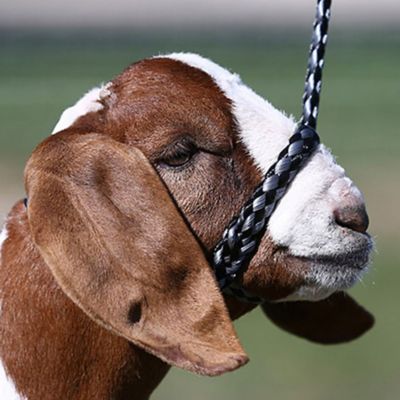
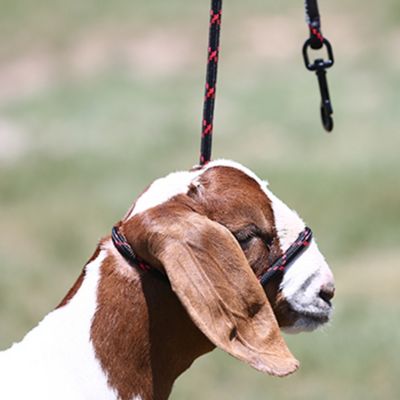
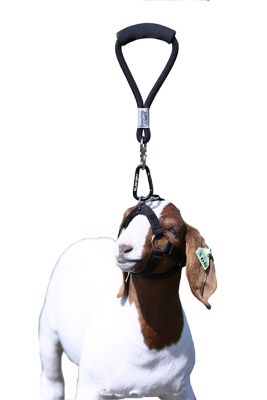
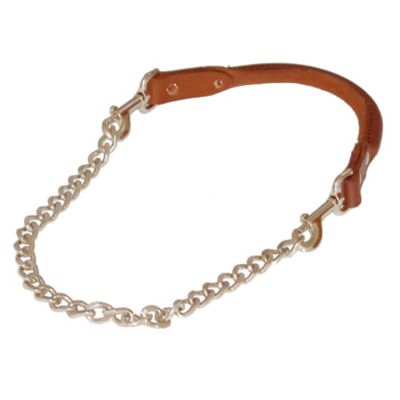
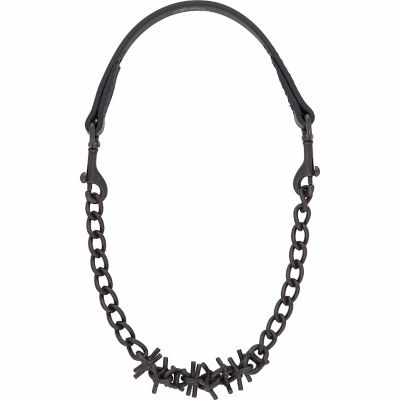
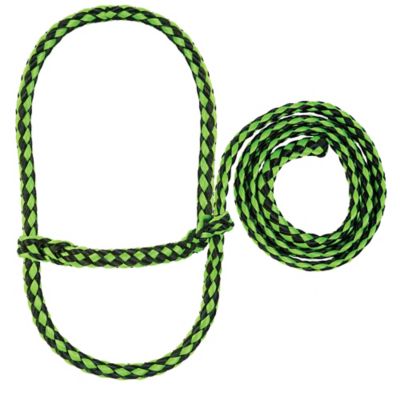
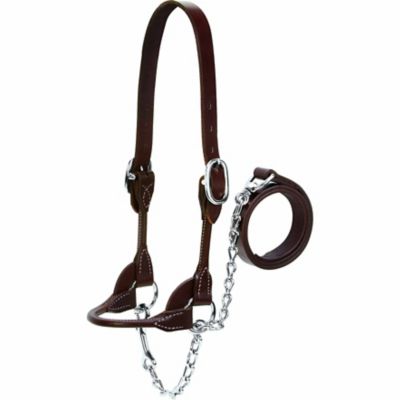
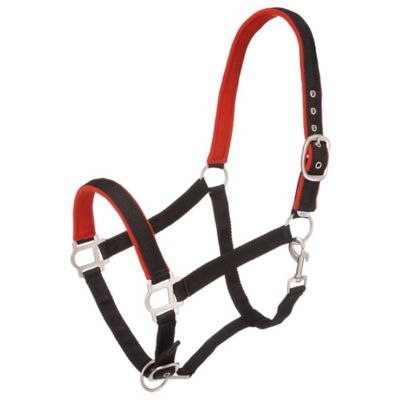
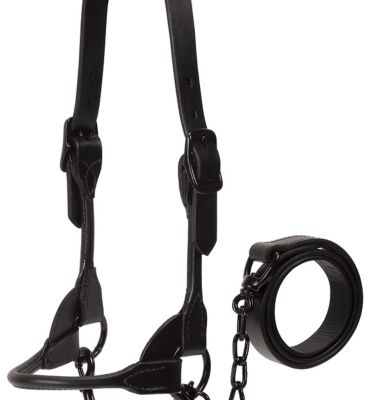
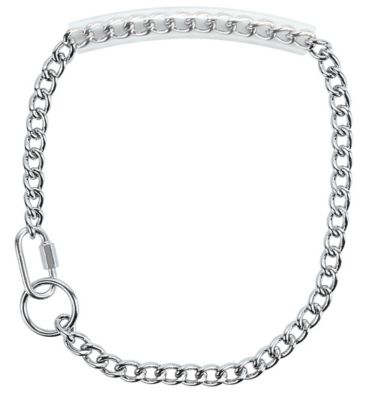
Goat halters are handy tools for leading, training, grooming, showing and handling goats around the farm. A well-fitted halter gives you a steady place to guide an animal without grabbing at its horns, neck or coat, and it can make routine jobs feel calmer for both goat and handler. Small homesteads, 4-H families, hobby farms, dairy operations and livestock show exhibitors may all keep halters on hand. They are useful when a goat needs to walk from the pen to a milking area, step onto a scale, stand for hoof trimming or receive a closer health check. A halter can also help young goats learn to lead before they are asked to travel, attend a show or enter a busy livestock area. For everyday identification or simple management, some owners may also look at
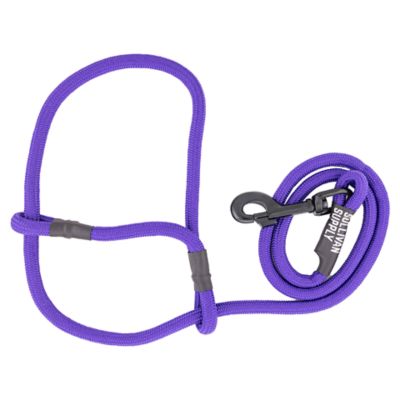
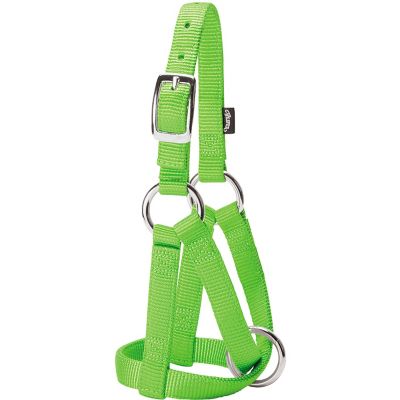
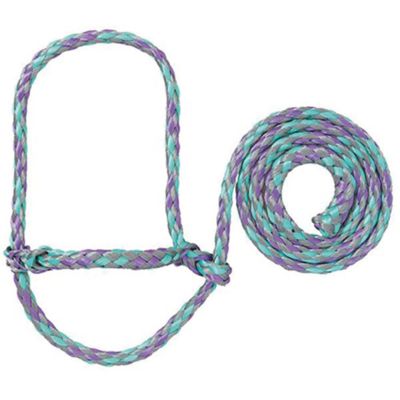
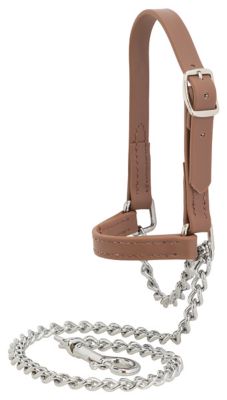
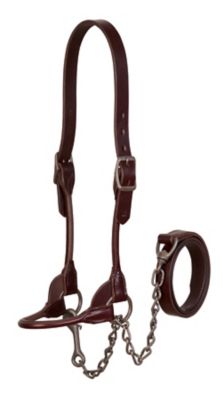
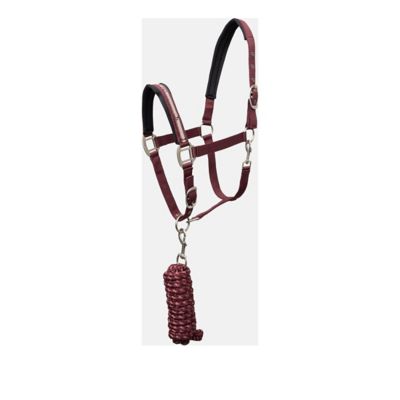
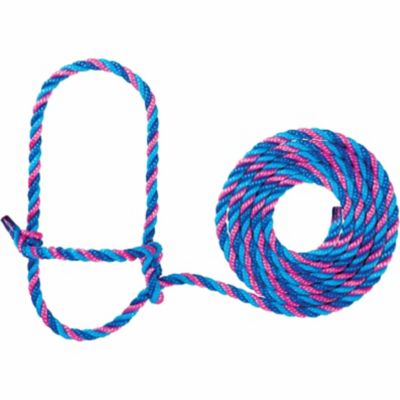
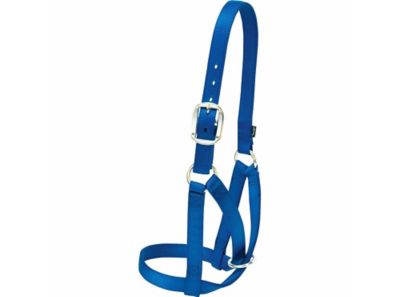
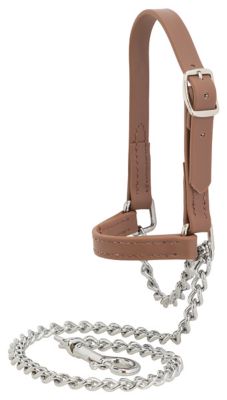
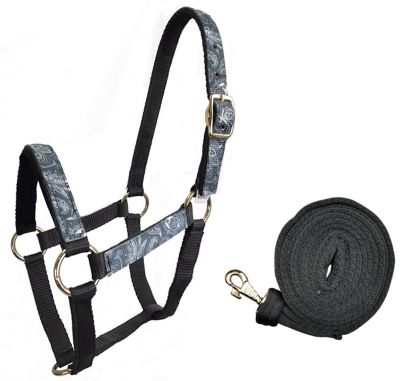
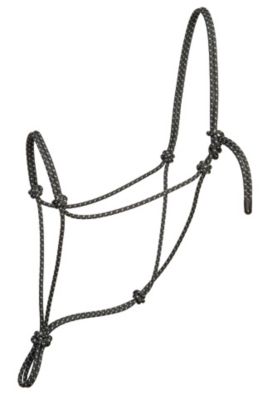
Goat Collars, while a halter is generally chosen when the handler needs to lead or position the goat. When selecting one, start with the goat’s size, age, breed and head shape. A miniature goat kid needs a much different fit than a mature standard-breed wether, doe or buck. Measure carefully and check the maker’s sizing information rather than guessing from the goat’s weight alone. Rope halters are often lightweight, adjustable and easy to keep around the barn, while nylon or web styles are durable, washable and suited to frequent handling. Smooth leather or synthetic materials may offer a neat, finished appearance for exhibitions. The best choice depends on the job, the goat and the handler’s experience, but every halter should be made from sound material with secure hardware, clean stitching or firm knots, and no rough edges that could rub the face.
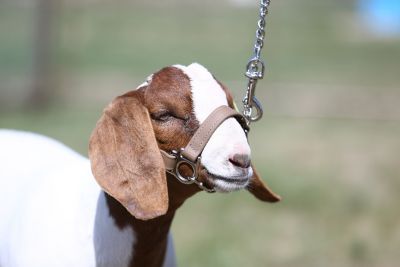
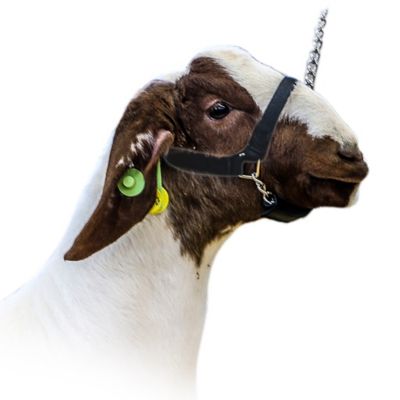
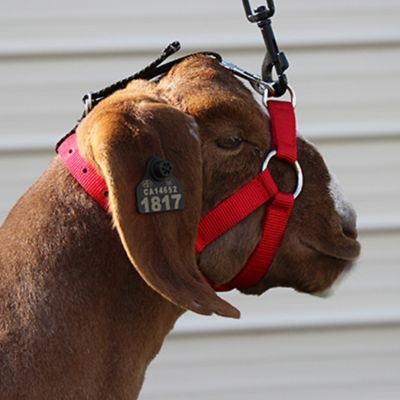
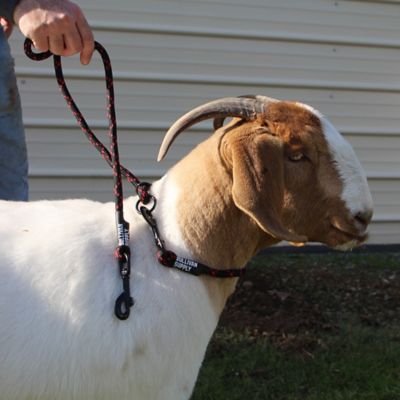
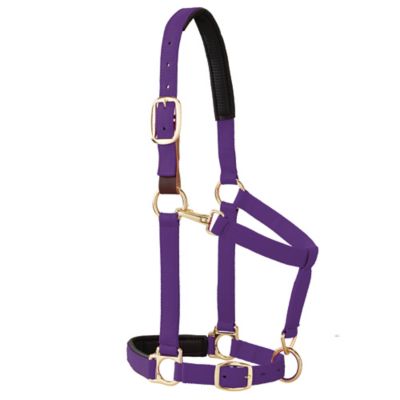
Fit matters more than appearance. The noseband should sit comfortably across the bridge of the nose, below the sensitive area around the eyes and high enough that the halter cannot slide forward over the muzzle. It should not press against the nostrils or make breathing difficult. The cheek pieces should follow the sides of the face without twisting, and the crown strap should rest behind the ears without pulling hard on them. You should be able to slide a finger between the halter and the goat’s skin, but there should not be enough extra room for the goat to back out of it. A halter that is too loose may catch on fencing, feeders or branches, while one that is too tight can cause rubbing and discomfort. Before leading, run your hands over the inside of the halter and inspect every knot, buckle, ring and connection point. Place the halter on slowly, offering a calm voice and a little patience, especially with a young goat that is still learning. Keep ears, horns and hair clear as you guide the halter into position, then attach a lead rope to the proper ring. Begin in a quiet, enclosed area with a few easy steps. Gentle pressure should ask the goat to move, and release should come as soon as the goat follows. Pulling hard can make an animal brace, panic or learn to fight the halter. Short sessions on level ground usually build better habits than one long session. An experienced hand may use a halter during grooming, hoof care, weighing or veterinary work, but a new handler should practice with another adult nearby and keep movements slow. Never leave a haltered goat unattended, turn one loose in a pasture wearing a halter, or tie it where the rope could wrap around a leg, fence post or neck. Tying should be brief, supervised and done only with dependable equipment in a safe location.
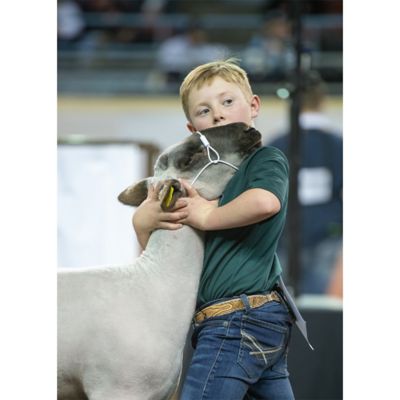
For show families, a halter can be part of the goat’s regular preparation several weeks before an event. Walking, stopping, setting the feet and standing quietly all take repetition, and a familiar halter can help the goat focus when the surroundings are noisy or crowded. A polished-looking style may be selected for the ring, while a simple, easy-clean option may be more practical for chores at home. Keep show or training equipment separate from muddy everyday gear when possible, and wipe away dust, manure and moisture after use. Rope should be allowed to dry fully before storage, and washable materials should be rinsed and checked for mildew, fraying or cracked parts. During the cooler months, a goat’s coat and body condition can change, so check the fit regularly instead of assuming yesterday’s adjustment will remain comfortable. Growing kids may need a new size or more room sooner than expected, and a thick winter coat can change how a halter sits across the cheeks and nose. Halters also make thoughtful gifts for a new goat owner, a young 4-H member, or someone setting up a small farm, especially when paired with practical livestock-care supplies and a little hands-on instruction. Choose a size that matches the recipient’s goats and consider whether the halter will be used for leading, grooming, training or the show ring. A spare halter is useful when the primary one is wet, misplaced or being cleaned, but every halter should be inspected before use. Look for broken fibers, stretched straps, bent rings, loose stitching and damaged buckles, and retire anything that no longer adjusts securely. With the right fit, patient training and regular checks, a goat halter becomes a simple part of good stock handling—helping move animals with less fuss while giving the handler a dependable way to guide them safely.