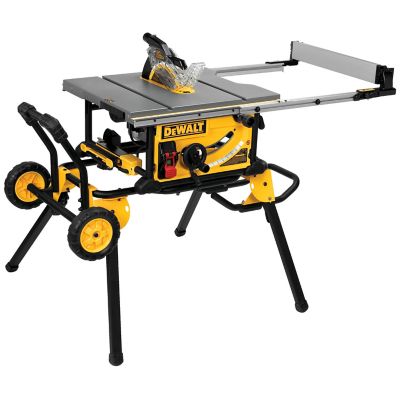
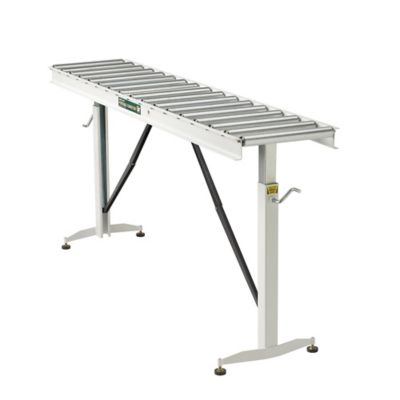
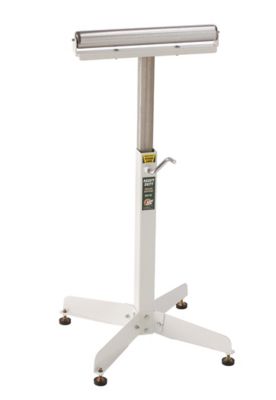
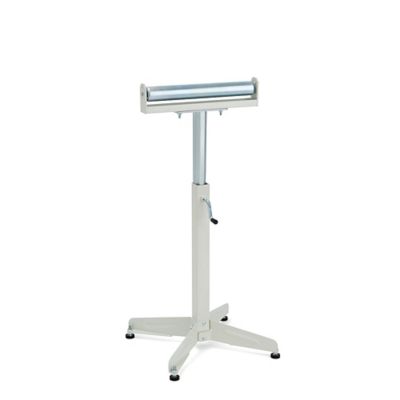
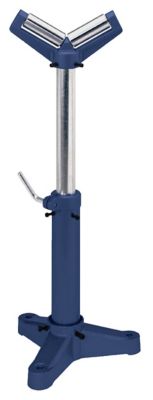
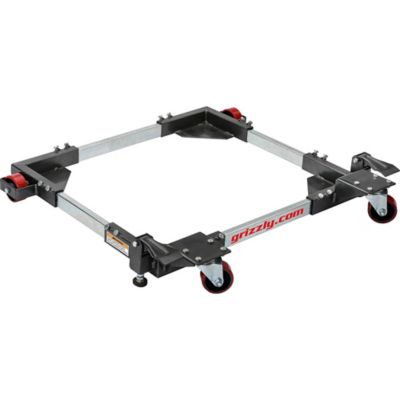
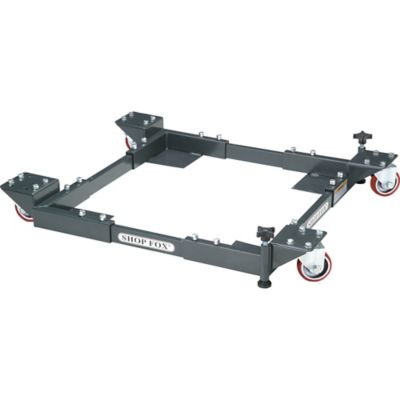
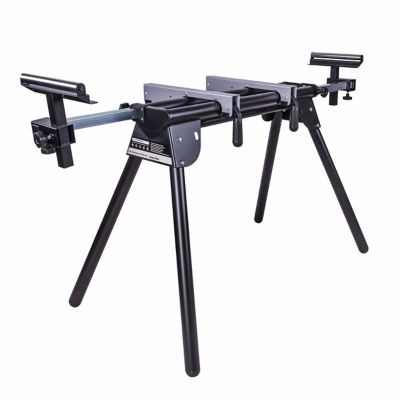
Roller stands for table saws lend a hand with the part of a board that extends beyond the saw table, giving long stock a place to rest as it moves through the cut. That extra support matters when a pine plank starts to sag off the back of a compact saw or a long shelf board puts more leverage on the tabletop than expected. For folks building cabinets, repairing a barn door, or cutting lumber for a workbench, a properly matched stand helps keep the material supported without calling another person over to hold the far end. These stands belong alongside the saw rather than taking the place of its fence, guards, or other safety equipment. Their job is support, not steering, clamping, or catching a falling board. Depending on the work and the equipment manufacturer’s recommendations, support may be needed on the approach side, the exit side, or both. Long, narrow boards and wide panels put different demands on that setup, so the width of the support head deserves as much attention as its height. A single roller can suit straight travel along a board’s length, while other head designs offer a different contact surface or allow movement in more than one direction. Large sheets may call for a broader support arrangement than one stand can provide. Picture the difference between trimming a narrow cabinet rail and handling a sheet of plywood: the weight, balance, and room needed around the saw change considerably. That is why roller stands make sense for both small home shops and farm workshops, where one space might handle shelving lumber one day and boards for a feed-room repair the next. They provide support where a fixed bench or outfeed table may not fit, particularly when the saw must share floor space with other tools. The best match starts with the material being cut and the space around the machine, not simply the size of the stand.
Construction and adjustment details tell a lot about how a roller stand will fit into everyday shop work. Steel tubing is common in frames, with painted or powder-coated surfaces helping protect the metal from everyday exposure. The joints, braces, feet, and height-locking mechanism all contribute to a steady setup. A wide base can offer a firmer stance, although its legs also need enough clearance to stay out of the operator’s walking path and away from the saw’s own base. Rubber or other nonslip feet can help on suitable floors, but no foot design makes an uneven, slippery, or cluttered surface appropriate for operating a table saw. Height range is another practical consideration. A stand that suits a benchtop saw on a workbench may not reach the working height of a different saw setup, and the lowest setting matters just as much as the highest. The support head needs to adjust to the position specified by the equipment instructions, without lifting the workpiece away from the saw table or leaving it unsupported. Locking knobs, pins, and adjustment handles should hold their settings securely and remain accessible once the stand is in position. Roller width, roller diameter, and free movement also affect how a board travels across the support. A smooth, clean contact surface is especially helpful with sanded shelving or cabinet parts that need to stay free of scratches and stray marks. Published load ratings deserve a close look, including any conditions attached to them; they do not mean a stand can handle dropped lumber, sideways pressure, or every possible arrangement of stock. For shops that move equipment between work areas, folding frames and manageable carrying weight can make setup and storage less of a chore. A heavier frame may suit a more permanent station, while a compact folding design can tuck beside a bench when floor space needs to serve another purpose.
Care is mostly a matter of keeping the stand clean, checking its moving parts, and storing it where the frame and roller head will not get knocked out of alignment. Sawdust packed around an adjustment collar can make height changes harder, while a buildup of pitch or grit on the roller can interfere with smooth movement and mark the wood. Cleaning methods and any lubrication should follow the manufacturer’s directions, especially around bearings, bushings, and coated surfaces. Fasteners, folding joints, locking hardware, and feet deserve regular inspection, along with the roller itself. A bent head, loose brace, or slipping height adjustment is a reason to take the stand out of service until the problem is addressed. Folding stands should be fully opened and secured before supporting material, then stored so they cannot fall into a walkway or against a cutting tool. Those straightforward habits help protect the equipment and keep the next project from starting with a wrestling match over a sticky adjustment. Roller stands can earn their place with hobby woodworkers, property owners, maintenance crews, and anyone regularly handling boards longer than a saw table. They can also make a thoughtful gift for someone outfitting a workshop, provided the recipient’s saw height, workspace, and usual lumber sizes are known. For projects that involve both table-saw work and cuts with a compatible handheld saw,
Saw Guides address another part of the setup by helping establish a cutting path; a roller stand serves the separate purpose of supporting material. Keeping those roles clear makes it easier to choose accessories that work together without expecting one piece of equipment to do everything. Whether the next job is a row of pantry shelves or replacement boards for a shop cabinet, a well-matched roller stand adds support where a long workpiece needs it, while leaving room for careful positioning and control.