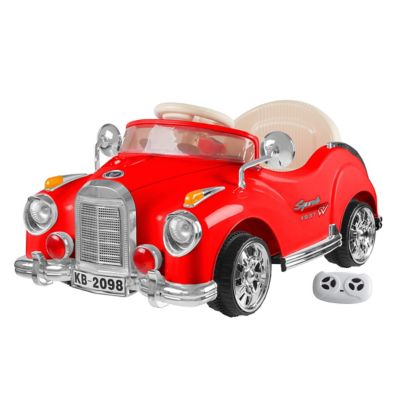
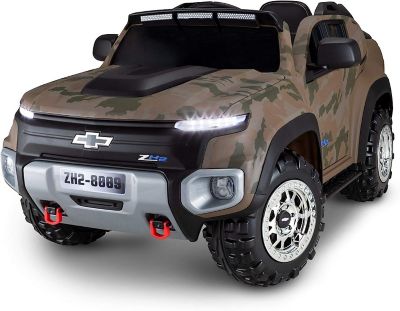
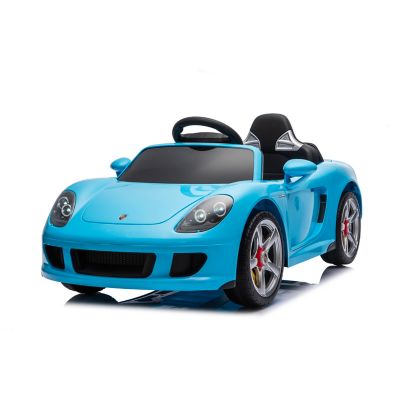
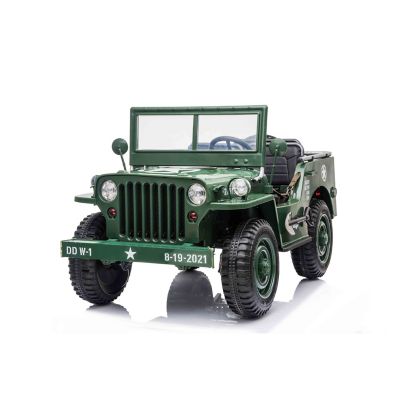
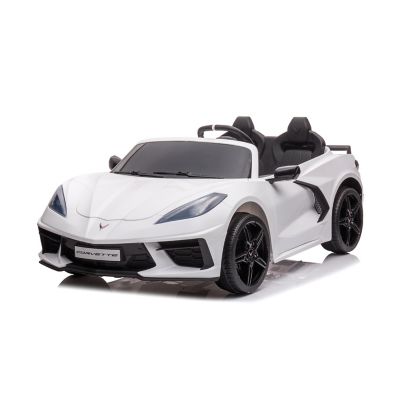
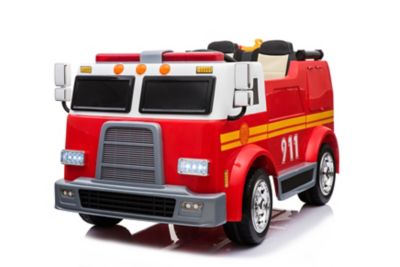
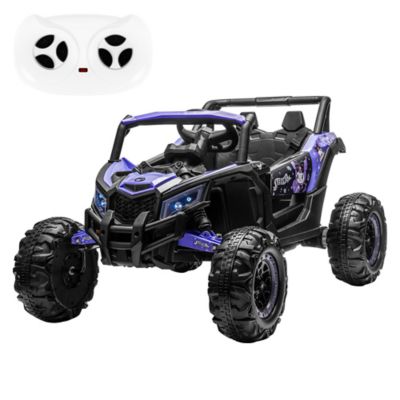
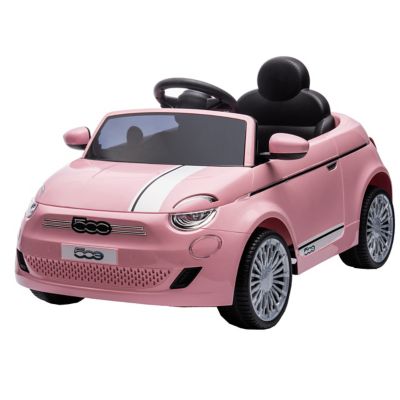
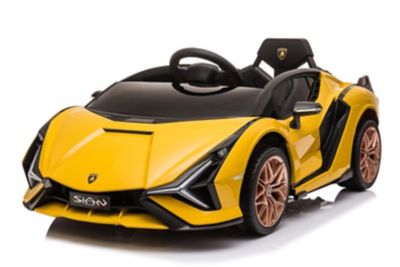
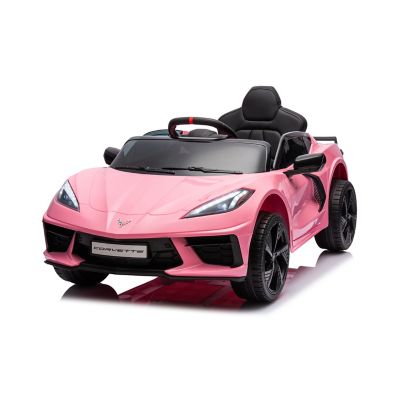
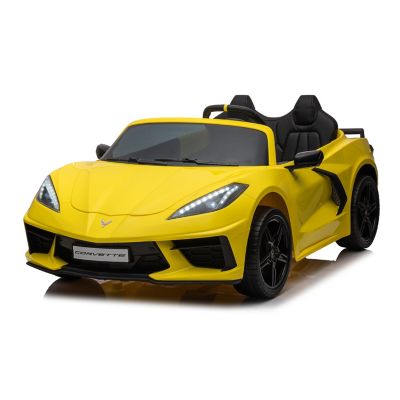
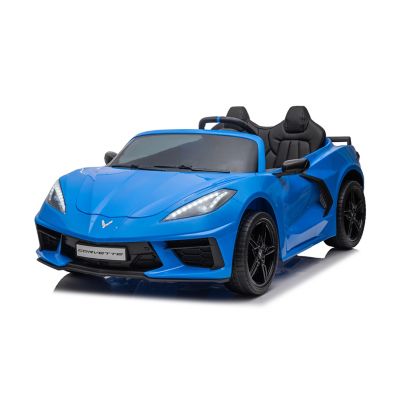
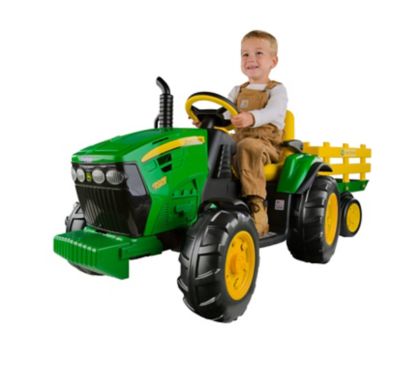
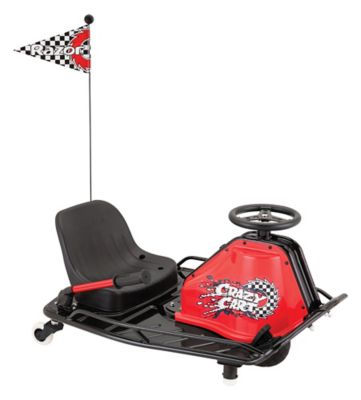
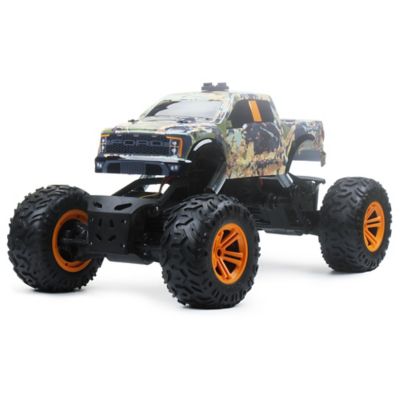
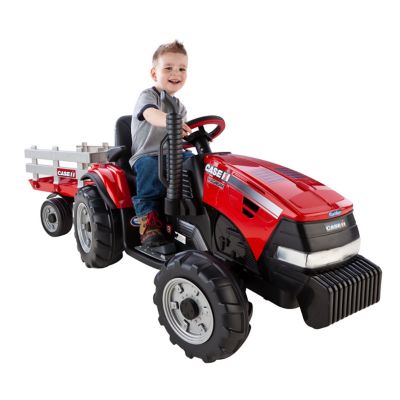
Ride-on cars with remote control are battery-powered children’s vehicles that let an adult manage movement from a handheld controller while a child sits behind the wheel. Depending on the model, that controller may handle steering, forward and reverse travel, speed settings, and a stop function. Many remote control ride-on cars also have a manual driving mode with a steering wheel and foot pedal, giving children a chance to practice starting, turning, and stopping when they’re ready and within the manufacturer’s age recommendations. The appeal is easy to picture: a little driver making a pretend trip to the feed store, pulling up beside the porch, or carefully following a parent along a clear stretch of paved driveway. Adult control adds another way to manage play, but it doesn’t replace close supervision or make every riding area suitable. A remote’s operating range, connection behavior, and ability to override the pedal vary by vehicle, so those details matter more than simply seeing a remote pictured beside the car. Some models have selectable speeds or a gradual-start feature that helps reduce abrupt acceleration. Seat belts, secure seating, and properly latched doors, where fitted, are also worth noting, though these toys are not built to protect riders in traffic or collisions. Fit starts with the stated age range and weight limit, then comes down to the seat dimensions, legroom, and the child’s ability to sit comfortably and reach the controls in manual mode. A two-seat appearance doesn’t necessarily mean a vehicle is approved for two passengers; the seating instructions and total rider capacity settle that. For a birthday gift or a grandparent’s play area, a car that matches the child’s size and the space available makes more sense than one chosen only for its looks. Even with adult steering, children need a clear riding area away from roads, parked equipment, livestock, water, steps, and steep slopes.
The way a ride-on car is put together affects how it feels, where it can travel, and how much attention it needs between play sessions. Molded plastic bodies are common, while frame construction, wheel materials, axle assemblies, and suspension vary. Plastic wheels can feel quite different from foam or rubber-tread wheels, particularly when turning on pavement or crossing small surface changes. Suspension may soften some bumps, but a truck-shaped body or tall-looking tires don’t automatically make a children’s vehicle suitable for gravel, ruts, or pasture ground. The manufacturer’s approved surfaces are the best reference for intended use. A smooth, level, enclosed play area is a much different setting from a farm lane with loose stones and equipment traffic. Battery voltage is another useful comparison point: 12V and 24V describe the electrical system, not a guaranteed speed, run time, or ability to climb. Families considering
12V Ride On Toys can keep the focus on that battery class while comparing the vehicle’s stated speed, rider limits, and operating features. Motor design, gearing, battery capacity, rider weight, surface resistance, and stop-and-start driving all influence performance. A heavier rider traveling over an approved grassy surface may get a different play time than a lighter rider traveling on smooth pavement. Published run-time estimates need that context, and a larger voltage number alone doesn’t settle the comparison. Charging requirements also deserve a place in the decision, especially when a child hopes to ride again after lunch. Recharge time may be much longer than play time, and the charger must match the battery and vehicle specifications. Battery access, charging-port placement, and any separate batteries needed for the remote affect everyday convenience. Charging and electrical connections belong with an adult, following the manufacturer’s directions. A practical setup includes a suitable charging location, room to park the car without blocking a walkway, and a place to keep the controller and charger together so they’re easy to find before the next ride.
Beyond the basics, parent-controlled ride-on cars offer plenty of small touches that make pretend driving feel like a real outing. Working headlights, horn buttons, dashboard sounds, and built-in music may be offered, while some vehicles have audio connections for playing favorite songs. Opening doors, realistic steering wheels, and vehicle-style seating can add to the fun without changing the toy’s riding limits. Those features are most enjoyable when they suit the child: an easy-to-reach horn button can be a bigger hit than a crowded dashboard, and comfortable seating matters more during a longer loop around the play area than extra trim. A child who likes farm trucks may enjoy pretending to check fence lines, while another might prefer cruising to an imaginary grocery store and parking neatly at the finish. Any pretend cargo needs to stay within the vehicle’s instructions and load limits, rather than turning the toy into a working hauler. For gift giving, the complete footprint matters as much as the body style. Overall length and width affect storage, doorway clearance, and turning room, while assembly requirements determine what needs to happen before the first ride. Some assembly and charging may be necessary, so a wrapped box and a ready-to-drive present are not always the same thing. Keeping the car in good shape is mostly about simple, consistent care: following the cleaning directions, checking wheels and fasteners, inspecting the seat belt, and keeping charging connections free of dirt. Gentle wiping is generally more appropriate than spraying or soaking electrical parts, with the owner’s manual setting the cleaning limits. Cracks, loose steering parts, frayed wiring, or a damaged charger call for stopping play until the problem is addressed. Storage and longer breaks from riding should also follow the battery-care instructions, since rechargeable batteries need attention even when the car is parked. With a good fit, sensible riding space, and an adult nearby, these little vehicles give children room to enjoy pretend errands and practice basic steering while keeping play close to home.