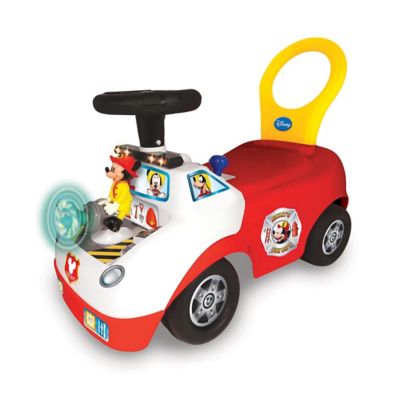
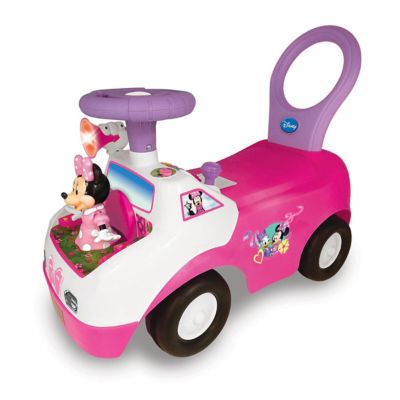
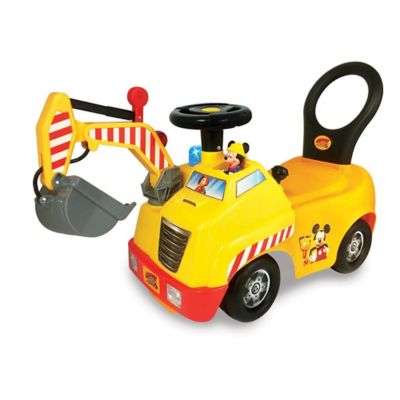
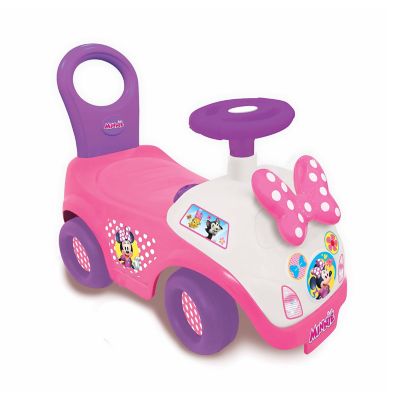
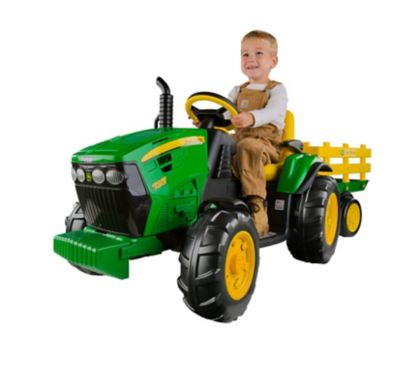
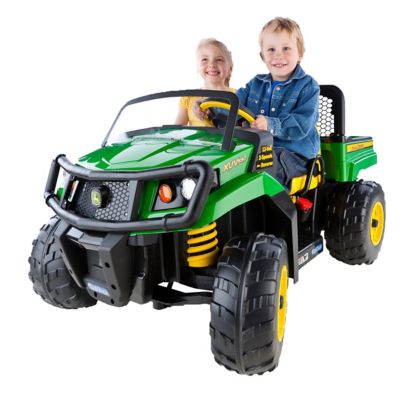
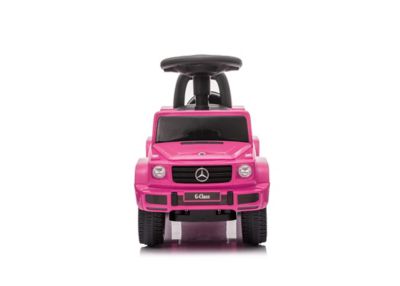
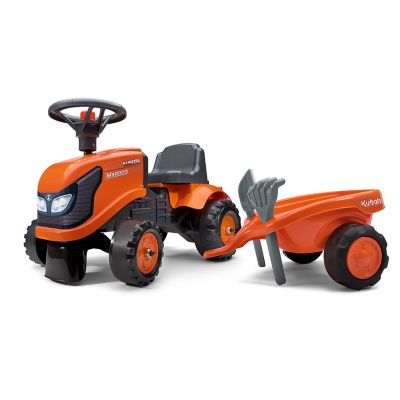
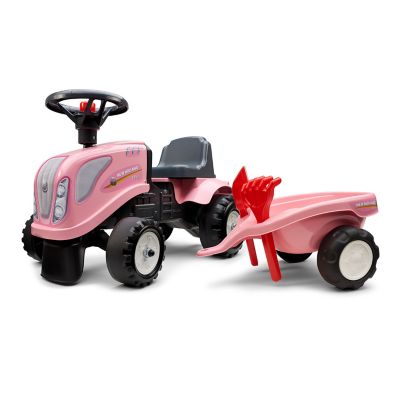
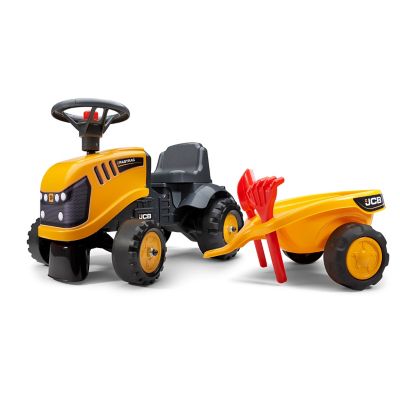
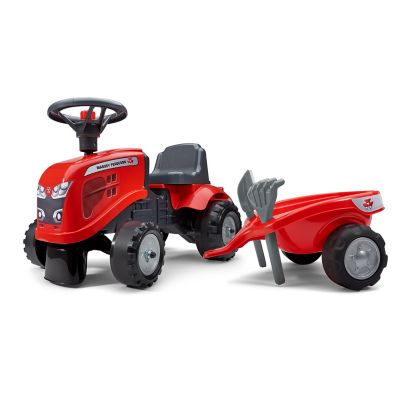
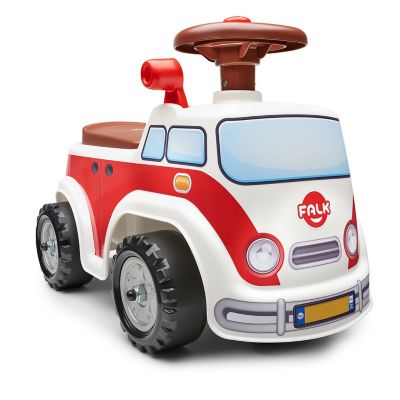
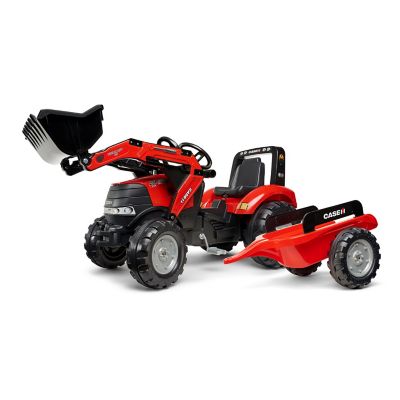
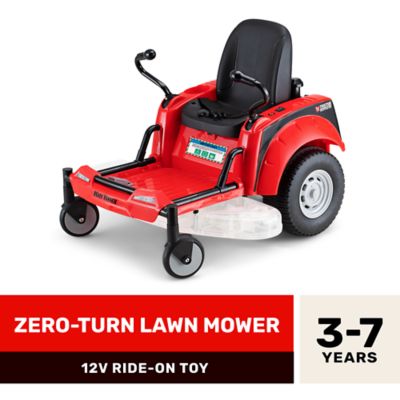
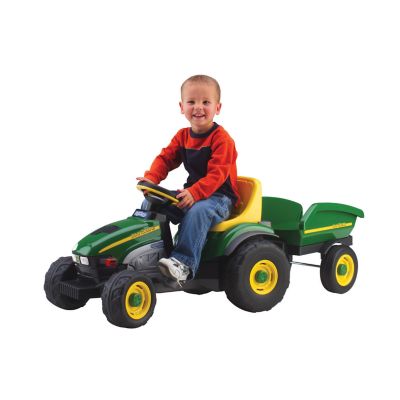
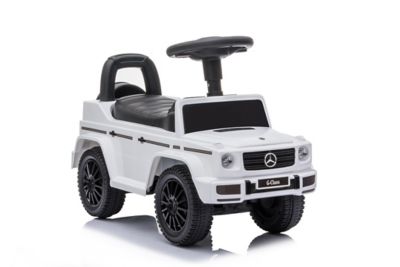
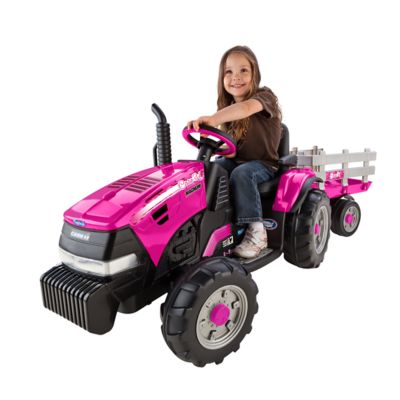
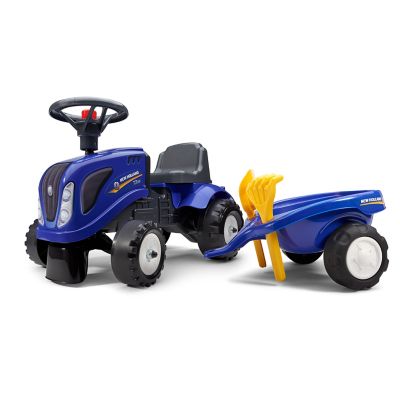
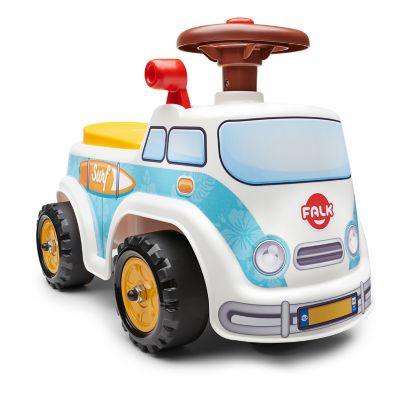
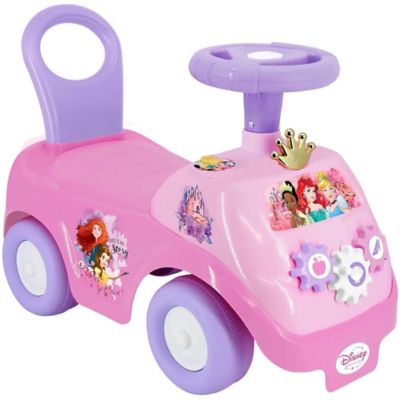
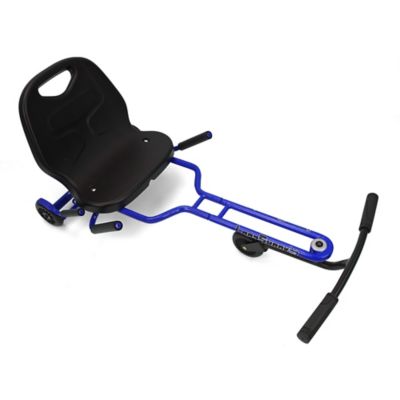
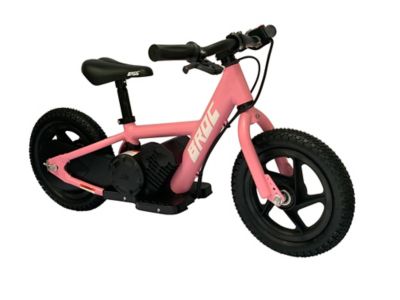
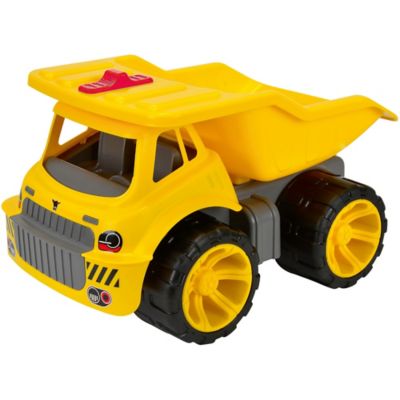
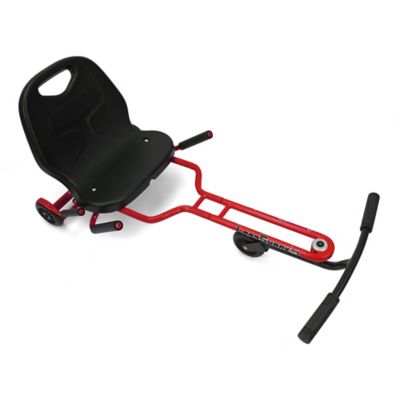
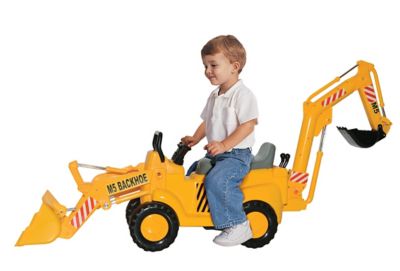
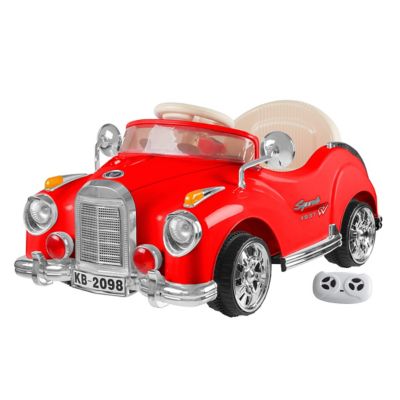
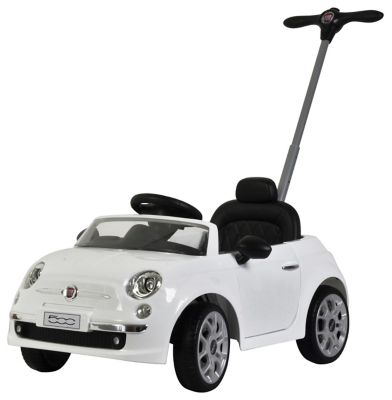
Indoor ride-on toys give little ones a seat of their own and a way to put busy legs to work around the house. This category includes foot-to-floor riders, small pedal toys, rocking toys, rolling animal shapes and inflatable hoppers, with each style offering a different kind of movement. Foot-to-floor ride-ons move when a child pushes against the floor with their feet, making them a practical starting point for children learning to scoot, steer and stop. Pedal styles call for more coordination and enough room to complete a turn without bumping furniture. Rockers stay within a smaller play area, though they still need clearance at both ends, while hoppers let children bounce in place or move short distances when their age and abilities match the toy’s directions. Some designs change from a rocker to a wheeled rider, but each setup can have its own age range and assembly requirements. Pretend steering wheels, simple activity panels and animal shapes add another layer of play without needing a big production. A child might make a pretend feed delivery to a stuffed horse, park beside a toy barn or take a slow lap around an open playroom. Those small routines offer practice with coordination, balance and judging space, though no toy takes the place of close adult supervision. The best match depends less on an attention-grabbing shape than on how the child moves and where the riding will happen. A compact scooting toy may suit a clear section of a family room, while a pedal rider generally needs a longer route and wider turns. Indoor ride-on toys belong on level surfaces approved by the manufacturer, away from stairs, open exterior doors, fireplaces and other hazards. A clear riding space matters just as much as the toy itself: loose rugs, scattered blocks and dangling cords can interrupt an otherwise easy trip across the room.
Fit is one of the biggest considerations when comparing indoor ride-on toys for toddlers and young children. Start with the manufacturer’s recommended age, weight limit and developmental requirements, then look at seat height, handle position and the space around the child’s knees. On a foot-to-floor rider, the child should be able to reach the floor as directed and push without stretching or sliding forward off the seat. Pedal riders need a comfortable reach through the full pedal rotation, not just when one pedal is closest. Handles should be within easy reach while the child sits in the intended position. A toy bought with too much growing room can be awkward to control, even if the child falls below its weight limit. A low seat and broad wheelbase can help support stability, but they do not eliminate the chance of a tip, especially during sharp turns or rough play. Steering range also makes a difference in tight rooms. Swiveling wheels can make direction changes easier, yet their freer movement may call for more control than a beginning rider has. Floor compatibility deserves a close look before any laps begin. Smooth hard floors, low-pile carpet and thicker rugs create different levels of resistance; a rider that rolls freely on one surface may be difficult to move on another. Wheel material alone does not establish whether a toy will protect a floor. Check for manufacturer guidance on indoor surfaces and nonmarking wheels, and keep wheels free of grit that could leave scratches. Measure doorways and the intended play area, allowing space for turning, getting on and stepping off. For homes where toys share space with everyday chores, the rider’s overall width and a parking spot out of the walkway matter, too. A simple rule such as riding only between the play mat and the empty wall helps give playtime a clear boundary. Unless the toy is specifically designed for more than one rider, siblings should take turns rather than squeeze onto the same seat.
Materials and construction affect how an indoor ride-on feels, how it handles regular play and how much cleanup it needs afterward. Molded plastic bodies often have smooth surfaces that are straightforward to wipe down, while wood designs may feature sealed finishes that need gentle cleaning and protection from standing moisture. Metal frames can provide a firm supporting structure, with joints and fasteners worth checking according to the care instructions. Plush-covered riders bring a softer feel, but fabric covers may require spot cleaning rather than a trip through the washing machine. Inflatable hoppers need the specified inflation level and a play area clear of sharp edges; adding extra air is not a substitute for following the stated size or weight limits. Across these styles, look for smoothly finished edges, secure handholds and parts that stay firmly attached. Inspect wheels, axles, rocker bases and steering connections regularly, and pause play if a part cracks, loosens or stops working as intended. Cleaning should follow the material-specific directions, with surfaces dry before the next ride. Toys with lights or sounds also need securely closed battery compartments, and any charging should follow the manufacturer’s instructions under adult control. Indoor ride-on toys can make thoughtful birthday gifts for children who enjoy movement and pretend play, especially when the giver checks the child’s size, abilities and home layout with a parent or caregiver first. A grandparent setting aside a play corner may value easy storage and simple wipe-down care, while a household with several young children may put more weight on clear rider limits and a design that is easy to inspect between turns. Families planning a separate play space beyond the house can also explore
Outdoor Play Toys, keeping each toy within its stated setting and purpose. Indoors, a well-fitting rider, a clear patch of floor and a nearby grown-up leave plenty of room for little pretend chores and another trip back to the toy barn.