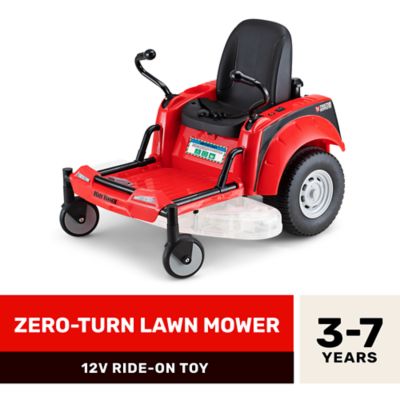
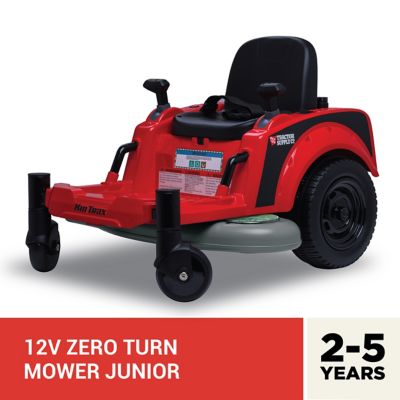
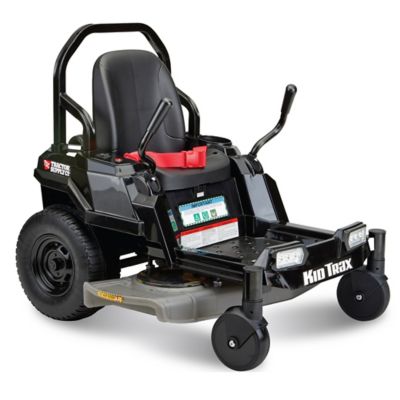
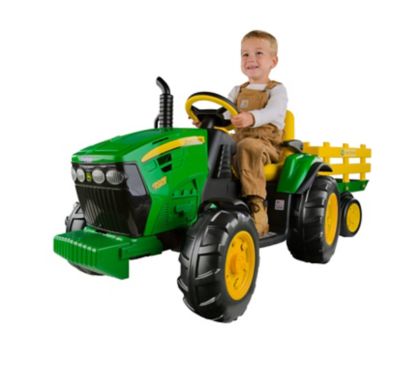
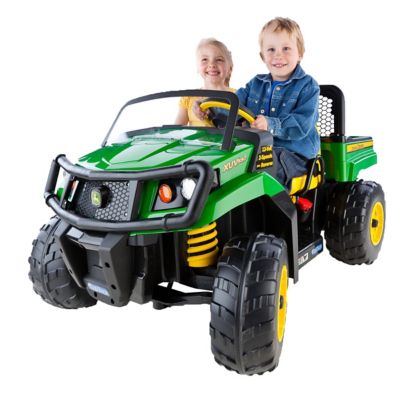
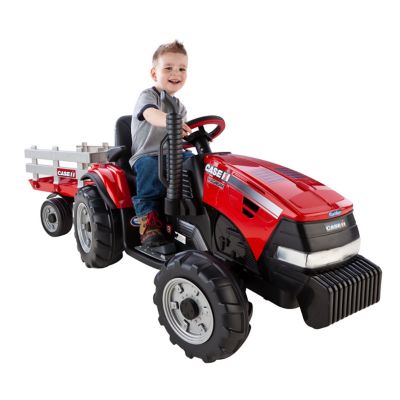
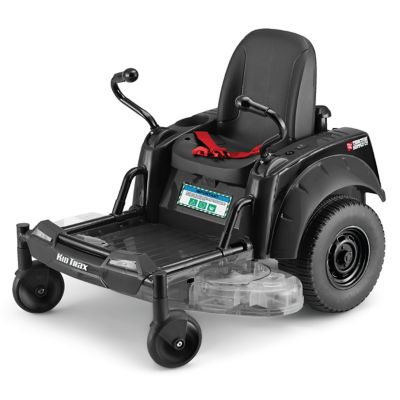
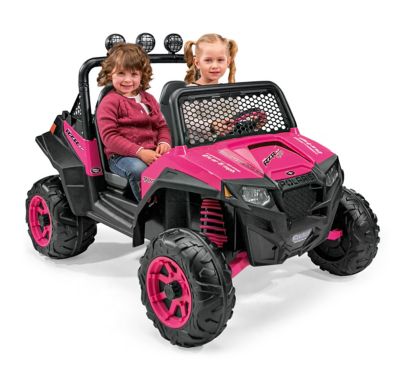
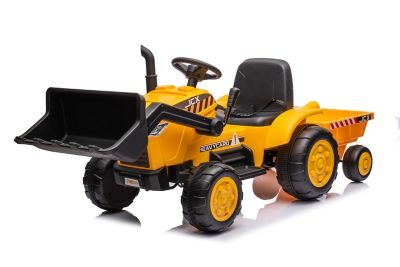
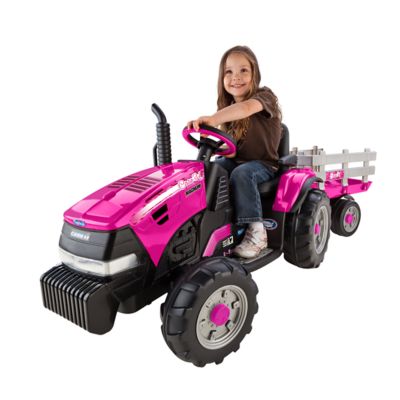
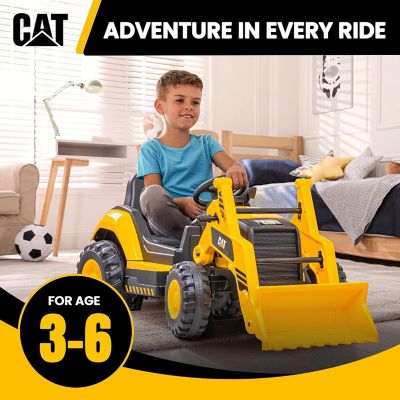
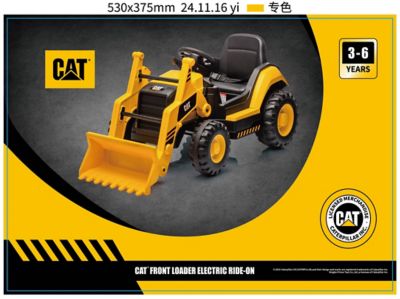
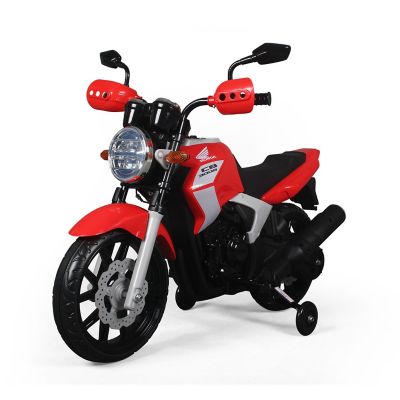
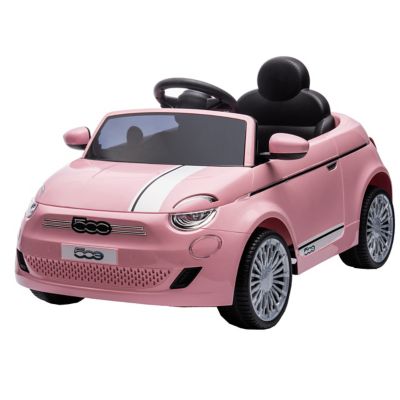
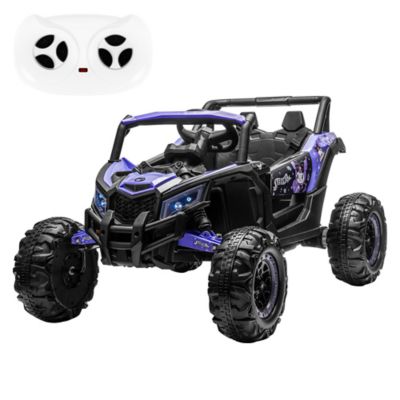
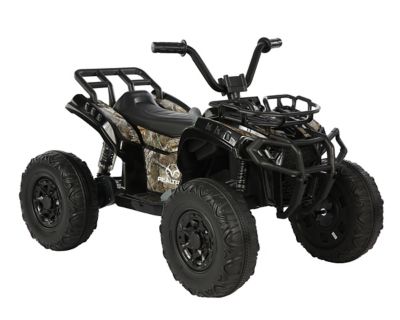
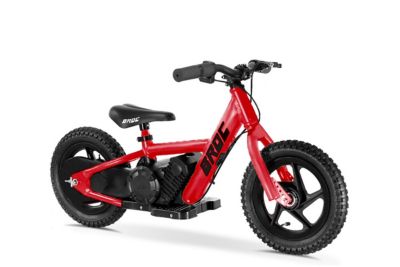
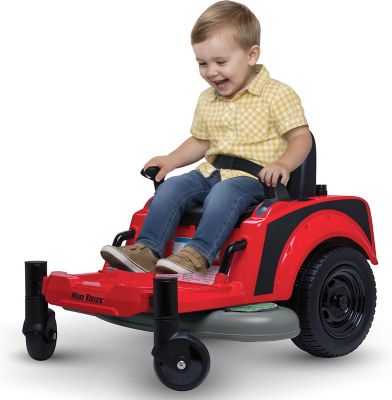
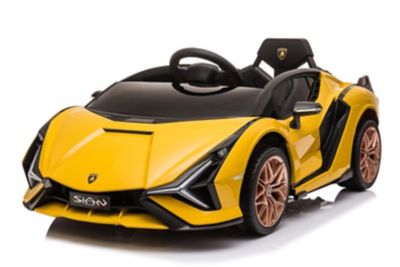
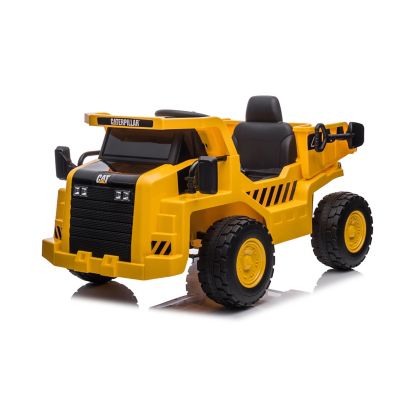
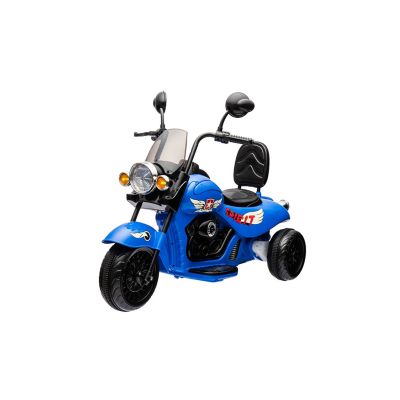
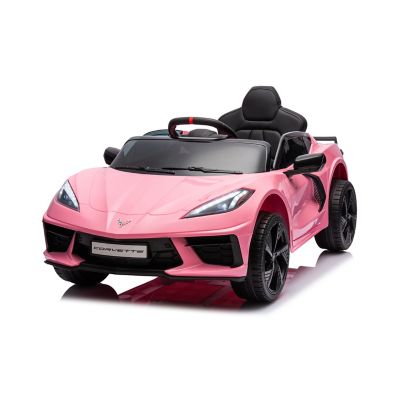
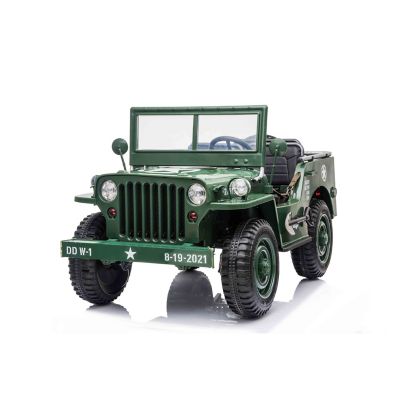
12V ride-on toys are battery-powered vehicles that let kids take the wheel of a child-sized car, truck, tractor, or utility-style ride. A rechargeable 12-volt battery supplies power to the motor, while controls such as a foot pedal, steering wheel, and forward-and-reverse selector help young drivers get moving. Many models travel at roughly 2.5 to 5 mph, though speed settings, rider weight, terrain, and the vehicle’s design all affect performance. The 12V rating describes the battery system, not a guaranteed speed, run time, or ability to handle rough ground. These toys often appeal to preschool and early elementary-age children who enjoy pretending to drive to the barn, make a delivery, or take a little trip around the yard. The manufacturer’s age recommendation remains important because two vehicles with the same battery voltage can differ quite a bit in size and controls. Molded plastic bodies keep the familiar shapes of full-size vehicles manageable for play, while frame construction, axle supports, and wheel materials affect how each ride feels under a child’s weight. Plastic wheels, traction bands, and other tire designs behave differently on pavement, packed dirt, and short grass, so the approved riding surface matters as much as the look of the vehicle. A truck-shaped toy may have an outdoorsy appearance without being intended for deep ruts, loose gravel, or steep slopes. Level, enclosed riding areas away from roads, driveways with moving vehicles, ponds, and farm equipment give children room to practice without mixing play with real traffic or chores. Features such as working lights, horns, opening doors, or pretend engine sounds can add to the fun when included. Tractor-style shapes and small cargo beds bring familiar country-life details into make-believe, but any storage space still has its own load limit and is not an extra passenger seat.
A comfortable fit helps a child enjoy a 12-volt ride-on without stretching for the controls or sitting cramped behind the wheel. Seat width, legroom, steering-wheel position, and pedal reach all matter, especially when a toy is a birthday gift or something a grandparent keeps for visits. Age alone does not tell the whole story: children of the same age can differ in height, coordination, and readiness to steer and stop. The listed rider weight limit needs to match the intended passenger, and a two-seat design needs enough room and rated capacity for both children together. A wide bench seat does not automatically mean two riders are permitted. Adjustable seating, where offered, can help with positioning, but it does not replace the manufacturer’s size and age limits. For a child still learning the connection between the pedal and movement, slower speed settings and gradual acceleration can make practice less abrupt. Remote-control capability is another feature families may consider, particularly when an adult needs to help with direction or stop the vehicle.
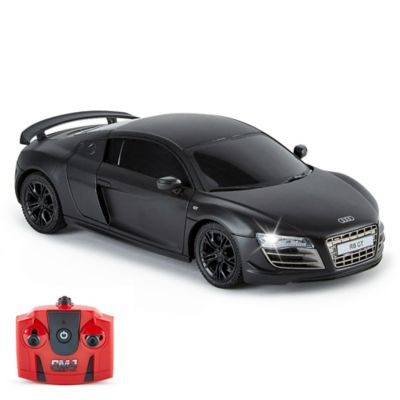
Ride On Cars With Remote bring that feature into focus, though steering, speed selection, braking, pairing, and control range differ by model. A remote is an added control, not a substitute for an adult staying close and watching the ride. Clear sightlines matter more than a long advertised signal range, and a remote should never be treated as protection against traffic or other hazards. Properly fitted helmets, closed-toe shoes, and any restraints supplied with the vehicle support safer play when worn according to the instructions. A simple route with broad turns is easier for a beginner than a tight path between porch posts or parked equipment. Children also need enough clear space to learn how their particular vehicle slows and stops. Younger siblings, pets, and bystanders belong outside the riding path, even when the vehicle is moving at its lowest setting.
Battery care and everyday upkeep make a difference in how a 12V ride-on fits into family playtime. Run time varies with battery capacity, motor demand, speed, passenger weight, and riding surface; a toy carrying a larger child across grass generally asks more of its battery than the same vehicle rolling over a smooth, level surface. Voltage alone cannot tell a family how long a charge will last, and charging time is a separate specification worth noting. The charger needs to be the one supplied or expressly approved for that vehicle and battery, rather than another charger that happens to fit the connector. Charging belongs in an adult-managed space, following the stated charging schedule and disconnecting the equipment as directed. Battery type matters, too, since storage and charging requirements can differ between systems. A designated parking spot helps keep the vehicle out of walkways and gives the charger cord a place away from little feet. Storage space should account for the toy’s full length and width, including mirrors, bumpers, and any attached trailer. For routine care, a soft cloth and the cleaning method recommended in the manual help remove dust and dirt without forcing water into switches, motors, or battery connections. Wheel areas can collect string, grass, and small debris, while steering parts, fasteners, and electrical connections need periodic attention according to the maintenance instructions. Cracked body panels, loose wheels, frayed wiring, or a damaged battery are reasons to stop play until the problem is addressed. Replacement batteries and other parts need to match the vehicle’s specified requirements; increasing voltage or bypassing controls changes how the toy operates and can create hazards. For gifting, the most useful match is one that suits the child and the place it will actually be ridden. A compact car may fit a small enclosed play area, while a larger tractor-style ride needs more turning room and storage space. Familiar shapes, manageable controls, and room to sit comfortably help turn a battery-powered toy into a favorite part of everyday pretend play.