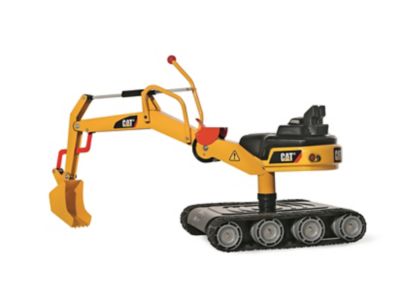
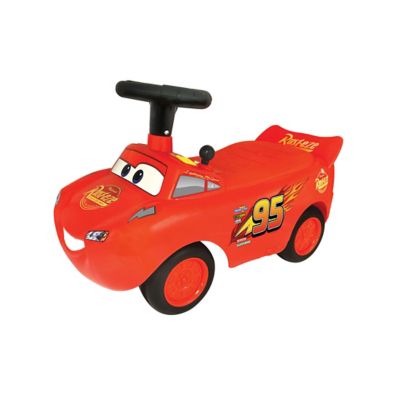
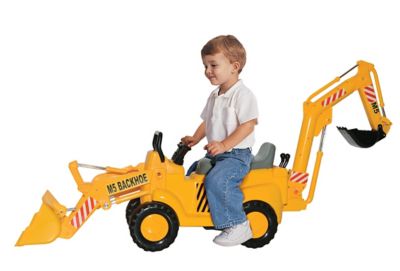
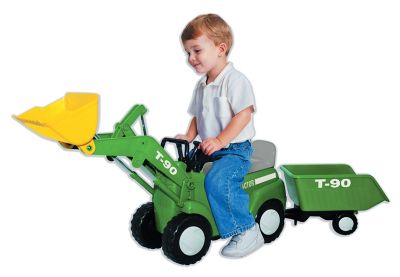
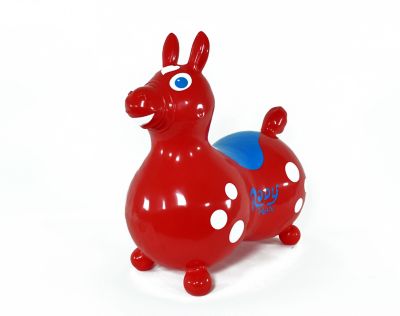
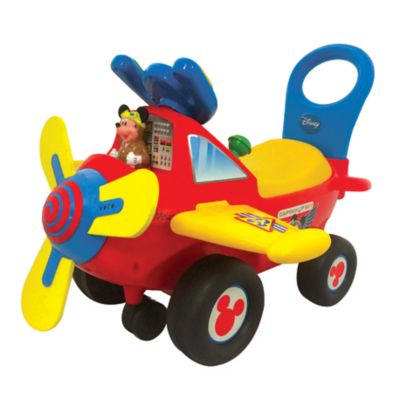
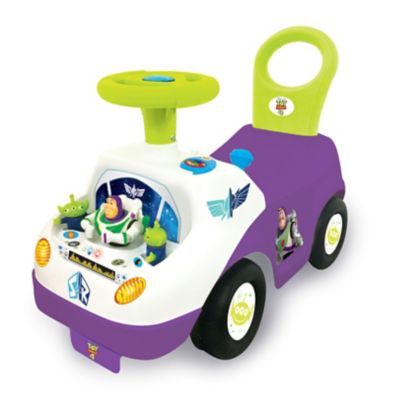
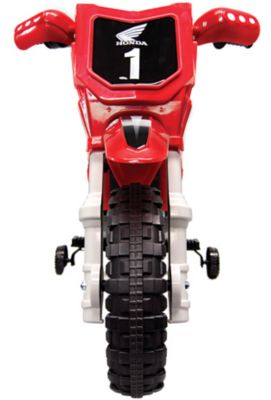
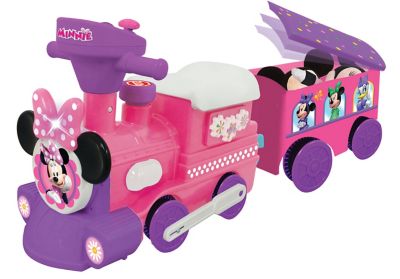
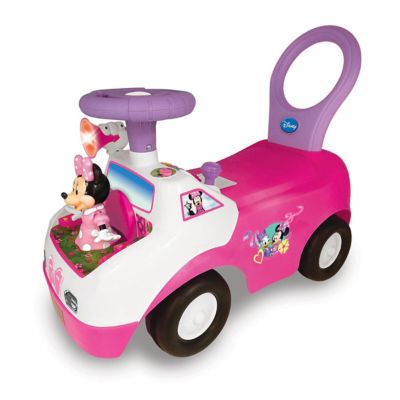
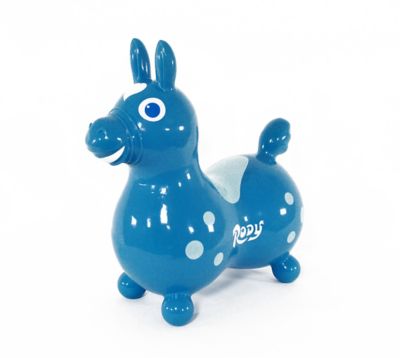
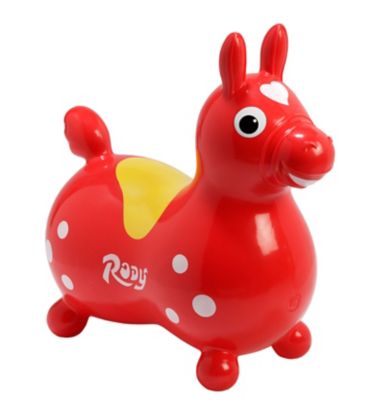
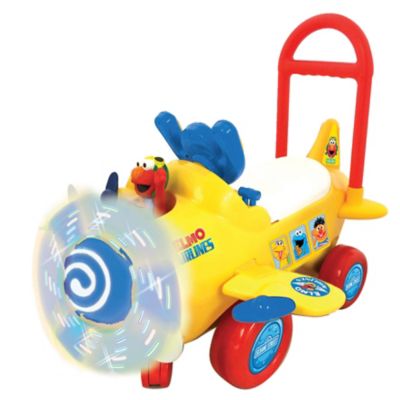
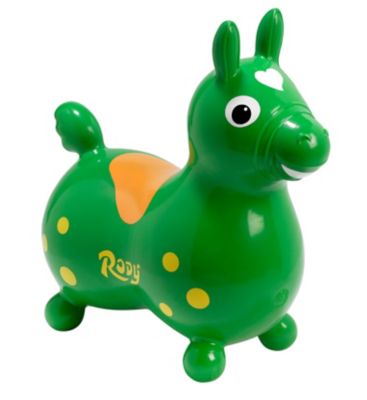
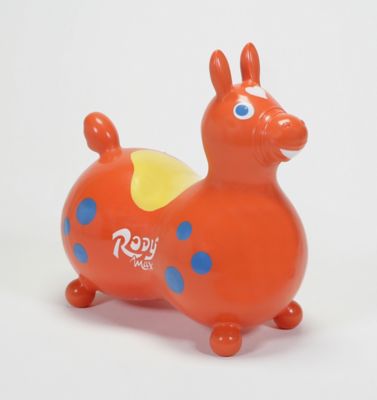
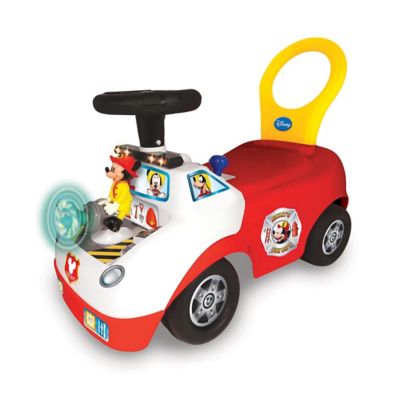
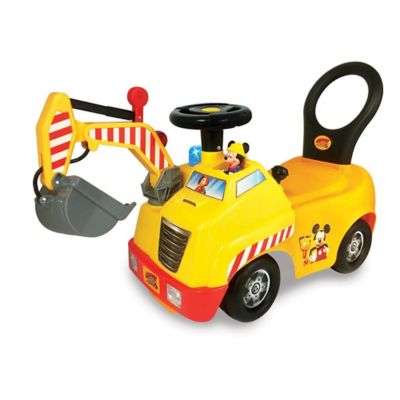
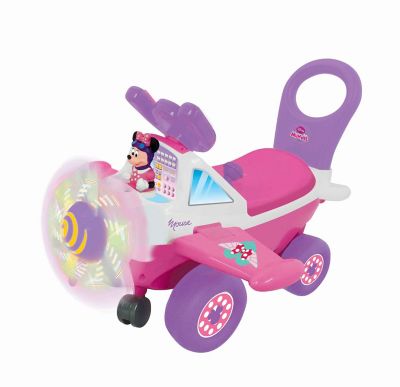
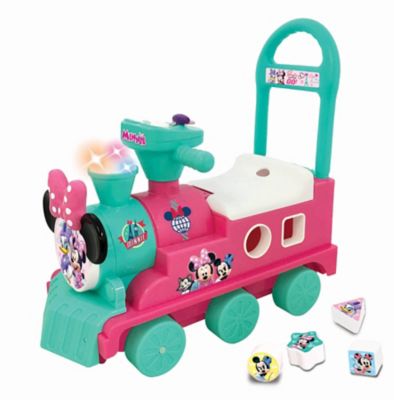
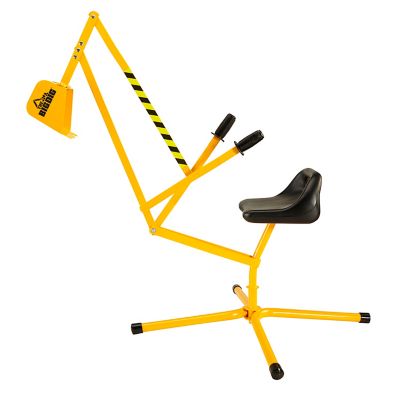
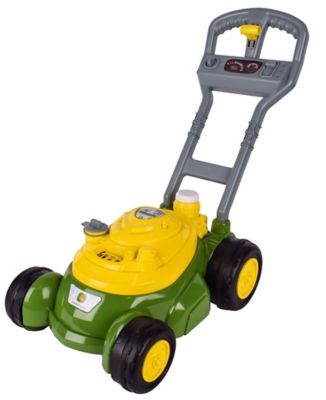
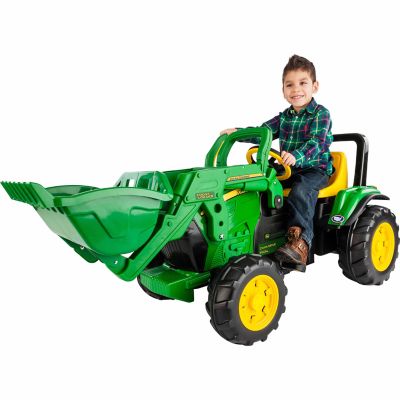
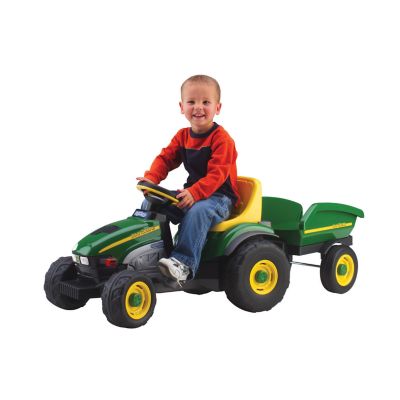
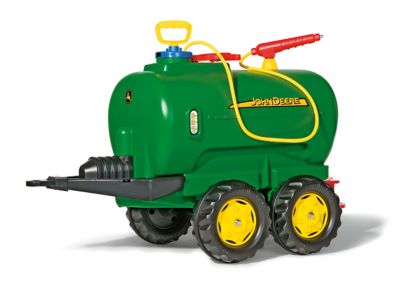
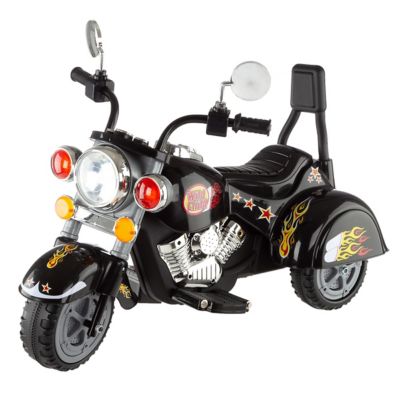
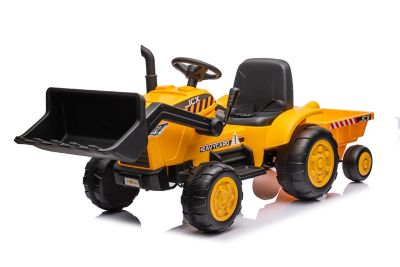
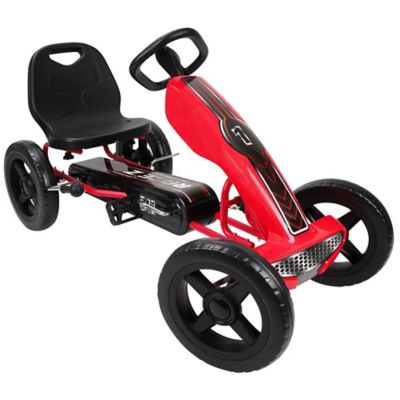
Outdoor ride-on toys bring a little more motion and make-believe to time spent outside, whether a child is scooting down the sidewalk, steering around the backyard, or hauling a favorite stuffed animal across the porch. This broad category includes foot-powered cars and trucks, push-along ride-ons, bouncing animals, track-style toys, and battery-powered vehicles with working lights, sounds, trailers, or other play features. For toddlers, a low-to-the-ground design that lets both feet reach the surface can help build balance, coordination, and confidence as they learn to push, stop, and steer. Parent-push models are handy for walks and outdoor errands because an adult can guide the ride while the child practices holding the steering wheel and getting used to the motion. As children grow, they may enjoy a pedal-powered vehicle or a motorized ride-on that offers more independent control. Battery-powered models commonly come in different voltage levels, speed settings, and seating arrangements, so it pays to compare the maker’s recommended age, rider weight, and supervision requirements rather than choosing by appearance alone. A slower, easy-to-control ride can be a better fit for a first-time driver, while older children with more experience may be ready for a larger vehicle with forward and reverse movement, traction-focused tires, or room for a passenger. Outdoor ride-on toys can make thoughtful gifts for birthdays, family celebrations, or the holiday season, especially for children who enjoy farm play, construction adventures, racing games, or pretending to run errands just like the grown-ups. They also pair naturally with other
Outdoor Play Toys, giving kids plenty of ways to turn a patch of grass, driveway, or open play area into an imaginary road, worksite, trail, or campground.
Before bringing a ride-on toy home, take a close look at where it will be used and who will be using it. A foot-powered model may be a good choice for a smooth porch, sidewalk, or level garage floor, while a motorized vehicle generally needs a broad, clear area away from traffic, ponds, steep slopes, drop-offs, and loose obstacles. Grass, packed dirt, gravel, and pavement can all affect handling and battery life, and some vehicles are designed for flat surfaces only. Check the tire style and ground clearance if outdoor play will include lawn or a well-kept farm driveway, and measure gates, doorways, storage areas, and paths before choosing a larger ride-on. Seats should support the child comfortably without leaving too much room to slide around, and controls should be easy for small hands to understand. Look for useful safety details such as a seat belt, stable wheelbase, adjustable speed settings, parental remote control, automatic braking, and a high-speed lockout when those features fit the child’s age and experience. Children should wear a properly fitted helmet when recommended, keep hands and feet inside the vehicle, and ride only with an attentive adult nearby. Closed-toe shoes and comfortable clothing are practical for outdoor play, while loose drawstrings and anything that could catch in wheels or moving parts should be avoided. Battery care matters, too: charge the battery according to the instructions, use the correct charger, keep electrical connections dry, and store the vehicle in a protected spot during rain, freezing temperatures, or long stretches without use. Wipe away mud and grass after a ride, check tires and fasteners from time to time, and make sure sound and light features still work as intended. As the weather warms, a ride-on can turn ordinary backyard time into an afternoon adventure; during cooler months, it may be used on dry days for short trips around the property or stored safely until conditions improve. With the right size, surface, and supervision, an outdoor ride-on toy gives children a fun way to practice movement, imagination, and growing independence while adults enjoy watching them make their own little routes.