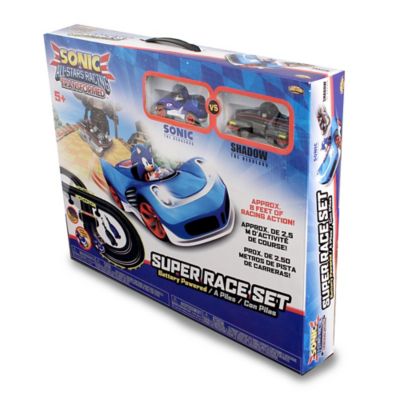
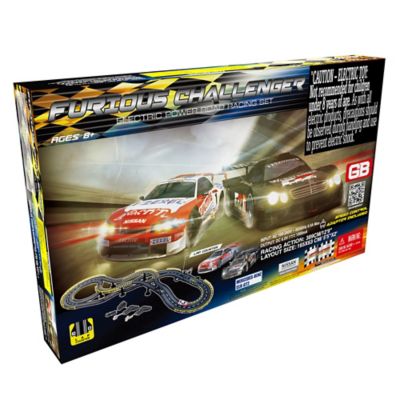
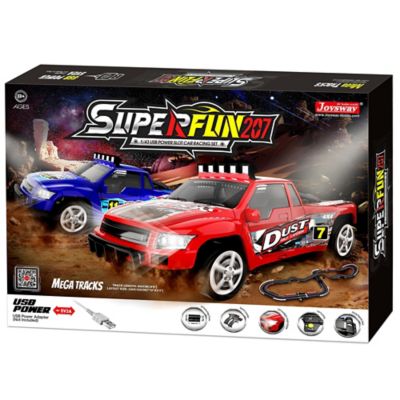
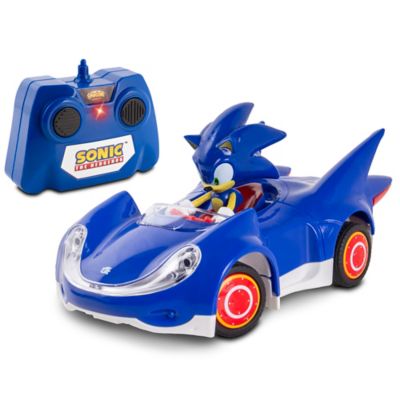
Remote control slot cars put the fun of racing into a tabletop track, where a steady trigger finger matters more than steering. A guide pin or blade beneath each car follows a slot, while electrical contacts draw power from conductors along the track. The handheld controller sets the pace, letting a driver ease through a tight bend or open up on a straightaway. Unlike a free-steering radio-controlled car, a slot car follows the track’s path, so the challenge is managing speed without sliding out of the slot. Slot car controllers come in wired and wireless versions, and controller designs include basic resistor types and electronic systems. On many analog sets, a resistor controller varies the resistance in the circuit to control power reaching the car. Electronic controllers regulate power electronically and may include adjustable sensitivity, braking, or other settings, depending on the system. Wired controllers connect to a track’s power base or connection panel, keeping the setup straightforward without a separate wireless connection. Wireless controllers let drivers stand farther apart or move around the racing area, though they may require batteries, charging, or pairing with a compatible receiver. A wireless controller does not turn a slot car into a free-steering vehicle; the car still follows its track. Controller compatibility depends on more than whether the plug fits. The track system, electrical requirements, connector wiring, and analog or digital design all matter. In a typical analog setup, each lane has its own controller and car. Compatible digital systems can let multiple cars share a lane and change lanes at designated track sections, with the controller sending commands through the system. Some controllers also have a lane-change button or braking controls, but those features depend on the matching track and cars. For a family race across the dining table or a longer layout in the hobby room, a matched controller, power supply, track, and car combination provides the foundation for smooth running.
The track layout shapes the racing experience just as much as the cars. Long straights give drivers room to build speed, while broad curves reward a different touch than tight turns packed into a small footprint. A compact loop can work well for short races between siblings, while a larger layout gives friends more corners to learn and more chances to trade the lead. Track dimensions include more than the length printed on the box: the assembled footprint, space for controllers, access to cars that leave the slot, and room around the edges all count. Scale matters, too, since cars and track sections from different systems are not automatically interchangeable, even when they look close in size. Car bodies are often molded plastic, paired with a chassis, small electric motor, guide assembly, pickup contacts, and rubber or similar tire compounds. Body shape, weight distribution, tire grip, and any traction magnets can affect how a car carries speed through a corner. Lighter body details may need a gentler touch than the chassis underneath, especially when younger racers are learning how much throttle a bend will take. Track sections commonly combine a plastic base with metal conductors, making secure joints and a flat support surface important for consistent electrical contact. A layout stretched across a firm table generally stays aligned more easily than one resting on a thick rug, where fibers can also find their way into axles and gears. Routine care centers on keeping the track, tires, and pickup contacts clean with methods approved for that system. Harsh cleaners, excess lubricant, and damp storage can cause trouble for plastics, electrical connections, or running gear. Cars and track sections benefit from organized storage that keeps small parts together and prevents guide blades, connectors, and body details from getting bent or crushed. Replacement tires, pickup contacts, and other wear parts are worth considering when comparing systems, especially for a track that will see plenty of laps. For powered sets, the correct power adapter and the maker’s setup directions are essential.
Remote control slot cars suit a wide range of racers, from children learning to ease into the throttle to adults who enjoy tuning a car’s handling and chasing a cleaner lap. The right fit depends on the stated age range, the size of the controls, and how much setup and upkeep the racer wants. A small hand may do better with a light trigger pull and an easy-to-hold grip, while someone planning longer races may appreciate a controller that stays comfortable through repeated laps. Clear lane assignments and straightforward controls help keep family races moving, especially when one driver is learning and another already knows every corner. Adjustable power settings, when included, can make a lively car easier for a beginner to manage without changing the whole layout. For shared play, separate controllers, enough room at the starting area, and easy access to the far side of the track make a difference. Age ratings deserve attention because cars and track accessories can contain small parts, and powered systems need the level of adult oversight specified by the manufacturer. A birthday gift for a young racing fan might center on a manageable layout and simple controls, while a longtime hobby racer may care more about system compatibility, car handling, and room to expand. The appeal is hands-on: lining cars up, feeling the trigger’s response, and learning exactly where to lift before a bend. Drivers who prefer steering freely around a suitable open area may also enjoy
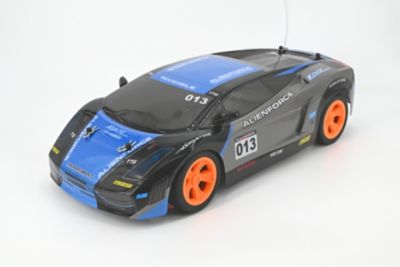
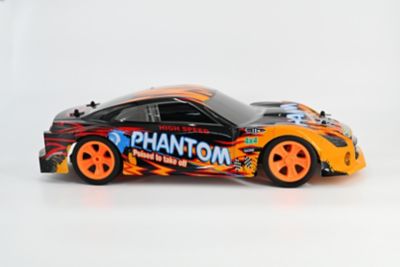
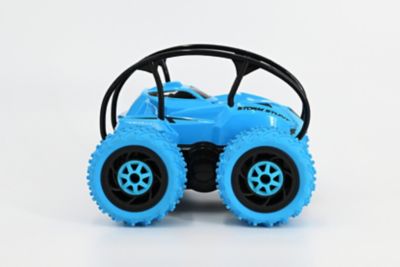
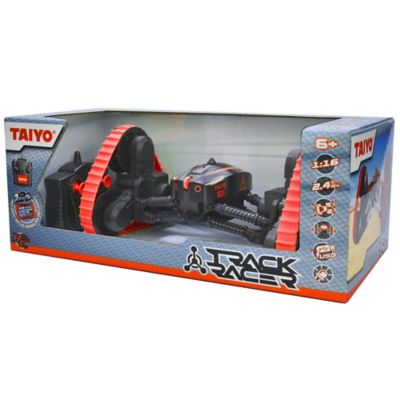
2.4 Ghz Remote Control Cars, a different style of racing from track-bound slot cars. For slot racing, the draw remains that close connection between hand and throttle, where a little patience through the turn can beat a heavy trigger on the straight. It is a hobby that leaves room for friendly competition, repeatable lap challenges, and a good stretch of side-by-side fun.