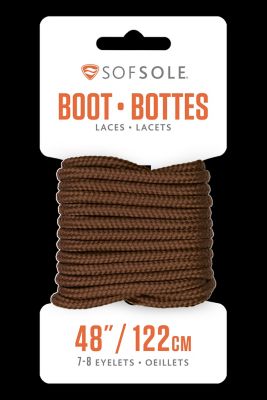
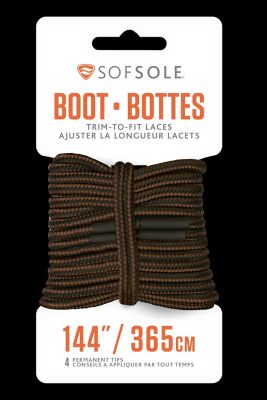
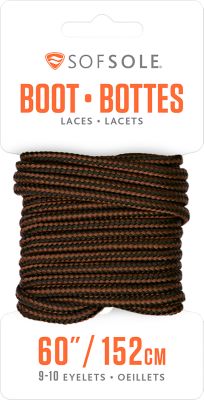
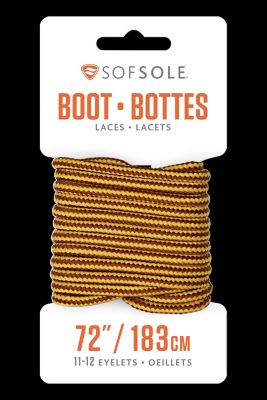
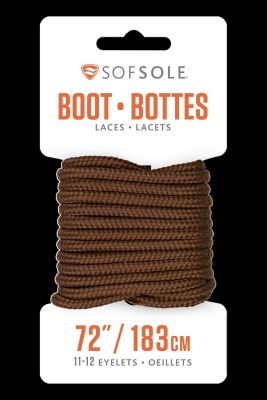
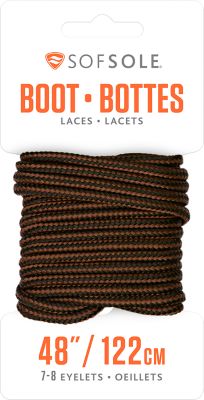
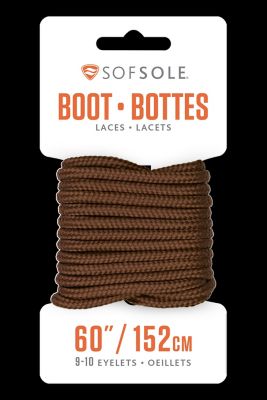
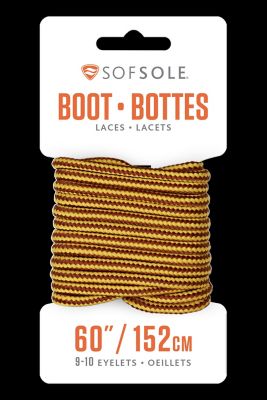
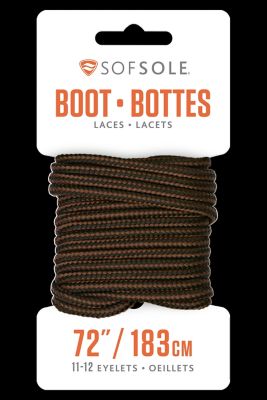
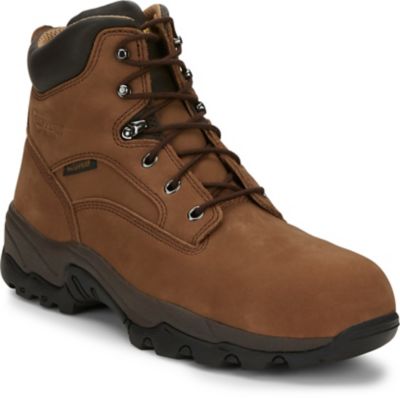
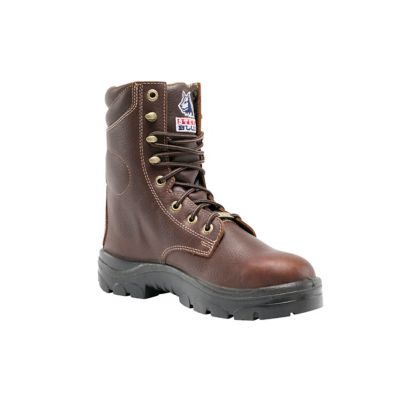
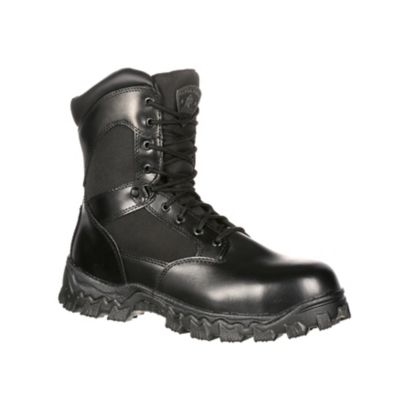
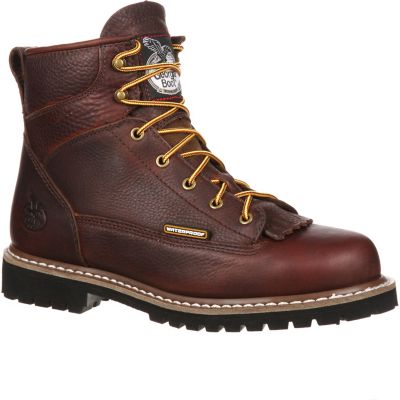
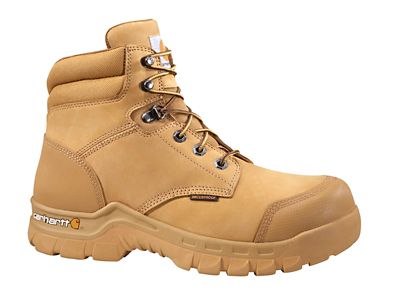
Replacement work boot laces help keep a familiar pair of boots in service when the original laces fray, snap or stop holding a knot well. For someone feeding livestock before heading to a jobsite, that small part has a big role: it helps hold the boot snugly around the foot and ankle without leaving loose ends dragging underfoot. The best match starts with length, thickness and the boot’s lacing layout, rather than boot height alone. Common replacement lace lengths include 45, 54, 63 and 72 inches, with shorter lengths generally suited to shorter lacing paths and longer lengths accommodating more eyelets or hooks. As a starting point, boots with six to seven pairs of eyelets or hooks often take about 54 inches, seven to eight pairs may take about 63 inches, and eight to nine or more pairs may call for 72 inches. Those measurements are estimates, not a universal sizing chart. The distance between eyelets, the width of the boot opening and the preferred lacing pattern all affect how much lace is needed. Measuring a properly fitting old lace from tip to tip gives a useful reference, provided it has not stretched substantially or lost a section. Counting pairs of eyelets and hooks means counting the matching positions on both sides as one pair. Enough length for a secure bow matters, but excessive length leaves loops and tails that can catch on brush, equipment or the opposite boot. A lace that is too short can make the upper hooks difficult to reach or leave too little room for a comfortable knot. Replacement boot laces should also slide through the hardware without forcing the tips or bunching inside the eyelets. A familiar boot can feel noticeably different with a thicker or stiffer lace, so matching the original diameter and allowing room for the preferred knot can be just as important as choosing the right number of inches.
Material and construction shape how work boot laces handle daily wear. Nylon, polyester, leather and aramid fibers bring different characteristics to the job, while the braid, outer sheath and lace diameter influence flexibility and resistance to rubbing. Nylon laces often have some give, which can make them comfortable across a moving foot, though stretch varies by construction. Polyester generally stretches less and absorbs less water than nylon, making it worth considering when a consistent feel is a priority. Rawhide and other leather laces have a firm feel that suits many traditional leather work boots, but their thickness can limit which eyelets they fit. Leather also needs care suited to its finish; sharp bends, drying out and repeated rubbing can eventually weaken it. Aramid-fiber laces are another category for demanding applications, but any claim about cut resistance or protective performance should come from the lace manufacturer rather than the material name alone. Round and flat profiles offer another practical distinction. Round laces often thread readily through closely spaced eyelets and hooks, while flat laces spread contact across a wider area and may feel less concentrated over the instep. Neither shape guarantees that a knot will stay tied. Surface texture, stiffness, knot choice and the amount of tension all play a part. A tightly braided surface can help resist snagging, while a softer lace may be easier to tighten evenly through several rows of eyelets. The tips, also called aglets, deserve attention because they help the lace pass cleanly through the boot hardware. A tip that is too wide can turn a straightforward replacement into a struggle, even when the lace itself is the right thickness. Color is mostly a matter of preference, whether that means matching brown leather, keeping a black-on-black look or choosing a contrasting shade that makes the lacing easier to see. Fit and function still come first for boots that spend the day around fences, shop floors or feed rooms.
Good replacement laces work with the boot’s fit rather than trying to correct the wrong boot size. Even tension across the instep helps hold the foot in place, while the upper section needs enough flexibility for kneeling, climbing and walking over uneven ground. Pulling the laces tighter is not always the answer to heel movement, and a lace change cannot fix a boot that is too long or too wide. For anyone comparing
men's lace-up work boots, the number of hooks, spacing of the eyelets and shape of the tongue also help explain why two boots of the same height may need different replacement lace lengths. Once the fit is settled, regular attention to the laces and hardware can help prevent an inconvenient break halfway through a chore. Fraying near the same eyelet often points to a rough edge or damaged hook that could wear through a fresh lace as well. Flattened sections, exposed inner fibers, split leather and cracked tips are other signs that a pair deserves a closer look. Dirt and grit trapped in a braid can add abrasion, so cleaning according to the lace manufacturer’s directions matters. Many synthetic laces can be cleaned with mild soap and water, then allowed to air-dry fully, while leather laces generally call for leather-specific care rather than soaking. Strong cleaners and treatments not intended for the material can affect the fibers or finish. A spare pair kept with boot-care supplies is handy for farm chores, construction work, warehouse shifts and other routines where a broken lace can interrupt the day. Replacement laces also make a practical addition to a boot-care gift for someone who spends long hours on their feet. Whether the goal is replacing a snapped pair or keeping a spare ready, the right combination of length, profile, material and sound hardware helps a well-fitting work boot keep doing its job.