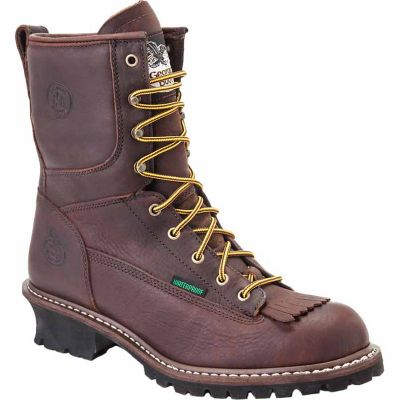
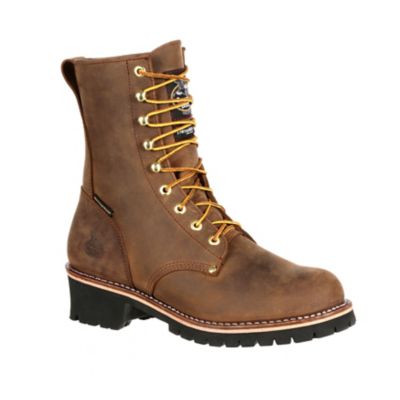
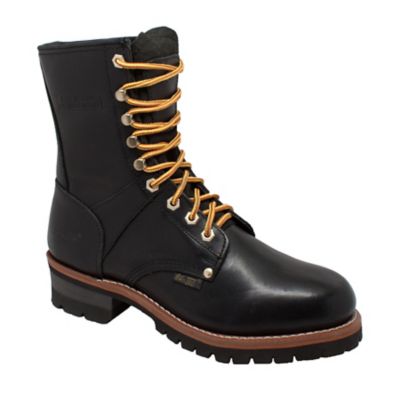
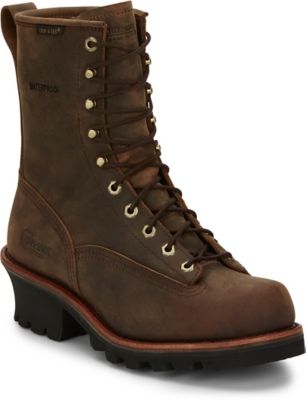
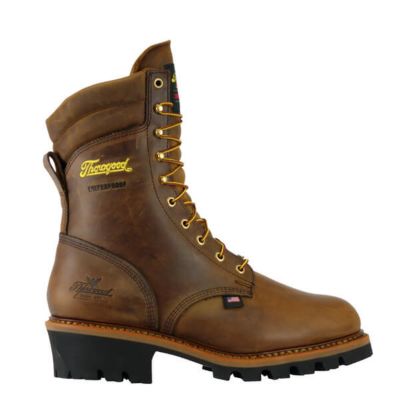
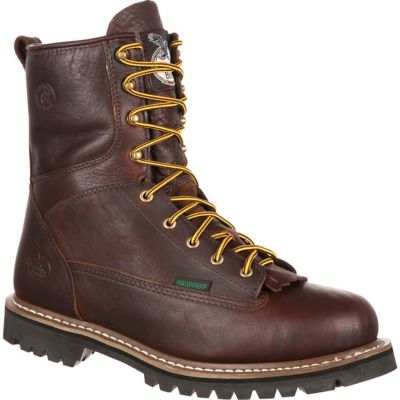
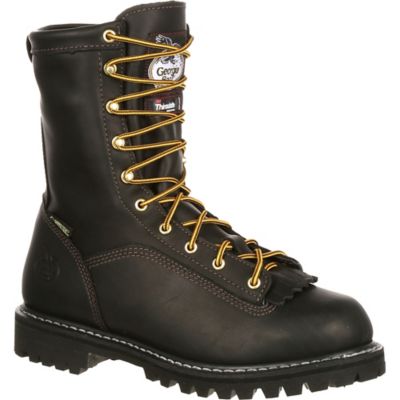
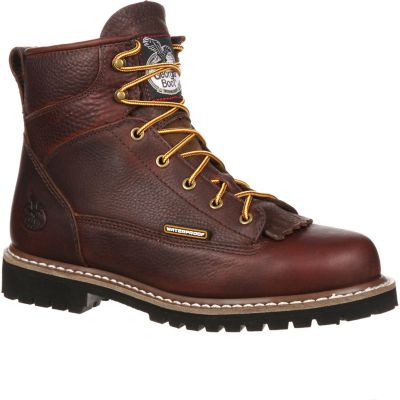
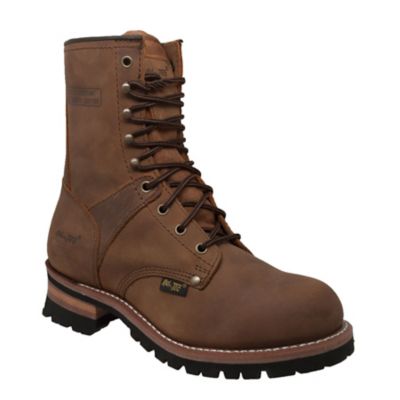
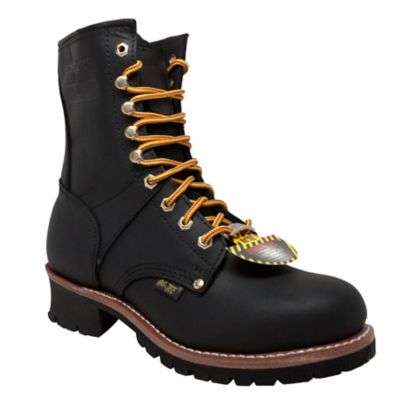
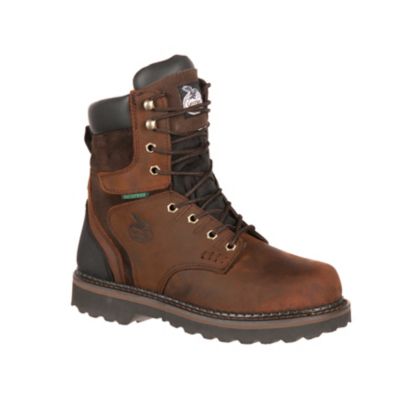
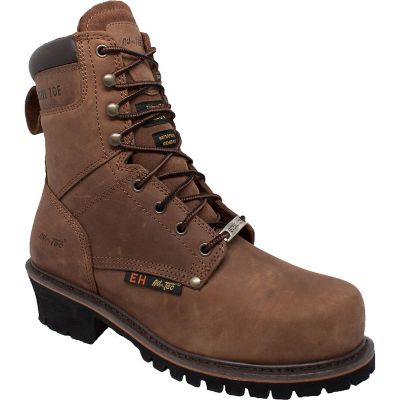
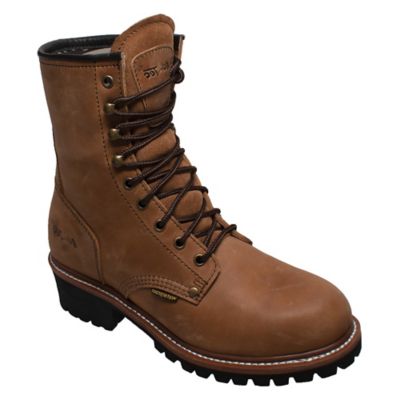
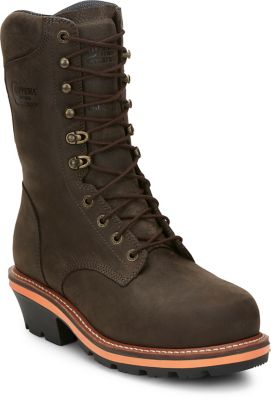
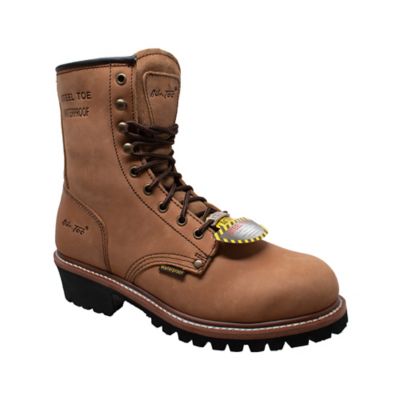
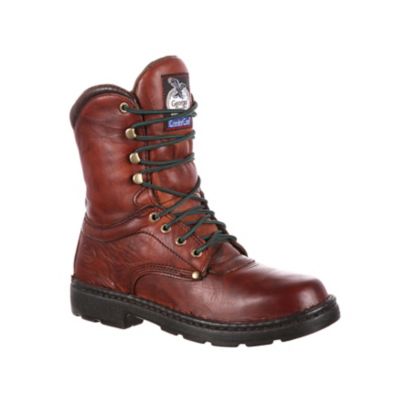
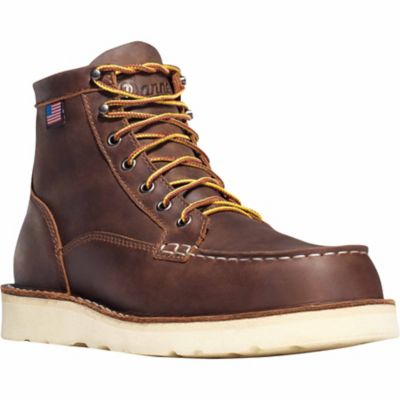
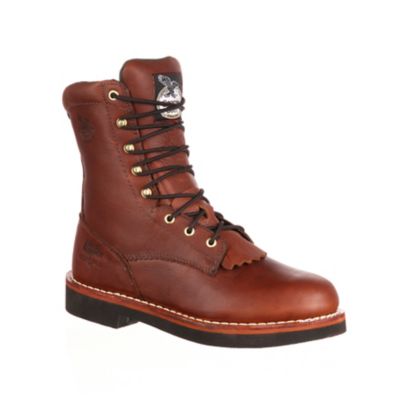
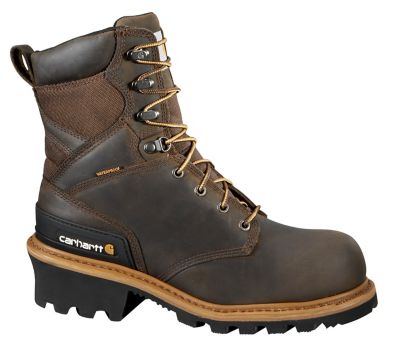
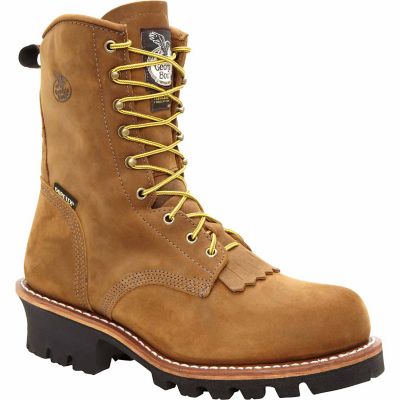
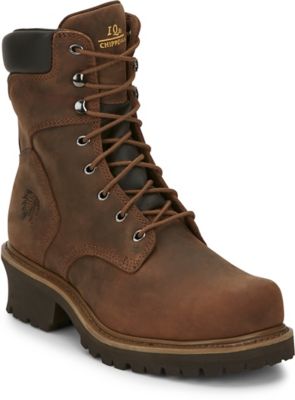
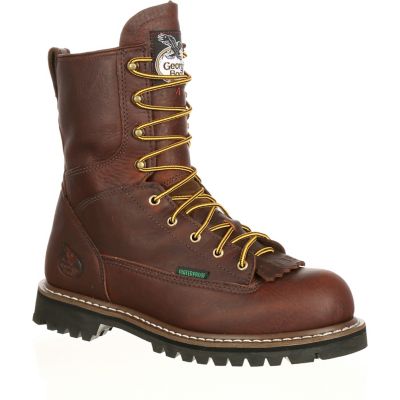
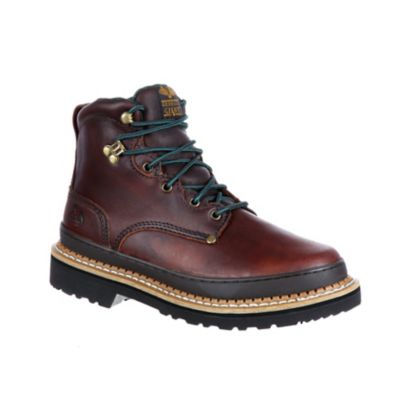
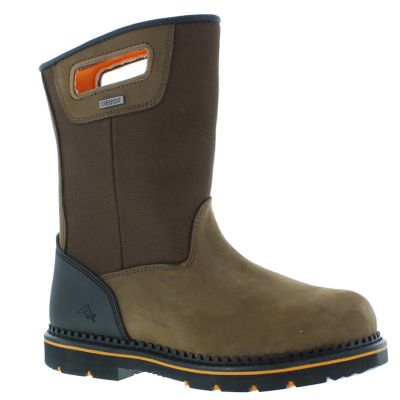
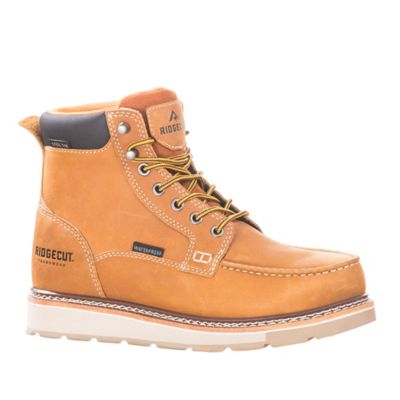
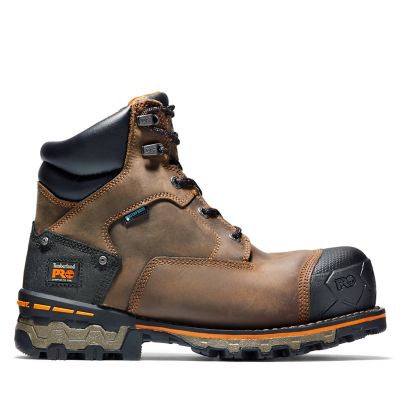
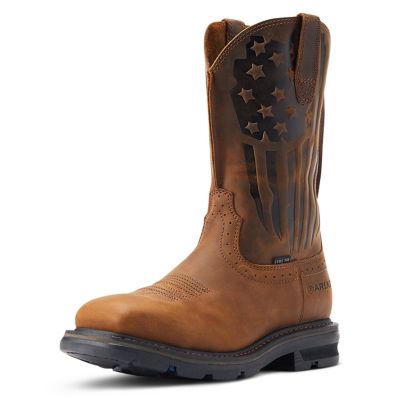
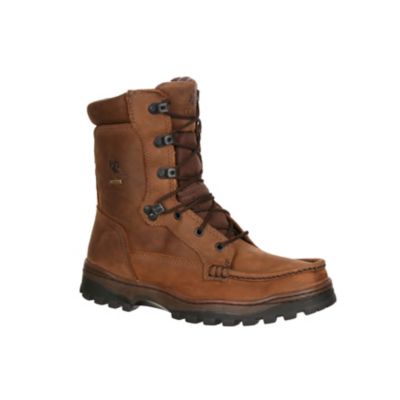
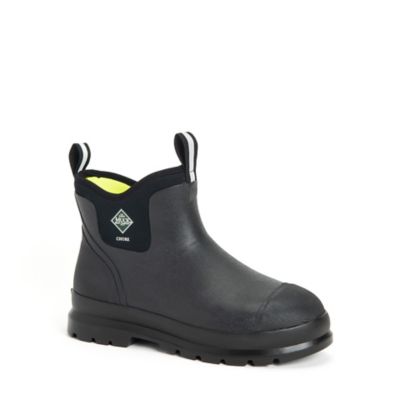
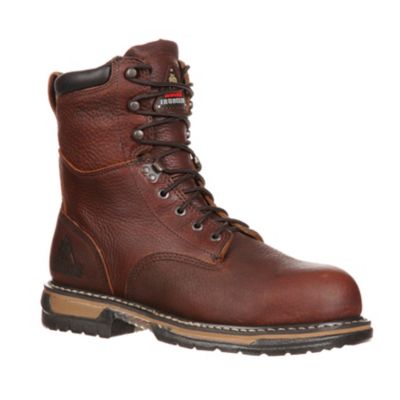
Lace-to-toe logger boots are built for folks who spend long hours on their feet and need a close, steady fit from the top of the boot down to the toe box. Unlike boots with lacing that starts higher on the foot, this style uses eyelets or hooks extending farther forward, giving you more control over how the boot holds your heel, instep, and forefoot. That extra adjustability can make a real difference on uneven ground, steep trails, muddy job sites, and rough pasture. When the laces are tightened properly, the boot helps reduce heel lift and keeps your foot from sliding inside as you climb, carry a load, or work across sloped ground. Logger boots are commonly chosen for forestry, land clearing, trail work, farm chores, construction, utility work, and other demanding outdoor jobs, but they can also be useful for weekend projects and serious hunting or hiking. A sturdy pair may be especially welcome during the cooler months, when wet grass, fallen leaves, slick soil, and changing conditions make dependable footing more important. The tall shaft helps support the ankle and provides coverage around brush and debris, while a thick, lugged outsole is designed to bite into loose dirt and rough terrain. For a softer feel underfoot, look for cushioning in the footbed and a supportive midsole that helps take some of the sting out of long days. A firm boot often feels different from a casual shoe at first, but that structure is part of what makes logger boots useful for hard work. Give your feet time to adjust, wear the socks you plan to use on the job, and lace each boot firmly without cutting off circulation.
Material and construction deserve close attention when comparing lace-to-toe logger boots. Full-grain leather is a popular choice because it is tough, naturally resistant to abrasion, and able to develop a comfortable, broken-in feel with regular wear and care. Thick leather can stand up to contact with rough bark, fencing, rocks, and equipment, though it may need a little patience during the break-in period. Water-resistant leather treatments help shed light moisture, while a waterproof lining or membrane offers more protection when walking through wet grass, shallow puddles, or damp ground. Waterproof does not mean the boot can be left soaked indefinitely, so dry wet boots at room temperature and keep them away from direct heat that may shrink or crack the leather. If cold conditions are part of the workday, insulated styles can help retain warmth, but they may feel warmer and bulkier during active work. For milder fall weather or indoor-outdoor chores, an uninsulated boot with a moisture-managing lining may be more comfortable. Pay attention to the toe choice as well. A soft toe keeps the front of the boot flexible and may suit general farm work, property maintenance, and everyday outdoor wear. A safety toe, including steel or composite options, adds a protective barrier for jobs where falling or rolling objects are a concern; composite materials are often lighter and do not conduct temperature the same way metal does. Check workplace requirements before choosing, since safety standards and approved toe types can vary. The outsole should match the ground you cover. Deep lugs can provide useful traction in mud, gravel, and loose soil, while a slightly less aggressive tread may be easier to clean and more comfortable on hard surfaces. A stitched or welted construction can offer a strong connection between the upper and sole and may allow future repair or resoling, which is worth considering when you expect the boots to see years of regular use.
Getting the right fit matters just as much as choosing the right materials. Measure both feet near the end of the day, when feet are naturally a little larger, and compare those measurements with the sizing information for the boot. Leave enough room to wiggle your toes, but avoid extra space that lets your foot slide forward on a downhill walk. The heel should stay mostly in place, with only a small amount of movement while the boot is new. Lace-to-toe designs let you fine-tune the fit across different parts of the foot: snug through the forefoot, secure around the instep, and supportive at the ankle without pinching. Thick work socks can change the fit, so wear them when trying boots on. People with high insteps may appreciate the added room to adjust lacing, while those with narrow heels can use the upper hooks to improve lockdown. A good pair of logger boots can make a thoughtful gift for a ranch hand, woodworker, hunter, landscaper, tradesperson, or anyone who takes on demanding outdoor work, especially when you know the recipient’s size, toe protection needs, and preferred level of insulation. For everyday jobs that do not call for a tall logger profile, you can also compare
Plain Toe Work Boots for a simpler work-ready option. Whichever style fits the task, keep the leather conditioned according to the manufacturer’s care directions, brush dirt from the tread, inspect the laces and hardware, and check the sole for uneven wear. A little maintenance helps preserve water resistance, comfort, and traction, so your boots stay ready for early starts, cold drives down gravel roads, and the steady work that comes with life outdoors.