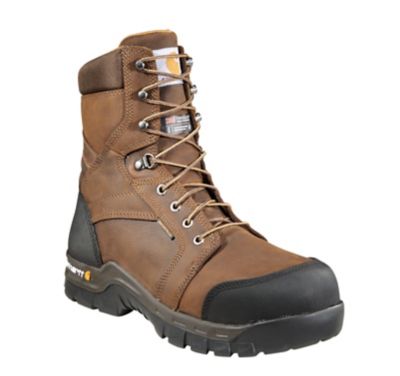
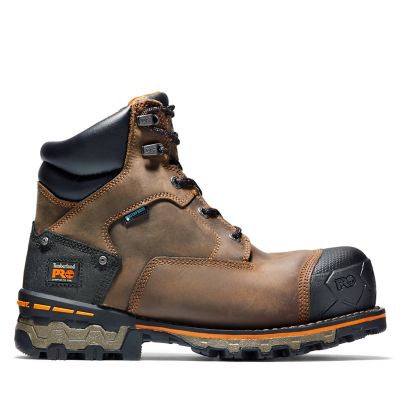
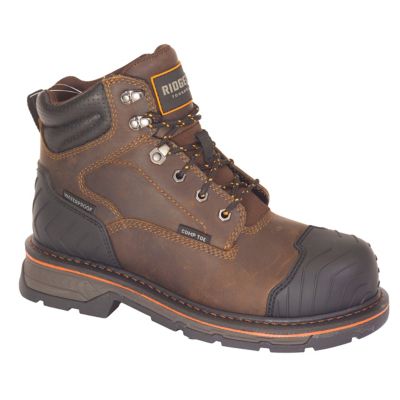
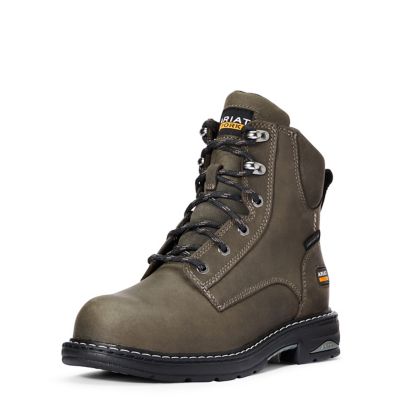
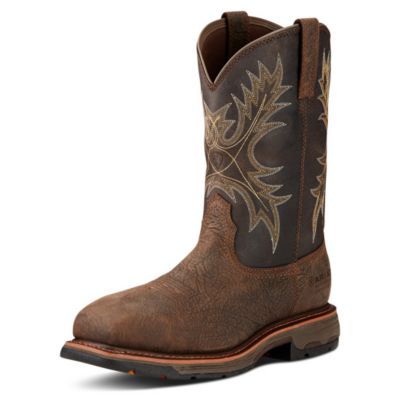
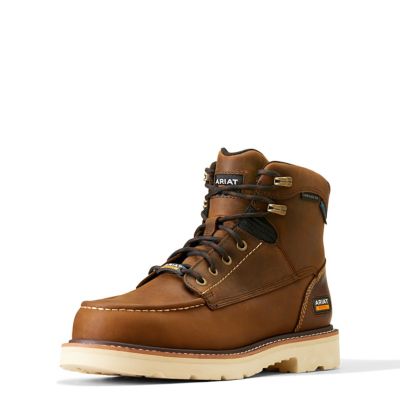
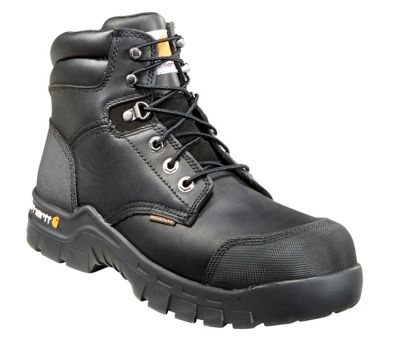
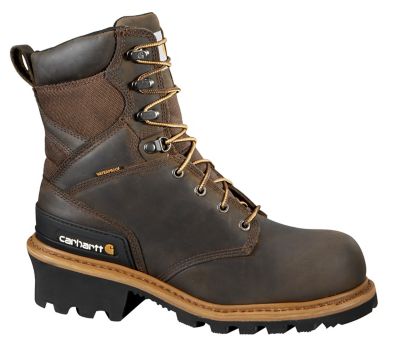
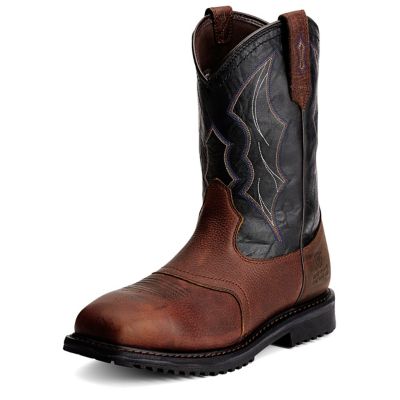
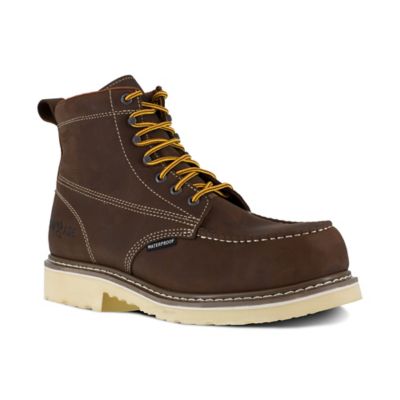
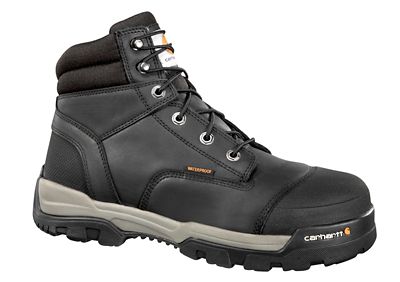
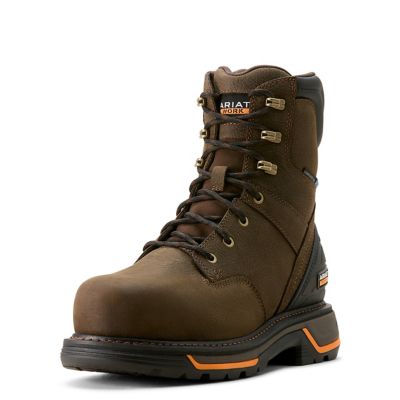
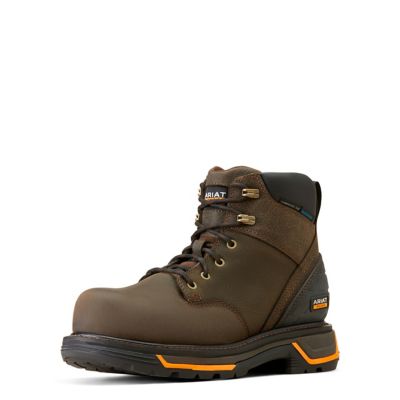
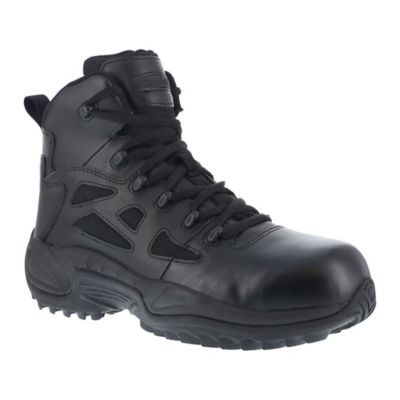
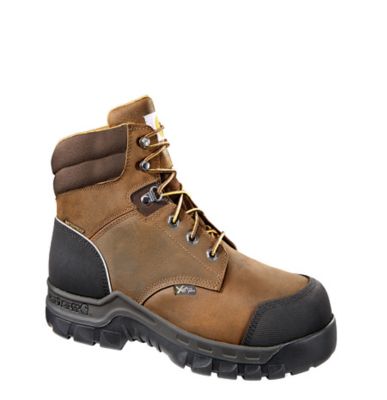
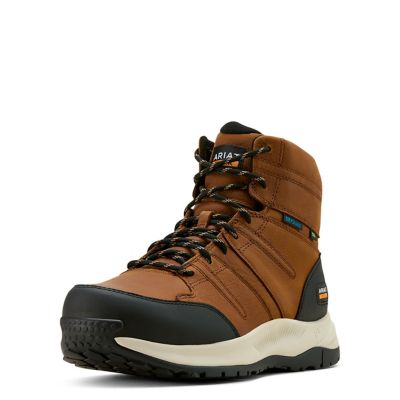
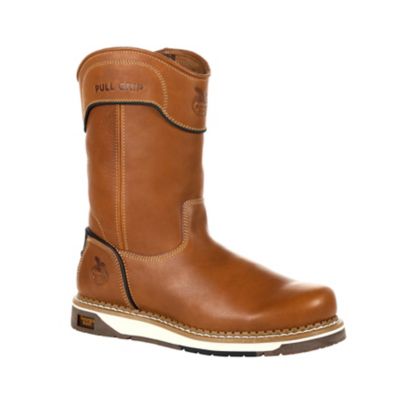
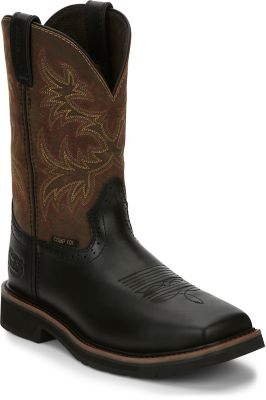
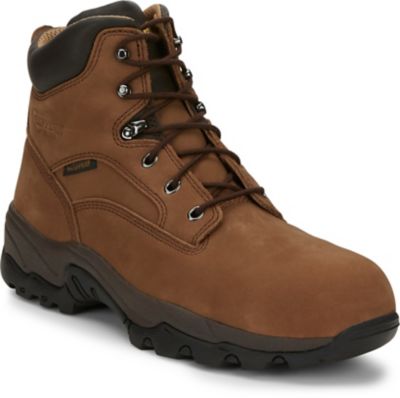
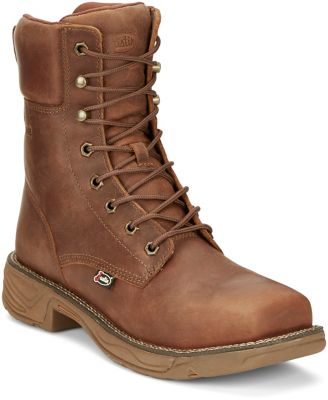
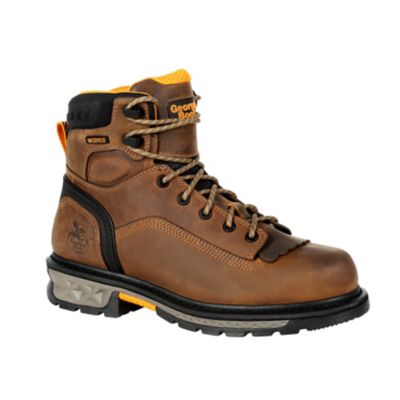
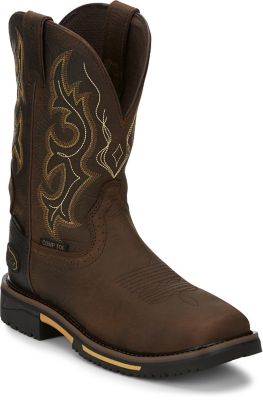
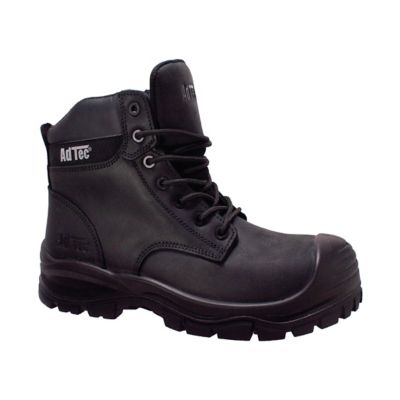
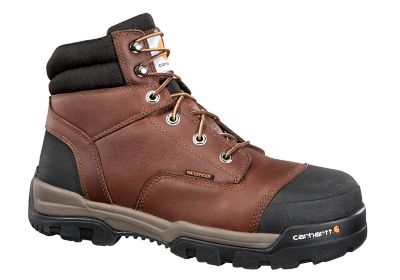
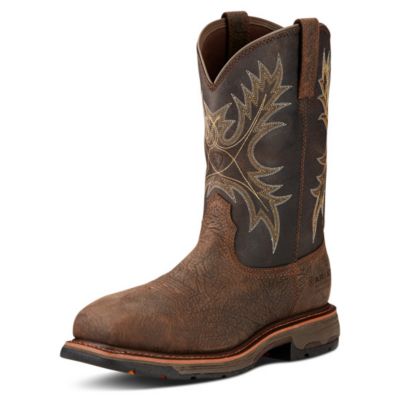
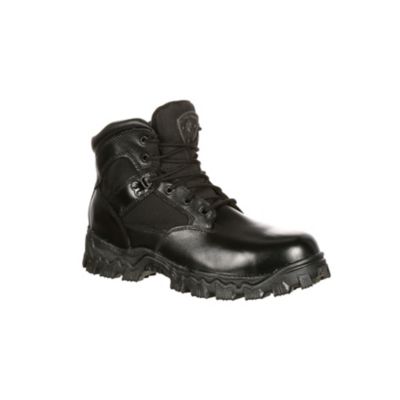
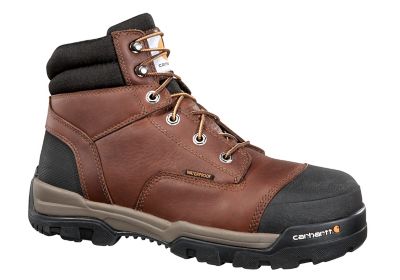
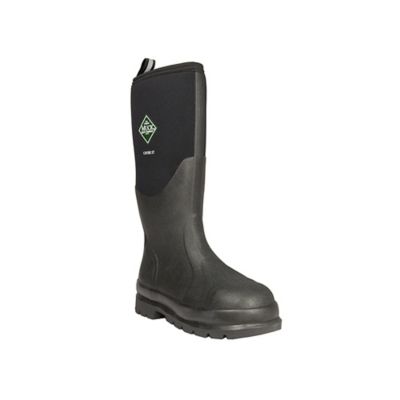
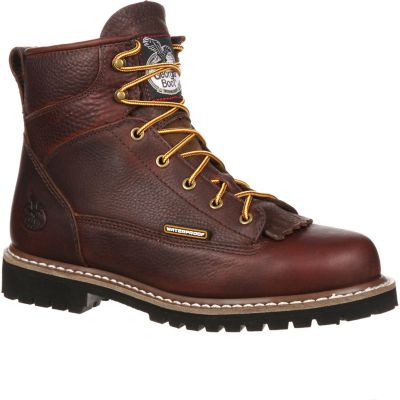
Lace up composite toe boots are made for folks who need dependable protection without the extra weight of a steel toe. They’re a practical choice for farm work, construction, warehouse jobs, landscaping, utility work, delivery routes and everyday chores around the property. A composite safety toe is built from non-metal materials such as carbon fiber, fiberglass or reinforced plastic, creating a protective cap over the toes while helping keep the boot lighter on your feet. Because composite materials do not conduct heat and cold the way metal can, they may feel more comfortable when you’re working across hot ground, chilly concrete floors or damp fields. They also won’t set off most metal detectors, which can be handy for workers moving through secured facilities. When comparing safety footwear, look for boots that meet the ASTM requirements called for by your workplace, including standards for impact and compression protection. Some styles also offer electrical hazard protection, but that feature should be confirmed on the boot’s safety label and matched to the job at hand. A lace-up design lets you fine-tune the fit from the toe box through the ankle, giving you a snug, steady feel when walking over uneven ground, climbing ladders or stepping in and out of equipment. The right pair should hold your heel in place without pinching your toes, and the laces should stay tied without creating pressure across the top of your foot. A six- to eight-inch shaft can provide useful ankle coverage and support, while a lower shaft may feel easier to move in during lighter-duty work. Think about the way you spend a typical day: a person crossing muddy lots may want a waterproof upper and deep tread, while someone working indoors may place more value on breathability, flexibility and cushioning. Prices for quality lace-up composite toe boots commonly fall in the midrange to higher work-boot category, often around $120 to $230, depending on construction, waterproofing, insulation, sole materials and added comfort features.
A good work boot has to do more than pass a safety inspection. It needs to stay comfortable through a full shift, whether that shift means feeding livestock before sunrise, carrying materials across a jobsite, repairing fence along a rocky pasture or standing on a concrete floor for hours. Look for cushioning under the heel and forefoot, a supportive insole and a midsole that takes some of the sting out of hard surfaces. Flexible construction can make a noticeable difference during long days, especially when you’re climbing in and out of a truck or bending, kneeling and walking between tasks. Breathable panels or moisture-managing linings may help keep feet drier as the weather warms, while waterproof construction can be valuable when morning dew, rain, wet grass and muddy ground are part of the routine. Waterproofing may come from treated leather, sealed seams, a waterproof membrane or a combination of materials, so check the product details for the type of protection provided. If wet conditions are a regular part of the job, explore
Waterproof Composite Toe Boots for more options suited to damp work areas. Outsoles deserve close attention, too. A lugged rubber outsole can help provide traction on loose soil, gravel and slick boards, while oil- and slip-resistant compounds may be better suited to shops, barns and service areas. Some work boots are made with a welted or reinforced construction for added durability, and others use lighter cemented construction to improve flexibility. Leather uppers may develop a comfortable feel over time when cared for properly, while synthetic materials can offer lighter weight and quicker drying. Before ordering, measure both feet near the end of the day, when feet are usually at their largest, and compare those measurements with the manufacturer’s sizing chart. Wear the same kind of work socks you expect to use on the job. There should be enough room to wiggle your toes, but not so much space that your foot slides forward when walking downhill. A short break-in period is normal for many leather boots, though sharp pressure points, numbness or rubbing are signs that the fit is not right. Replace worn laces, keep the boots clean and allow them to dry naturally away from direct heat to help preserve the upper and sole.
Lace-up composite toe boots can also make a thoughtful gift for a new hire, a farmhand heading into a busy season, a student starting a trade program or a family member who spends weekends working on trucks, barns, trails and home projects. They’re especially useful when a job requires safety footwear and the recipient is still building a work wardrobe. For a gift, pay attention to sizing, preferred boot height and the kind of work they do instead of choosing based only on appearance. A person working around livestock may appreciate a wipe-clean exterior and reliable traction, while someone on a construction crew may need stronger ankle support, electrical hazard protection or a sole rated for slippery surfaces. During the warmer part of the year, lightweight materials, breathable linings and moisture control can help feet stay more comfortable through long outdoor tasks. As cooler weather settles in, waterproof uppers, thicker socks and room for light insulation become more important, particularly for folks checking animals, clearing brush or working around cold equipment. Composite toe boots can also be a sensible option for drivers, warehouse workers and others who move between indoor and outdoor areas, since their non-metal toe helps avoid the cold transfer that some people notice with steel. Keep in mind that composite safety toes can still feel pressure from a poor fit, and no safety toe replaces careful work habits or the protective requirements set by an employer. Check the rating, inspect the soles and stitching, and make sure the boot is appropriate for the surfaces, hazards and weather conditions involved. With a secure lace-up fit, protective composite toe, comfortable support and traction suited to the job, these boots are ready for the steady, practical work that fills a day on the farm, around the shop or out on the jobsite.