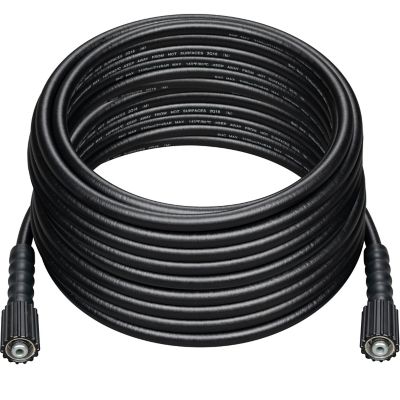
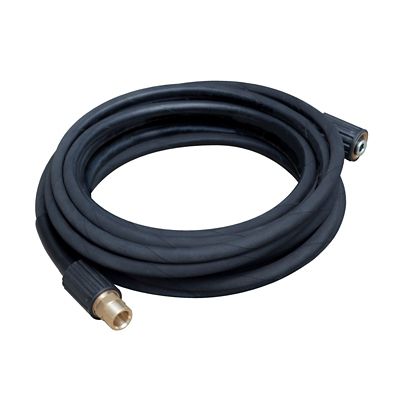
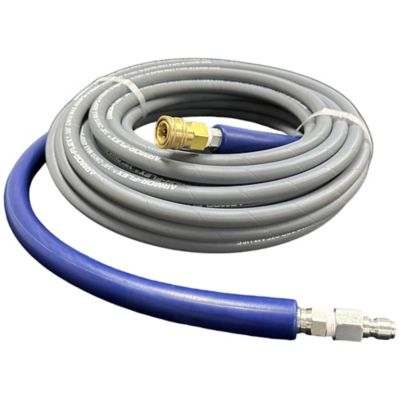
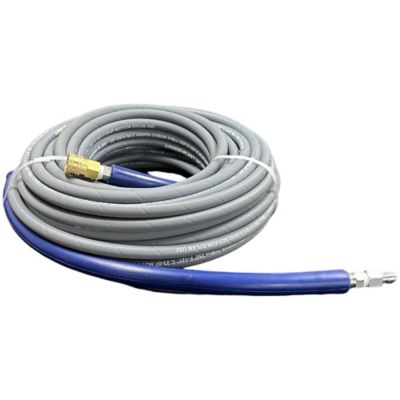
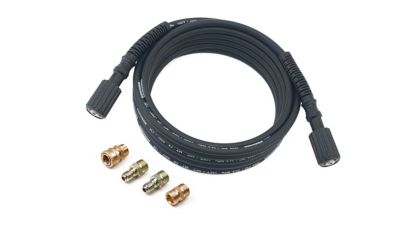
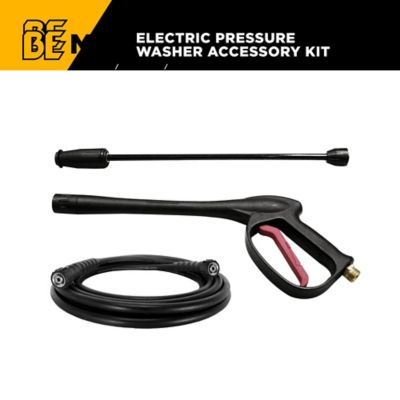
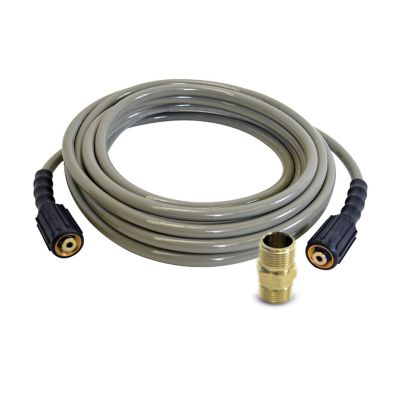
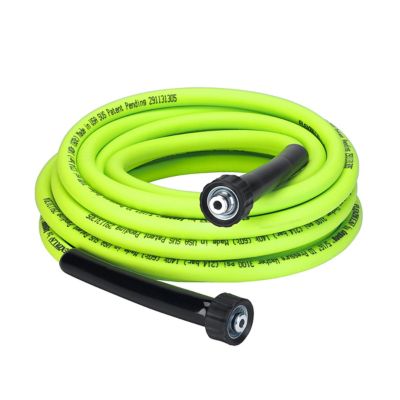
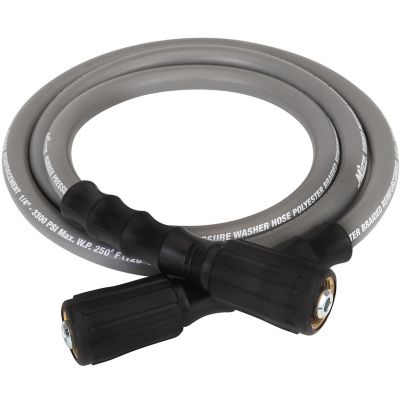
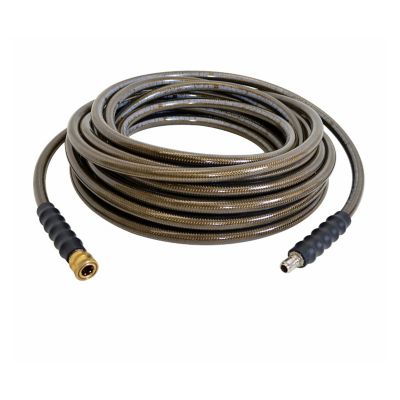
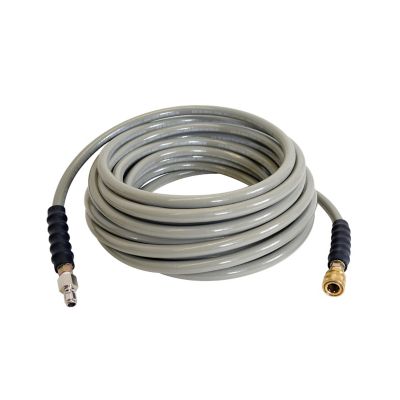
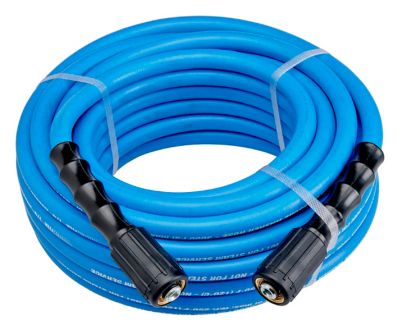
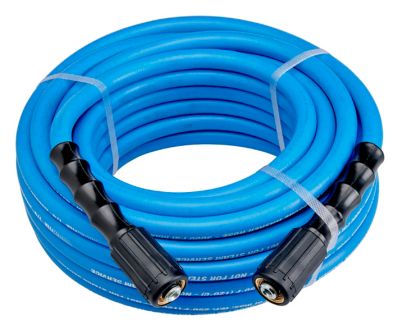
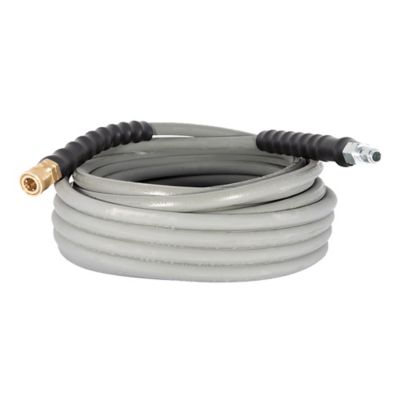
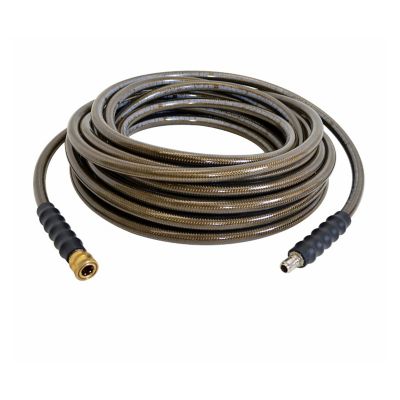
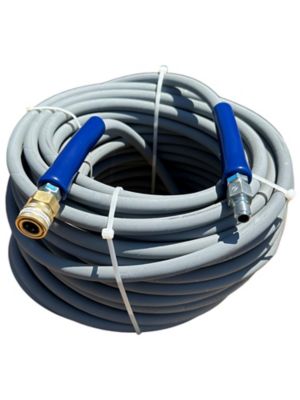
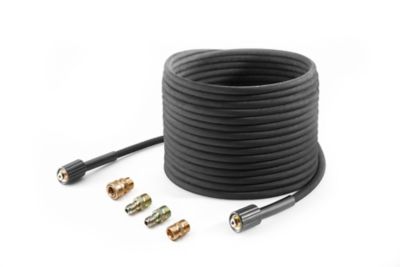
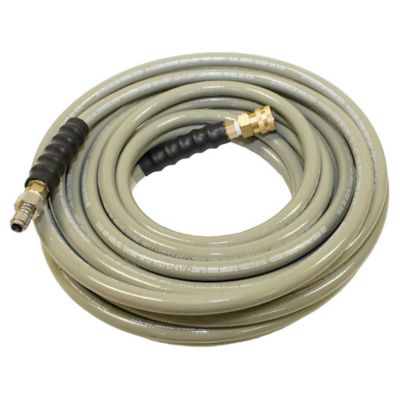
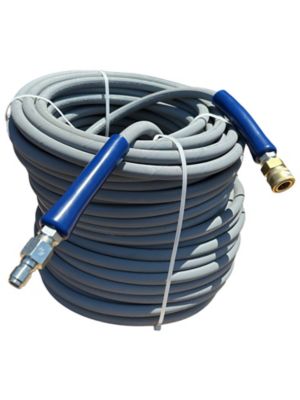
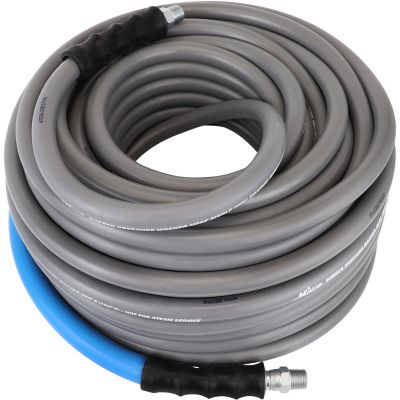
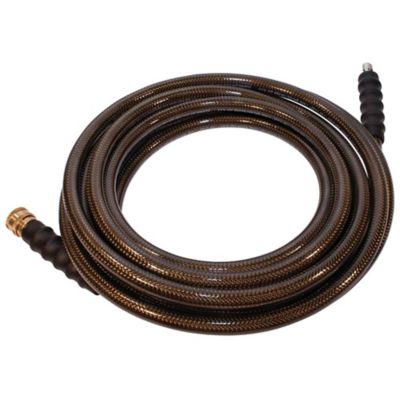
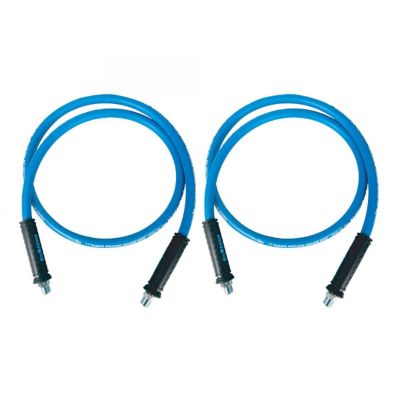
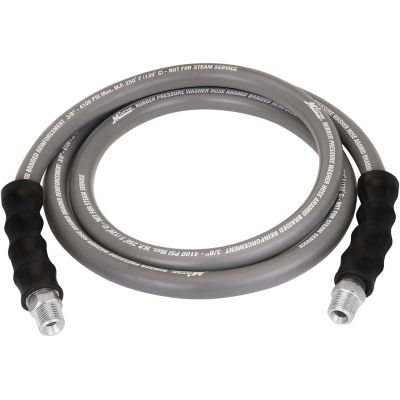
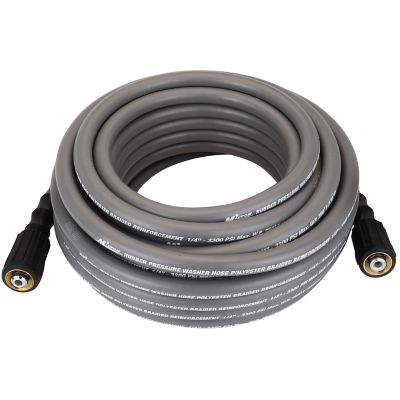
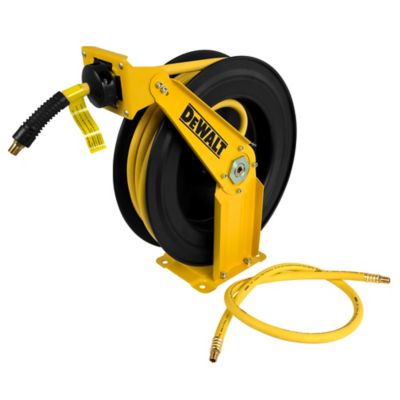
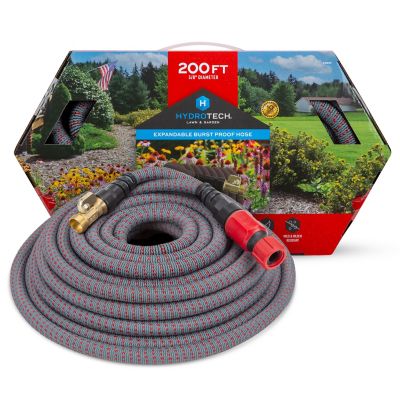
Replacement pressure washer hoses help bring a worn, cracked or damaged cleaning setup back into working shape without replacing the entire pressure washer. A hose takes plenty of abuse over the years: it gets dragged across concrete, looped around a truck tire, left in the sun, pinched under a gate and packed away with a little water still inside. Small cuts, bulges, stiff spots and leaking connections are all signs that it may be time for a new one. These hoses are made to carry pressurized water from the washer pump to the spray gun, so they are built differently from an ordinary garden hose. When shopping, start by checking the maximum PSI rating of the pressure washer and choose a replacement hose rated to meet or exceed that number. Many home pressure washers operate somewhere between 2,000 and 3,600 PSI, while some heavier-duty machines produce more. The hose should never be rated below the washer’s output. Length matters, too. A shorter hose can feel lighter and easier to coil when cleaning a porch or small patio, while a longer hose gives more reach around a barn, driveway, livestock trailer or full-size pickup without moving the machine as often. Keep in mind that extra length may add weight and can slightly affect handling, especially when the line is full of water. For general upkeep around a rural home, farmstead or shop, a dependable replacement hose can make it easier to wash mud from equipment, rinse feed bins, clean fencing, freshen up siding and clear built-up grime from outdoor surfaces as the weather warms or during the cooler months.
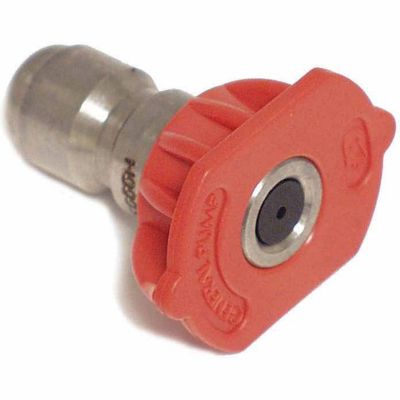
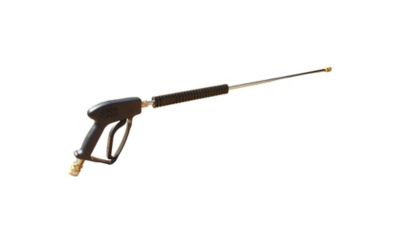
Compatibility is the detail that saves the most trouble at the fitting counter. Before ordering, look at the connections on the old hose and check the pressure washer’s manual, model information or existing fittings. Many machines use M22 threaded connections, but the thread size and internal configuration can vary, and some setups use quick-connect fittings or require an adapter between the hose, pump and spray gun. A hose that appears close in size may not seal correctly if the fitting style is wrong. Compare both ends of the replacement hose, since the pump connection and spray-gun connection are not always the same. It is also worth checking the condition of the O-rings inside the fittings. A flattened, cracked or missing O-ring can cause a drip even when the hose itself is in good shape; replacing the seal or adapter may be all that is needed for a snug connection. To install a compatible hose, shut off the pressure washer, turn off the water supply and squeeze the spray-gun trigger to release trapped pressure. Unscrew the old hose from the pump and spray gun, keeping track of any adapters, then inspect the threads and seals for dirt or damage. Hand-tighten the new connections first so they do not cross-thread, and use a wrench only as needed for a firm fit. Avoid twisting the hose sharply while tightening. Once connected, turn on the water and check for leaks before starting the washer. Let water flow through the gun briefly to purge air, then start the machine according to the owner’s instructions. Never try to repair a high-pressure hose with duct tape, clamps or makeshift fittings, and do not use a hose with exposed reinforcement, a blister, a deep abrasion or a split end.
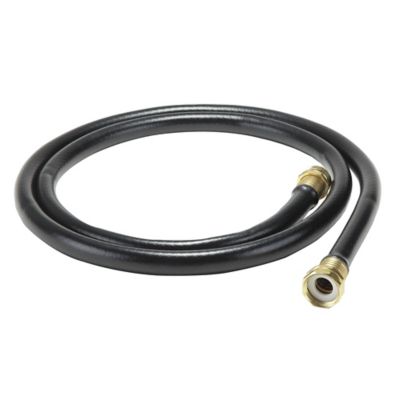
A replacement pressure washer hose is a practical choice for homeowners, farmers, property managers, contractors and anyone who spends time keeping outdoor surfaces in shape. It can be a handy gift for someone who washes a boat, camper, horse trailer, side-by-side or work truck, especially when the original hose has become hard to handle after years of use. For a homeowner, a flexible hose with the right reach can turn a slow chore into a more manageable Saturday morning, whether the job involves rinsing pollen from outdoor furniture, cleaning a muddy walkway or preparing a deck before staining. Look for construction that balances flexibility with durability, since a hose that stays pliable is easier to guide around posts and corners, while a rugged outer cover helps it stand up to rough ground and regular dragging. After each use, shut down the machine, release pressure and drain as much water as practical before coiling the hose in broad loops. Store it out of direct sunlight and away from sharp tools, freezing temperatures, fuel and farm chemicals. Do not leave it kinked beneath heavy equipment or wound tightly around a small reel, as those habits can shorten its life. A pressure washer hose should not be confused with a household supply line; for plumbing connections to a clothes washer, see
Washing Machine Water Supply Hoses. With the correct PSI rating, length, fitting style and connection size, a replacement hose can keep a familiar pressure washer ready for cleanup jobs all through the changing seasons.