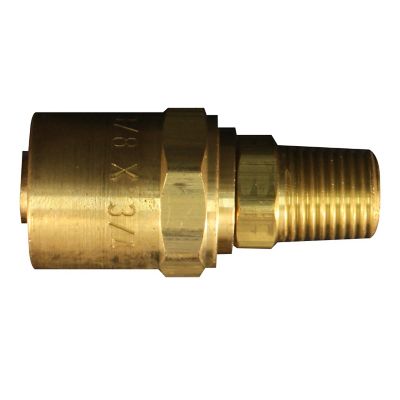
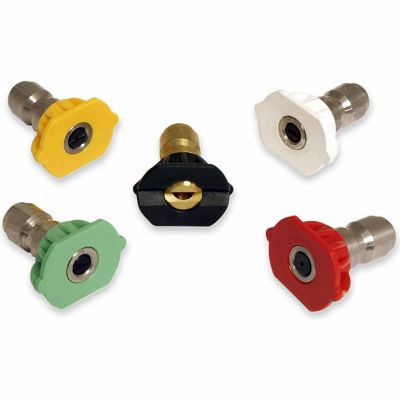
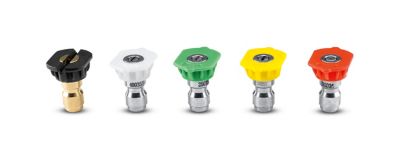
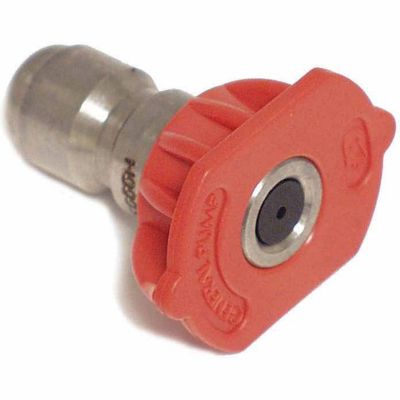
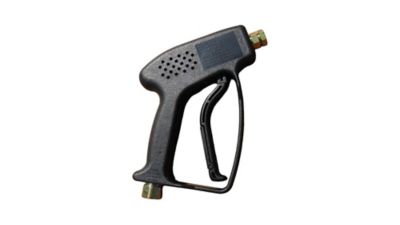
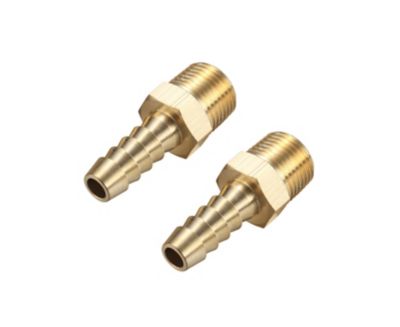
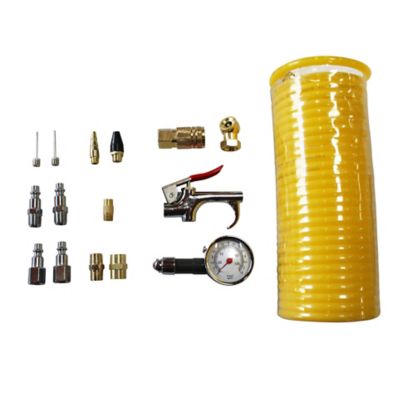
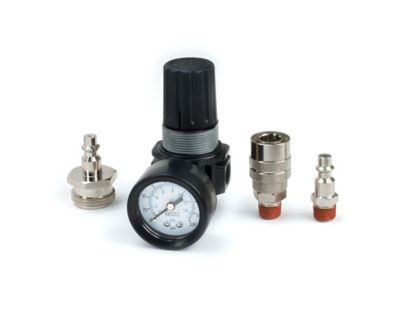
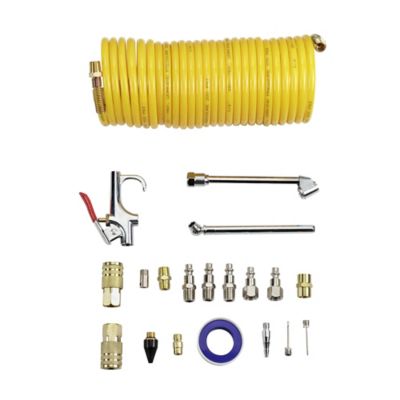
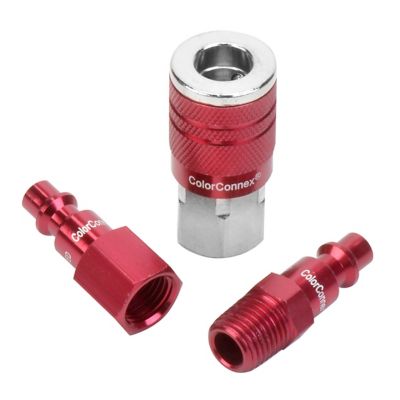
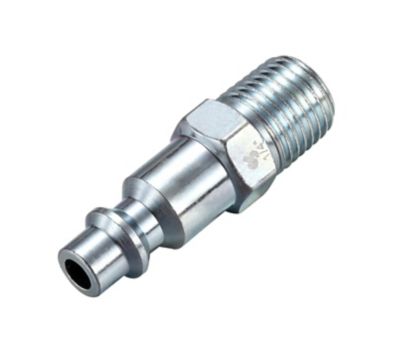
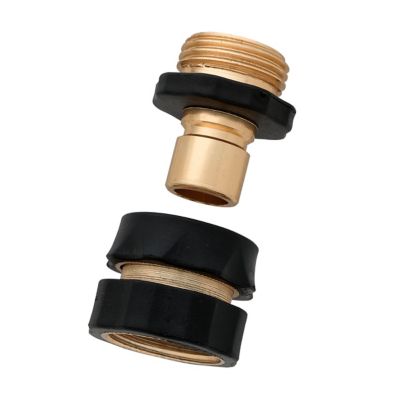
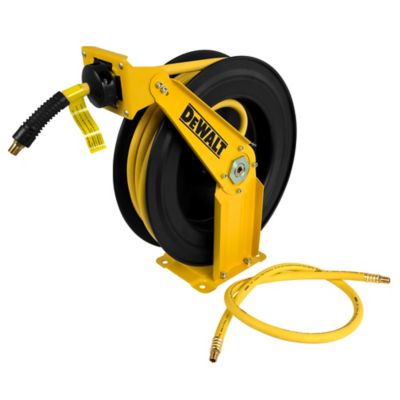
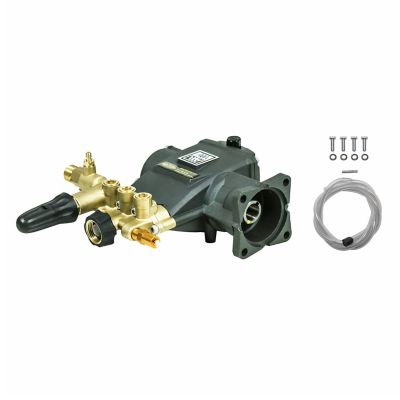
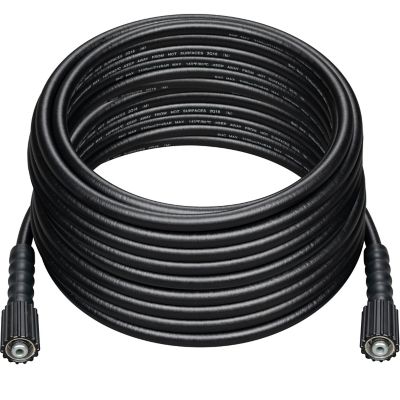
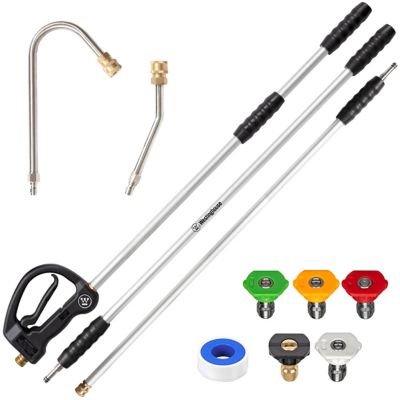
Pressure washer hose fittings connect the water supply, pump, high-pressure hose, and spray gun through threaded or quick-connect connections, with different fittings serving the low-pressure inlet and high-pressure side of the machine. These small parts have a big job: keeping connections secure while water moves through the system at its intended working pressure. Around a farm, acreage, or busy home shop, that matters when there’s dried mud on equipment, grime along a concrete walkway, or another round of cleanup waiting by the barn. The right connection helps keep the work moving without a steady drip at your boots or a hose end that takes a wrestling match to attach. Pressure washer hose connectors come in several common thread styles and coupling sizes, so matching the connection matters more than matching how a fitting looks. M22 threaded fittings have a 22-millimeter nominal thread diameter, but their sealing connection can differ, including common 14-millimeter and 15-millimeter versions. Those measurements describe the internal connection, not the hose length or outside diameter. M22-14mm connections appear on many gas-powered machines, while M22-15mm connections appear on some electric machines, but the power source alone does not establish compatibility. Equipment specifications are the better reference, since mismatched sealing dimensions can prevent a proper fit or lead to leaks. Quick-connect fittings offer a different approach, pairing a plug with a matching socket that locks into place. A 3/8-inch quick-connect size is common for high-pressure hose connections, while 1/4-inch connections are common around spray wands and nozzle attachments. These are common arrangements rather than universal rules. For anyone replacing a missing connector, extending a hose run, or making setup less fussy, the important purchase details are the connection style, nominal size, male or female ends, and the exact mating dimensions. A fitting that threads on partway or nearly snaps into place is not necessarily a match, even when the two pieces seem close at first glance.
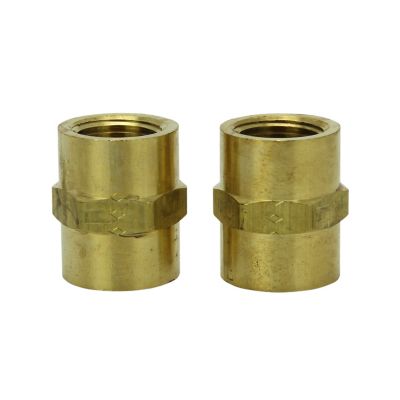
Pressure washer hose fittings also need working-pressure and temperature ratings suited to the equipment they connect. A fitting’s maximum working pressure should meet or exceed the machine’s maximum operating pressure, and every component in the assembled connection needs an appropriate rating. A high rating on one adapter does not raise the limit of the hose, spray gun, or coupler beside it. Burst pressure is a separate specification, not a substitute for the working-pressure rating when comparing parts. Temperature deserves the same attention, especially for hot-water equipment, because both the fitting body and its seals must suit the operating conditions. Brass and stainless steel are common fitting materials, valued for corrosion resistance and strength, but material alone does not establish a pressure rating or confirm compatibility. The manufacturer’s specifications remain the deciding factor. Thread type matters just as much. Standard U.S. garden hose connections typically use 3/4-inch garden hose thread at the machine’s low-pressure water inlet. These connections are not interchangeable with National Pipe Thread, or NPT, connections of the same nominal size. NPT threads taper and generally require a suitable thread sealant as specified by the manufacturer, while garden hose connections typically seal against a washer. Many M22 and quick-connect pressure washer fittings seal with O-rings rather than through the threads themselves. That distinction helps explain why turning a leaking connection tighter is not always the answer. A missing, cut, flattened, or hardened seal can let water escape even when the fitting body appears sound. Compatible replacement seals need the correct dimensions and a material suited to the water temperature and any cleaning solution that reaches them. There’s a familiar kind of frustration in getting the machine out, laying the hose across the driveway, and finding that one small connection holds up the whole job. Shopping by the full fitting specifications, rather than appearance alone, helps avoid that delay. It also makes it easier to tell whether the job calls for a replacement coupler, a thread adapter, or a hose-to-hose connector.
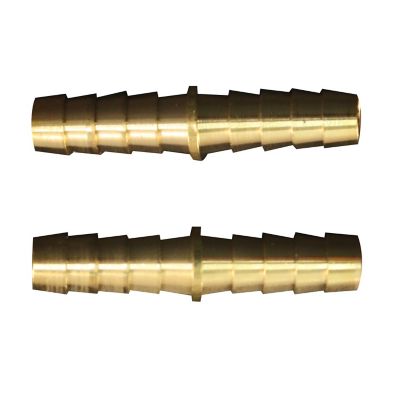
Different properties and work routines call for different pressure washer hose connection setups. A homeowner cleaning a driveway may value connections that are easy to attach and store, while someone tending livestock facilities or maintaining equipment may connect and disconnect a hose several times during a day’s work. Quick-connect couplers can cut down on repeated threading, particularly when the hose comes off the machine between jobs. Threaded connections may suit an existing setup without adding conversion pieces. Hose-to-hose fittings can make a longer reach possible when the equipment supports it, although added hose length and restrictions can affect pressure at the spray gun. Adapters help bridge compatible connection styles, but each added joint introduces another sealing point and some extra length or weight at the connection. Keeping the arrangement straightforward can make a hose easier to handle beside a fence line, around a trailer, or across a crowded wash area. For shoppers comparing a broader equipment setup,
Pressure Washer Kits offer another place to consider how the hose, attachments, and connections fit together. Whatever the setup, fitting selection works best alongside the machine’s manual and the specifications for both components being joined. Features such as a gripping surface or a sleeve that is easy to operate may matter when hands are wet or work gloves are part of the routine. A swivel fitting rated for the application may help reduce twisting at a connection, though it does not replace careful hose routing. During the cooler months, getting water out of fittings and following the equipment’s winter storage requirements become especially important wherever freezing temperatures are possible. Water trapped inside a connector can freeze and damage the body or seals. Keeping disconnected ends clear of grit also helps protect sealing surfaces between jobs. Before any connection is loosened, the machine needs to be shut down and trapped pressure relieved according to its instructions. Whether the next chore is washing muddy wheels or clearing grime from a work area, properly matched pressure washer hose fittings help make the connection between getting set up and getting the job finished a little smoother.