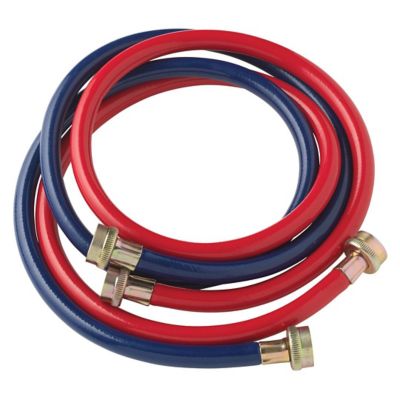
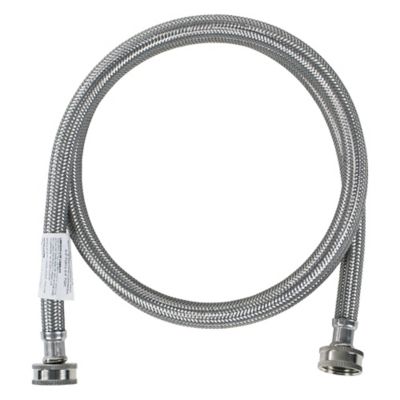
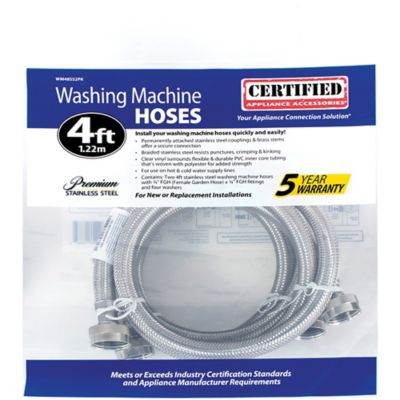
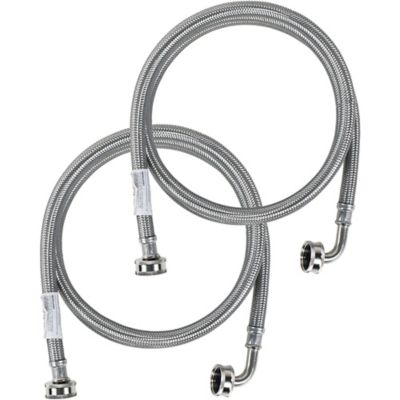
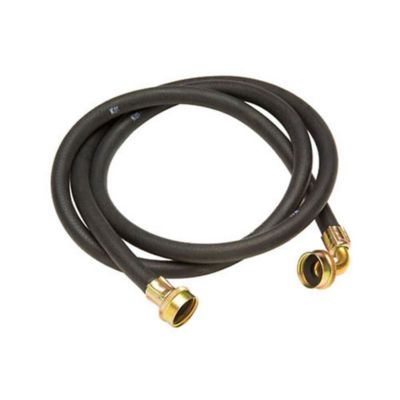
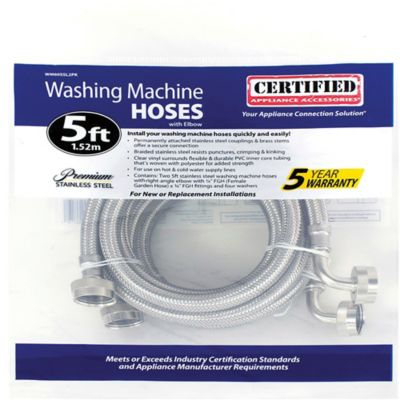
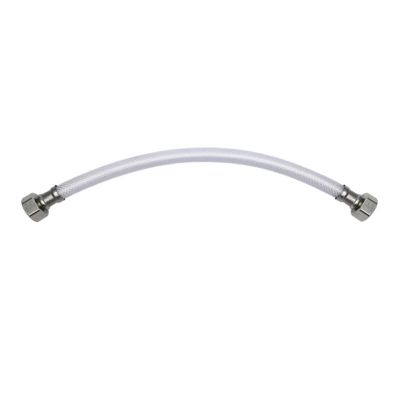
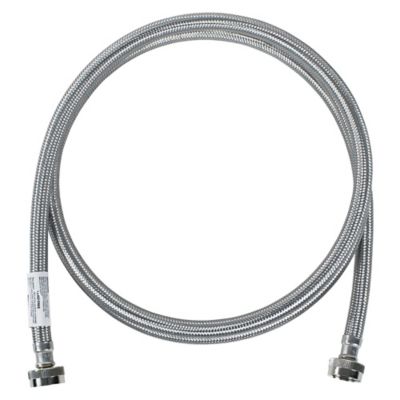
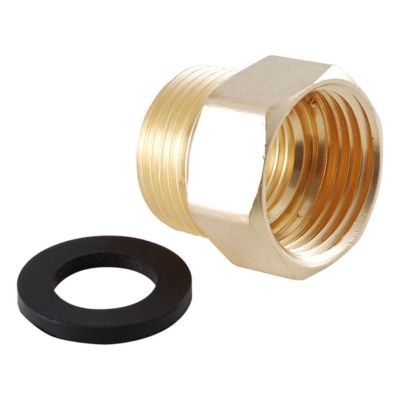
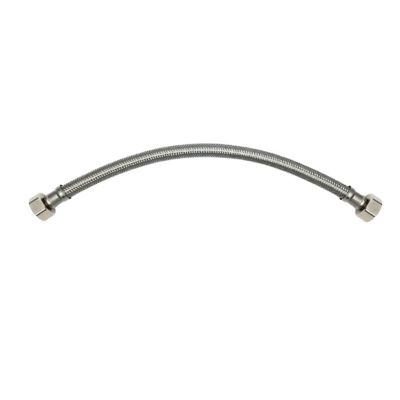
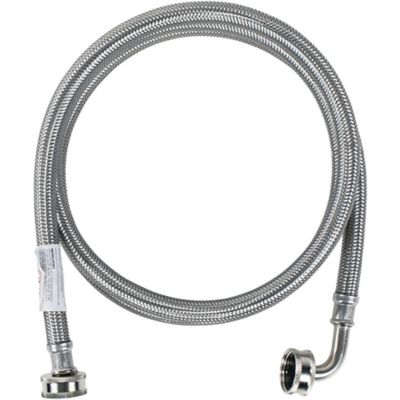
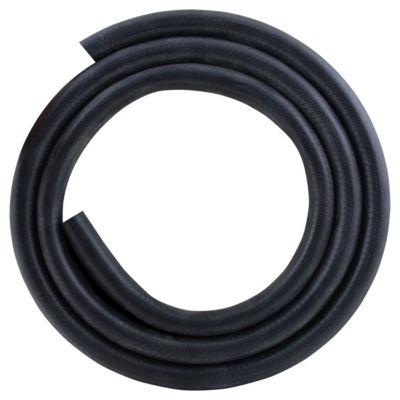
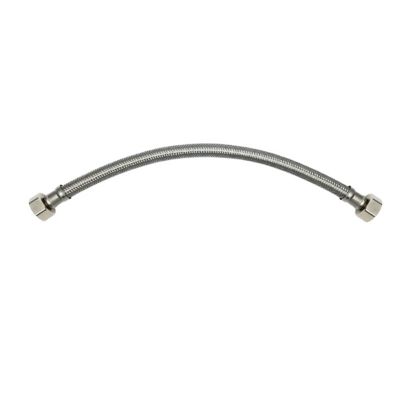
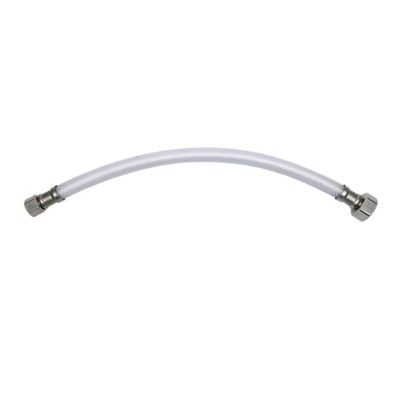
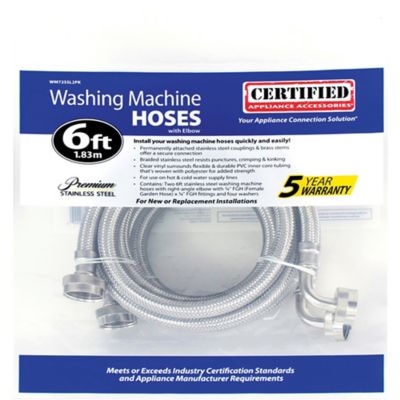
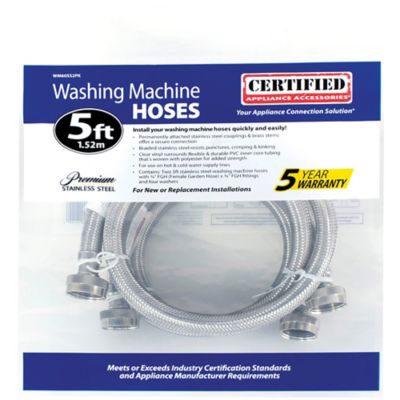
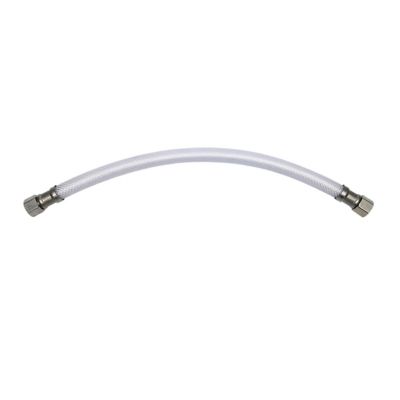
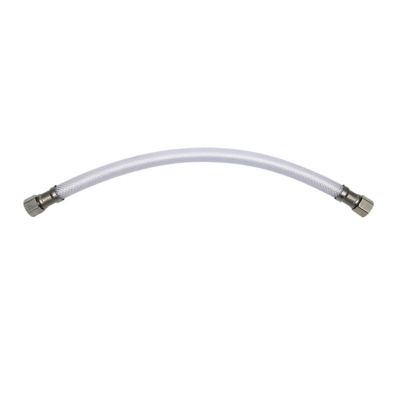
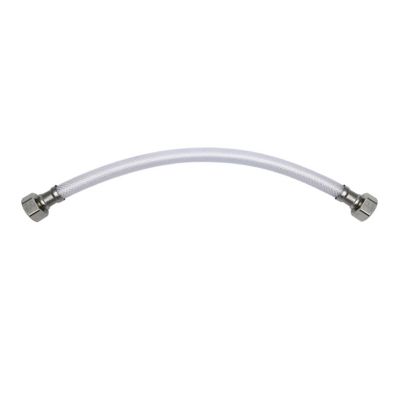
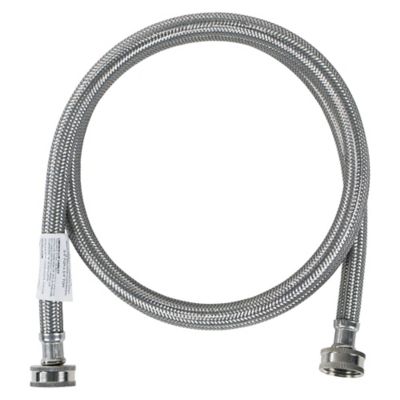
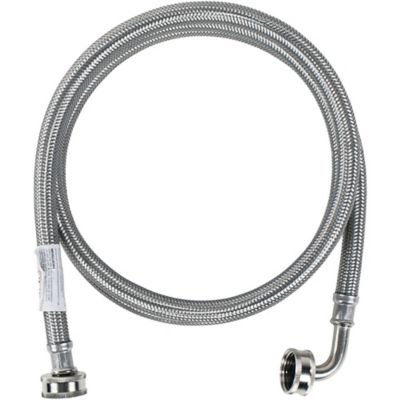
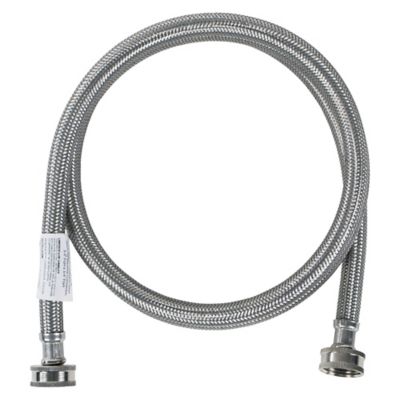
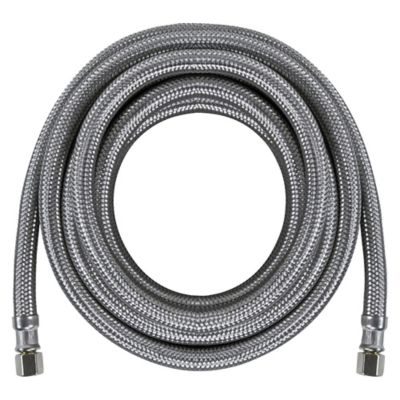
Washing machine water supply hoses connect the hot and cold water valves at the wall to the inlet ports on the back of a washer. They carry pressurized water every time a load begins, so the right hose can make a noticeable difference in a laundry room, mudroom, basement, or utility shed. Whether you are replacing a hose that has started to seep, setting up a washer in a new home, or keeping a spare on hand before the cooler months arrive, pay close attention to connection type, length, and hose construction. Most household washers and wall valves use a 3/4-inch female hose thread, while common lengths fall between 4 and 6 feet. Measure the path from the supply valve to the washer inlet rather than relying on a guess. A hose that is too short may pull against its fittings, while one that is much longer than needed can form a sharp bend behind the machine. Leave enough room to slide the washer forward for cleaning and service, but keep the hose from rubbing against the cabinet, floor, or drain pan. Stainless steel braided hoses are built with a protective outer braid around an inner water line and are often selected where extra burst protection is a priority. Rubber and reinforced PVC options can suit many standard laundry hookups as well. Look for hoses with threaded fittings that match your machine, along with washers or O-rings made to form a snug seal inside the connector. If your laundry area sits near a well room, barn entry, or busy mudroom where grit and temperature swings are common, a quick inspection can help you spot a problem before a small drip turns into a wet floor.
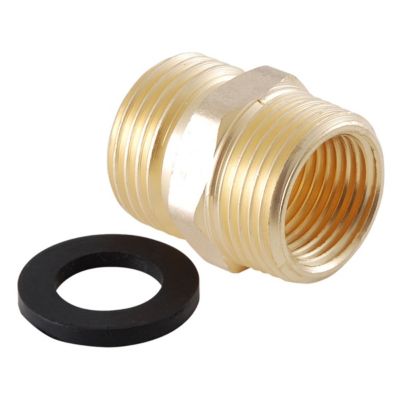
Before working on a washer connection, unplug the machine and close both the hot and cold water supply valves. Pull the washer out carefully, keeping the drain hose in place, and have a shallow pan or folded towel ready for the small amount of water that may remain in the line. Check each connector for a flat rubber washer or O-ring. These pieces sit inside the fitting and help create the watertight seal; without one, even a snug connection may leak. Start each fitting by hand so the threads line up smoothly. Cross-threading can damage the valve or inlet and make a simple hose change far more troublesome. Once the fittings are seated, hand-tighten them and then give each one a gentle additional turn with pliers or an adjustable wrench. A light touch is important. Overtightening can pinch the washer, damage the threads, or place stress on the valve. Open the water valves slowly while watching both ends of the hose. Run a short rinse or fill cycle and check again with a dry paper towel around each connection. If the towel picks up moisture, close the valve and reseat the fitting rather than continuing to tighten harder. Keep the hose in a smooth curve with no kinks, twists, or tight bends. After installation, glance over the hoses from time to time, especially after moving the appliance or doing work near the laundry hookups. Bulges, cracking, rust at the braid, dampness, or a change in water flow are all good reasons to plan a replacement. Sediment and mineral buildup can collect around inlet screens and fittings, too, particularly in areas with hard water, so inspect those points if the washer fills more slowly than usual.
These washer hoses fit into the practical rhythm of keeping a home, rental property, workshop, or farm household running. A landlord may keep a spare set with other maintenance supplies, while a homeowner moving a washer to a basement or second laundry area may need a different length than the original setup. They can also make a useful addition to a housewarming basket for someone settling into a new place, especially alongside other everyday laundry necessities. When selecting a pair, confirm whether the washer needs separate hot and cold connections and compare the hose length with the distance to the wall valves. Some laundry spaces have valves directly behind the machine, while others place them in a recessed box or several feet away, so a careful measurement helps prevent strain. During the cooler months, pay attention to laundry areas located along exterior walls, in garages, or in outbuildings where freezing temperatures may affect water lines. A hose itself should not be exposed to freezing conditions, and the washer supply should be shut off if a space will sit unheated for an extended stretch. For broader household plumbing needs, browse
Supply Hoses. With the correct thread size, a suitable length, intact sealing washers, and a little room for smooth routing, a water supply hose can help your washer fill as it should and keep routine laundry from turning into an unexpected cleanup.