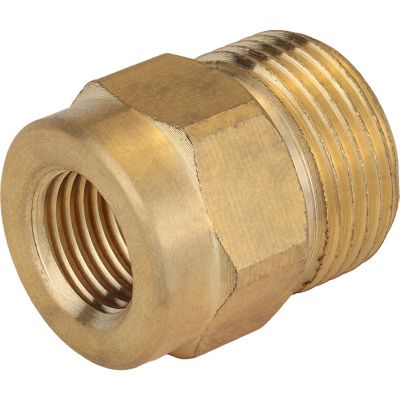
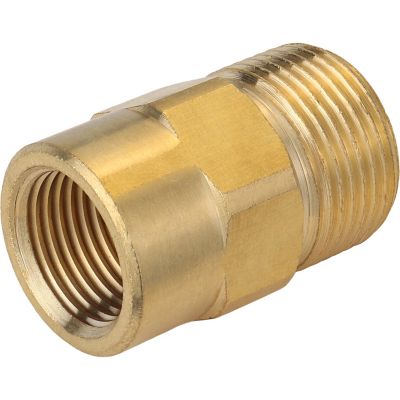
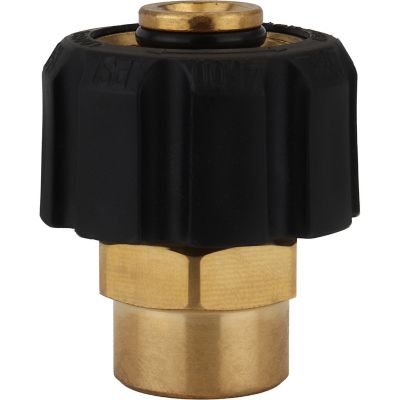
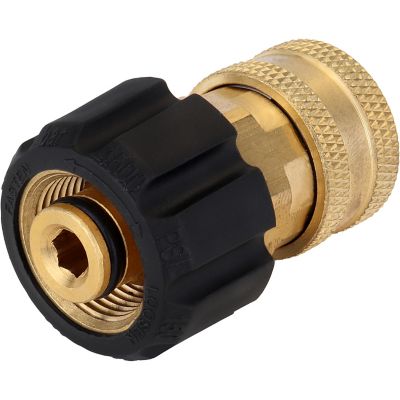
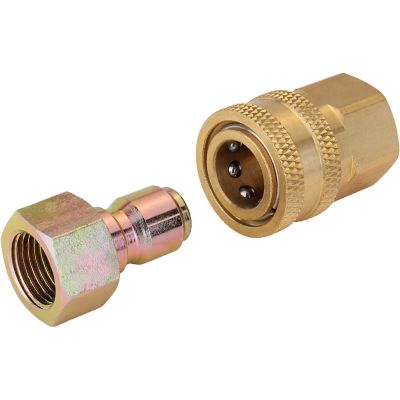
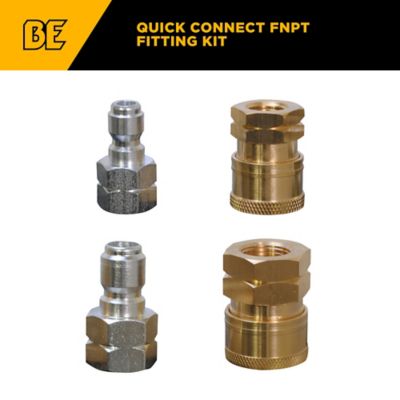
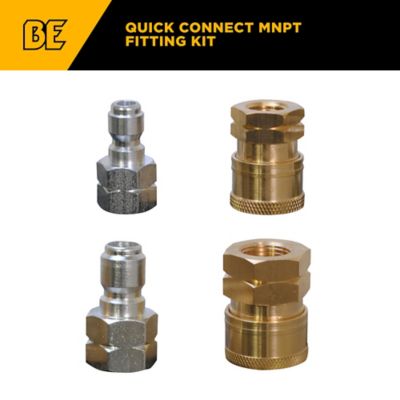
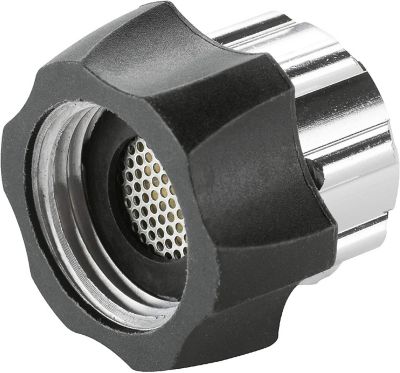
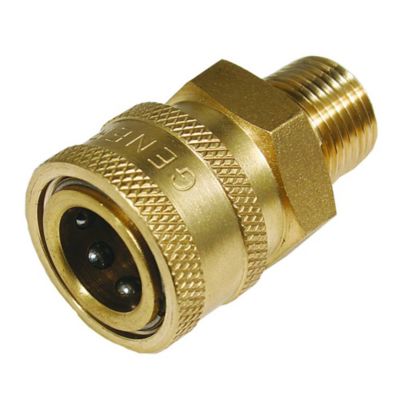
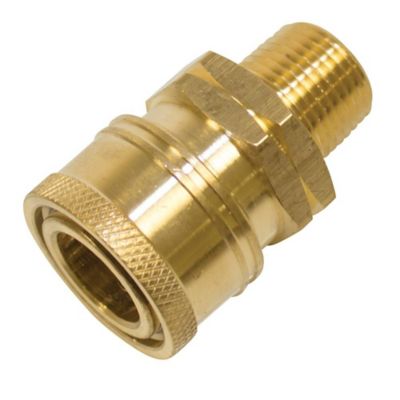
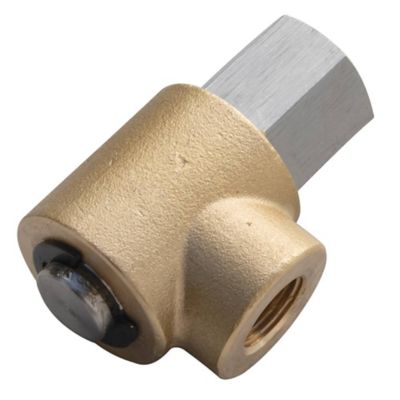
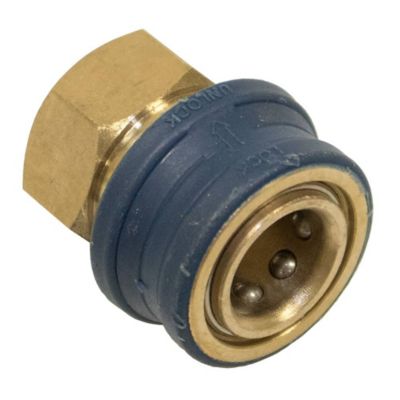
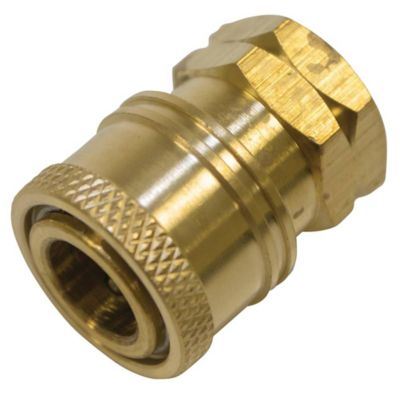
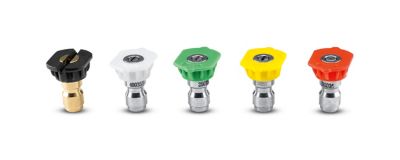
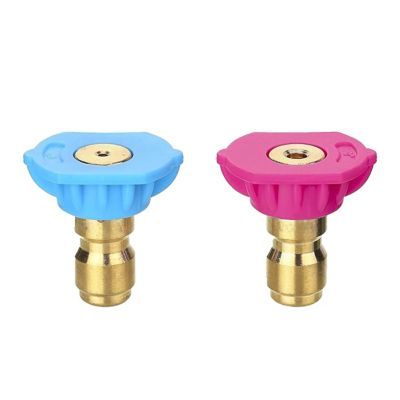
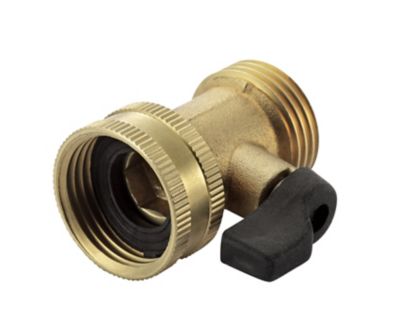
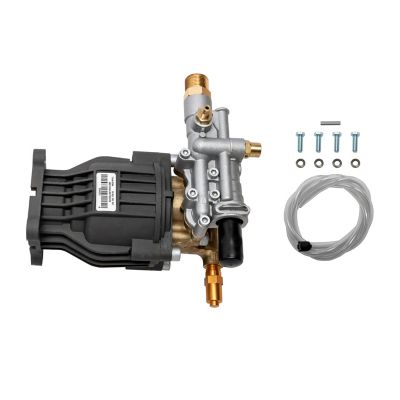
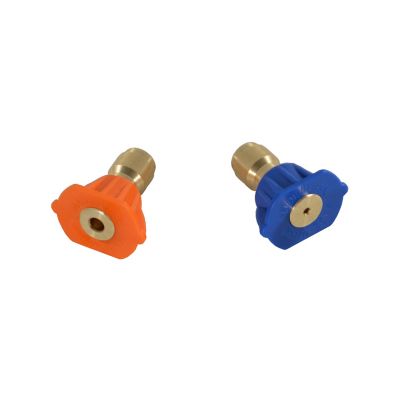
Pressure washer fittings connect the water supply, pump, high-pressure hose, spray gun, wand and cleaning attachments, creating the connections that carry water through the system. Adapters join different connection styles, couplers connect compatible components, and quick-connect fittings make it easier to change between hoses or spray tools without threading each connection together. The right fit matters whether the job is rinsing mud off a farm trailer, cleaning a concrete walkway or washing equipment around the barn. A fitting needs to match more than the opening it screws into: thread style, connection size, sealing design and pressure rating all affect how it performs. The water-supply side generally has garden-hose connections, while the high-pressure side calls for fittings specifically rated for the machine’s output. Those two sides are not interchangeable. Common connection styles include M22 metric threads, National Pipe Taper threads, often called NPT, and quick-connect plugs and sockets. M22 connections have a nominal 22-millimeter thread diameter, but their 14-millimeter and 15-millimeter sealing dimensions can differ, so the M22 designation alone does not establish compatibility. Quarter-inch and three-eighths-inch quick-connect fittings are also common, though the stated size does not mean every connector with that measurement will mate correctly. A plug and socket need compatible profiles as well as matching sizes. Male and female ends describe how the pieces join, not whether they suit a particular washer. Equipment specifications and the dimensions of the existing connection provide a better starting point than appearance alone. That distinction is especially helpful when a hose and spray gun come from different equipment setups. A properly matched adapter can bridge compatible connections without replacing the entire assembly, while an incorrect adapter can leave the sealing surfaces short of contact even when the threads seem to engage. With pressure washer fittings, a connection that looks close is not enough for a secure, leak-free setup.
Materials and construction play a big part in how fittings handle water, repeated connections and everyday knocks around a work area. Brass is common because it resists corrosion and machines well into threaded connections. Stainless steel offers corrosion resistance and strength for demanding applications, while plated steel depends partly on an intact protective finish to keep corrosion at bay. No material makes a fitting suitable for every machine, and a heavy feel does not establish its working-pressure rating. The fitting’s rated working pressure needs to meet or exceed the washer’s maximum output; a burst-pressure figure is not a substitute for that rating. Every component in the high-pressure path matters, since an assembly cannot safely exceed the rating of its lowest-rated part. Internal passage size also deserves attention. A connector with a narrow passage can restrict flow, particularly when several adapters are stacked together or a higher-flow machine feeds a long hose. Seal materials matter, too, especially where cleaning solutions contact the fitting. Compatibility with detergents, water conditions and the equipment’s operating requirements helps support the life of O-rings and other seals. O-ring connections depend on the correct seal size and a smooth mating surface, while NPT connections generally depend on tapered threads and the sealant specified for the application. Thread tape is not a cure for a mismatched fitting or a damaged O-ring. Smooth threads, well-formed sealing surfaces and a quick-connect collar that moves freely are practical details worth considering. Grit caught inside a socket can keep the locking mechanism from engaging fully, and a nick along a sealing surface can cause a persistent drip. Pressure-rated swivel fittings can help reduce hose twist where their design allows, but their connection sizes and intended placement still need to suit the equipment. These details make a difference when a hose gets pulled around a trailer tongue or repositioned several times during a long cleanup.
Different jobs put different demands on pressure washer connections. A homeowner cleaning a driveway may value quick changes between a spray wand and a surface cleaner, while someone maintaining livestock facilities may need a hose layout that reaches gates, walkways and equipment without constant repositioning. Contractors moving between job sites often benefit from a consistent connection style across compatible hoses and tools, cutting down on loose adapters and mismatched ends. Related
pressure washer attachments also bring their own connection requirements, along with pressure and flow limits that need to match the washer. Fittings help those components work together, but they do not increase a machine’s pressure or turn an incompatible attachment into a suitable match. Hose routing matters just as much as the connection itself. A fitting sticking straight out from a pump can take unnecessary strain if the hose bends sharply against a wall or catches on a wheel. An appropriately rated elbow or swivel may help with routing where the equipment allows it, though extra joints also create more places that need inspection. For ongoing care, clean connection ends and protected sealing surfaces go a long way. Keeping disconnected plugs out of gravel and storing small fittings in a clean container helps keep grit away from O-rings and locking collars. Before handling a high-pressure connection, the machine needs to be off and trapped pressure released according to the equipment instructions. A leaking pressurized joint is not something to check with a bare hand. Cracks, damaged threads, distorted collars or recurring leaks call for attention before the next job, rather than another turn with a wrench. Excessive tightening can damage threads or crush a seal without solving the underlying mismatch. Keeping track of connection sizes and seal specifications also makes later replacements simpler. For equipment that sees regular cleanup duty, well-matched fittings support a tidy hose arrangement, straightforward attachment changes and fewer interruptions between rolling out the washer and putting everything away.