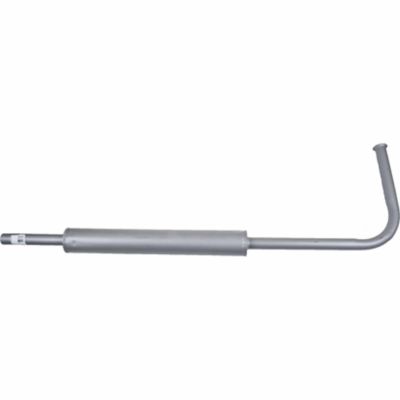
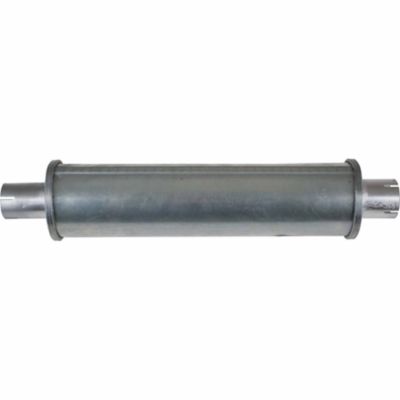
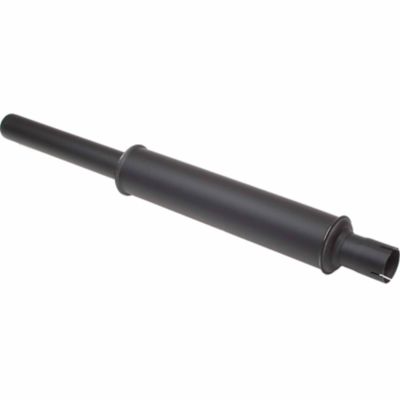
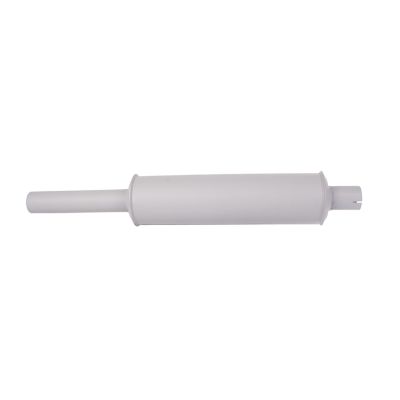
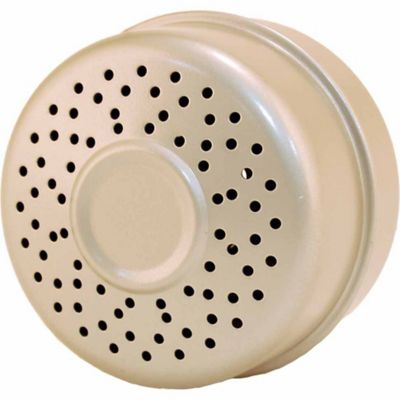
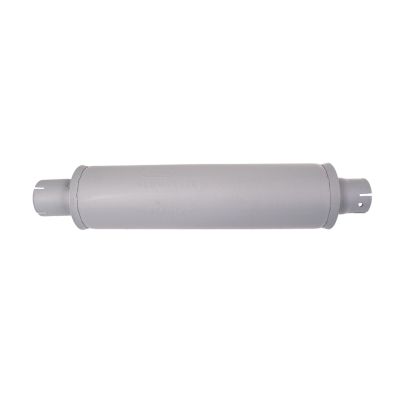
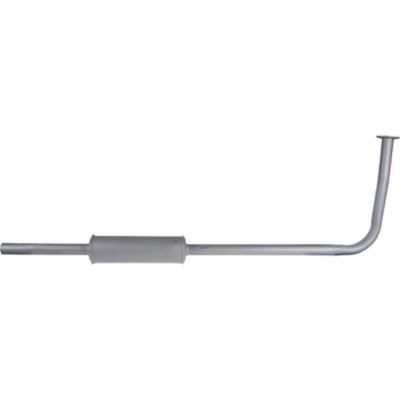
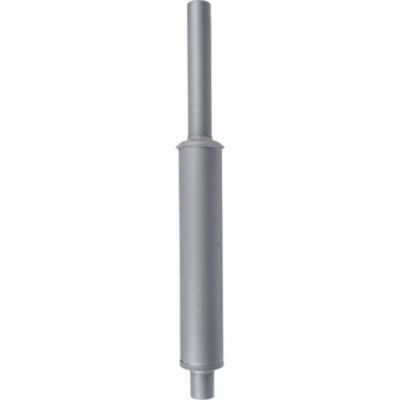
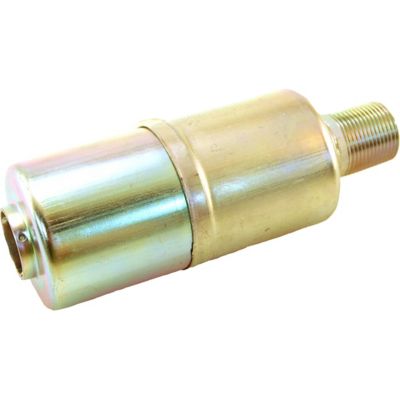
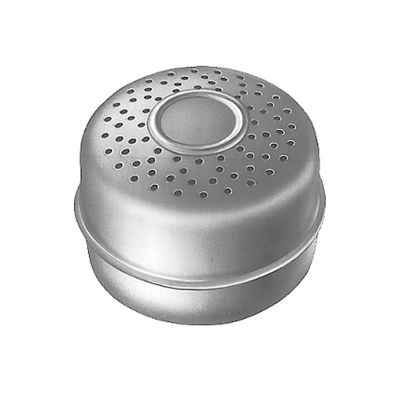
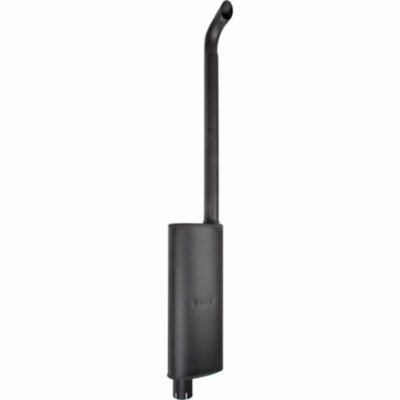
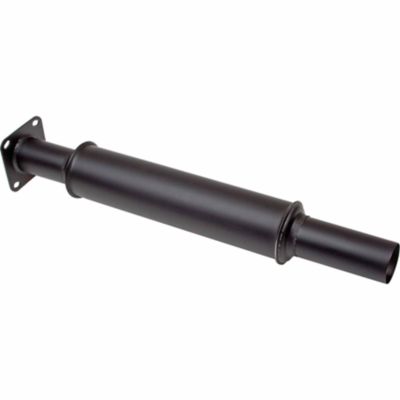
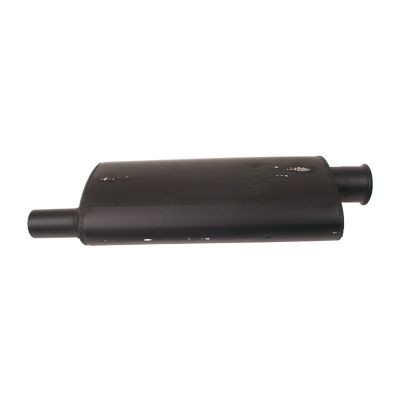
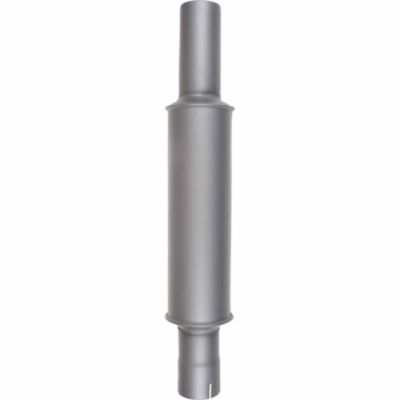
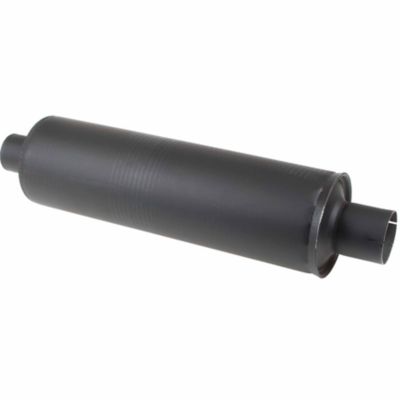
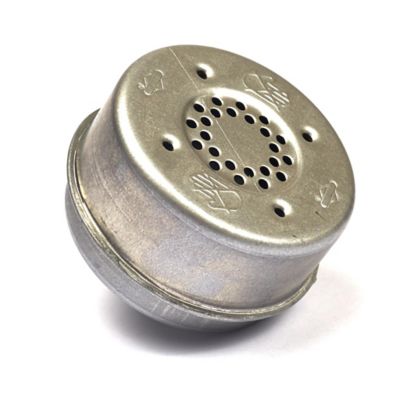
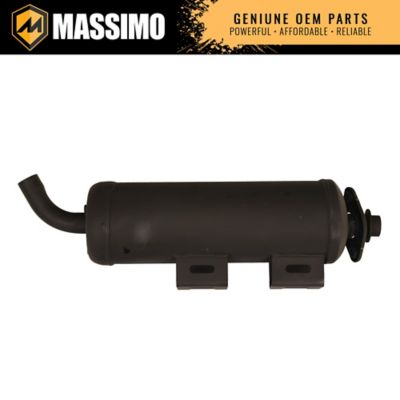
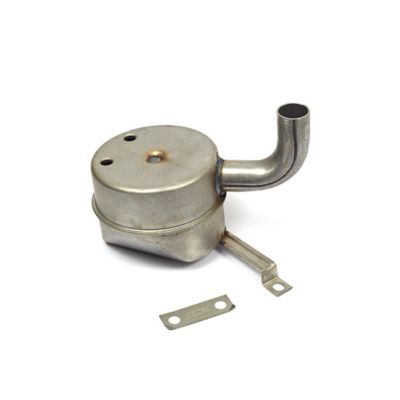
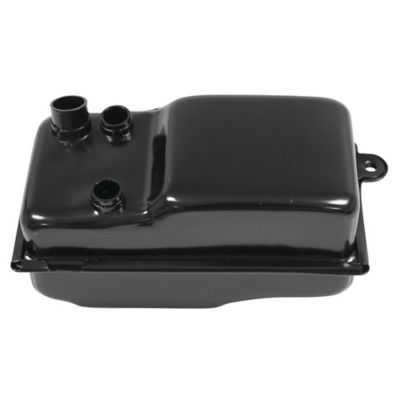
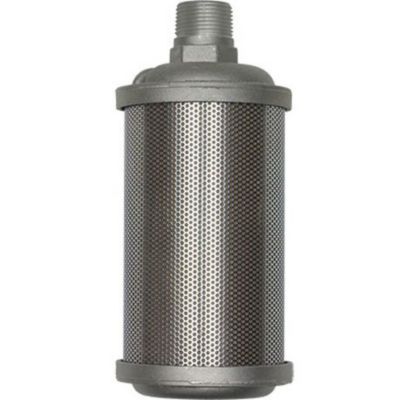
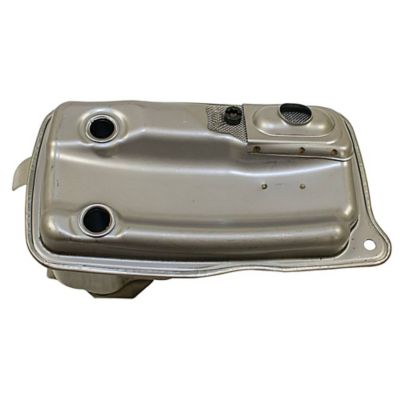
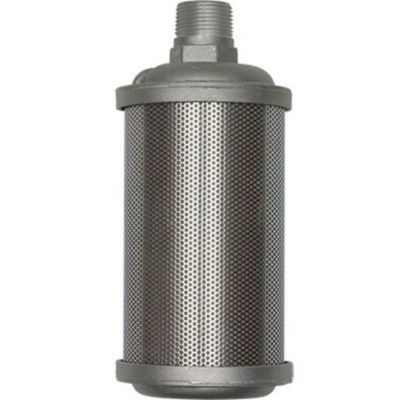
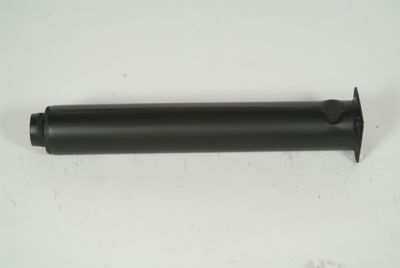
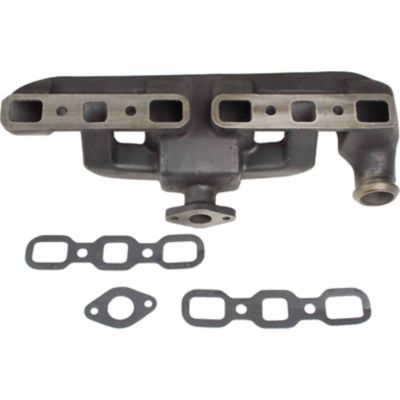
Replacement mufflers help restore a vehicle’s exhaust system when the original muffler is rusted, damaged, excessively loud, or no longer keeping exhaust noise under control. A muffler uses internal chambers, tubes, and sound-absorbing materials to reduce the sharp pressure pulses created as the engine runs, while still allowing exhaust gases to move through the system. When a muffler develops a hole or loose seam, you may hear a deep rumble, rattling from underneath the vehicle, or a louder exhaust note that gets more noticeable when climbing a hill or hauling a trailer. Rust flakes, black soot around a seam, and an exhaust smell near the cab are also signs that the system deserves a close inspection. A replacement muffler can be a practical repair for a daily driver, farm truck, utility vehicle, SUV, or work rig that spends long hours on gravel roads, muddy lanes, and job sites. Choosing the correct part starts with the vehicle’s year, make, model, engine size, and exhaust configuration. Direct-fit mufflers are shaped for a particular application and commonly line up with the existing pipes, flanges, and hangers, making them a good choice when you want a repair that closely follows the original setup. Universal mufflers are made to work with a range of vehicles, but they may require measuring, cutting, adapting, or welding before they fit properly. Before ordering, compare the inlet and outlet diameter, inlet and outlet location, overall case size, pipe direction, hanger position, and connection style. Even vehicles from the same model year can use different exhaust layouts depending on the engine, wheelbase, cab style, or four-wheel-drive configuration. Measuring the old muffler and checking the vehicle’s parts information can help prevent the aggravation of receiving a part that looks close but will not line up. It is also worth inspecting the rest of the exhaust system, including pipes, flanges, gaskets, clamps, heat shields, and rubber hangers. A new muffler cannot make up for a cracked pipe or a broken hanger, and worn supporting hardware can allow the replacement to shake, bang, or pull on nearby connections.
Muffler selection also comes down to the sound and driving experience you prefer. Standard or OE-style replacements are generally intended to provide a controlled, factory-like sound and familiar exhaust flow, which suits commuting, family vehicles, livestock trailers, and trucks used around the house. Performance-style designs may use a more open internal layout to improve exhaust flow and produce a deeper or louder tone. That sound can appeal to drivers who want a more noticeable character from a vehicle, but it may not be the best match for a quiet work truck, a vehicle used for long highway trips, or anyone who spends time hauling animals. Stainless steel can offer added resistance to corrosion in wet, salty, or muddy conditions, while aluminized steel may provide a practical balance of cost and durability for many applications. Pricing varies with the vehicle, material, construction, and whether the muffler is a direct-fit assembly or a universal part. Typical replacement mufflers may cost about $30 to $400 for the part, with higher-cost original-equipment assemblies reaching beyond that range. Installation may add roughly $50 to $200 when handled by a muffler shop or mechanic, depending on access, rust, cutting, welding, and the condition of the surrounding exhaust. A do-it-yourself installation may be manageable when the connections are accessible and the old hardware comes apart cleanly, but exhaust components can become tightly rusted after years of heat and road exposure. Always let the vehicle cool completely, use sturdy jack stands on a solid, level surface, and never rely on a jack alone while working underneath. Wear eye protection when cutting or removing rusty parts, keep the work area ventilated, and check that the finished system is firmly supported and routed away from wiring, fuel lines, brake parts, tires, and the vehicle floor. After installation, start the engine outdoors and listen for leaks, rattles, or contact as the engine is gently raised through its normal range. A replacement muffler can make a vehicle more comfortable to drive and help keep exhaust where it belongs, but it is not a substitute for repairing catalytic converters, oxygen-sensor issues, emissions equipment, or other problems elsewhere in the exhaust system. For owners handling several repairs at once, it can be useful to group exhaust work with routine under-vehicle maintenance, including inspecting suspension points, fasteners, and
Replacement Bearings where applicable. Whether the vehicle is headed down a back road before daylight, pulling equipment during the cooler months, or sitting through wet weather between jobs, the right replacement muffler should match the vehicle, the desired sound, and the way the vehicle is actually used.