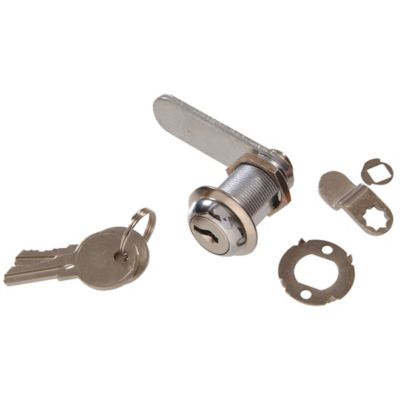
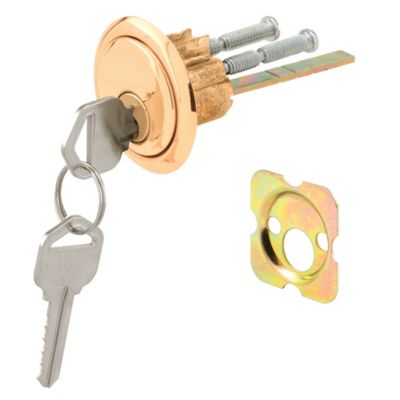
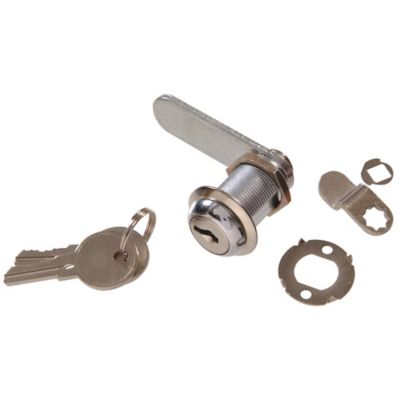
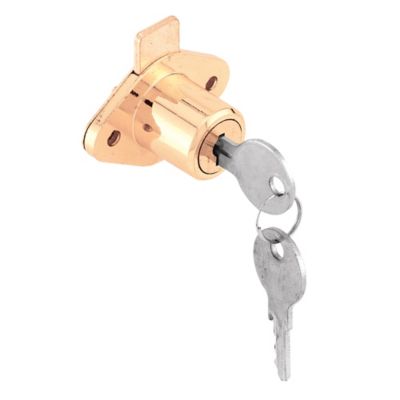
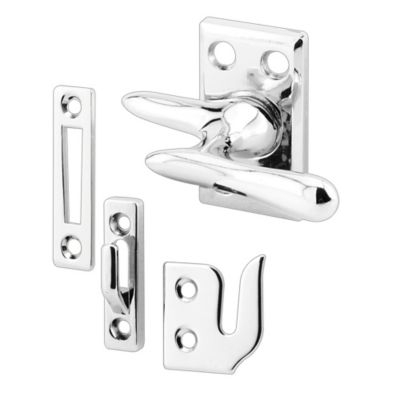
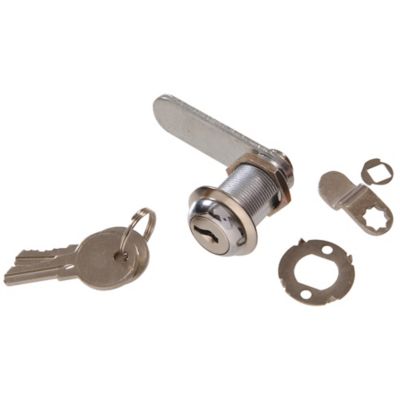
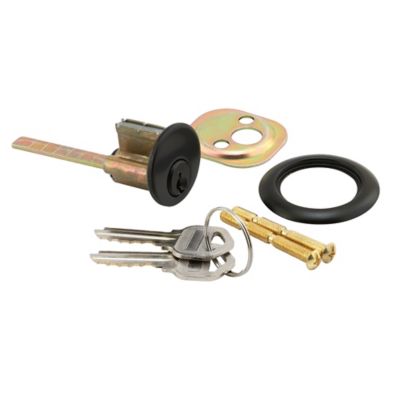
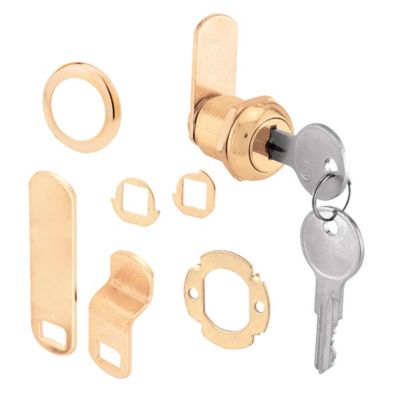
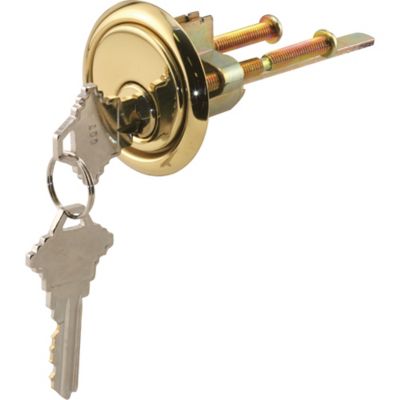
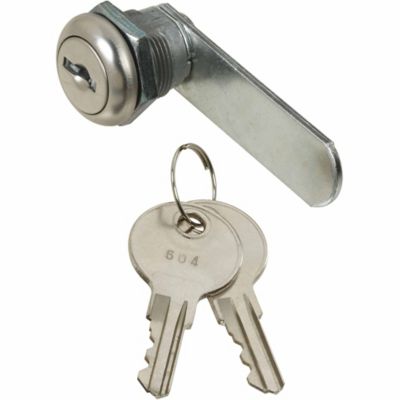
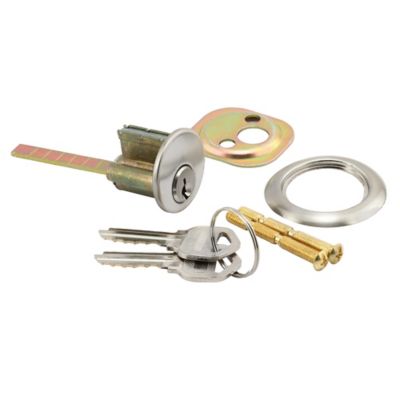
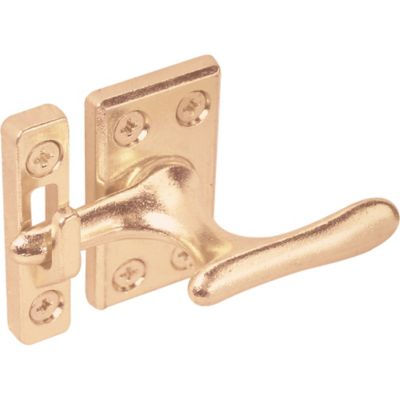
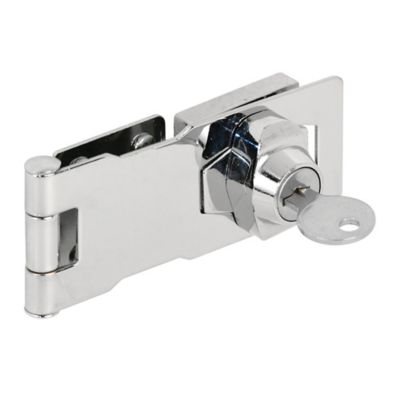
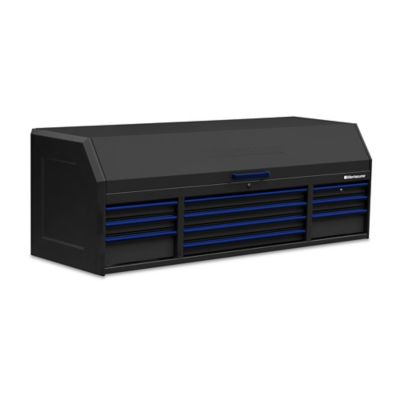
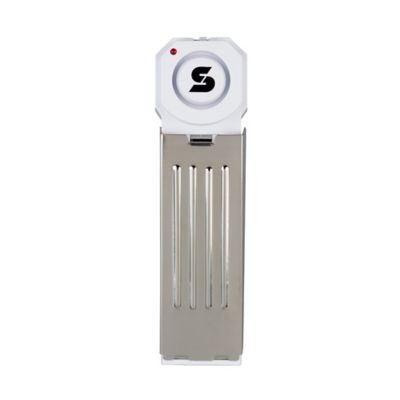
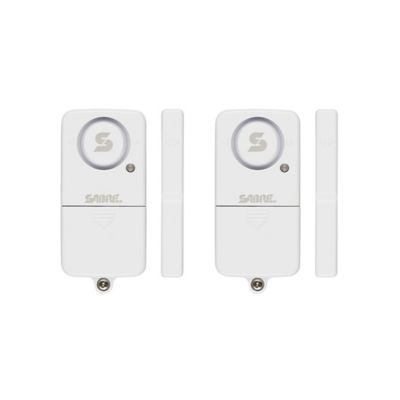
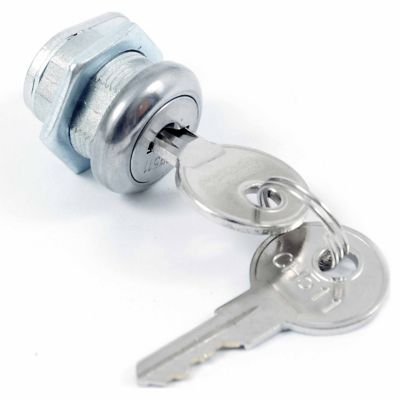
Replacement locks for cabinets help restore controlled access to storage when a key goes missing, a cylinder stops turning smoothly, or an old latch no longer catches. A compatible replacement fits the cabinet’s existing opening, reaches through the door or drawer front, and engages the catch without interfering with normal movement. That fit matters whether the cabinet holds farm records in a home office, small tools beside a workbench, or supplies in a shared shop. Many cabinet locks are cam locks: turning the key rotates a metal arm, called a cam, behind the panel to hold the door or drawer closed. The cylinder typically sits through an opening in the front and is secured from behind with a retaining nut or clip. Other designs operate a sliding bolt or connect to a mechanism that secures several drawers together. Those differences make replacement cabinet locks more than a matter of matching the appearance of the keyhole. A lock for a single cupboard door may not work with a filing cabinet’s linked drawer system, even when the front faces look similar. The cabinet itself also affects the result. A sagging hinge, loose drawer slide, bent catch, or swollen panel can put pressure on the latch and make a sound lock feel stubborn. Replacing the cylinder alone will not correct those problems. For homeowners, shop managers, office staff, and folks keeping track of shared equipment, cabinet locks offer a practical way to separate everyday supplies from belongings that need more restricted access. They can help keep paperwork private and keep small parts from wandering between work areas. Their protection still depends on the cabinet’s construction, hinges, and mounting points; an ordinary locking cabinet is not a substitute for a safe or for storage required by a particular safety rule. Matching the lock to the job keeps expectations grounded and helps the cabinet remain useful.
Fit starts with several measurements that work together: the diameter and shape of the mounting opening, the thickness of the panel, the cylinder’s usable mounting length, and the position of the cam or bolt. Cylinder diameter and cylinder length describe different dimensions, so one matching number does not establish compatibility. A barrel must extend far enough through the panel for its retaining hardware to engage, while leaving room for the locking arm to move. Wood doors often need a different mounting length than thin sheet-metal doors, and trim rings or spacers can affect that fit. Some openings are round; others have flats or another shape that prevents the lock body from spinning when the key turns. The back of the lock deserves just as much attention as the front. A straight cam and an offset cam can reach different catch positions, and the arm’s length determines whether it reaches the frame without striking nearby hardware. Its direction of rotation and resting position also need to suit the door or drawer. On a two-door cabinet, the lock may depend on the other door being held shut by separate hardware. On a drawer cabinet, clearance behind the drawer front can be tight, especially near slides, dividers, or a central locking bar. Comparing the existing assembly with the replacement specifications helps account for those details before a cabinet is put back into service. Original lock markings, cabinet model information, and key codes can help narrow the match, but a matching code alone does not confirm the dimensions or mounting arrangement. Some cabinets accept a standard cam-lock configuration, while others need a replacement made for their particular latch system. The retaining nut, clip, cam, washers, and fasteners also matter; included hardware varies by lock design. A well-matched replacement lets the key turn without forcing the door into position and keeps the latch engaged without scraping the frame. It should also leave the door or drawer free to open fully once unlocked, rather than creating a new obstruction inside the cabinet.
Materials, finish, and everyday handling influence how a replacement lock holds up over time. Cabinet lock bodies and components may be made from brass, zinc alloy, or steel, with plated finishes that help protect exposed surfaces. The finish is worth considering for cabinets near utility sinks or in work areas where splashes and cleaning products are common, though a plated surface does not make every lock suitable for wet locations. A smooth face is easier to wipe clean, and snug mounting hardware helps prevent movement that can wear the opening or strain the latch. On wood and composite panels, overtightening can crush the material around the hole; on metal panels, an uneven fit can leave the lock tilted or loose. Care is usually straightforward: keep dust and grit away from the keyway, wipe the face with a soft cloth, and follow the lock maker’s recommendations for cleaning and lubrication. Heavy oil can collect dirt, so a lubricant should be suitable for the cylinder rather than simply whatever is on the shop shelf. A bent key, a crowded key ring, or repeated twisting against a misaligned latch can add unnecessary strain. Key arrangements deserve some thought, too. Keyed-alike locks can make access simpler when one person looks after several cabinets, while separately keyed locks can keep access divided among work areas. The tradeoff is that a lost shared key may affect more than one cabinet. For shoppers comparing keyed options,
Cabinet Locks With Keys is a related category to consider alongside mounting dimensions and latch style. Keeping a spare key in a separate, designated place can save trouble without leaving it hanging beside the cabinet. Checking that the latch engages fully, the mounting hardware stays snug, and the key turns freely helps catch small problems before they interrupt the workday. With the right fit and sensible care, a replacement lock can keep an otherwise sound cabinet serving its purpose without replacing the whole storage unit.