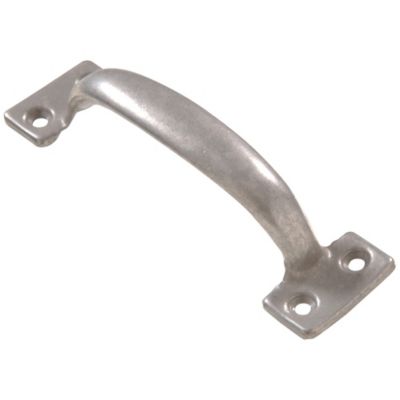
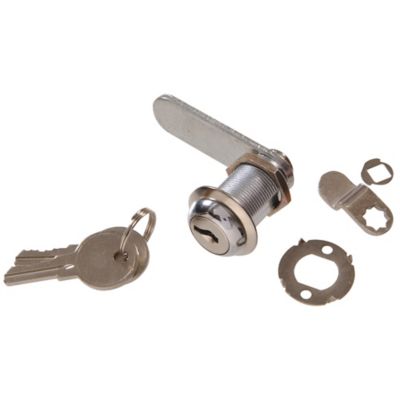
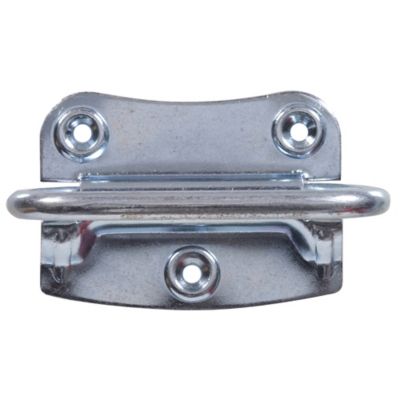
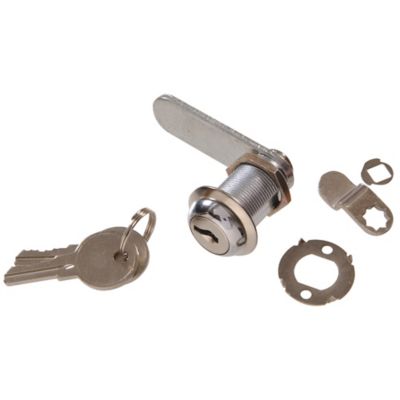
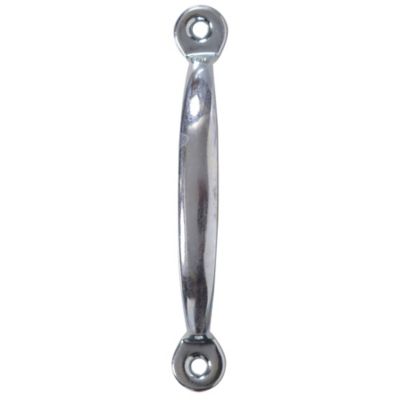
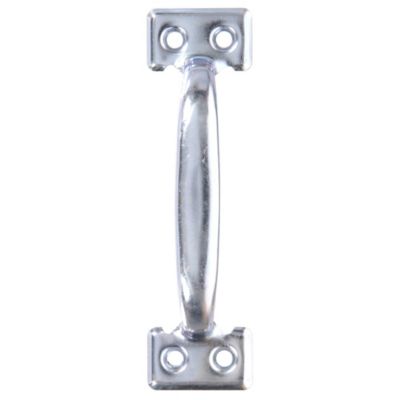
Cabinet hardware is the small detail that can make a kitchen, bathroom, laundry room, mudroom, workshop, or pantry feel finished and easy to use. Knobs, pulls, handles, hinges, and drawer slides each serve a practical purpose, while the right shape and finish can change the whole look of a room. A simple cabinet knob gives a clean, traditional feel and usually mounts with one screw. Pulls and handles offer more room for your hand, which can be helpful on wide drawers, heavy doors, or cabinets used often throughout the day. Cup pulls, with their half-moon shape, fit especially well in farmhouse, country, and classic spaces, while straight bar pulls and simple shapes suit modern or transitional rooms. When shopping for cabinet hardware, start by thinking about how the cabinet will be used, who will use it, and how much room is available around each door or drawer. Larger pulls can be easier for busy hands, older family members, or anyone wearing work gloves, while smaller knobs may be a better fit for narrow doors and compact storage. For a coordinated look, many homeowners use one style of hardware across a room, then choose a slightly different size for drawers and doors. Others mix knobs and pulls while keeping the finish consistent. If you are replacing existing hardware, measure the distance between the centers of the mounting holes before ordering new handles. This center-to-center measurement is one of the most important details for a straightforward update, since a new pull needs to line up with the holes already in the cabinet. For new cabinets, measure the door and drawer fronts, mark the placement carefully, and check that handles will clear nearby walls, trim, appliances, and neighboring doors. A paper template, level, pencil, and screwdriver can help keep a row of hardware straight, especially when working across a long run of cabinets. Before drilling, hold each piece in place and open the door or drawer to make sure it feels comfortable in your hand.
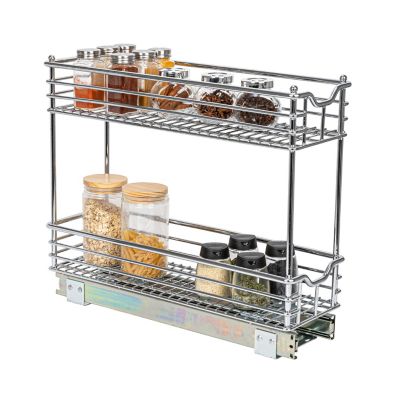
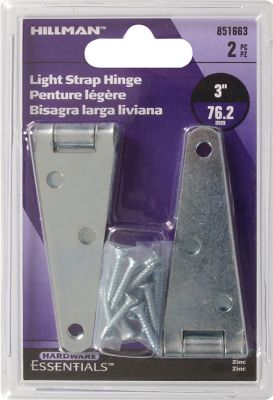
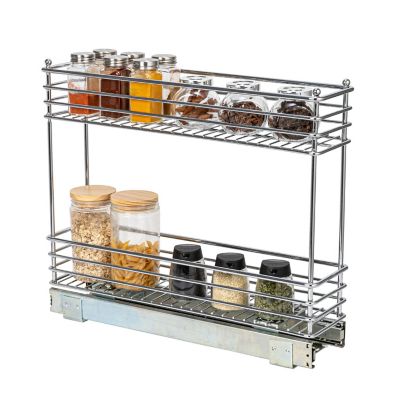
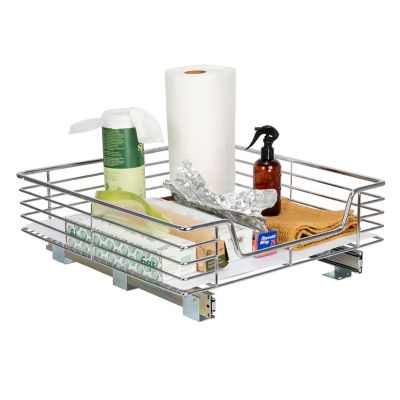
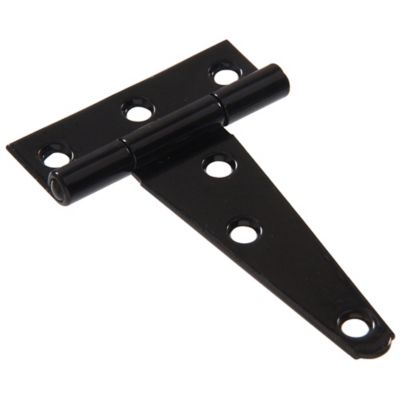
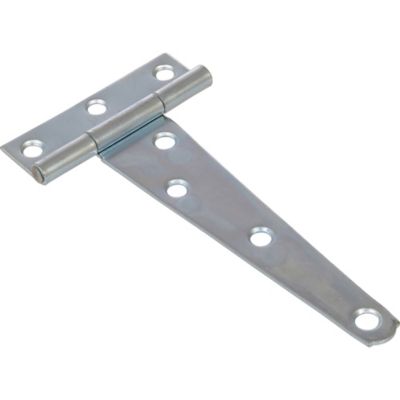
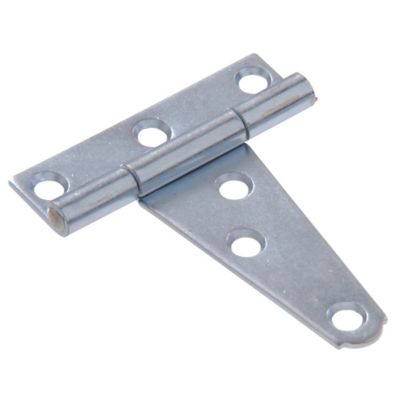
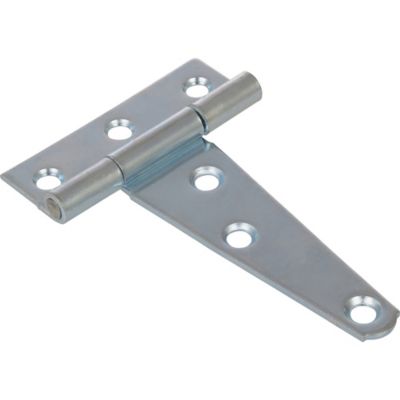
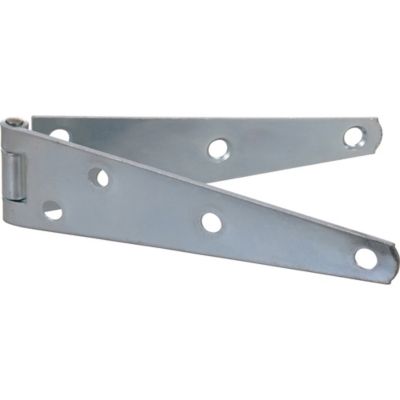
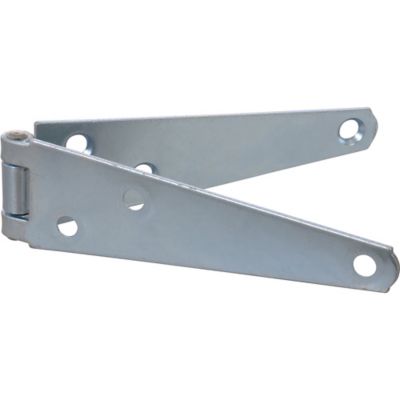
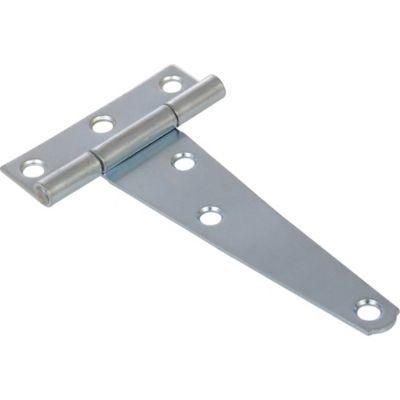
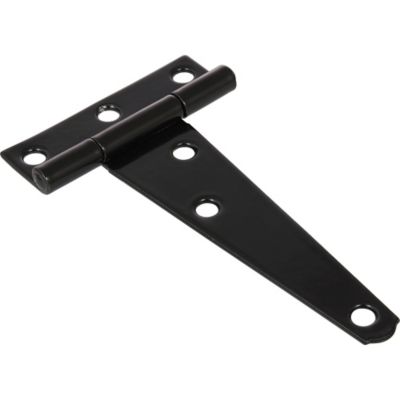
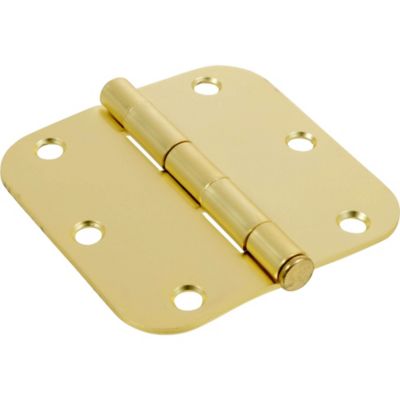
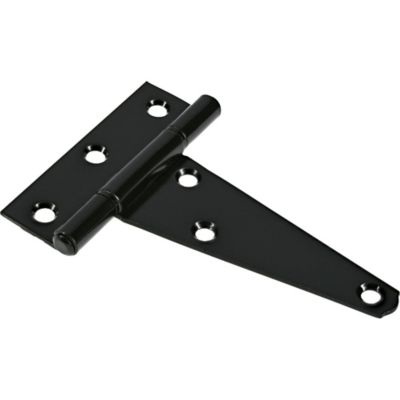
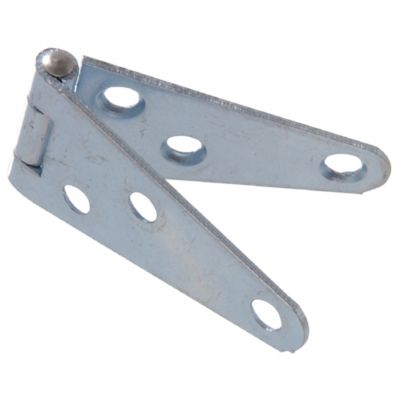
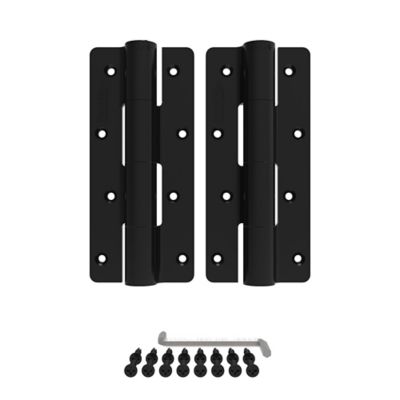
Cabinet hardware also includes the parts that work behind the scenes. Hinges control how cabinet doors open and close, and the right hinge style depends on the way the door sits against the cabinet frame. Concealed hinges keep the hardware out of sight for a clean appearance, while other hinge designs can add a more traditional touch. Soft-close hinges help slow the door near the end of its swing, which is handy in a busy kitchen where doors tend to get opened and shut all day. Drawer slides support the drawer and guide its movement, so check the cabinet opening, drawer length, weight needs, and available clearance before choosing replacements. A smooth, dependable slide can make a noticeable difference in a pantry drawer loaded with canned goods, a workshop drawer filled with fasteners, or a bathroom vanity holding everyday supplies. Look for hardware made from sturdy materials with a finish suited to the room and the amount of use it will receive. Matte black brings strong contrast and a steady, modern look that works well with light cabinets, natural wood, and darker accents. Brushed brass or warm gold tones add a little softness and can bring out the honeyed color of wood cabinetry. Satin nickel and chrome offer a bright, familiar appearance that blends easily with many appliances and fixtures. Finish names can vary from one style to another, so compare pieces in the same light before mixing them. In rooms where moisture, dust, cooking residue, or muddy hands are part of daily life, choose surfaces that are easy to wipe clean and install them securely so they do not loosen with repeated use. A quick check of screw length is worthwhile, too; fasteners that are too short may not hold firmly, while ones that are too long can damage the cabinet face or interfere with the door. For additional choices in coordinating pulls and handles, browse
Cabinet Hardware Handles and compare shapes, mounting spacing, finishes, and sizes before you start the project.
New cabinet hardware can be a practical upgrade for homeowners, renters with permission to make improvements, landlords preparing a property, contractors finishing a remodel, or anyone freshening up a hardworking space without replacing every cabinet box. It can also make a thoughtful housewarming gift for someone settling into a new home, a useful present for a do-it-yourselfer, or a handy addition to a workshop project. A set of matching pieces tucked into a moving box may be just what a friend needs when the old hardware is worn, missing, or no longer fits the room. During the warmer part of the year, cabinet updates can be an easy indoor project to work on after chores, and as the weather turns cooler, a few hours spent indoors can help get a mudroom, pantry, or kitchen ready for more time at home. Take stock of the cabinets before buying: count doors and drawers, note which pieces need knobs or pulls, inspect loose hinges, and check whether drawers are rubbing, sticking, or sagging. If you are updating only part of a room, match the new hardware to existing faucets, lighting, appliances, or nearby furniture, or use a deliberate contrast to give the space a fresh look. Keep a few extra screws and one spare piece when possible, since hardware can be misplaced during cleaning, moving, or future repairs. Most importantly, choose pieces that feel good in your hand and fit the rhythm of the room. The best cabinet hardware is attractive enough to complete the space, sturdy enough for everyday work, and simple enough that opening a drawer while carrying groceries, feeding the animals, or cleaning up after supper feels natural.