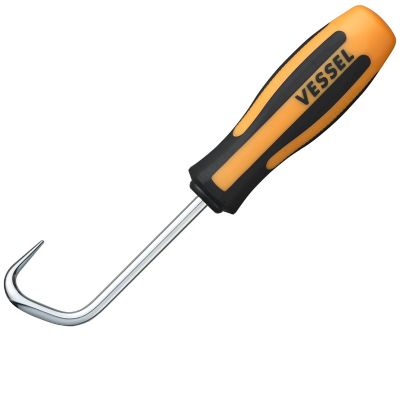
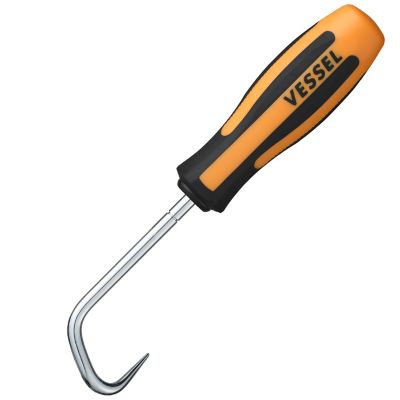
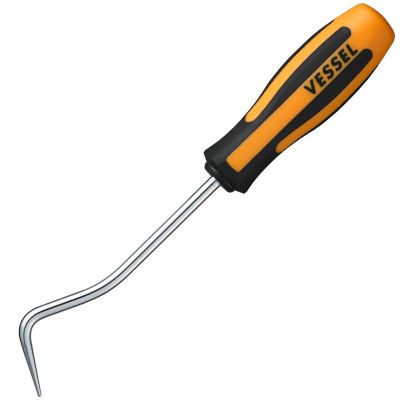
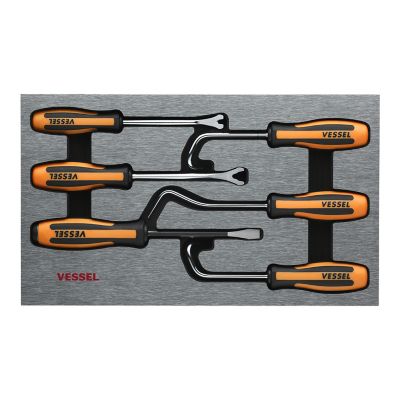
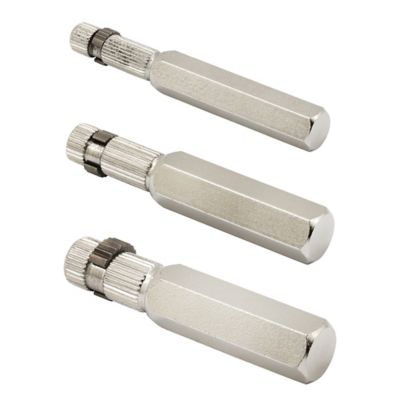
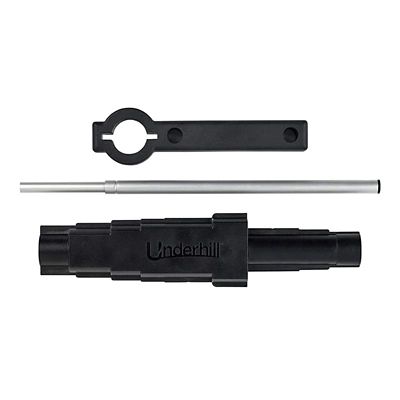
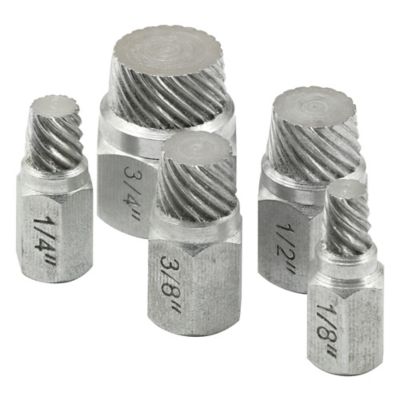
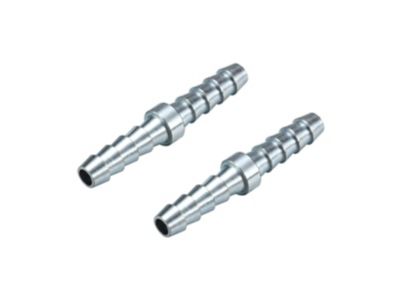
Hose removal tools are made to help break the grip between a rubber hose and the fitting beneath it, especially when heat, age, pressure, or dried fluid has made the connection stubborn. They are handy in the garage, shop, barn, equipment shed, and driveway for work on cars, trucks, tractors, boats, motorcycles, generators, compressors, pressure washers, and other machinery with flexible lines. A hose that once slipped off with a simple twist can become tight around a metal tube, plastic nipple, barbed fitting, or threaded connection after long hours under a hood or near an engine. Pulling hard with pliers or twisting with a screwdriver can crush the hose, scar the fitting, or send a sharp tool slipping into your hand. Hose removal tools give you a more controlled way to get started. Hook and pick-style tools slide between the hose and fitting to break the seal, while hose remover pliers grip the line and push the hose away from the connection as the handles close. Offset removers and pry-style tools can help in cramped engine bays where straight access is limited. For anyone keeping farm equipment running through changing weather, having the right tool close by can turn a frustrating repair into a manageable job. They also make a practical gift for a mechanic, farmer, rancher, fleet owner, or weekend garage worker who spends time maintaining machines instead of waiting for a shop appointment.
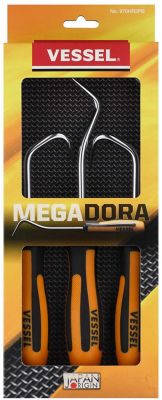
Choosing a hose removal tool starts with looking at the connection, the space around it, and the material of the fitting. A thin hook or pick can be helpful when the hose is stuck along its edge and there is just enough room to slide a tip beneath the rubber. A set with several hook shapes and angles gives you more options around bends, clamps, fuel rails, coolant lines, vacuum connections, and other narrow areas. Pliers with a push-off jaw are often a good fit when the line needs to be held firmly while pressure is applied in a straight direction. Offset tools can provide added reach and leverage around brackets, belts, manifolds, and other parts that block a direct approach. Pay attention to shaft thickness, handle grip, jaw shape, tip design, and the tool’s reach. A narrow tool may fit a tight connection but can bend if too much force is applied, while a thicker tool may offer more leverage but lack the room needed for close work. Before starting, let hot components cool completely, relieve pressure from the system, and identify what the hose carries. Coolant, fuel, oil, air, and hydraulic fluid each call for appropriate precautions. Wear eye protection and gloves, place a drain pan beneath the connection when needed, and keep sparks and open flames away from fuel lines. If the hose is cracked, swollen, hard, or stuck fast, plan to replace it rather than forcing it back into service. For replacement lines and related repair needs, browse
Supply Hoses to find options for farm, automotive, and equipment maintenance.
Good technique matters just as much as the tool itself. First, move the clamp away from the fitting and check for a second clamp, retaining clip, or locking tab that may still be holding the hose in place. Rotate the hose gently by hand if possible, then work a removal hook around the connection to loosen the bond between rubber and metal or plastic. Keep the tip aimed along the fitting instead of driving it deep into the hose wall. Once an opening forms, work around the connection a little at a time rather than prying from one hard angle. With removal pliers, keep the push-off jaw square to the fitting and apply steady pressure while watching the line and surrounding parts. Avoid using excessive force against a plastic nipple, sensor housing, radiator neck, or other fitting that may crack. In some cases, cutting the old hose lengthwise with a hose knife is the better choice, but only after confirming that the fitting and nearby wiring can be protected from the blade. Never cut into a line that may still hold pressure, and take extra care around fuel, refrigerant, hydraulic, and chemical systems. After the hose comes off, inspect the fitting for nicks, corrosion, loosened barbs, or residue, then clean the connection and compare the replacement hose before installation. A small set of hose removal tools can earn its place in a tractor toolbox, service cart, or home garage because it helps with routine maintenance during the cooler months, when neglected leaks and brittle lines often become more noticeable. Keeping one nearby means less wrestling with stuck connections and more time getting the truck, mower, tractor, or other equipment ready for the work ahead.