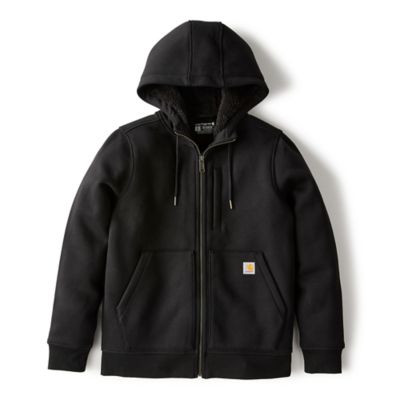
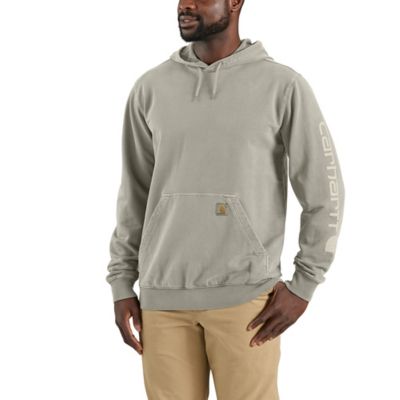
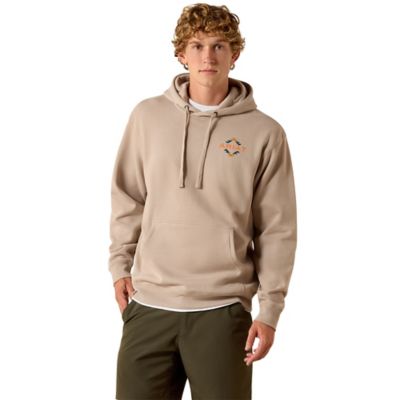
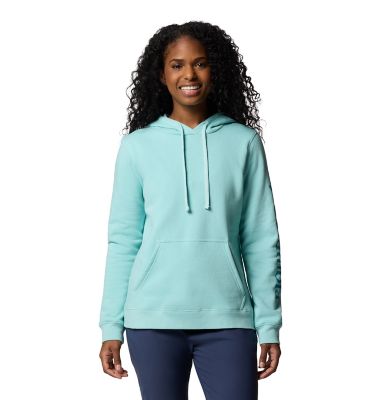
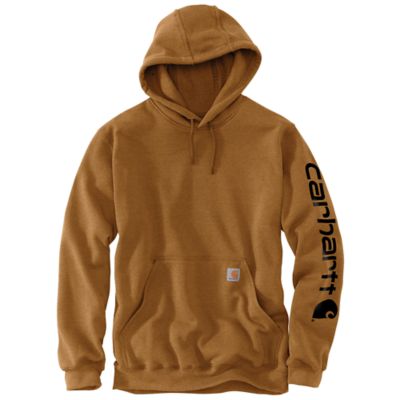
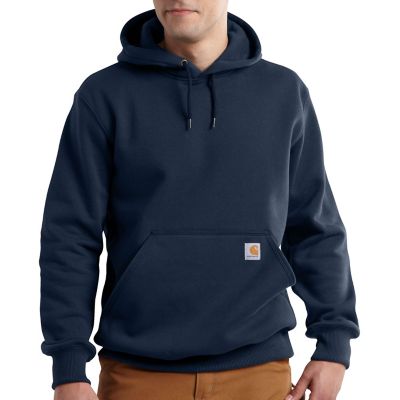
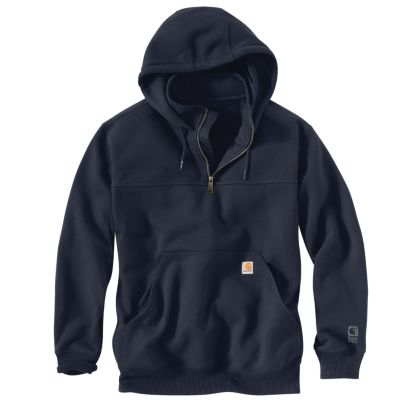
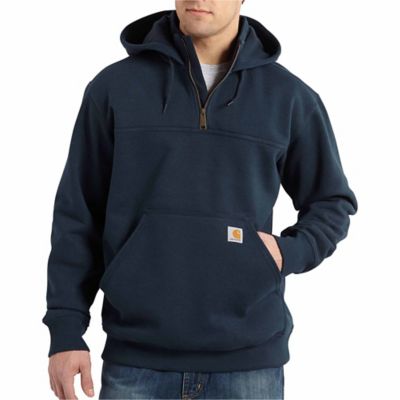
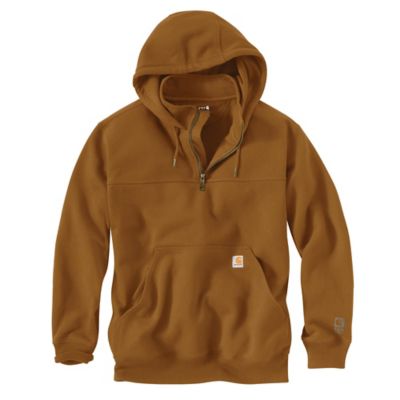
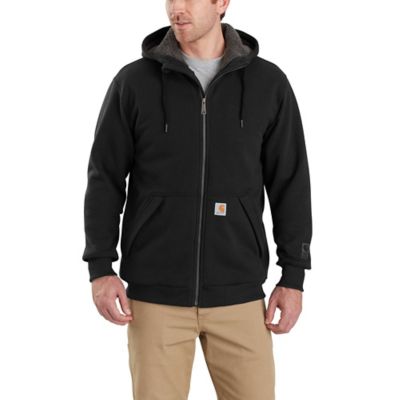
Relaxation hoodies are sweatshirts made for taking it easy, with soft fabrics and cuts that leave room to settle in. Some fit much like a favorite pullover, while others are closer to a wearable blanket, with a long body and sleeves wide enough to draw your hands inside. The difference is easy to picture at the end of a long day: a soft sweatshirt with a regular hem works fine for sitting at the kitchen table with a cup of coffee, but a roomy, blanket-style hoodie gives you enough fabric to tuck around bent knees on the couch. A cotton jersey hoodie has a familiar T-shirt feel without much loft, and a cotton-modal blend tends to drape easily instead of standing away from the body. Brushed fleece has a soft nap against the skin, while sherpa has a deeper, nubbier texture that feels more like the face of a plush throw. A hoodie may have a smooth outside with a plush lining, so the fabric that touches your arms and neck can feel quite different from the fabric on the outside. Fabric thickness and how heavy a hoodie feels on your shoulders are worth thinking about separately, too. A fluffy fabric can feel light for its size, while a dense fleece can have a fair bit of heft without looking especially thick. Slightly weighted styles get that heavier drape from dense fabric or added fill. That can be appealing if you like the settled feel of a heavy blanket across your shoulders, while a lighter knit is easier to forget about when you’re sitting at a desk or moving from room to room. If you tend to notice a scratchy tag or a seam against your neck, details such as a smooth neckline and soft cuff edges may matter just as much as the fabric itself.
Fit makes the biggest difference when you go from stretching out on the couch to getting up and doing something. An oversized relaxation hoodie should have enough give through the shoulders and back to let you reach for a book without dragging the whole garment along. A dropped shoulder can leave extra room over a T-shirt, but sleeves that fall past your knuckles may get in the way when you’re typing or fixing a sandwich. Ribbed cuffs keep the ends from wandering without the need to roll up a thick sleeve. Length changes how a hoodie sits, too. A hem around the hip is less likely to bunch underneath you in a kitchen chair, while a longer hem gives you more to pull around your legs in a recliner. If a fit is described as oversized or one size, the garment’s chest width, sleeve length and shoulder-to-hem measurement tell you more about where it will land than the description alone. Comparing those dimensions with a sweatshirt you already reach for is especially handy if you like a loose body but don’t want fabric hanging over your hands. A deep hood gives you room to pull it down low while you’re listening to music, while a smaller, less bulky hood won’t gather as much behind your neck when you lean back. A kangaroo pocket gives both hands a place to rest, though a wide opening may let a phone slip out when you sink into a chair. Pullover styles keep the front free of zipper hardware, while a zip front is easy to slip on over a tee without pulling it over your head. For familiar sweatshirt cuts that work for lounging without the extra length of a blanket style, browse
Comfortable Hoodies for Men.
A relaxation hoodie that becomes the first thing you reach for after kicking off your boots will see plenty of trips through the laundry. The spots that get tugged most are often the first to show wear: the corners of a front pocket, the join between a sleeve and cuff, and the neckline on a pullover. Pocket corners stitched firmly in place are less likely to pull loose when you slide your hands in day after day, and cuffs that spring back after a stretch are less apt to hang loose at the wrists. A smooth knit is generally easier to brush off after the barn cat claims your lap, while a deep sherpa pile tends to hang on to fur and lint. Washing plush fabric apart from towels can help keep lint from settling into the pile, and keeping it away from open zippers or hook-and-loop fasteners can cut down on snags. Follow the care label for washing and drying, especially on lined or weighted styles. A long hoodie can get heavy when it’s wet, and hanging it by the hood can pull the neckline out of shape. Care matters when giving one as a gift, too. A hoodie that fits into someone’s regular laundry routine is more likely to become the one they reach for on a quiet evening. For someone who likes to read with their feet tucked under them, a longer cut with a soft lining makes sense. A lighter style with sleeves that stay at the wrists might suit a person who spends their downtime working on a puzzle or sorting photos at the table. If you know the recipient likes the heft of a thick throw, a denser fleece may feel right at home. If what they love is the softness of a well-broken-in tee, a smooth, easy-draping knit is closer to what they already enjoy.