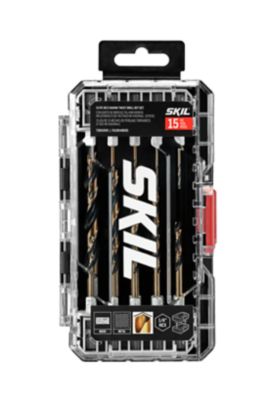
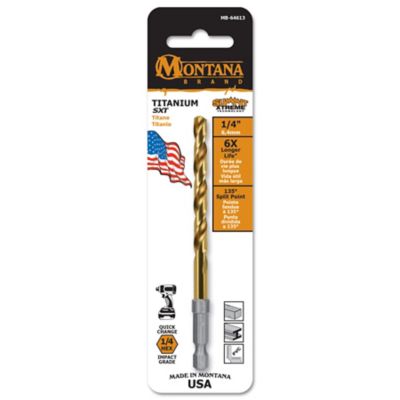
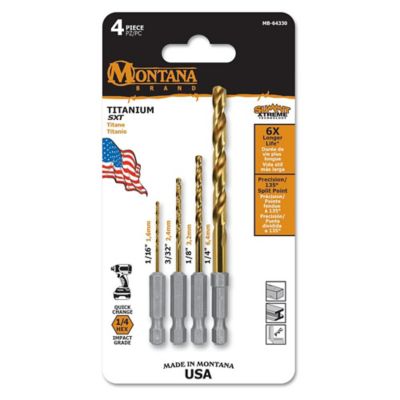
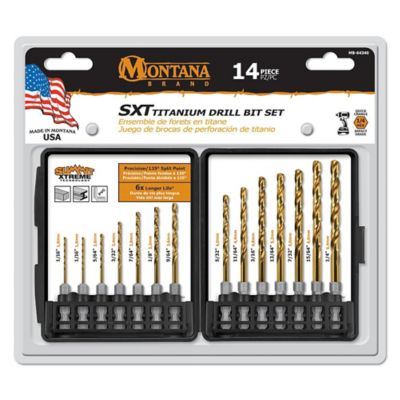
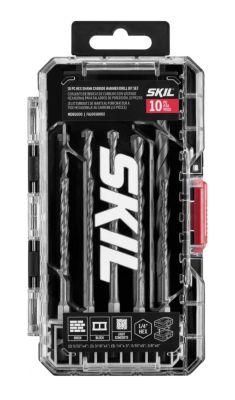
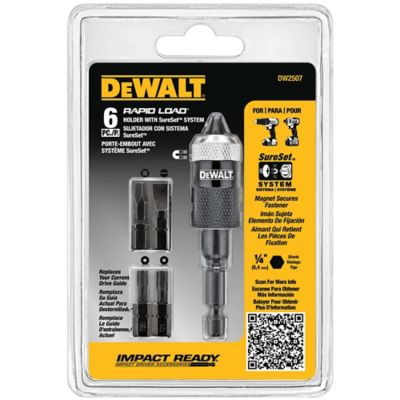
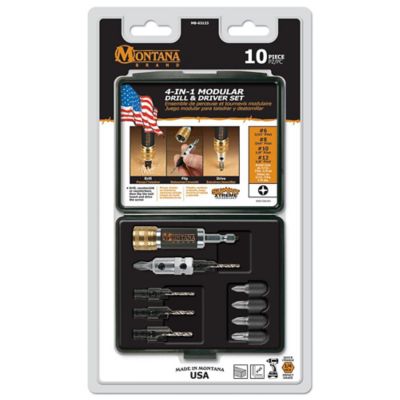
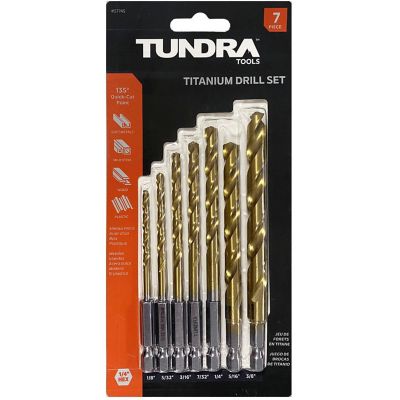
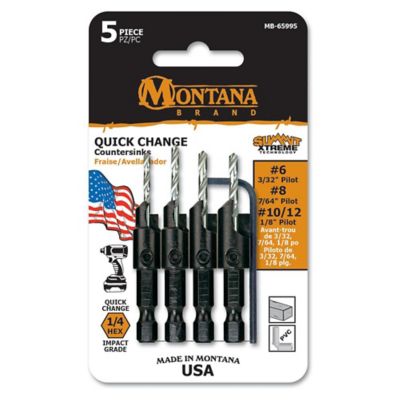
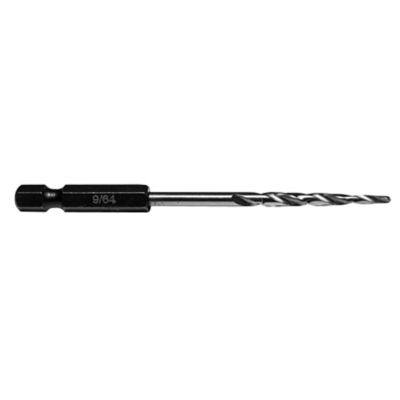
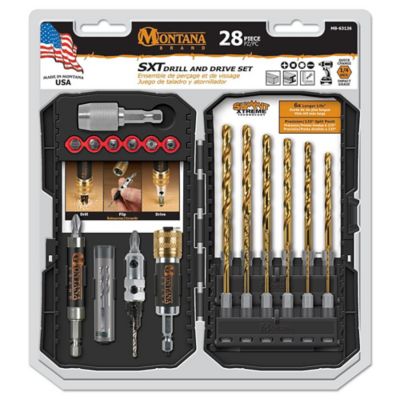
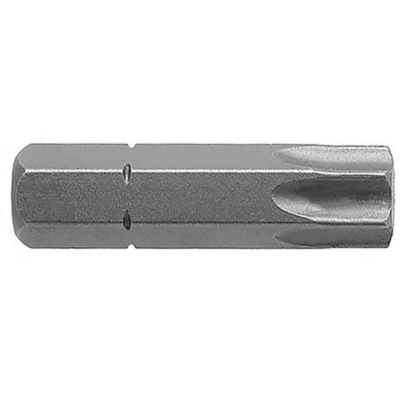
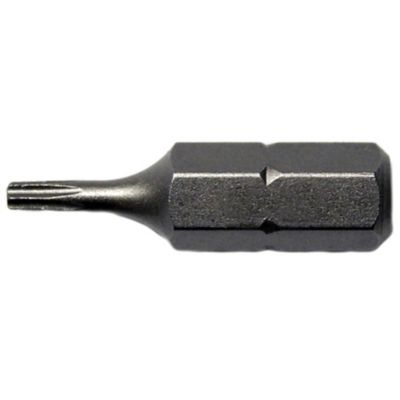
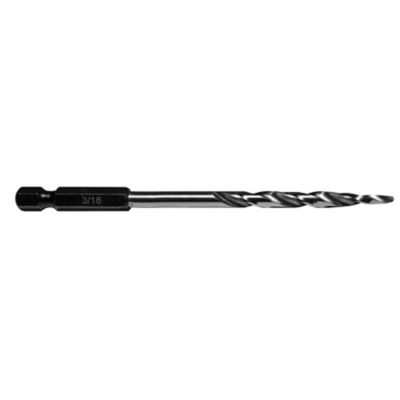
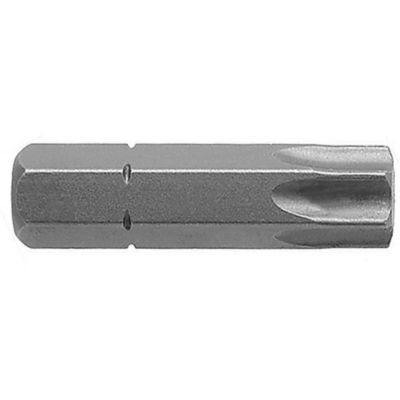
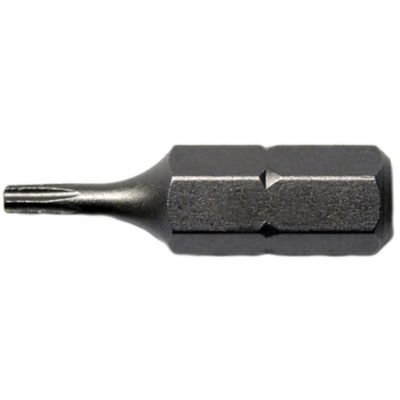
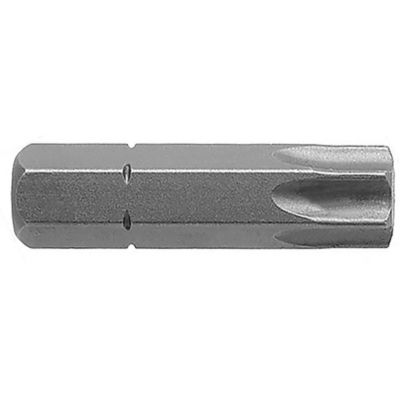
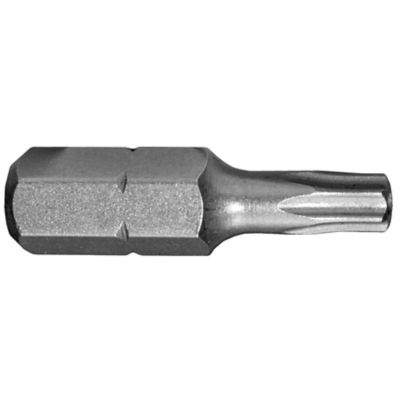
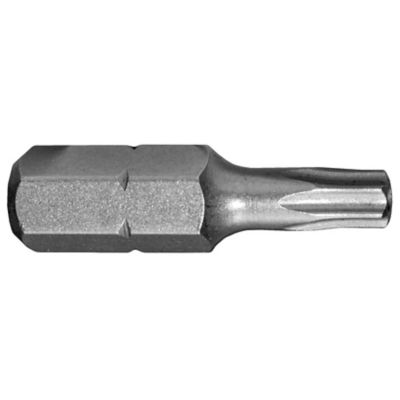
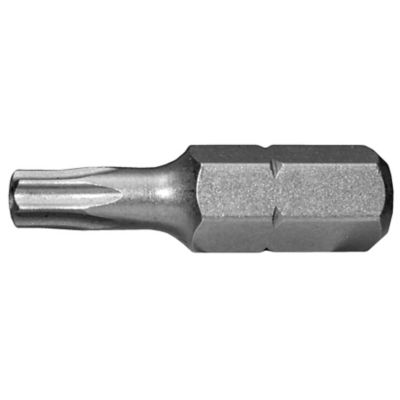
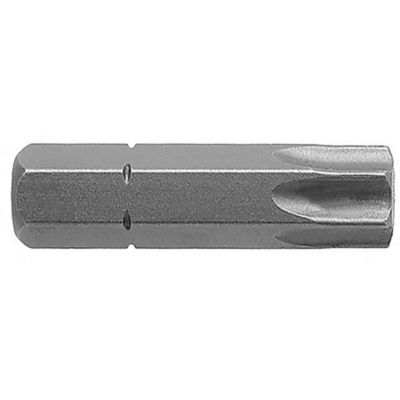
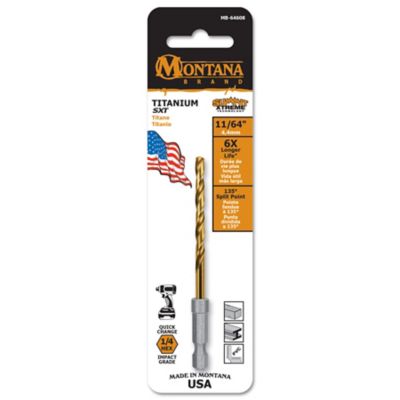
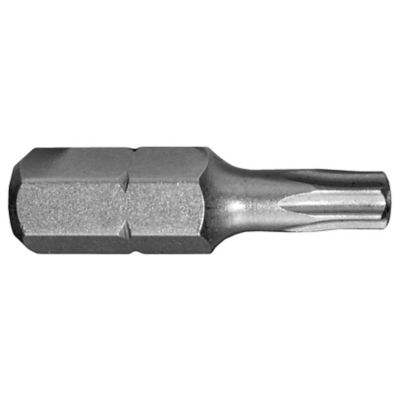
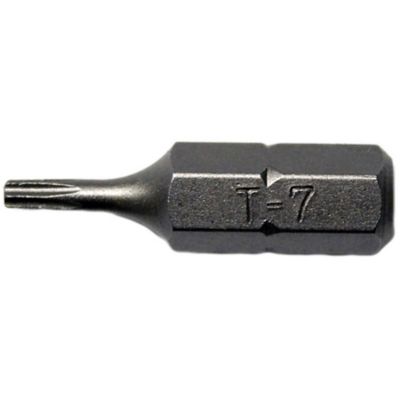
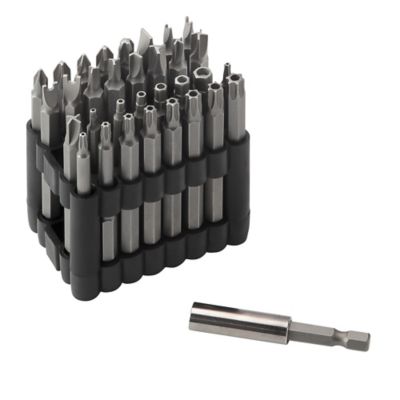
1/4-inch hex shank drill bits have a six-sided shank measuring 1/4 inch across the flats, giving a compatible drill or bit holder flat surfaces to grip. That measurement describes the end that connects to the tool, not the diameter of the hole the bit makes. The cutting diameter is a separate measurement, so bits with different cutting sizes can share the same shank size. This common connection makes sense for work that moves back and forth between drilling pilot holes and driving screws, whether that means hanging a gate latch, attaching shelving in a shop, or putting together a sturdy workbench. Quick-change versions with a retention groove can lock into a compatible 1/4-inch hex holder, making bit changes straightforward without opening and closing a chuck each time. Many also fit three-jaw drill chucks with the proper clamping capacity. The hex shape helps resist spinning at the connection, though secure seating and proper tool compatibility still matter. A hex shank alone does not mean a drill bit is rated for an impact driver. Impact-rated bits are built for that tool’s repeated rotational blows, while other bits may be intended for a drill operating in regular rotary mode. Tool and bit specifications determine the right match. For a farmer making small repairs, a homeowner tackling loose hardware, or a woodworker setting up repeat fastening work, that distinction matters more than the convenience of a matching connection. A bit that fits the holder still needs the right cutting material, geometry, and operating limits for the job. These are hole-making tools, rather than the screwdriver bits that turn fasteners, even though both can share a 1/4-inch hex connection. Keeping both types close at hand supports a practical workflow at the bench or out by a fence repair, with less interruption between making a pilot hole and setting the screw. For work inside a cabinet or beside a gate post, the combined length of the bit, holder, and tool also affects whether everything can reach the mark squarely.
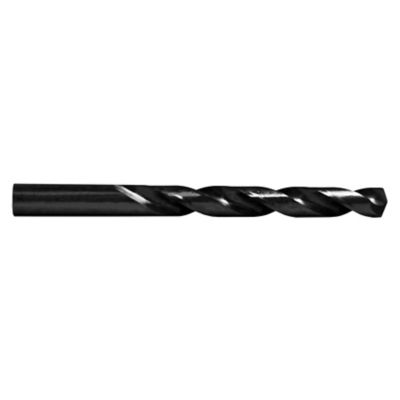
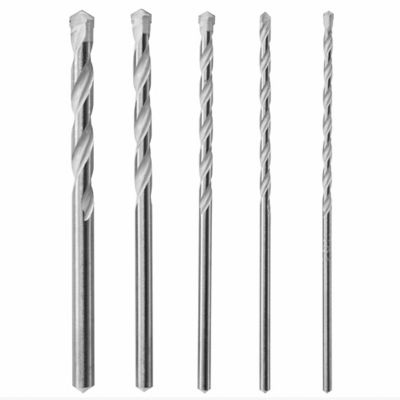
The working end of a hex shank drill bit determines which materials it can handle. High-speed steel is a common starting point for general drilling, with suitability for wood, plastics, and certain metals depending on the bit’s design and specifications. Cobalt-alloy high-speed steel offers greater resistance to heat and can suit demanding metalwork, including some stainless steel applications, when matched with suitable speed, pressure, and cutting lubricant. Coatings such as titanium nitride can help reduce friction and surface wear, but a coating does not make every bit suitable for every material. A general-purpose twist bit, a wood-focused brad-point bit, and a carbide-tipped masonry bit have different jobs, regardless of whether their shanks look alike. Brad-point geometry helps establish a starting location in wood, while masonry drilling calls for a bit and tool combination specifically intended for the surface and drilling action involved. Cutting diameter, flute length, and overall length deserve just as much attention as the material listed on the package. A short bit can offer better control where access allows, while a longer bit provides reach through thicker lumber or farther into a workpiece. Extra length also brings more opportunity for flex, especially with slender cutting diameters. Flutes carry chips away from the cutting edges, and enough working length is necessary for the intended hole depth without burying the shank connection in the material. For a hinge screw in a hardwood board, the pilot-hole size should suit the screw and wood; for a bolt passing through a steel bracket, the required clearance determines the hole size. Those are different needs even when the same drill powers both jobs. Shank style is another part of that fit.
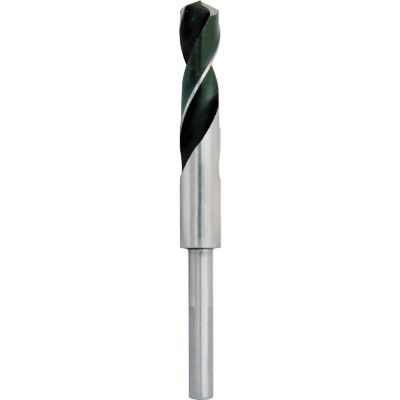
Round Shank Drill Bits connect through a cylindrical shank gripped by a suitable chuck, while hex shank designs offer a connection suited to compatible quick-change holders. Neither shape replaces the need to match the cutting end to the work.
Service life depends on more than the bit’s steel or coating. Heat, sideways pressure, trapped chips, and a workpiece that shifts can wear an edge or break a small bit well before its time. A steady setup helps the cutting edges do their work without unnecessary strain. Lumber clamped to a bench, a steel bracket held securely in a vise, and a backing board beneath a through-hole all support more controlled drilling. The right operating speed varies with cutting diameter and material, so a larger bit in metal generally calls for a different approach than a small bit in softwood. Cutting lubricant may be appropriate for metal drilling when the bit and workpiece specifications call for it. Chips also need somewhere to go; deep holes can pack the flutes and increase heat if debris cannot clear. Around a farm shop, hidden nails in reclaimed lumber, welds near a drilling location, and curved surfaces on pipe can make an otherwise simple task more demanding. Knowing what lies beneath the starting point helps keep the bit suited to the job. Between projects, clean flutes and dry storage help protect the cutting surfaces, while separate slots or a fitted case keep edges from knocking together in a toolbox. A bit with a chipped point, bent body, or damaged shank connection deserves attention before it goes back into service. Clear size markings and an orderly case also make it easier to reach for the intended diameter rather than guessing from appearance. For someone building a useful workshop setup, 1/4-inch hex shank drill bits bring a familiar connection to everyday drilling tasks without making the choice of cutting size or material any less important. They can also make a practical gift for a person who enjoys fixing equipment, building shelves, or keeping the place in working order, provided the bits match that person’s tools and projects. The best fit comes down to the holes that need making, the material on the bench, and a connection that seats securely in the tool.