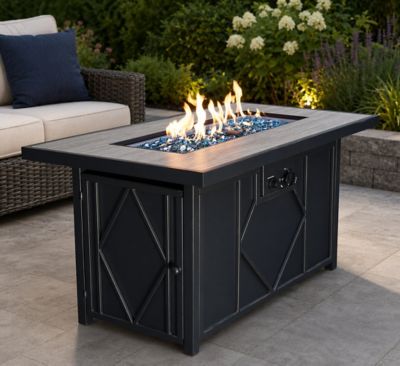
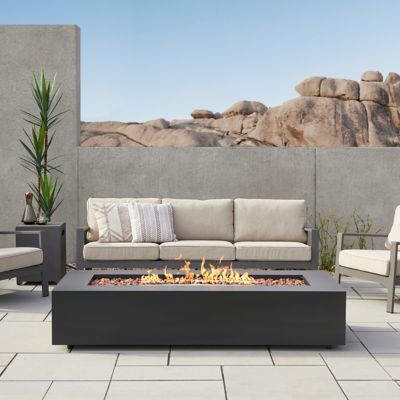
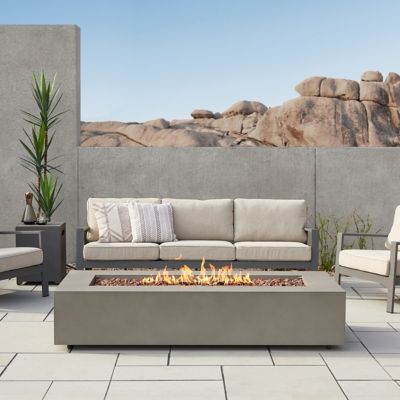
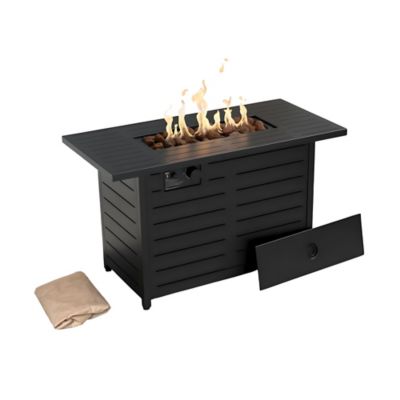
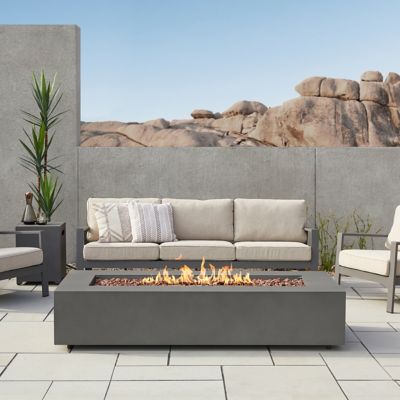
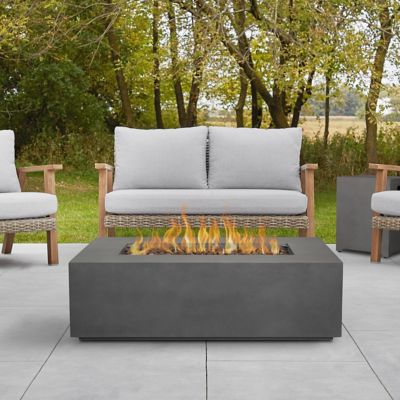
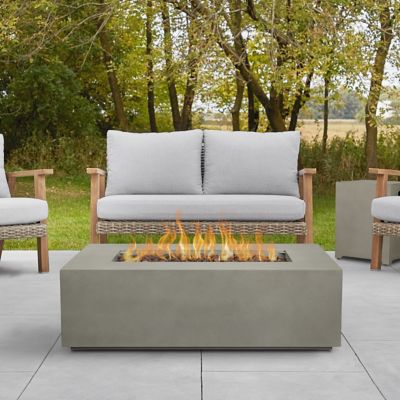
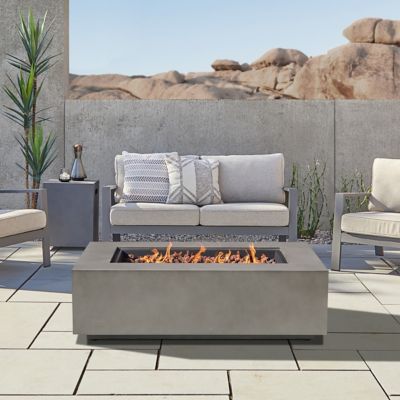
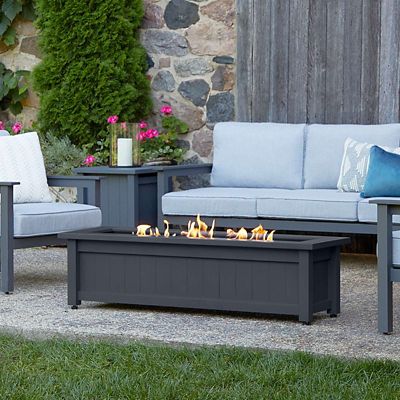
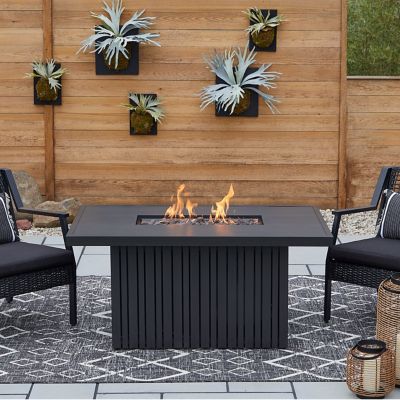
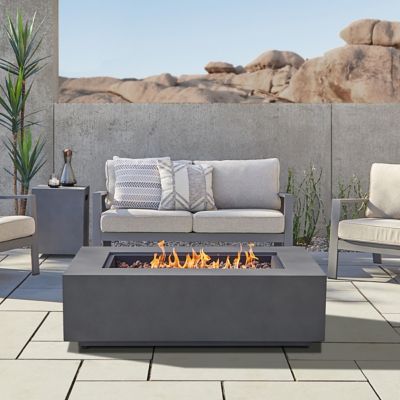
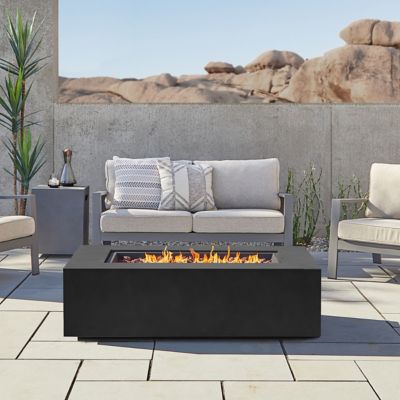
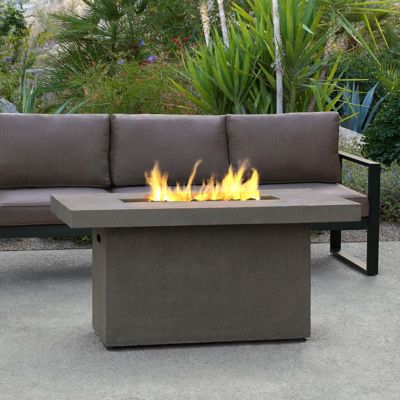
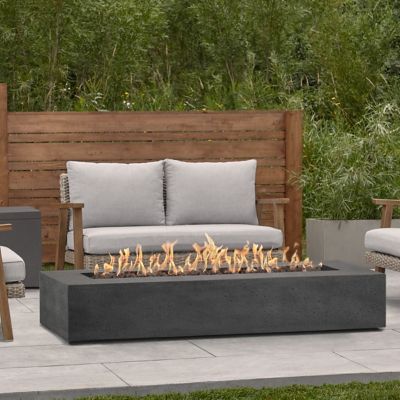
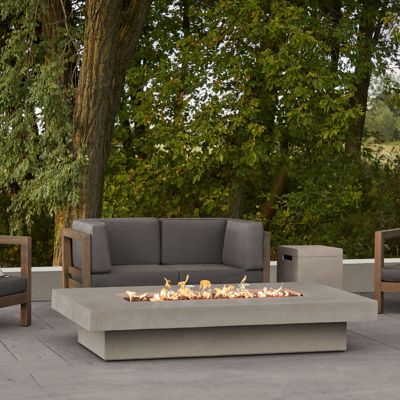
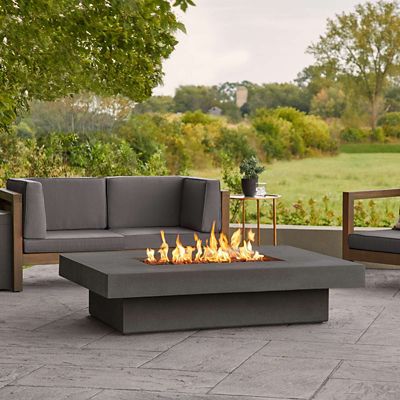
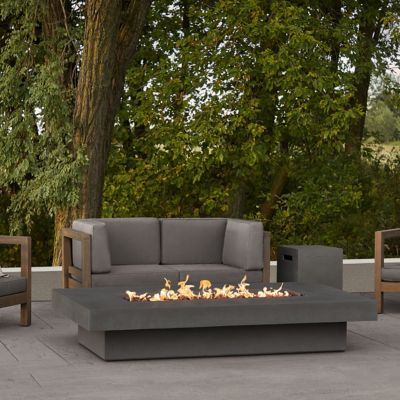
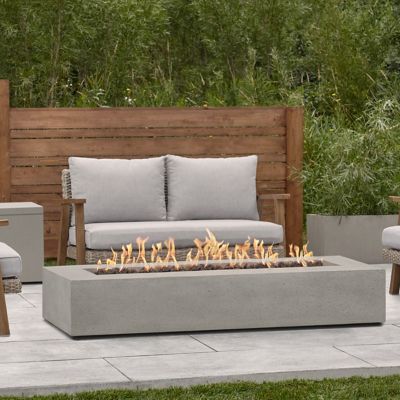
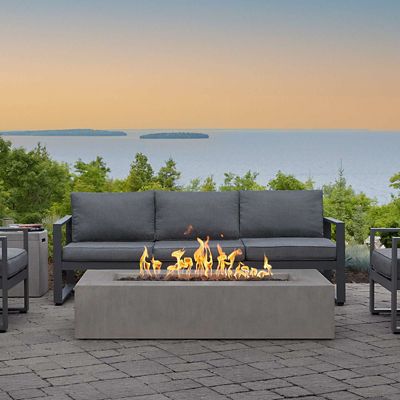
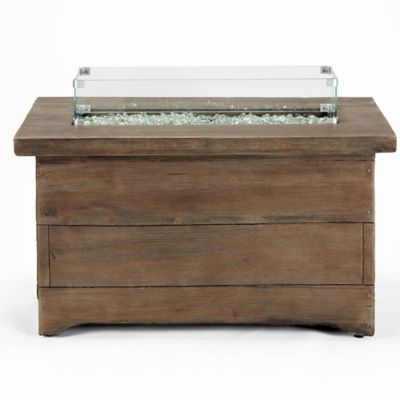
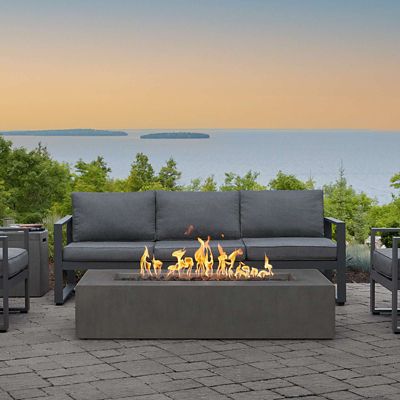
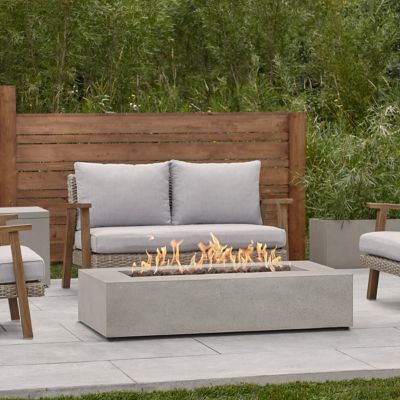
A rectangular fire table is an outdoor gathering table with a built-in fire feature, typically fueled by propane or natural gas, and a surrounding tabletop that provides space outside the burner area. Its long, straight-sided shape works well alongside an outdoor sofa or between facing benches, bringing the fire into the middle of the seating arrangement without the footprint of a round gathering space. For a backyard patio or an open-air sitting area outside the farmhouse, that shape can help make good use of a narrow layout. The appeal is simple: a steady flame, a place to settle in, and room for conversation after the chores are wrapped up. Table dimensions matter more than photographs might suggest. Overall length and width determine how the table fits between seats, while the burner opening determines how much surface remains around the fire. A wider tabletop border can offer more room for a cup or small plate, provided everything stays outside the manufacturer’s required clearance from the flame. Table height also changes the feel of the space. Lower designs tend to suit lounge seating, while taller designs need chairs that match their intended purpose. A fire table is not automatically a dining table, even when it has a generous top. Enough open floor space should remain for someone to stand, pull out a chair, and walk past without squeezing near the burner. Access panels need room to open, too, especially when a propane cylinder sits inside the base. Households with children or pets will want a layout that keeps active play away from hot surfaces and open flames. For folks who enjoy having neighbors over, the rectangular shape gives several seats a view of the fire while leaving the ends of the arrangement open for easier movement.
Materials give rectangular fire tables much of their character, but they also affect weight, upkeep, and placement. Metal construction can create a clean, straightforward look that pairs easily with outdoor chairs and benches. Aluminum generally weighs less than steel and resists rust, while steel often brings more heft and benefits from an intact protective finish. Scratches and chips deserve attention according to the manufacturer’s care directions, particularly around edges, corners, and fasteners. Concrete and concrete-look bodies offer a substantial appearance, though the actual composition matters: solid concrete, fiber-reinforced concrete, and composite construction can have very different weights and care needs. A substantial-looking base does not necessarily mean the table can be moved easily, so the path from the driveway to the patio deserves a little thought. Tile, stone, and other tabletop finishes bring their own textures and cleaning requirements. Smooth surfaces may be easier to wipe down after a gathering, while joints and textured areas can take more attention. Some finishes call for sealing or cleaners made for that material; a harsh scrubber is not a safe bet for every surface. The base should rest on a level, stable surface approved for the table, with floor protection or a noncombustible foundation where the manufacturer requires one. Placement on a wood or composite deck is not something to assume is acceptable. A low rectangular table can feel right at home beside deep outdoor seating, while a taller, more substantial body may better balance upright chairs. Color and finish help tie the arrangement together, but construction details do the day-to-day work. Secure panels, accessible controls, and enough room around the fuel compartment can make a bigger difference in everyday enjoyment than an elaborate surface pattern. Rounded or softened corners may also be worth considering where people frequently walk past the table.
Like other
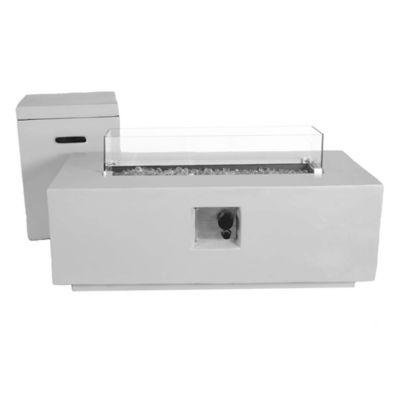
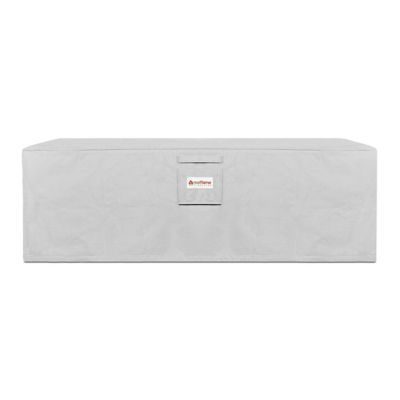
Gas Fire Tables, rectangular designs may operate on propane or natural gas, and the correct fuel setup is an important part of finding the right fit. Propane allows placement without a permanent gas connection, although the cylinder still needs an approved location and proper ventilation. Some tables have an internal cylinder compartment; others require a separate enclosure and a connecting hose. That difference affects both the appearance of the seating area and the amount of space it needs. A hose should never become a trip hazard or run where it can be damaged. Natural gas requires a suitable supply line and professional installation that follows local requirements, making it more closely tied to a planned location. Fuel types are not interchangeable unless the manufacturer specifically approves a conversion and the required components. Heat output, often listed in BTUs, describes fuel input rather than a promise that the table will warm an entire patio. Burner layout, seating distance, and the surrounding space all affect how the fire feels from a chair. Flame appearance also depends on the approved burner media and its proper placement; ordinary gravel or glass should never replace material specified for the appliance. These tables are gathering furniture with a fire feature, not cooking equipment unless expressly designed for that purpose. Everyday care includes keeping burner openings and ventilation passages clear, checking connections as directed, and cleaning spills with products suitable for the tabletop. A fitted cover can help keep dirt and debris off the table once the burner and surrounding surfaces have cooled completely. Covers and burner lids serve different purposes, so neither should be assumed to turn the entire top into an unrestricted work surface. Safe placement means outdoor use, proper overhead and side clearances, and distance from buildings, fences, furniture, and anything that can catch fire. For a housewarming gift or a shared family purchase, confirming the recipient’s seating layout, fuel preference, and installation needs helps make a rectangular fire table a welcome addition rather than a project they did not plan for.