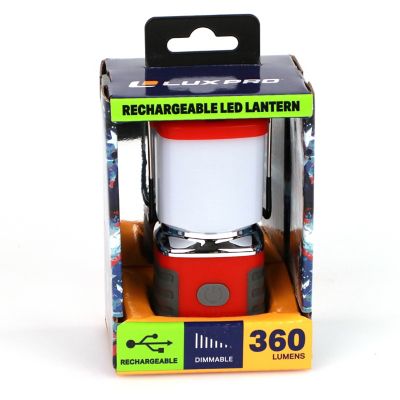
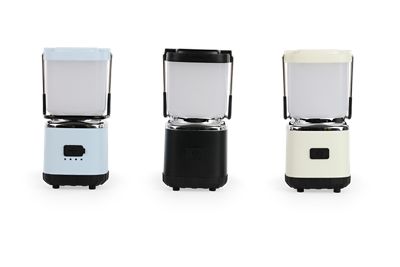
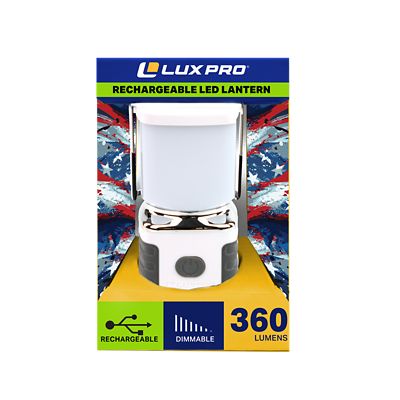
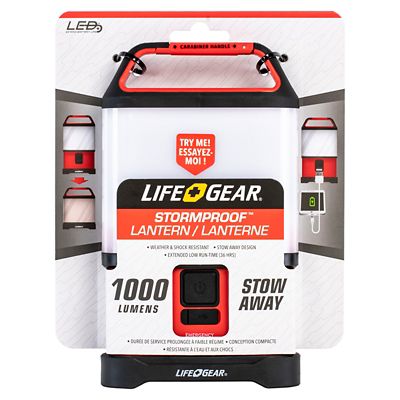
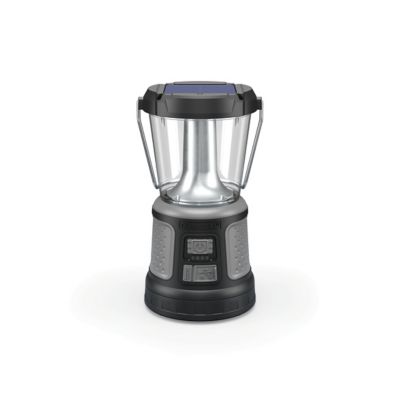
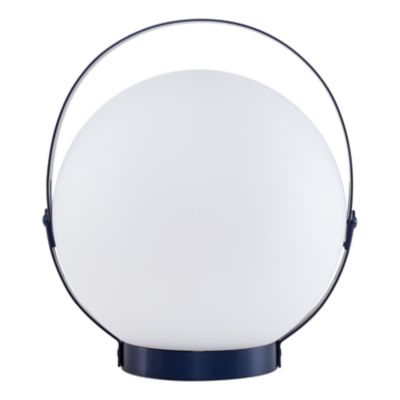
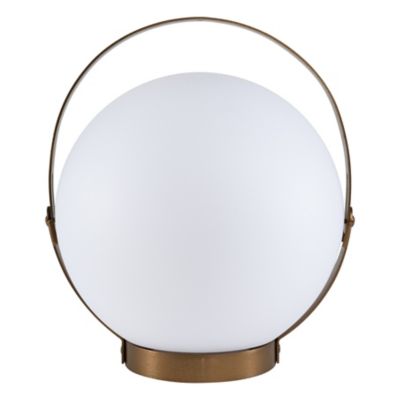
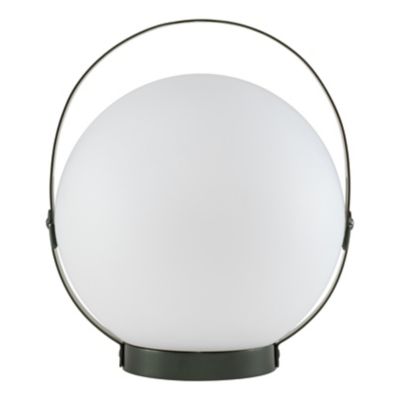
Rechargeable LED camping lanterns provide portable light from a battery that can be charged again, making them a practical choice for tent sites, camper trailers, fishing trips, and evenings around the picnic table. They bring light where an outlet cannot reach, without an open flame or a fresh set of disposable batteries for every outing. A lantern can light up a card game, help everyone find their gear, or make supper cleanup easier after dark. Brightness is measured in lumens, but the highest number on the package tells only part of the story. A lantern rated around 1,000 lumens can put out a generous amount of light, while lower settings often make more sense inside a tent or beside a camp chair. The shape of the lens and the way it spreads light matter, too. A frosted diffuser softens the glow and reduces harsh glare, while an exposed light source may feel sharper when it sits at eye level. Broad, all-around illumination suits a shared table or central campsite spot; directional lighting puts more of the beam toward a cooking area, tackle box, or trail-side repair. Adjustable brightness lets one lantern handle several jobs without lighting up the whole campground every time someone reaches for a pair of boots. Some designs also offer different white-light tones, with a warmer-looking glow for settling in and a cooler-looking light for sorting small parts or reading labels. Red-light settings can provide a less disruptive option around sleeping companions, although brightness and placement still make a difference. Flashing modes are separate from everyday lighting and are worth distinguishing from steady red or white output. For families, a simple switch that everyone can operate may matter more than a long list of modes. For someone carrying gear on foot, a smaller body and lower weight may take priority over maximum output. The right fit comes down to how much space needs light, how far the lantern travels, and how comfortably it handles the ordinary jobs around camp.
Battery capacity, charging connections, and run time help show how a rechargeable camping lantern fits into a trip. Run time depends on the brightness setting, battery condition, and any extra features drawing power, so a long low-setting claim should not be mistaken for the time a lantern can stay at full output. Some high-output lights also reduce brightness as they operate, which makes sustained performance worth considering alongside the initial lumen rating. A dim setting can stretch a charge through quiet evenings, while a brighter setting may be reserved for meal preparation or gathering scattered gear. USB-C charging is a convenient feature on many lanterns, but the connector alone does not establish charging speed or confirm that every cable and power source will work together. The lantern’s stated input requirements and supplied charging information help determine the right setup. Charging from a suitable wall adapter before departure keeps the campsite routine simple; a compatible vehicle outlet or portable power station can support longer stays where those power sources are part of the setup. Some rechargeable LED lanterns also function as power banks, with a USB output for charging a phone or another small device. That feature shares the lantern’s stored energy rather than creating a separate reserve, so topping off a phone leaves less power for lighting. Output ratings and device requirements still need to match, and a lantern battery may not fully charge a larger device. Battery-level indicators make it easier to judge the remaining reserve before heading down to the dock or turning in for the night. Designs with removable rechargeable batteries offer a different routine from sealed battery packs, and certain lanterns accept an alternate battery source when their specifications allow it. Rechargeable options sit within the wider range of
Battery Powered Lanterns for Camping, with battery access and charging method helping distinguish one setup from another. For a trip without access to charging, the planned hours of light matter more than the number of features packed into the housing.
Construction and placement make a noticeable difference once a lantern leaves the truck and becomes part of camp. Plastic housings can keep carrying weight down, metal sections can add structure, and rubberized edges can help cushion everyday bumps against other gear. Lens protection matters when a lantern rides beside cookware, tent stakes, or a toolbox. A compact shape slips into a pack more easily, while a wider base can sit more steadily on a picnic table or level patch of ground. Folding handles and hanging hooks give a lantern more places to work without taking up precious table space. Inside a tent, the lantern’s weight needs to suit the hanging loop or attachment point rather than pulling hard on lightweight fabric. A magnetic base can be handy on a suitable steel surface near a parked vehicle, but its hold depends on the surface and the lantern’s position. Water-resistance ratings describe a particular level of protection; they do not make every lantern suitable for submersion. Covered charging ports, intact seals, and a sound housing help protect the electrical connections during ordinary camp chores. Care is generally straightforward: follow the manufacturer’s cleaning directions, wipe away dirt, and let the lantern and charging area dry before connecting power. A charging cable stored in its own pouch is easier to find and less likely to catch on other equipment. Before packing the lantern away between trips, its battery-storage instructions deserve attention, especially for rechargeable packs that need periodic charging. A control lock or protected power button can help prevent an accidental switch-on inside a crowded gear bag. These details matter to campers who head out often, families building a shared camp kit, and folks keeping a light ready for a cabin or household power outage. A rechargeable LED lantern also makes a practical gift for an angler, traveling camper, or outdoor-loving family, especially when its controls, carrying size, and charging needs match the way they spend their time.