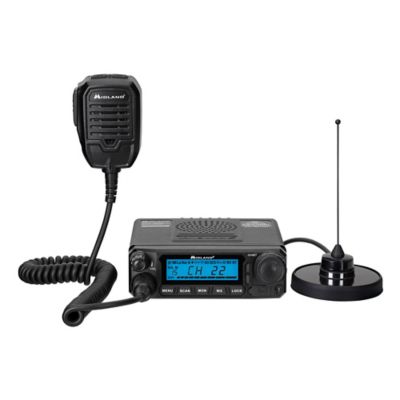
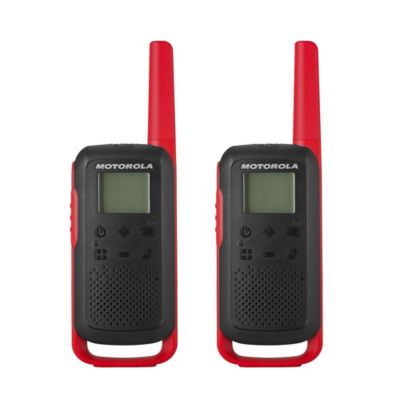
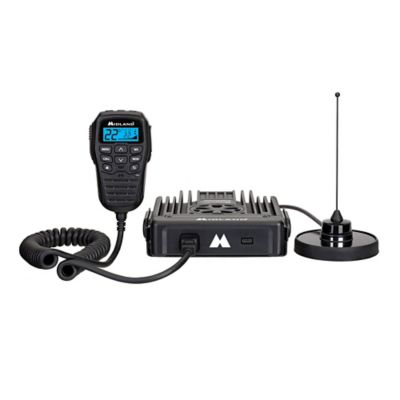
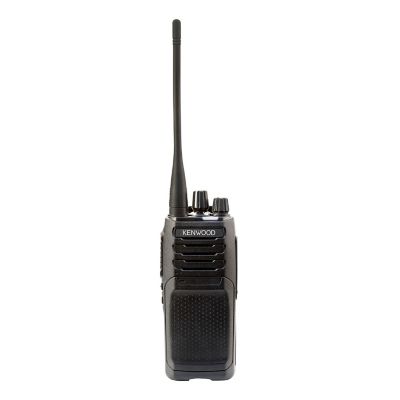
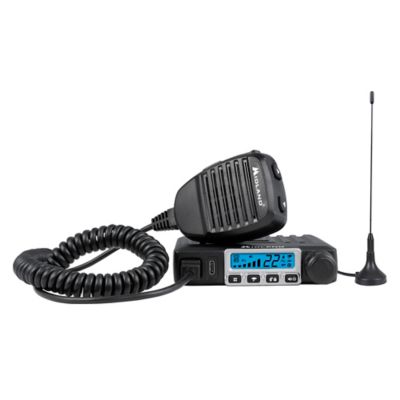
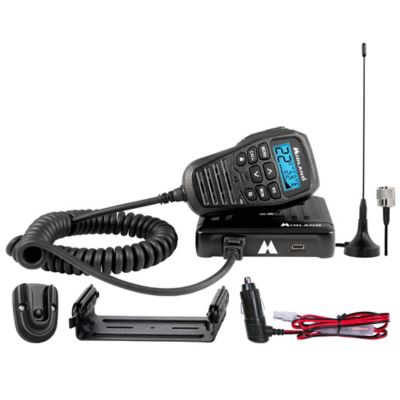
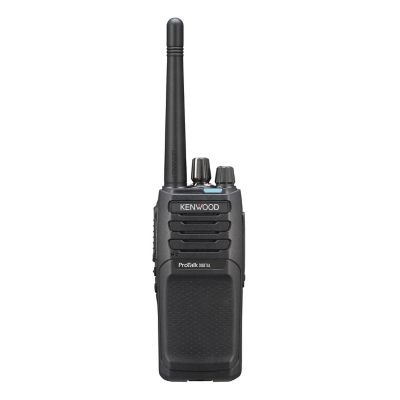
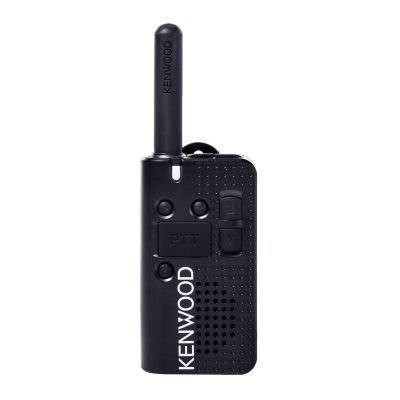
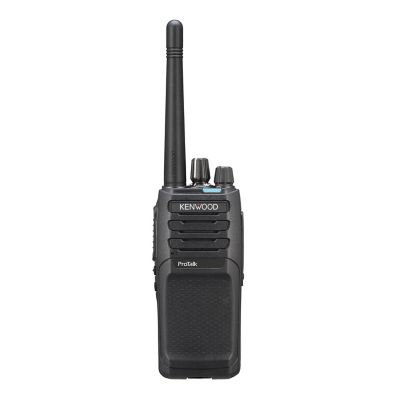
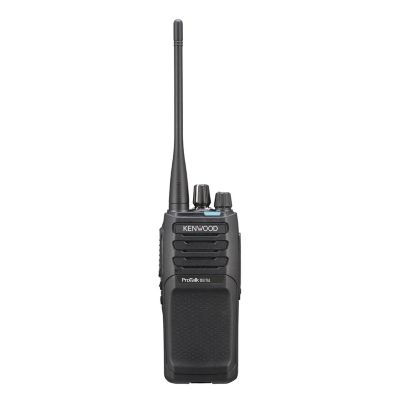
Walkie-talkies with privacy codes filter incoming radio traffic so the speaker stays quiet unless a transmission carries the matching tone or code. These settings commonly use CTCSS, short for Continuous Tone-Coded Squelch System, or DCS, short for Digital Coded Squelch. Despite the name, privacy codes do not encrypt conversations or prevent other people on the same channel from listening. Their main benefit is cutting down on chatter from other groups, which can make a shared radio channel easier to work with around a farm, campground, or busy gathering spot. A crew checking fence lines can hear its own calls without listening to every nearby conversation, while family members spread between the barn and equipment shed can keep routine check-ins short and clear. Radios within the group need the same channel and a compatible privacy setting to hear one another. Code numbers are not always consistent across radio makes, so matching the actual CTCSS tone or DCS code matters more than matching a numbered menu setting alone. Likewise, a long list of channel-and-code combinations does not represent that many separate radio frequencies. Everyone still shares the underlying channel, and another transmission can interrupt or cover a call even when its audio is muted by the receiving radio. Privacy settings do not increase transmission range, either. That distinction matters when choosing two-way radios for chores or recreation: the code manages what comes through the speaker, while terrain, obstructions, antenna design, and permitted transmitting power affect whether the signal reaches its destination. For everyday use, these radios offer a straightforward way to pass along messages such as which gate needs opening, where the next load belongs, or when a trail group is ready to head back. They work best for practical coordination rather than confidential conversations. Bank details, access codes, and other sensitive information belong on a more secure communication method. The appeal is less background chatter and easier group communication, not a private line or an exclusive claim to a channel.
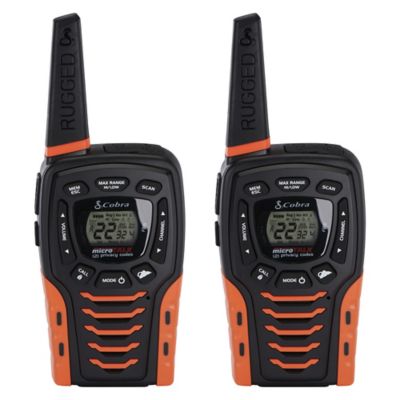
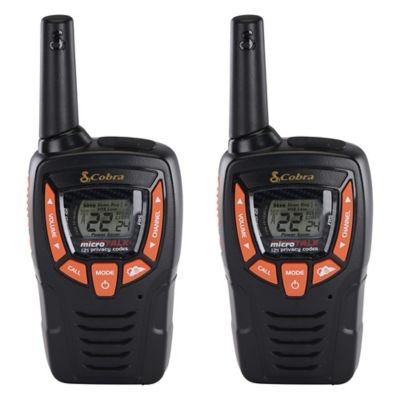
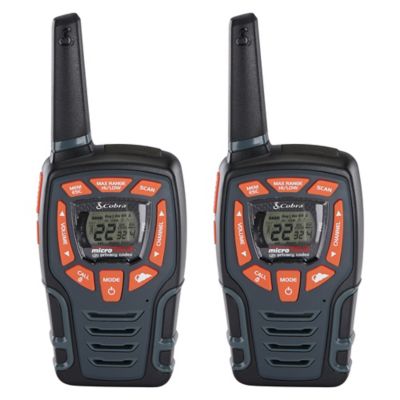
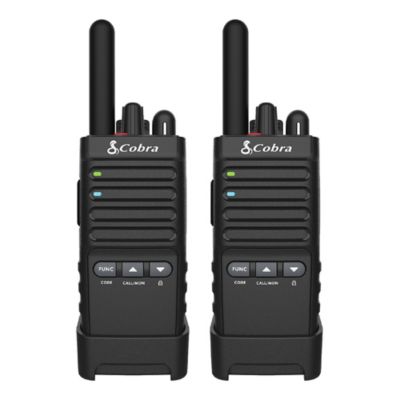
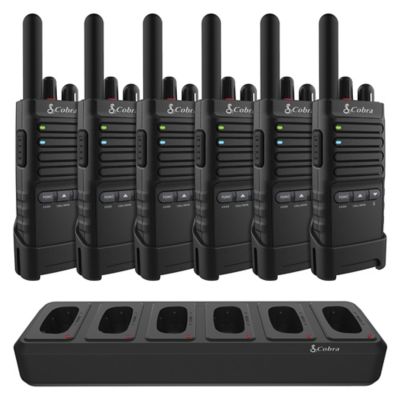
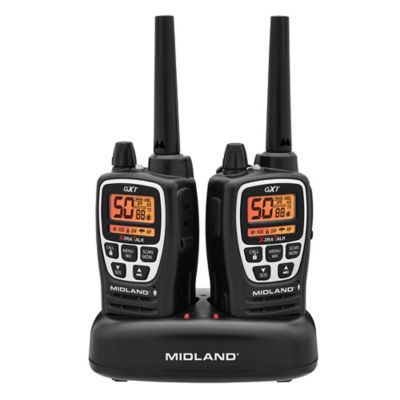
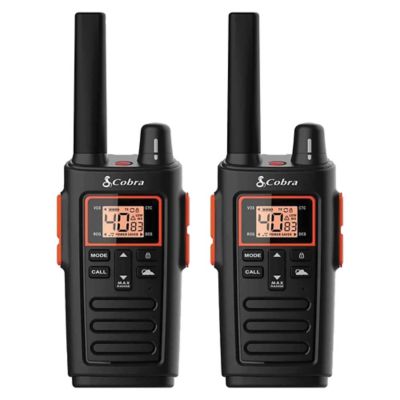
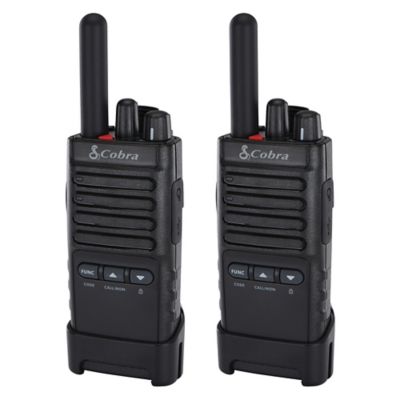
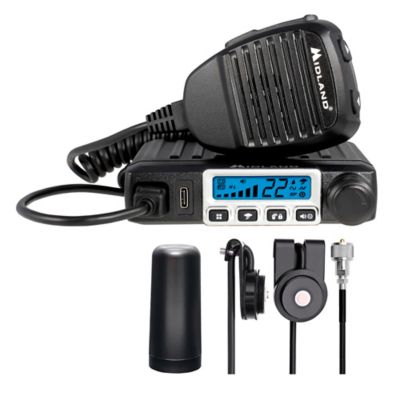
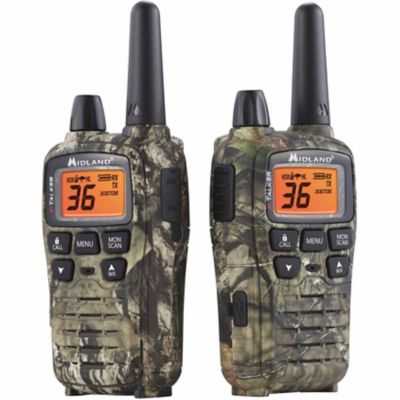
The right walkie-talkies with privacy codes should also suit the hands, pockets, and work habits of the people carrying them. A compact housing may sit comfortably on a belt during fence checks, while a larger body and clearly separated controls can be easier to handle with work gloves. Textured surfaces, a secure belt clip, and an attachment point for a compatible carrying strap help keep a radio close without tying up a hand. Button placement matters when someone needs to reach the push-to-talk control without looking away from a task, and a readable display makes channel and code settings easier to confirm before a group spreads out. For noisy surroundings, speaker output and compatible headset connections deserve attention, though an earpiece should never interfere with required hearing protection or awareness of nearby equipment. Voice-activated transmission can help during some tasks, but machinery noise may trigger the microphone, making a push-to-talk control a better fit in those settings. Housing materials and construction deserve a close look, too. Molded plastic shells can keep carrying weight manageable, while protected controls and covered accessory ports help limit exposure to dirt. Any stated impact, dust, or water-resistance rating should match the intended job; a splash-resistant radio is not automatically suitable for submersion. Range claims also need context. Open ground offers a different path for a signal than a metal-sided barn, wooded hollow, or series of hills. A radio that reaches across an open pasture may struggle between buildings, and privacy codes cannot overcome those obstacles. Service type is another practical distinction for shoppers in the United States. Compliant Family Radio Service, or FRS, radios operate without an individual FCC license, while General Mobile Radio Service, or GMRS, operation generally requires an FCC license. Channel options, power limits, and permitted features depend on the service. Compatibility, legal operation, and the layout of the property matter more than a large range figure alone.
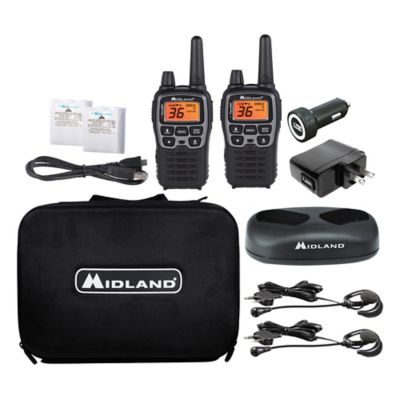
Battery setup can make just as much difference as size or controls when radios spend long stretches away from an outlet. Rechargeable Walkie Talkies can suit regular chores and repeated outings, and
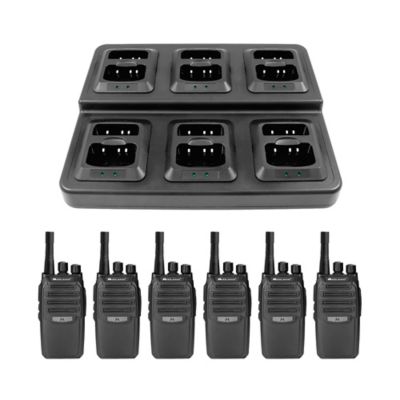
Rechargeable Walkie Talkies offer a related option for shoppers comparing charging arrangements and everyday carrying needs. Charging docks give radios a regular landing spot after work, while supported USB charging may fit a truck cab or equipment room setup. The charging connection, power source requirements, and included components should suit the places where the radios will spend their downtime. Radios that accept replaceable batteries may appeal to groups that need a quick power change away from a charging station, but battery types must follow the manufacturer's directions. Advertised battery life also depends on how often someone transmits, how long the speaker stays active, and which features remain switched on. A crew making frequent calls will draw power differently from a family keeping radios nearby for occasional check-ins. For shared radios, plainly marked controls and an easy-to-read battery indicator help different people pick one up and get to work with less confusion. Care is generally straightforward: dirt around buttons, charging contacts, and accessory covers deserves attention, and cleaning methods should follow the radio's manual. A soft cloth and careful storage can help protect the housing and connections without harsh cleaners or unnecessary soaking. Radios should be dry before charging, with batteries and chargers matched to the equipment. For farm owners, trail riders, camping families, and folks coordinating chores across a property, a compatible radio set can also make a practical gift. The most useful choice is one that fits the recipient's routine, whether that means a secure clip for walking fence lines, clear controls for shared family use, or a charging arrangement that keeps radios ready for the next round of work. Privacy codes add convenience to that setup by keeping unrelated chatter out of the speaker while leaving the basic purpose unchanged: a quick voice connection between people who need to stay in touch.