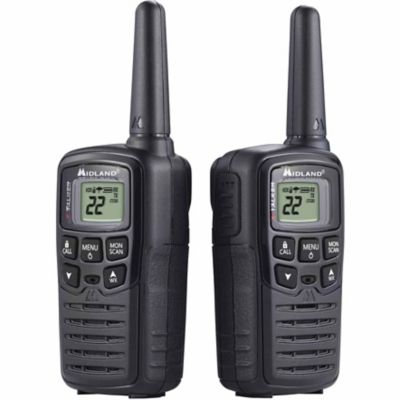
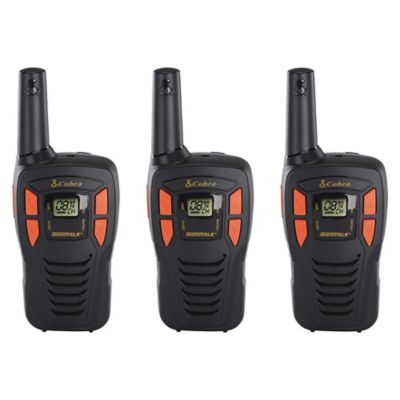
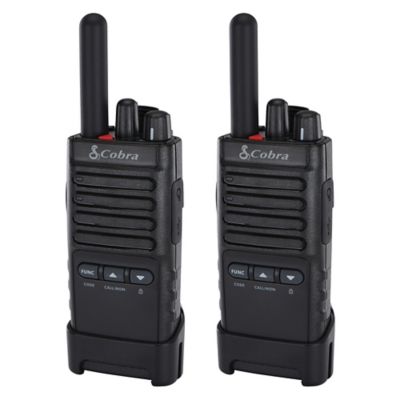
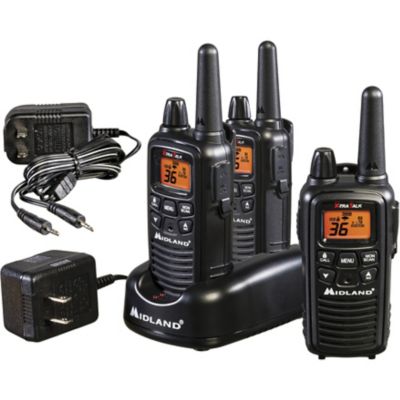
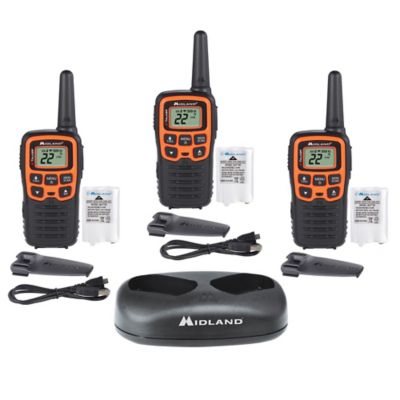
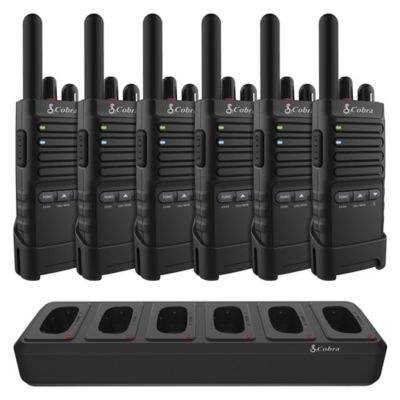
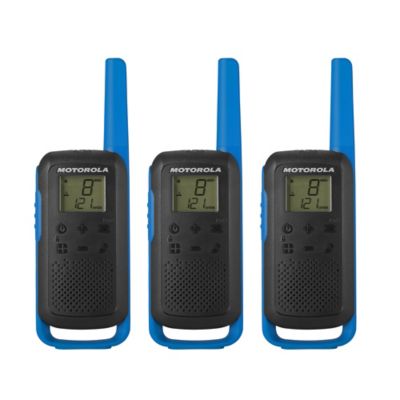
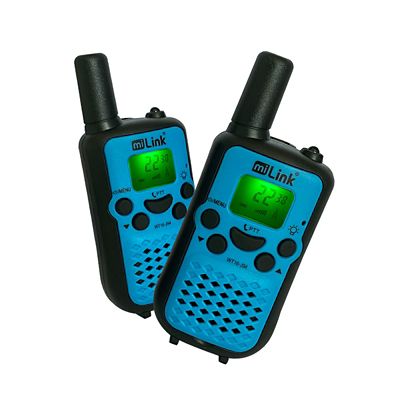
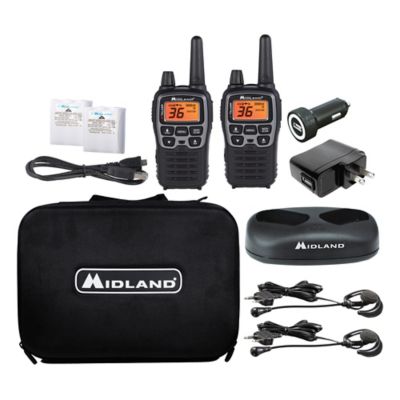
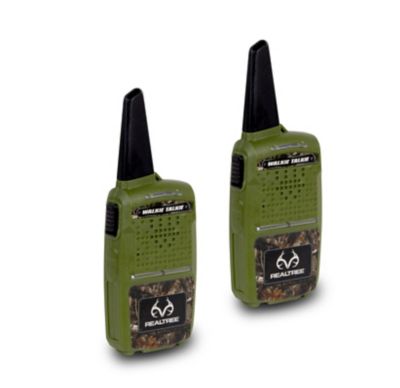
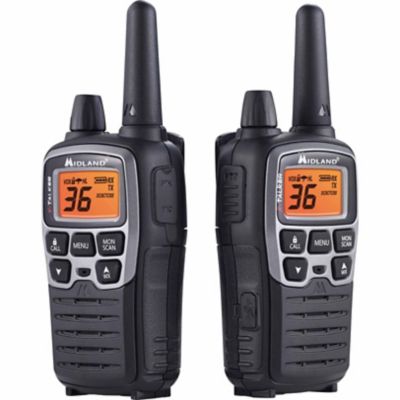
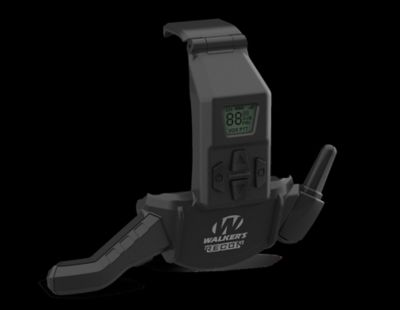
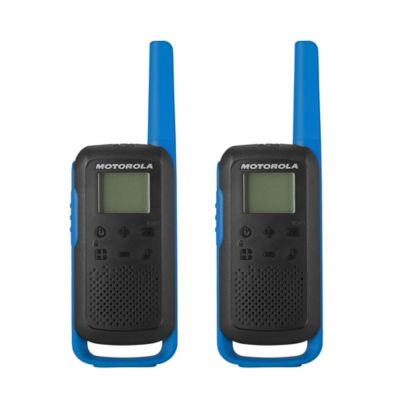
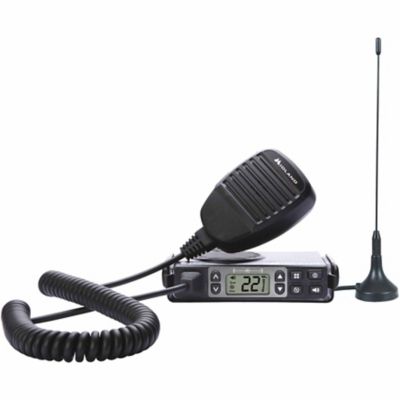
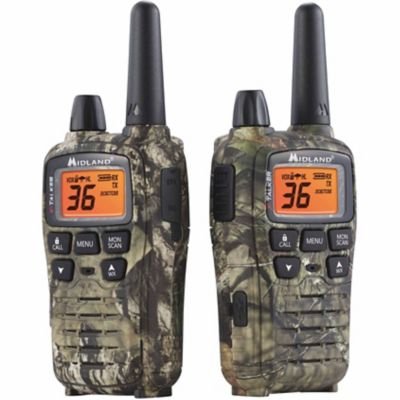
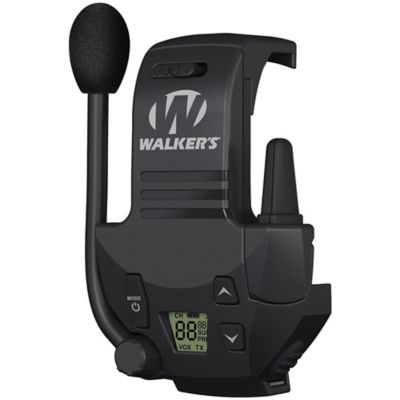
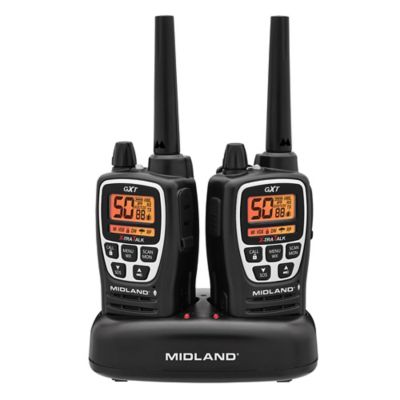
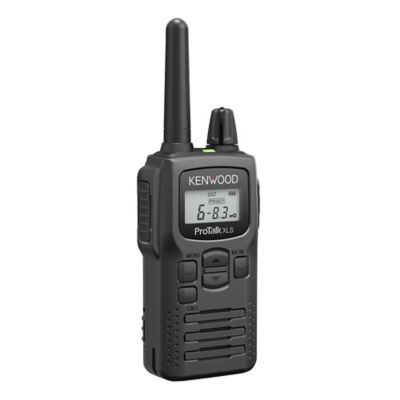
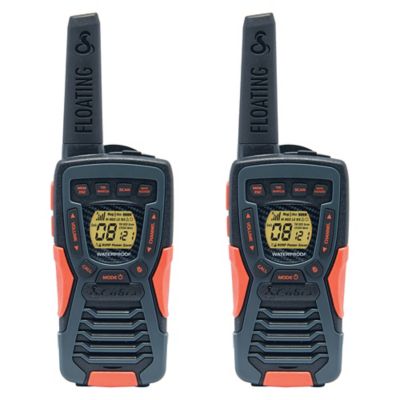
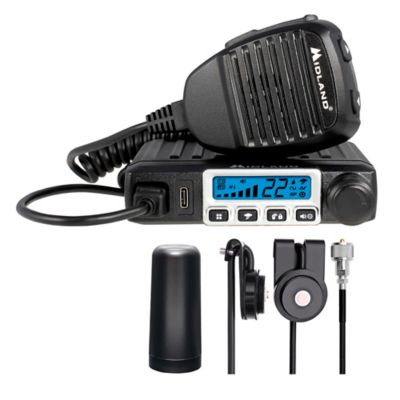
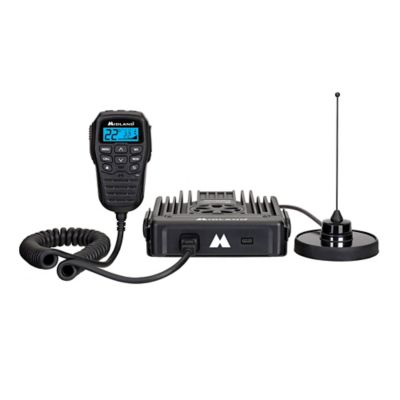
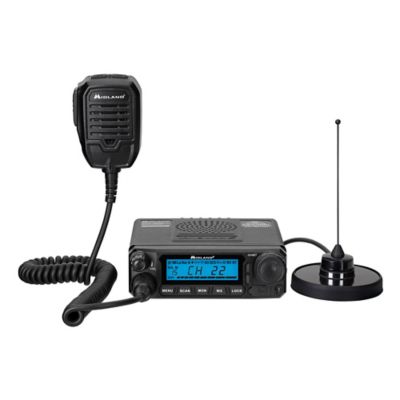
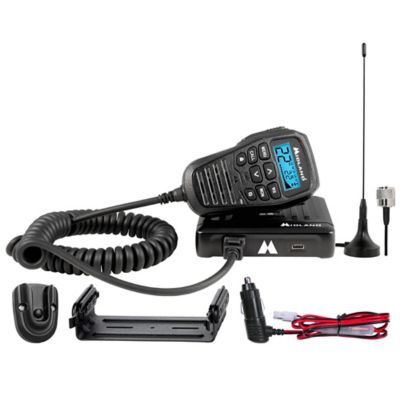
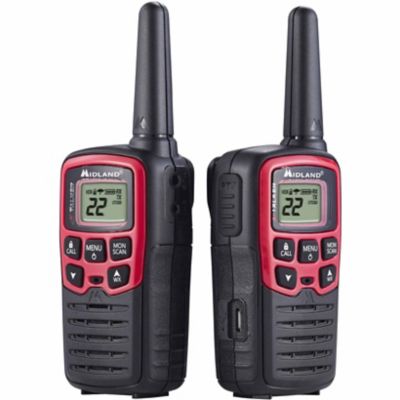
Long range walkie talkies help keep people connected when cell service is weak, crowded, or unavailable. They’re useful around farms, hunting camps, campgrounds, trailheads, large properties, construction sites, and outdoor events where a quick push of a button is easier than reaching for a phone. Parents may use them to stay in touch with children around a campsite, while farm families can use them between the barn, house, pasture, and equipment shed. They also make practical gifts for hunters, campers, property owners, volunteer crews, and anyone who spends time working or playing outdoors. The phrase “long range” can be a little misleading, since radio distance depends heavily on the landscape and conditions. In open, level country, a handheld radio may reach several miles, while trees, hills, valleys, metal buildings, and concrete walls can shorten that distance considerably. In rugged or obstructed terrain, real-world performance is often closer to 1 to 5 miles. A pair of radios rated for a much greater distance may still have trouble reaching from one side of a wooded ridge to the other. For the best results, look at the radio’s power, operating service, antenna design, battery capacity, weather resistance, and channel options together rather than relying on a single range number. Higher-powered GMRS radios can offer stronger performance than standard FRS radios, especially when the signal needs to travel through light obstructions or across uneven ground. In the United States, GMRS operation generally requires an FCC license, so check the current rules before using those channels. Standard FRS radios are license-free under applicable regulations and are often a convenient choice for family outings, campgrounds, chores, and short-range property communication. Following the instructions and using the radio only within its approved service keeps communication dependable and legal.
A few details make a big difference when choosing long range walkie talkies for everyday use. Start with the way the radios will be carried. A belt clip, lanyard loop, or secure attachment point is helpful when both hands are busy with fence repairs, firewood, reins, tools, or climbing gear. A bright housing or built-in flashlight can make a radio easier to find in a truck cab, tent, coat pocket, or dim equipment shed. For outdoor work, consider a weather-resistant or waterproof design that can handle wet grass, sudden rain, muddy gloves, and the occasional tumble. A sealed housing is especially helpful during the cooler months, when radios may be carried through damp fields or set beside a campfire, but check the product’s rating rather than assuming every rugged-looking model is fully waterproof. Battery life matters just as much as advertised distance. Rechargeable batteries can be convenient for regular use, while replaceable batteries are handy on longer trips where a power outlet is not nearby. Look for charging options that fit your routine, such as a wall adapter, vehicle charger, or USB connection, and consider carrying a spare battery pack or a small power bank for extended outings. Clear audio, an adjustable volume control, a strong speaker, and an easy-to-read display are worth prioritizing when wind, rain, livestock, engines, or nearby campers make it hard to hear. Hands-free voice activation can be useful while handling tools or leading a horse, though sensitive settings may pick up machinery and background noise. Channel scanning, call alerts, keypad locks, and weather reception can add convenience without being essential for every user. Radios with privacy codes can help reduce chatter from other users on the same channel, but these codes do not create private or encrypted conversations; they simply filter which signals the radio speaker plays. If that feature fits your needs, see
Walkie Talkies With Privacy Codes for more information.
Range also improves with good habits and the right setup. Keep the antenna upright when possible, move to higher ground, and step away from large metal objects, vehicles, and thick concrete walls if a signal is weak. A hilltop, open pasture, or clearing may provide a noticeably better path than a low spot in the woods. In busy areas, choose a channel that is easy for your group to monitor and agree on simple call signs or short messages before heading out. Speak clearly, pause briefly after pressing the transmit button, and keep the microphone a few inches from your mouth so the first words do not get clipped. Families may appreciate simple controls and durable construction, while hunting and camping groups may place more value on quiet operation, weather resistance, extended battery life, and a secure carry system. Large properties and work crews should consider how many people need to communicate, whether everyone will use the same radio service, and how far apart the users typically travel. Some higher-powered GMRS setups can work with repeaters, which are elevated radio systems that receive and retransmit a signal. With access to a compatible local repeater and favorable terrain, communication can extend from a few miles to more than 10 or 15 miles, although coverage varies by location and the repeater may require permission, programming, or additional licensing requirements. For most families, a dependable handheld pair is enough for coordinating a campsite, checking on chores, guiding vehicles, or keeping a group together on a trail. During warmer weather, radios can stay close at hand for fishing trips, fairs, fieldwork, and weekend camping; as the seasons turn cooler, they’re just as useful for managing firewood, checking fence lines, hunting outings, tailgates, and trips through the backcountry. Choose the combination of range, power, battery life, durability, and ease of use that matches the places and people relying on the connection.