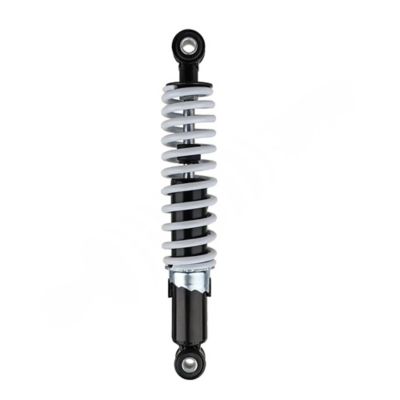
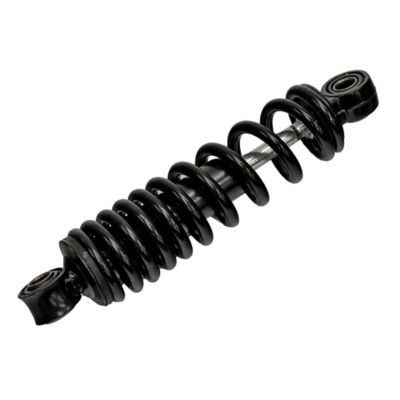
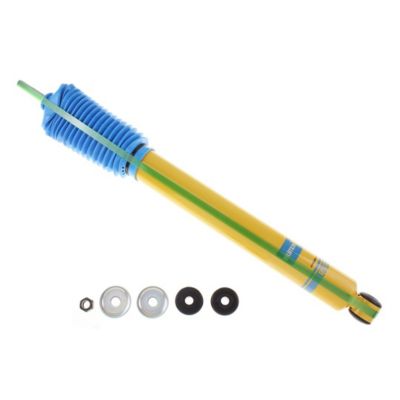
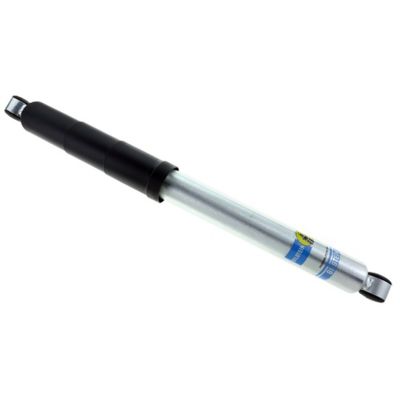
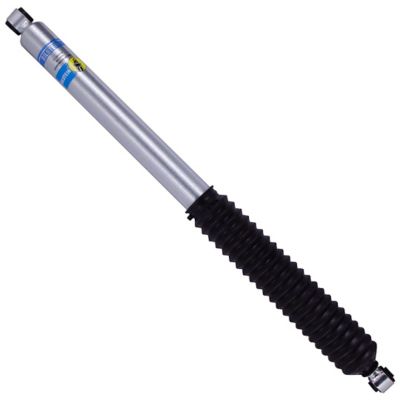
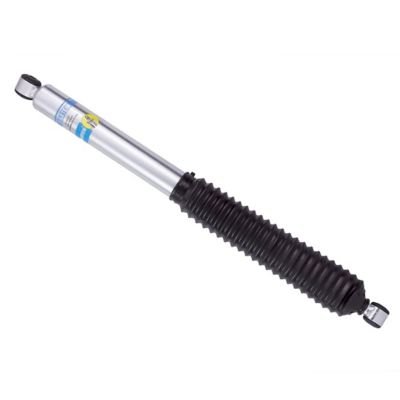
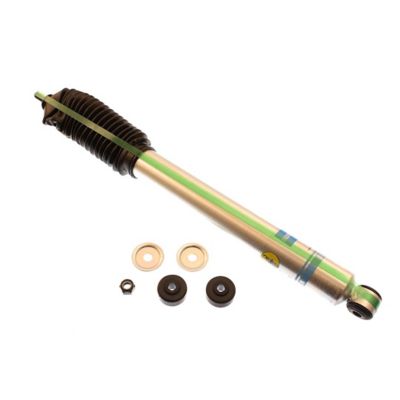
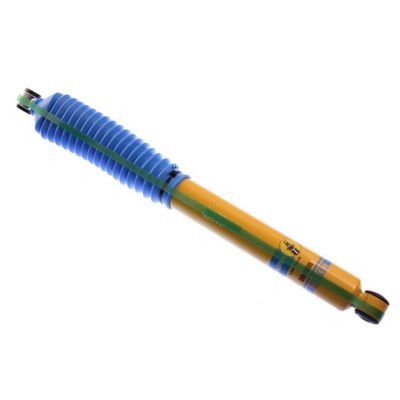
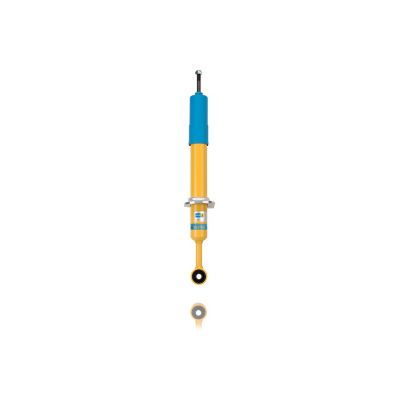
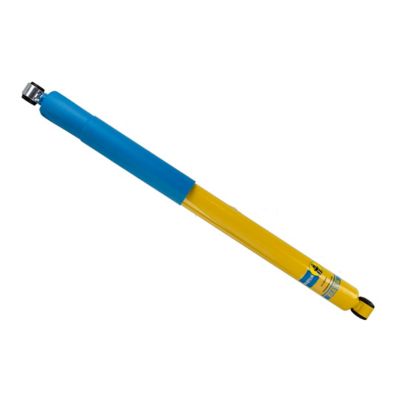
Rear shock absorbers help keep the back end of a vehicle planted when the road gets rough. They dampen the up-and-down movement of the rear springs after bumps, dips, potholes, and uneven gravel, helping the tires stay in contact with the road. That steady contact supports better ride control, braking, steering, and load handling. On a pickup hauling feed, fencing supplies, or tools, properly working rear shocks can make the difference between a controlled ride and a truck that continues to bounce after a rough patch. The same goes for SUVs, cars, vans, and other vehicles that spend time on washboard roads, farm lanes, construction sites, or highways with a trailer in tow. Rear shocks do not carry the vehicle’s weight the way springs do, and they do not replace worn springs, but they work alongside the suspension to control spring movement. When the shock absorbers begin to wear, you may notice excessive bouncing after a speed bump, a loose or floating feeling through turns, rear-end swaying, or extra movement when carrying a heavy load. Uneven tire wear can also point to poor tire contact with the road, while oily fluid on the outside of a shock may signal a leak. A vehicle that squats under cargo may need attention to its springs or load-support components as well as its shock absorbers, so it is worth checking the whole rear suspension instead of assuming one part is responsible for every ride issue.
Choosing the right rear shock absorbers starts with exact vehicle fitment. Make sure the replacement matches the vehicle’s year, make, model, body style, drive configuration, and rear suspension setup. Some vehicles use different parts depending on whether they are two-wheel drive or four-wheel drive, whether they have a standard or heavy-duty suspension, or whether they are equipped for towing. Comparing the original part number, mounting style, extended length, compressed length, and attachment hardware can help prevent a frustrating mismatch. Shock absorbers may be built for everyday commuting, frequent hauling, rough rural roads, or heavier work, so consider how the vehicle is actually used rather than choosing by appearance alone. A daily driver on paved roads may need a comfortable, steady ride, while a work truck that regularly carries a bed full of supplies may benefit from a more robust design suited to added load and repeated impacts. Gas-charged and other modern shock designs are made to control motion and reduce fade during continued use, but the best choice still depends on the vehicle and suspension system. Rear shocks are commonly replaced in pairs on the same axle so both sides respond evenly, especially when one unit is leaking, bent, badly rusted, or noticeably weaker than the other. Many shocks last roughly 50,000 to 100,000 miles, though mileage varies with road conditions, cargo, towing, weather, and driving habits. A vehicle used on gravel, rutted lanes, or snowy roads may wear suspension parts sooner than one driven mostly on smooth pavement. During cooler months, take a close look at components exposed to road salt, mud, moisture, and packed debris. Rust around mounting points, damaged bushings, or loose hardware deserves attention before it turns a manageable repair into a bigger suspension problem.
Rear shock absorbers are a practical choice for vehicle owners who do their own maintenance, rural families who depend on a truck or SUV for everyday chores, and anyone preparing a vehicle for hauling or towing. They can also make a thoughtful gift for a mechanically minded family member, hunting buddy, farmhand, or weekend garage project enthusiast—especially when paired with a vehicle inspection, the correct fitment information, and the basic tools needed for the job. Installation is often straightforward for an experienced do-it-yourselfer, but the vehicle should be supported securely with proper stands on solid, level ground; never rely on a jack alone. Follow the vehicle service information for mounting direction, torque specifications, and any special procedures, since over-tightening or installing a shock incorrectly can damage bushings or affect suspension movement. It is also smart to inspect the mounting bolts, rubber or polyurethane bushings, springs, bump stops, brake hoses, and nearby lines while the old shocks are removed. A fresh set of rear shocks will not correct worn tires, bent suspension parts, damaged springs, or brake problems, so those concerns should be addressed separately. If the vehicle feels unstable while braking or towing, have the suspension checked by a qualified technician before hauling a heavy load. Rear suspension work often goes hand in hand with checking the braking system, including the
Rear Brake Rotors, tires, and wheel bearings. With the right fit, balanced installation, and regular inspections, replacement rear shock absorbers can help restore a calmer ride, reduce unnecessary bouncing, and give the rear axle better control over changing roads and changing loads.