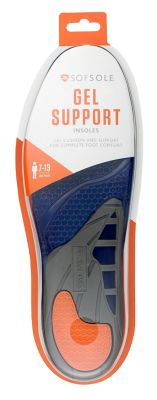
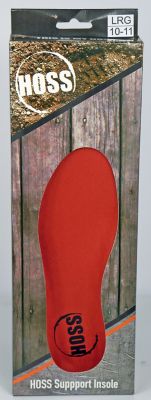
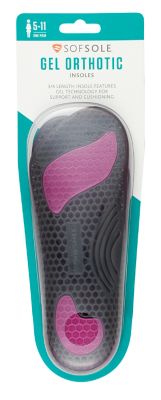
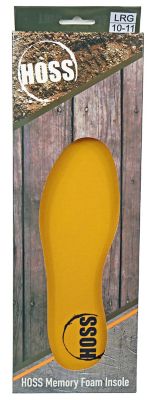
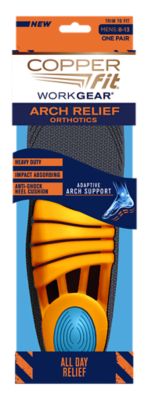
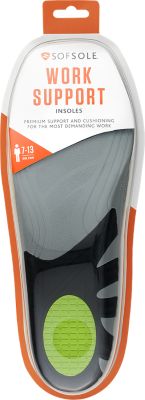
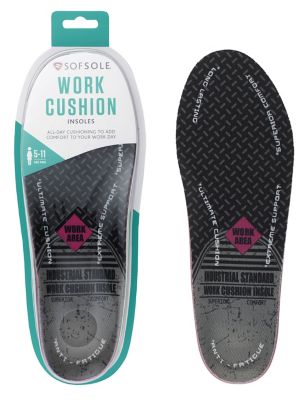
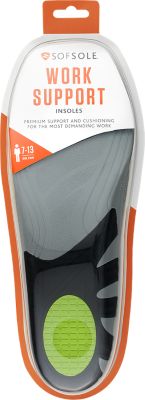
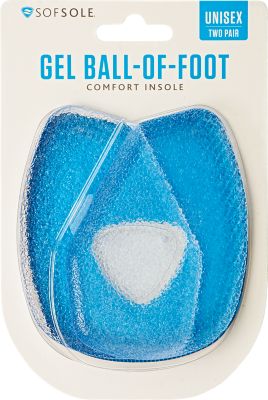
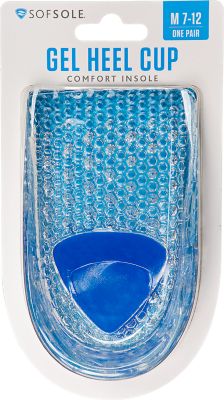
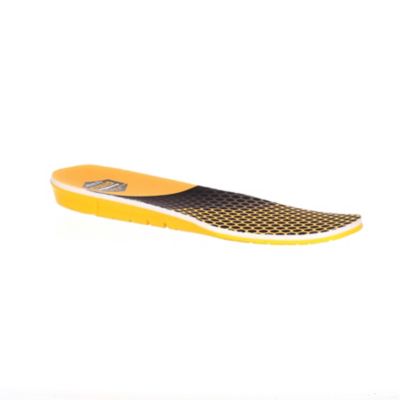
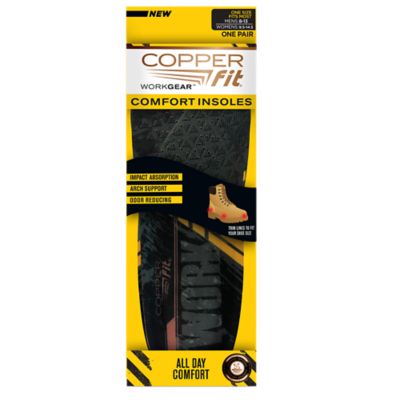
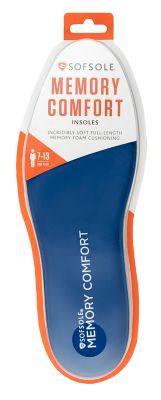
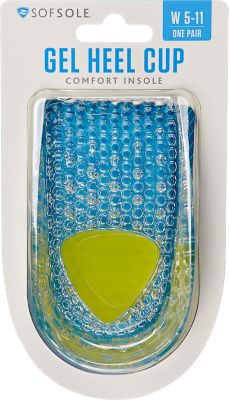
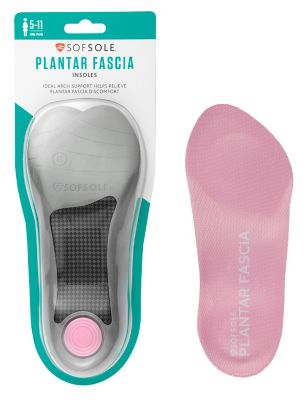
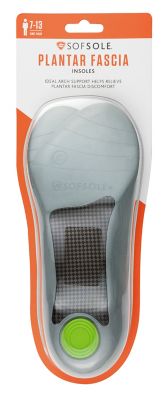
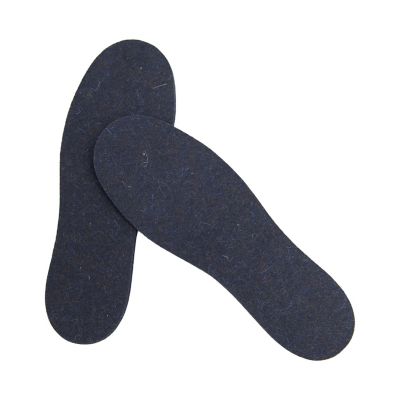
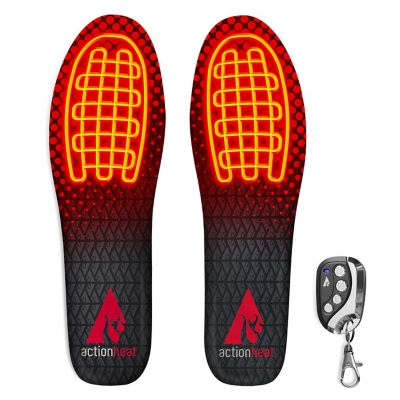
Shock-absorbing shoe inserts add cushioning inside footwear to help soften repeated impact at the heel and forefoot during walking, standing and other everyday movement. They fit beneath the foot, where each step presses into the insert rather than directly against the shoe’s existing footbed. For someone crossing a concrete shop floor, walking fence lines or spending hours at a workbench, that extra layer can make hard surfaces feel less harsh underfoot. The amount of cushioning depends on the insert’s material, thickness and construction, along with the footwear surrounding it. Foam, gel and layered designs offer different underfoot feels. Memory foam tends to conform around the foot, while other foam blends provide a springier or firmer cushion. Ethylene-vinyl acetate, often called EVA, adds cushioning without much weight, and polyurethane foam can provide a denser feel. Gel sections may concentrate cushioning beneath the heel, the ball of the foot or both. Some inserts combine a cushioned top layer with a firmer base to balance softness and support. Shock absorption and arch support are related features, but they do different jobs: cushioning helps soften impact, while a shaped arch and heel cup help support and position the foot. A very soft insert does not necessarily provide much structure, and a firm insert can still include cushioning in high-pressure areas. Full-length insoles cover the footbed from heel to toe, while shorter inserts leave more space toward the front of the shoe. Heel cushions focus on a smaller area and change the fit differently than a full-length design. These differences matter when comparing shock-absorbing insoles for work boots, walking shoes or everyday footwear. The best match is not simply the thickest or softest option; it is the combination that feels comfortable, stays in place and leaves enough room for the foot to move naturally without sliding around.
Fit plays a big part in how shock-absorbing shoe inserts feel through a full day. A roomy lace-up work boot may accommodate a thicker insert, while a closer-fitting shoe may need a lower-profile layer. Adding too much material can crowd the toes, press the top of the foot against the shoe or lift the heel high enough to rub against the collar. In footwear with a removable factory footbed, a replacement insert generally takes that footbed’s place rather than sitting on top of it, unless the insert’s directions say otherwise. Stacking layers can change heel placement and reduce the space the shoe was built to provide. Size ranges, arch shape and heel width all deserve attention, even when an insert is labeled for the same shoe size someone normally wears. Trim-to-fit designs allow adjustment at the toe end, following the marked lines and the maker’s directions; the arch and heel sections need to remain positioned beneath the right parts of the foot. A smooth fit without curled edges, bunching or side-to-side movement helps the insert sit as intended. The socks worn with the footwear also affect the available space, especially for folks who wear cushioned work socks throughout a shift. Intended use matters just as much as sizing. Someone standing at a checkout counter may prefer a different balance of cushioning and firmness than someone walking across a farmyard, climbing equipment steps or carrying supplies through a warehouse. Long stretches of standing involve sustained pressure, while walking adds repeated impact, so the softest feel on the first step may not be the most comfortable after several hours. Activity-focused designs may include shaped heel cups or firmer sections, but an insert still needs to work with the shoe rather than fight against it. A comfortable fit should feel secure without pinching, forcing the foot into an awkward position or making the heel slip with every step.
Daily wear and care affect how long shoe inserts keep their cushioning and shape. Repeated pressure gradually compresses foam, and top covers can wear thin where the heel and ball of the foot press hardest. Body weight, walking patterns, hours of wear and the condition of the footwear all influence that process, so there is no single replacement schedule that fits everyone. Flattened heel areas, cracking, curled edges or a noticeable loss of comfort can signal that an insert has reached the end of its service life. Grit trapped beneath the insert can also rub against the shoe’s interior, making an occasional check worthwhile, especially after work around feed rooms, gravel drives or dusty shop floors. Care directions vary by material. Many inserts call for gentle surface cleaning with mild soap and a damp cloth, followed by air-drying away from direct heat. Soaking, machine washing or tumble drying may damage foam, bonded layers or fabric covers unless the maker specifically permits those methods. Removing insoles when practical gives both the insert and the inside of the shoe a chance to dry between wears. A fabric top cover may help manage moisture against the sock, but it does not replace regular cleaning or well-fitting footwear. The shoe itself remains the foundation: a worn-down outsole, collapsed midsole or loose heel cannot be fixed with an extra layer underfoot. Pairing an appropriate insert with
Supportive Shoes For Work keeps attention on the whole setup, including traction, toe room and a secure fit. Shock-absorbing inserts can be a practical comfort addition for people who spend much of the day on their feet, but they are not a treatment for every source of foot pain. Persistent pain, numbness, swelling or skin irritation deserves advice from a healthcare professional, particularly for anyone with diabetes or reduced sensation in the feet. For everyday comfort, the goal is straightforward: cushioning suited to the task, enough support to feel steady and footwear that still fits the way it should.