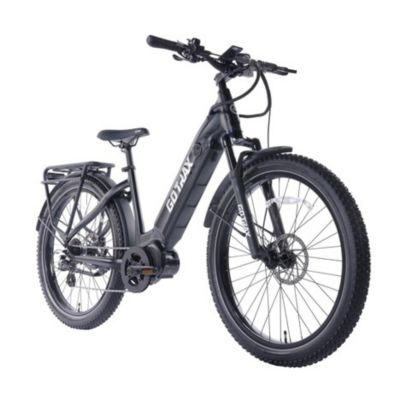
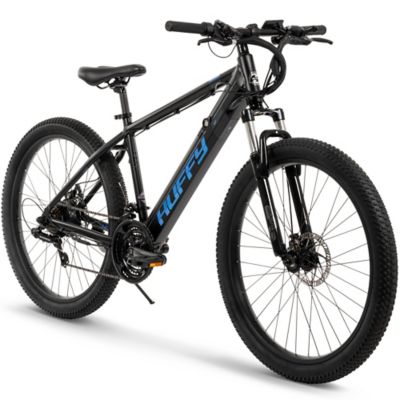
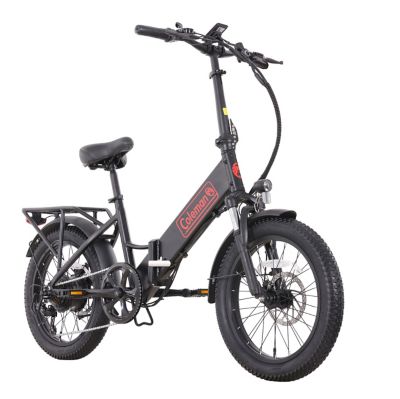
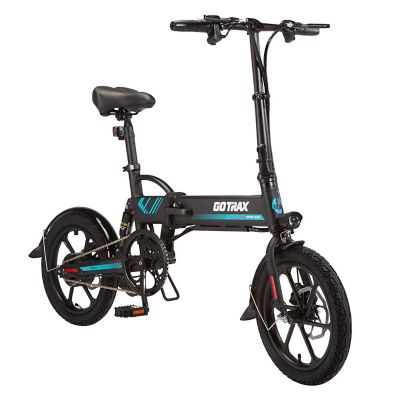
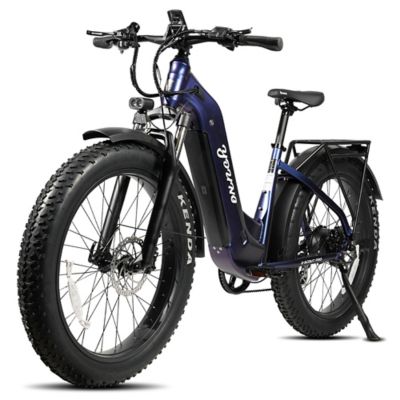
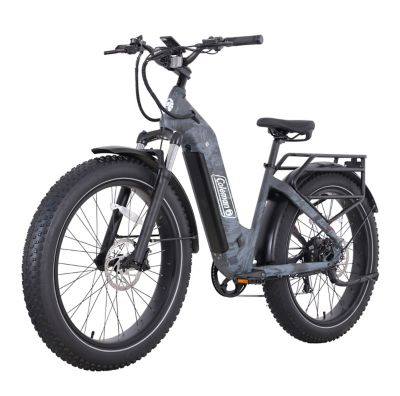
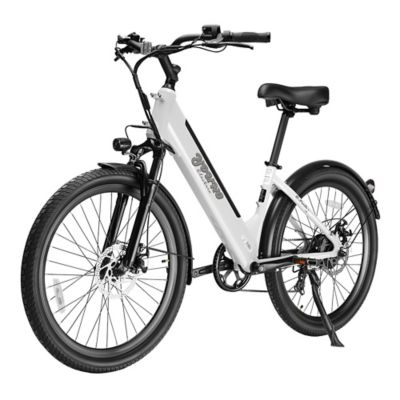
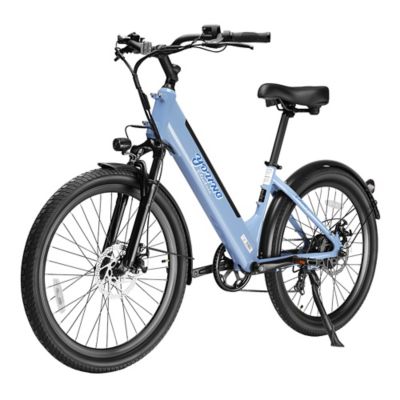
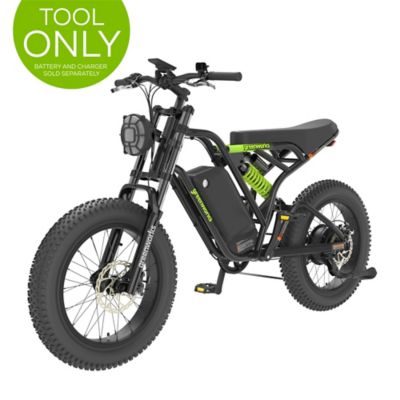
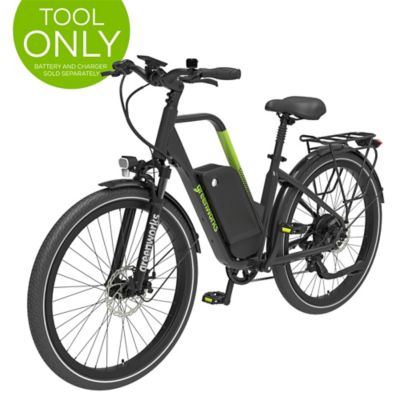
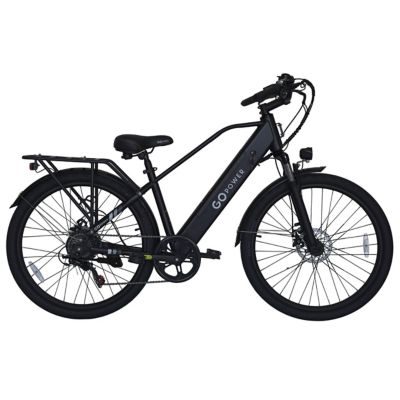
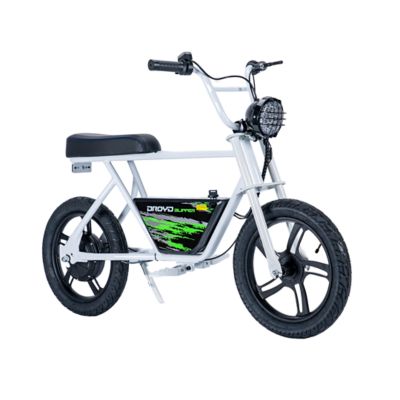
Electric bikes with suspension combine motor-assisted pedaling with components that help absorb bumps, making uneven ground less jarring for the rider. A front-suspension electric bike, often called a hardtail, has a suspension fork at the front wheel and a rigid rear frame. A full-suspension electric bike adds a rear shock and a frame linkage that lets the rear wheel move over bumps, too. That difference matters on a gravel lane with washboard ridges, a permitted trail crossed by tree roots, or a stretch of pavement with patched sections. Front suspension can take the edge off impacts through the handlebars, while rear suspension also helps reduce jolts through the saddle and pedals. Both designs can help the wheels maintain contact with uneven surfaces, though neither replaces careful riding or proper tire pressure. Hardtails generally have fewer suspension components to maintain, making them a practical match for mixed pavement, maintained paths, and moderately uneven ground. Full-suspension designs can offer more comfort and control on repeated bumps and rougher terrain, provided the bike is rated for that kind of riding. Suspension travel describes how far the fork or rear wheel can move as it absorbs an impact; more travel is not automatically better for every route. Spring support, damping, frame geometry, and tire choice all affect how the bike handles. Some suspension systems offer adjustments for rider weight or a lockout setting that limits movement on smoother stretches. Wider tires can add cushioning and traction, but they do not perform the same job as a suspension fork or rear shock. A suspension seatpost can soften the feel at the saddle without turning a hardtail into a full-suspension bike. For everyday trips between the house and an outbuilding, rides along open country roads, or outings on approved recreation paths, the best match starts with the ground beneath the wheels.
Frame fit and motor assistance deserve just as much attention as the suspension layout. Aluminum and steel are common frame materials, with overall weight depending on the complete build rather than the frame material alone. Aluminum frames often help keep weight down, while steel designs may carry more heft; either way, the motor and battery make many electric bikes heavier than comparable pedal-only bicycles. That extra weight matters when lifting a bike onto a carrier, walking it through a gate, or moving it around a crowded shed. Step-through frames provide a lower opening for getting on and off, while step-over frames have a higher top tube that calls for enough standing clearance. Published rider-height ranges are a starting point, but saddle adjustment, handlebar reach, and the distance to the brake levers shape the actual fit. A comfortable position should allow controlled steering and braking without an awkward stretch. Suspension settings also need to suit the rider and any permitted cargo, since too much compression can leave less travel available for the next bump. Motor placement changes the riding feel: a hub motor drives a wheel, while a mid-drive motor sends assistance through the bike’s drivetrain and works with its gears. Torque, measured in newton-meters, describes turning force and is especially relevant to starting on an incline or climbing with a load. Motor wattage alone does not explain climbing ability, and assistance does not replace choosing an appropriate gear. Battery capacity, commonly listed in watt-hours, helps describe stored energy, but actual range varies with hills, rider weight, cargo, tire pressure, assistance level, and riding habits. Hydraulic and mechanical disc brakes are common options, and braking performance depends on the whole system and its condition. For a gift recipient, matching the bike to their height, handling confidence, and regular routes matters more than choosing the longest feature list.
Everyday practicality helps turn an electric bike with suspension into something that earns its space in the shed. Riders carrying a small bag of supplies or heading out for a longer recreational loop may appreciate mounting points for compatible racks, fenders, lights, and bottle cages. Accessory fit matters on suspension-equipped frames because moving parts need clearance throughout their travel. A rear rack also needs to match the frame design and its stated load limits; a rack that fits one hardtail may not suit a full-suspension frame. Manufacturer weight ratings should account for the rider and whatever the bike carries. Storage and transport deserve a little thought, too. The
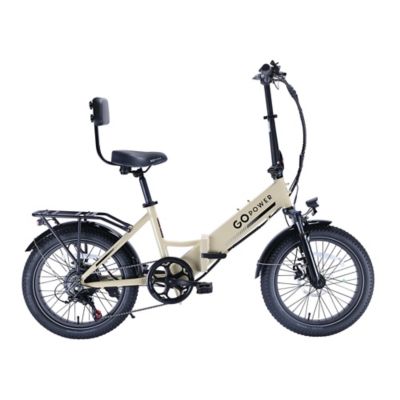
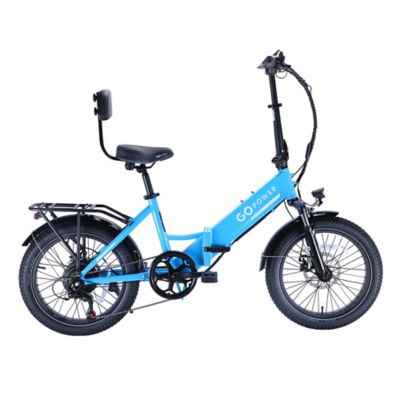
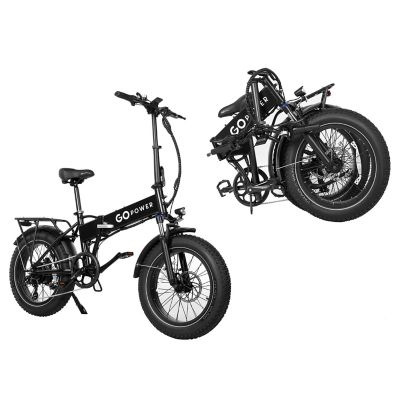
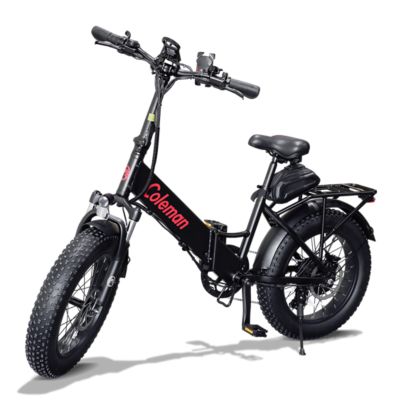
Foldable Electric Bikes collection offers another frame style to consider when space is tight, though folding capability and suspension are separate features. A folded bike still has its full weight, and a vehicle carrier needs suitable weight capacity, wheel support, and a secure attachment method. Routine care includes checking tire pressure, watching brake-pad wear, keeping the drivetrain clean and lubricated as directed, and inspecting fasteners at the intervals listed by the manufacturer. Suspension fork stanchions and rear shock shafts benefit from gentle cleaning that keeps grit away from their seals, while internal suspension service follows its own maintenance schedule. High-pressure spraying can force water past seals or into electrical connections, so cleaning methods should follow the bike’s care instructions. Battery care is another part of ownership: charging calls for the manufacturer-approved charger, an appropriate location, and a battery free from visible damage. Certification to applicable electrical safety standards is worth checking in the specifications rather than assuming every electrical system carries the same testing. A properly fitted helmet, clear visibility, and familiar controls round out the setup. Local rules determine where different e-bike classes can operate, and trail access may differ from road access. With the right fit, suitable suspension, and regular attention, an electric bike can make familiar routes feel a good deal less bumpy.