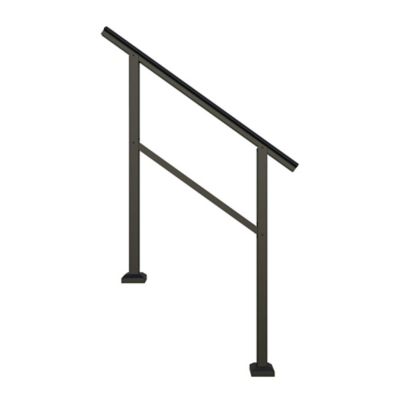
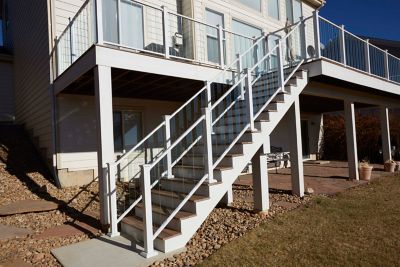
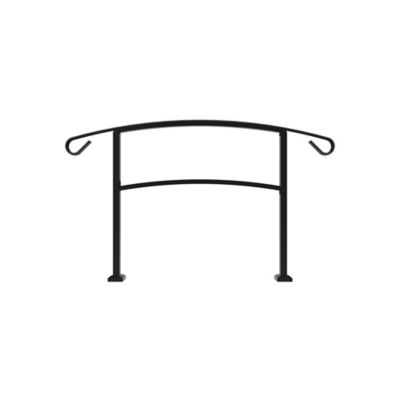
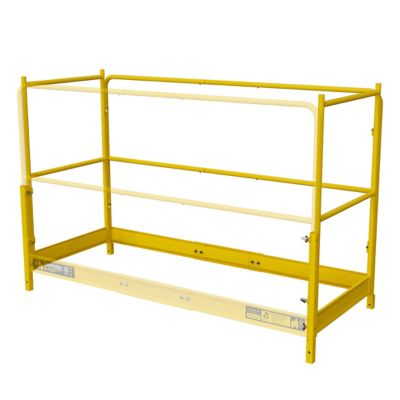
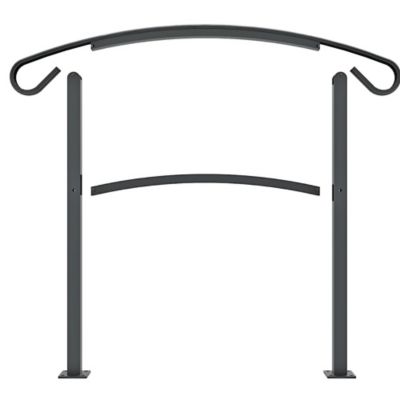
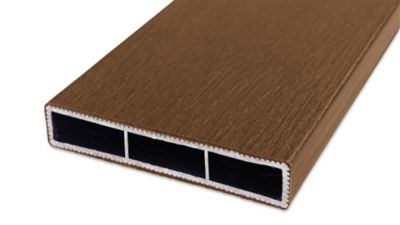
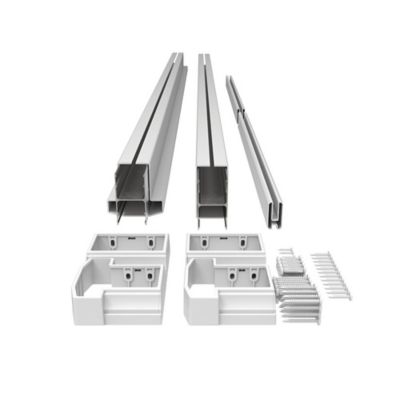
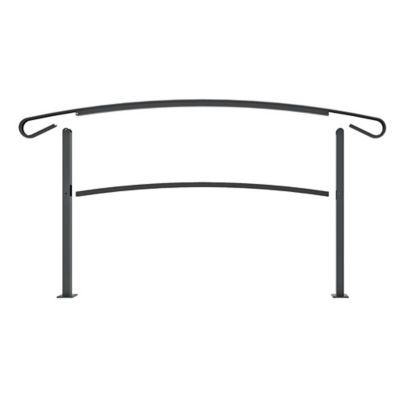
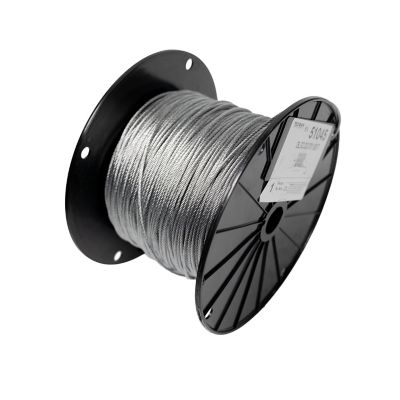
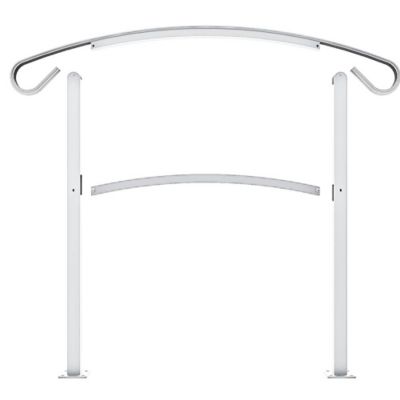
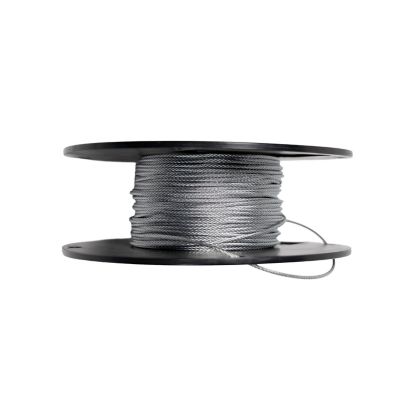
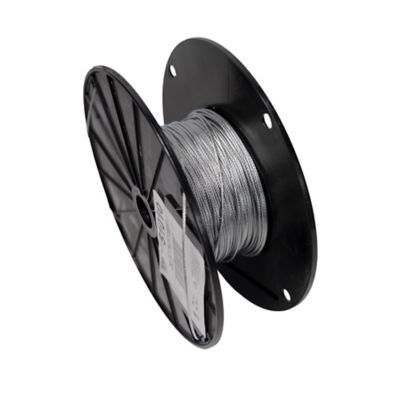
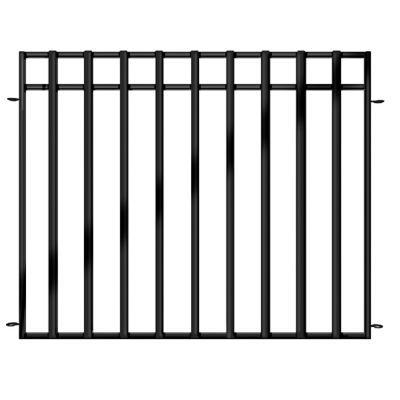
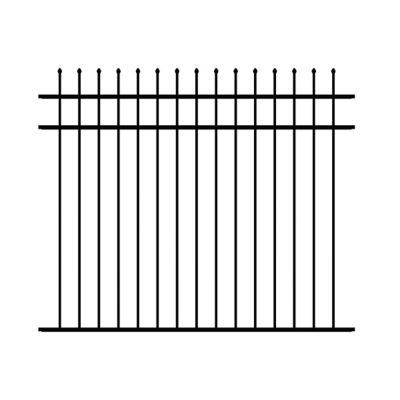
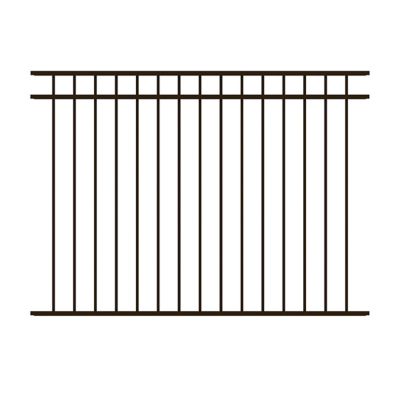
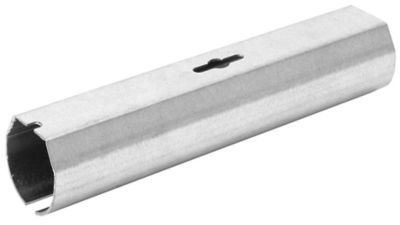
Railing systems form a protective barrier along open sides of decks, porches, stairs, and balconies, while stair handrails provide a place to grip when moving between levels. A complete system generally includes posts, top and bottom rails, infill such as balusters or panels, and the brackets and fasteners that connect those parts. Some designs combine the top rail and handrail; others need a separate graspable rail, especially along stairs. Around a country home, these systems help define the edge of a raised porch, frame a landing outside the back door, or provide support beside steps that see muddy boots and armloads of groceries. Material makes a real difference in how a railing looks, feels, and holds up outdoors. Aluminum railing is relatively lightweight and resists rust, with finishes that can coordinate with siding, trim, and porch posts. Steel offers strength and a substantial feel, though exposed metal needs protection from corrosion. Stainless steel cable railing pairs narrow horizontal or vertical cables with supporting posts for a more open view across a yard or pasture. Cable systems depend on proper tension, post strength, and spacing, so their structure matters just as much as their appearance. Glass panel railing preserves sightlines with a broad, clear surface, but requires safety glazing approved for the application and regular cleaning to keep fingerprints and water spots in check. Wood railing brings a familiar look to farmhouses and cabin porches, with grain and color that fit naturally alongside timber framing. It also calls for attention to moisture, finish wear, and possible decay. Vinyl and composite railing can offer a painted or wood-like appearance with different upkeep needs, though some designs depend on internal reinforcement for support. For homeowners, property managers, and contractors, the best material match comes down to the setting, expected traffic, exposure, and time available for care—not appearance alone. A sheltered front porch and an uncovered staircase facing wind-driven rain put very different demands on the same type of railing.
Fit starts with the shape and structure of the space. Level deck railing sections differ from stair railing sections, which must follow the stair pitch while maintaining the required height and a comfortable grip where a handrail is needed. A short landing beside a mudroom may need several corners and closely spaced posts, while a long deck overlooking a field may have straight runs interrupted by a gate or steps. Those details affect section lengths, bracket angles, post placement, and how the finished railing lines up with doors and walking paths. Nominal section measurements do not always equal the clear opening between posts, and cutting allowances vary by system. Matching components within a manufacturer-approved system helps avoid problems with connections, finishes, and load performance. Building requirements are another part of the fit. Many residential deck guards have a minimum height of 36 inches, while some applications require 42 inches; the actual requirement depends on local code, building type, and location. Stair handrail heights are a separate measurement, and opening limits apply to balusters, cables, panels, and spaces near stair treads. Common codes restrict many guard openings to less than a 4-inch sphere, with exceptions for certain stair openings, so local requirements deserve a check before a layout is settled. Cable deflection also matters when evaluating opening sizes. Strong attachment is essential: railing posts need a connection to framing, blocking, concrete, or another approved structural base, rather than deck boards alone. Surface-mount and side-mount posts place different demands on that base, and older porches may need structural repairs before a new railing goes on. Fastener material must suit both the railing and the mounting surface, particularly around treated lumber or in damp settings. A qualified installer or local building official can help resolve questions about unusual layouts or existing construction. For an outdoor sitting area,
Patio Railings offer another way to explore railing styles suited to the space around chairs, tables, and nearby steps.
Day-to-day use is where small design differences become noticeable. A smooth, graspable stair handrail offers a practical handhold on the trip down to the driveway, while neatly finished corners and secure end caps help keep sleeves and work gloves from catching. Broad top rails may suit the look of a porch, but they do not automatically meet graspability requirements for a stair handrail. Open baluster patterns can frame the view without the cleaning demands of glass, while cable infill keeps the landscape in sight but needs periodic checks for tension and sound connections. Where children spend time, climbable layouts deserve particular attention; a railing is not a substitute for supervision or an appropriate child-safety barrier. Standard deck railing also should not be treated as livestock fencing or assumed to contain every pet. Intended use and the system’s documented ratings matter, especially on rental properties, shared entries, or busy gathering spaces. During the cooler months, wet leaves, tracked-in grit, and freeze-thaw cycles can make outdoor surfaces harder on both people and materials. Keeping debris away from post bases and allowing water to drain helps reduce prolonged moisture exposure. Aluminum, vinyl, and composite surfaces often need only mild soap, water, and cleaning methods approved by the manufacturer. Steel deserves a look wherever its protective coating is scratched, and stainless steel may need extra attention near salt exposure. Wood benefits from routine checks for splinters, loose connections, softened areas, and worn stain or paint. Glass calls for suitable cleaners that will not harm nearby seals or finishes. Across materials, movement at a post, a loose bracket, or a damaged infill section is a reason to have the railing checked rather than simply tighten whatever is visible. A well-matched railing system brings together a sound structure, manageable upkeep, and a look that belongs on the property, whether the setting is a front porch with rocking chairs or the everyday steps outside the kitchen door.