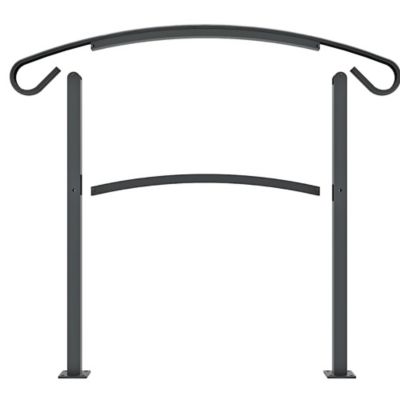
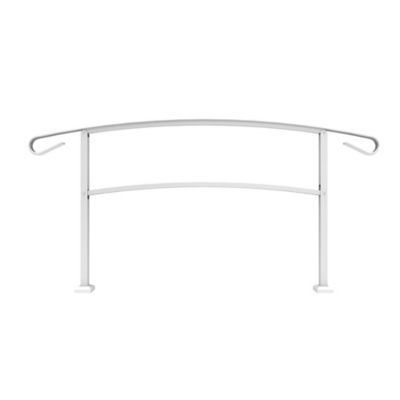
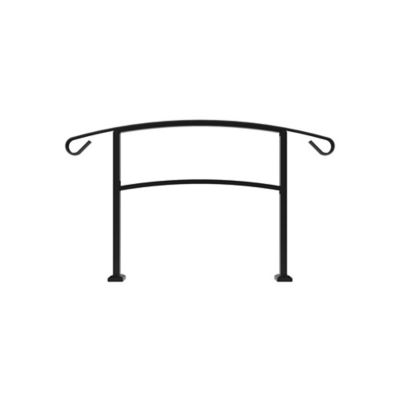
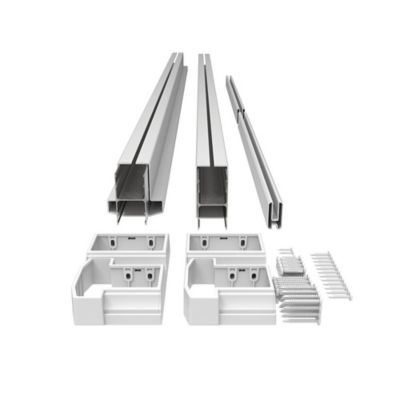
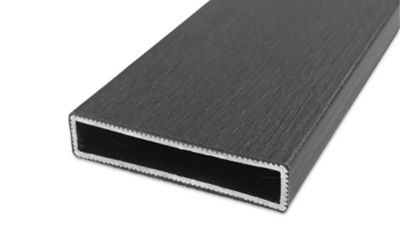
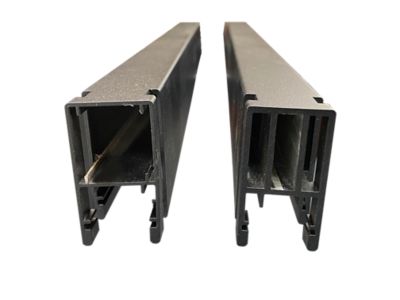
Deck railings give an outdoor gathering spot a defined edge, help protect people from falls on elevated decks, and shape how the whole space looks from the yard. Around a farmhouse, a small backyard deck, or a raised platform overlooking pasture, the right railing balances a sturdy barrier with room to enjoy the view. A complete railing system generally includes posts, top and bottom rails, and infill, such as balusters, cables, or panels. Those parts work together, so the material and design matter beyond appearance alone. Wood deck railings bring familiar grain and substantial profiles that suit traditional homes and simple country porches. Pressure-treated lumber can help resist decay, but wood still needs attention to surface finishes, checking, and fastener condition. Aluminum deck railings offer lighter weight and resistance to rust, often with coated finishes that need less upkeep than painted wood. Steel offers a substantial feel and slender profiles, though its protection against rust depends on the coating, installation details, and ongoing care. Composite deck railings commonly combine wood fibers and plastic, while some systems have protective outer caps or internal reinforcement. These materials can reduce the need for sanding and staining, but their cleaning needs and structural requirements vary by system. Cable railing uses thin tensioned lines to keep sightlines open, while glass railing provides clear panels for a less interrupted view. Neither choice makes the supporting posts or connections any less important. Glass should be safety glazing approved for the application, and cable assemblies need compatible posts, fittings, and tensioning components. For a deck where family gathers for supper or neighbors lean in for a conversation, a comfortable top-rail profile and a layout that leaves the walkway clear can make the space feel more settled. The best material match comes down to the look of the house, the deck’s construction, and how much ongoing attention the railing will need.
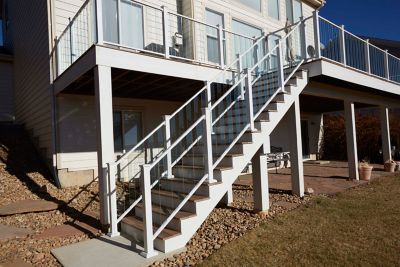
Fit starts with the deck itself, not just the length of the railing along its edge. Straight runs, corners, stair openings, and changes in elevation all affect which railing sections and connections belong in the layout. A long rectangular deck may have several straightforward spans, while a wraparound deck can involve more corners and shorter sections. Stair railings are a separate consideration because the slope changes the fit of the rails, balusters, and brackets. A stair handrail may also need a graspable shape that a broad deck top rail does not provide. Guardrails and handrails serve different purposes: a guard helps prevent falls from an open edge, while a handrail gives someone a steady grip along stairs. Residential deck guards commonly require a minimum height of 36 inches above the deck surface, and typical guard openings must be small enough that a 4-inch sphere cannot pass through. Those are common benchmarks rather than universal rules; local codes can require taller guards, and stair openings have their own provisions. Required guard locations, attachment strength, and permitted designs also depend on the applicable code. For households with children or pets, infill spacing and climbable features deserve particular attention, without treating a railing as a substitute for supervision. Secure attachment depends on sound framing and suitable connections, not just screws driven into deck boards. Surface-mounted posts, fascia-mounted posts, and wood posts connected to framing each have different support needs. A deck with loose boards, soft framing, or movement at an existing post needs a structural assessment before a new railing can do its job. System compatibility matters just as much: rails, brackets, posts, and infill should fit together as specified by the manufacturer. Cable tension, glass panel dimensions, and composite rail reinforcement are especially dependent on the complete assembly. Clear measurements and a review of local requirements help keep the finished railing suited to the deck rather than forcing the deck to suit mismatched parts.
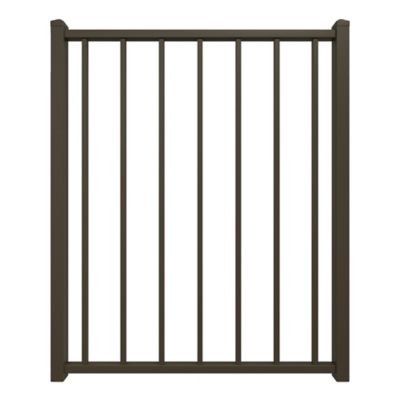
Appearance and everyday care round out the choice. Thick wood posts and evenly spaced balusters can give a deck a grounded, familiar look, while narrow metal balusters keep more of the yard in view. The slim profiles associated with
Modern Railings can work beside a plain farmhouse exterior just as comfortably as they do beside a newer home. Dark finishes tend to frame the view with a quieter outline, while lighter rails stand out against siding and landscaping. Matching every surface is not necessary, but coordinating the railing with the deck boards, door trim, and nearby fencing can keep the space from feeling pieced together. Daily use matters, too. A deck outside the kitchen may need an easy-to-clean rail near the eating area, while a deck beside a workshop benefits from a finish that can handle frequent contact and straightforward cleaning. Wide views across a field can make cable or glass appealing, though glass brings more visible fingerprints and cable requires checks of its fittings and tension. Wood generally needs periodic inspection for splits, splinters, loose connections, and areas where a protective finish has worn thin. Metal railings benefit from checks around fasteners, joints, and scratches in the finish, where corrosion can begin. Composite surfaces usually call for cleaning methods that follow the manufacturer’s directions rather than abrasive pads or strong solvents. Across materials, dirt collected around post bases and connections can hide problems, so those spots deserve attention along with the rails themselves. Loose fasteners, shifting posts, cracked panels, or sagging infill are reasons to address the assembly promptly. A railing that suits the home and stays firm under everyday use supports the simple pleasures of a deck: carrying supper outside, visiting with family, or taking a seat where the yard opens up beyond the rail. Thoughtful proportions, suitable materials, and sound connections help that space feel welcoming without losing sight of the railing’s main purpose.