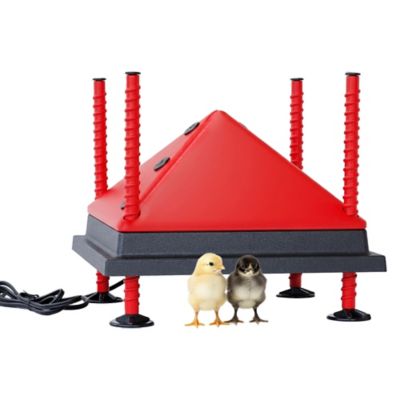
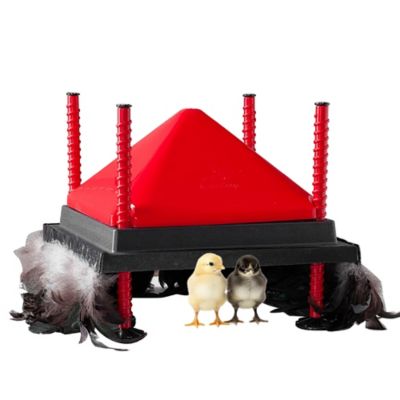
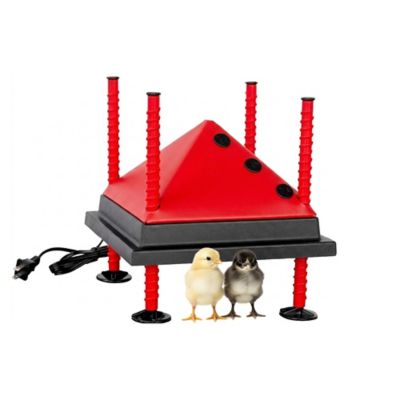
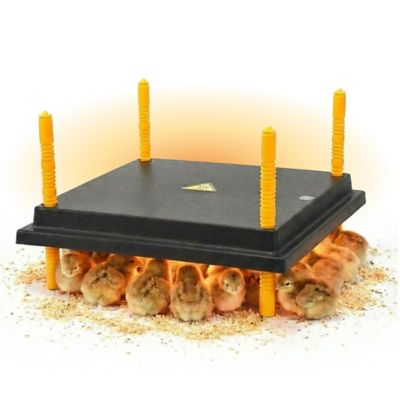
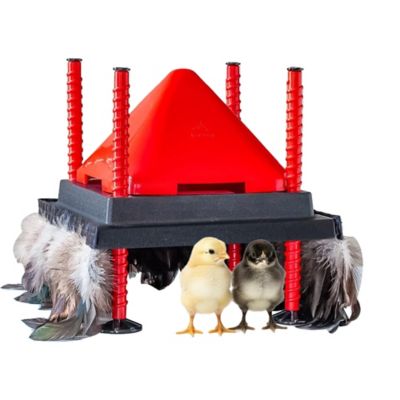
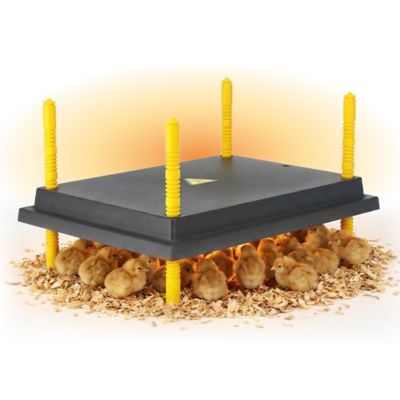
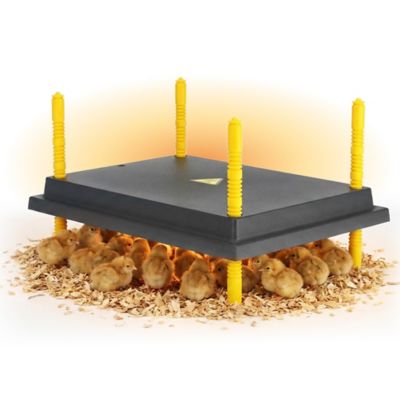
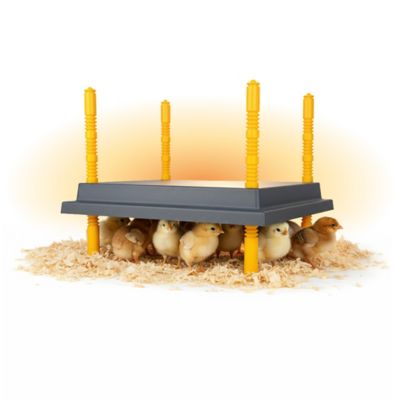
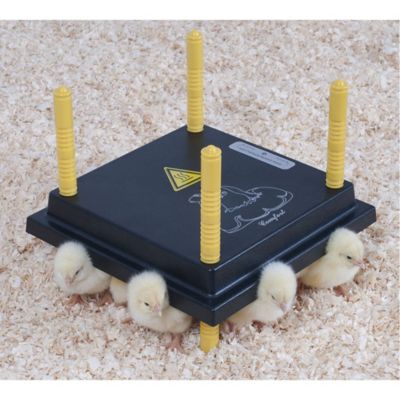
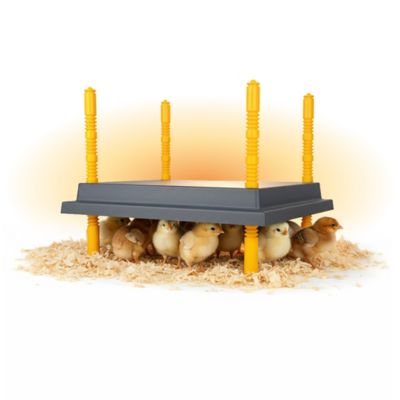
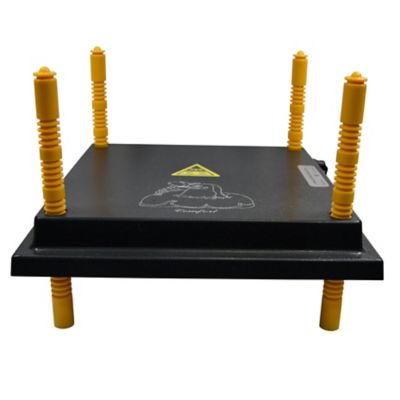
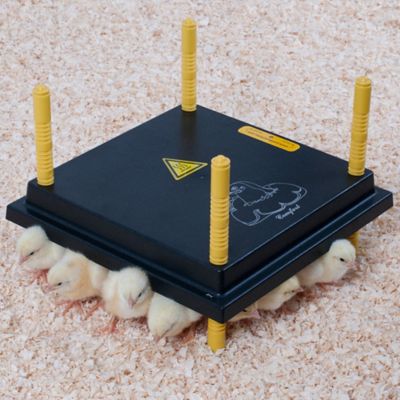
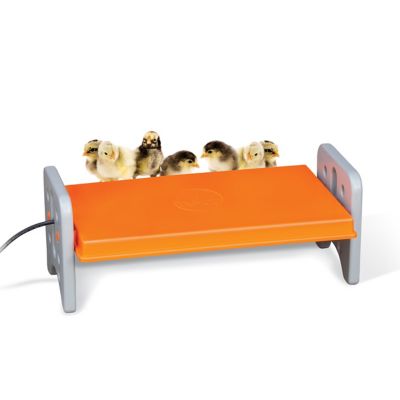
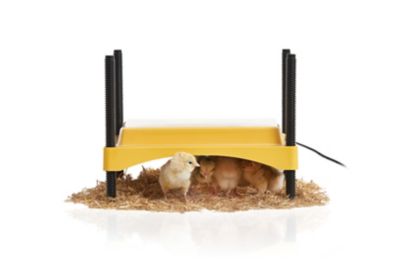
Radiant heat plates for chicks provide a sheltered warming area inside a brooder, giving young birds a place to rest before heading back out to eat, drink, and explore. In poultry care, a radiant heat plate is an electric brooder heater, rather than the metal heat-transfer plate that fits around tubing in a radiant floor system. A chick brooder plate typically has a flat heated underside supported by legs, with space beneath it for chicks to gather. The arrangement resembles the shelter of a mother hen: warmth stays close to the birds instead of relying on a bright bulb suspended overhead. That makes these plates a practical option for backyard flock keepers, small farms, and families raising their first batch of chicks. Because a plate does not need to light the brooder to provide heat, it can also support a normal day-and-night lighting routine. Many brooder plates draw less electricity than conventional high-wattage heat lamps, though actual power consumption depends on the heater’s wattage and operating time. Their purpose is localized warmth, not heating an entire room, coop, or outbuilding. The brooder still needs a suitable surrounding environment, protection from drafts, and enough open floor space for birds to move away from the heat. Minimum room-temperature requirements vary by design and matter just as much as the plate’s footprint. A heater intended for a sheltered indoor brooder should not be assumed suitable for an unheated shed. For a flock keeper watching little beaks dip into feed and chicks settle down after a busy stretch of scratching, the benefit is straightforward: a defined resting spot with warmth close at hand. The best fit comes from matching the plate to the birds, the brooder, and the setting rather than choosing by appearance alone. Plate dimensions, height adjustment, electrical requirements, and care instructions all help show whether a heater belongs in a particular setup.
Size matters in two ways: the plate needs enough sheltered space for the flock, and the brooder needs enough room around the plate for everyday activity. A stated chick capacity is a starting point, not a promise that every breed or age will fit the same way. Small newly hatched chicks take up less room than growing birds, and larger breeds can outgrow a shared warming area sooner. All the chicks should be able to rest beneath the heater without crowding or piling on top of one another. The overall footprint also includes the legs, which can extend beyond the heated panel and affect placement beside feeders and waterers. Adjustable legs allow the warming surface to sit at an appropriate height as chicks grow; some designs also permit a slight slope that gives birds a choice of clearance. Height settings and contact requirements differ, so the manufacturer’s directions determine how close the underside should sit to the chicks’ backs. A low profile alone does not establish the right fit. Shoppers comparing
Chick Heating Plates can also consider how easily the legs adjust, how firmly the unit stands, and whether its shape works within the brooder’s corners and open areas. Construction may include a plastic housing, metal heating components, and smooth or coated surfaces, depending on the design. Smooth, accessible surfaces make routine cleanup easier, while secure leg connections help the heater stay steady around active birds. Cord length and routing deserve attention, too, especially where chicks might peck at wiring or a waterer could spill nearby. An electrical rating suited to the intended setting matters more than a general claim about toughness. Details such as operating limits, cleaning restrictions, and whether a protective top is compatible help distinguish between heaters that look similar at a glance. Those practical differences can become much more noticeable after the chicks arrive and the brooder becomes a busy little space.
Daily care is part of choosing a radiant brooder plate, since chick bedding, feed dust, and droppings have a way of reaching nearly every surface. A housing with fewer hard-to-reach crevices can be easier to wipe down between groups, and removable legs may simplify storage when the brooder is empty. Cleaning methods must match the heater’s construction: an electrical plate should not be submerged or sprayed unless its instructions expressly allow that treatment. Unplugging the unit and letting it cool before cleaning protects both the equipment and the person handling it. Moisture around plugs, damaged cords, loose connections, and cracked housings all call for attention before another round of brooding. A radiant plate removes the need for a suspended heat bulb in that setup, but it remains an electrical heating appliance and is not fireproof. Stable placement, the specified clearances, and separation from spilled water remain important. Some designs offer sloped tops or compatible covers that discourage chicks from roosting above the heated area, which can help limit droppings on the housing. These features do not replace regular checks of the brooder and the birds themselves. Chicks resting comfortably, moving freely, and taking regular trips to feed and water offer a better picture of the setup than a capacity label by itself. Tight huddling, persistent distress calls, or birds consistently avoiding the plate can signal a need to check its operation, height, and surroundings, along with the chicks’ health. As birds grow and feather out, their need for supplemental warmth changes; age alone does not set the same schedule for every flock. Plates intended for chickens should not automatically be treated as suitable for every other poultry species or as drinking-water heaters. A well-matched radiant heat plate belongs to a complete brooder arrangement, with clean bedding, fresh water, suitable feed, ventilation, and room for young birds to find their own comfortable spot.