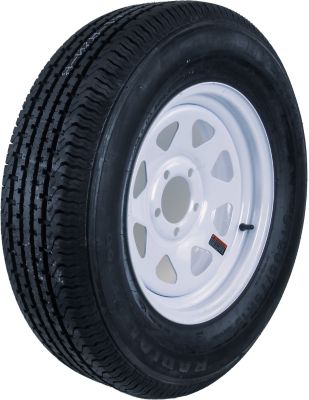
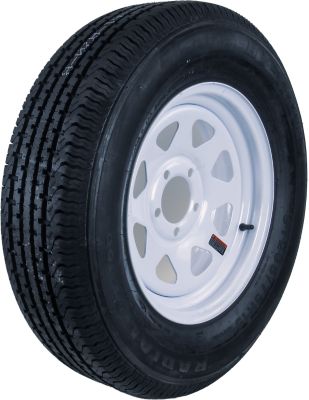
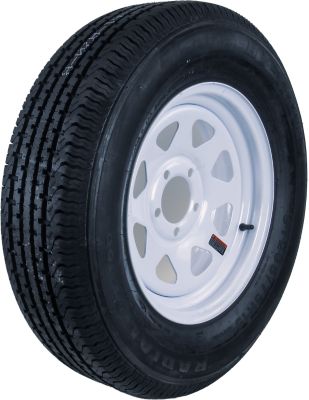
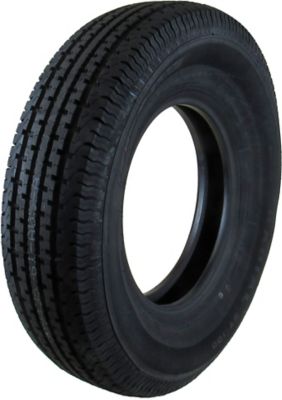
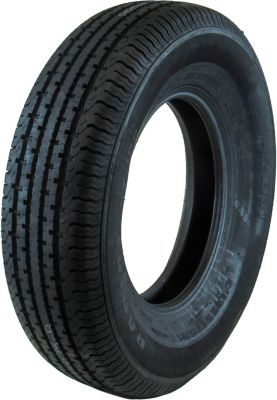
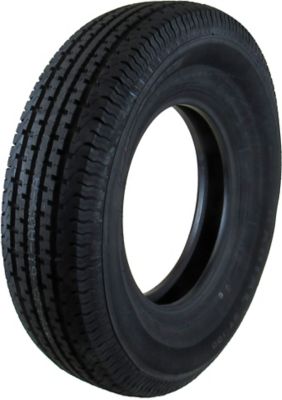
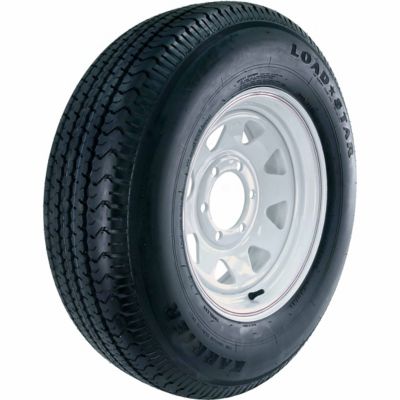
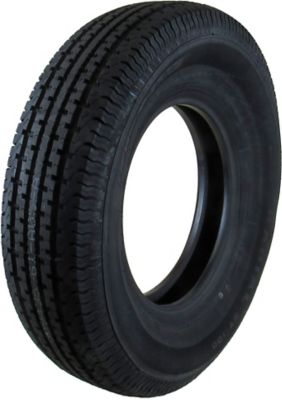
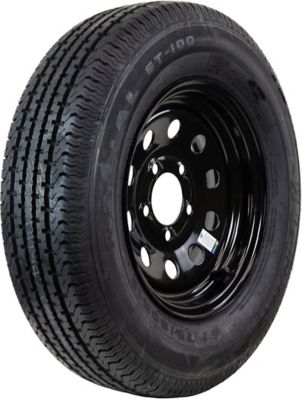
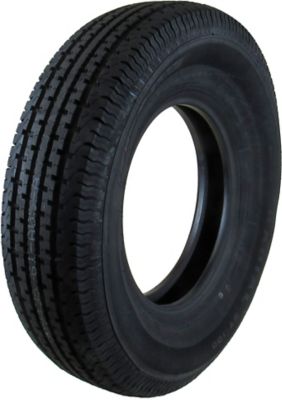
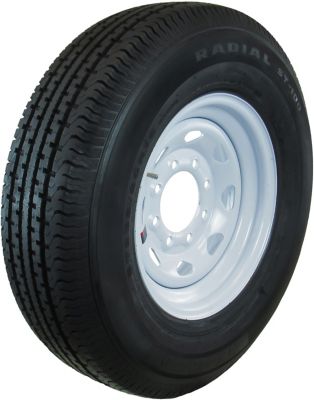
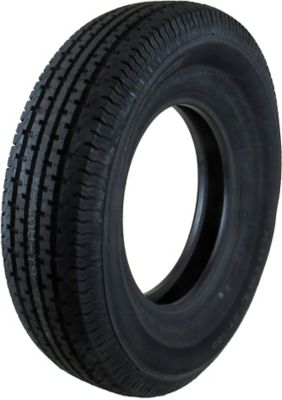
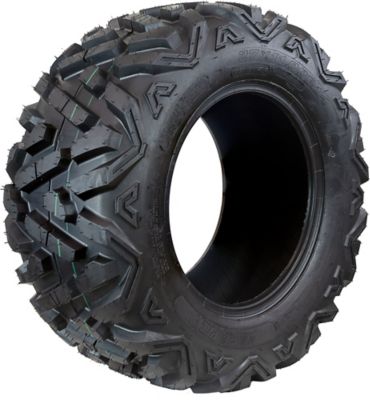
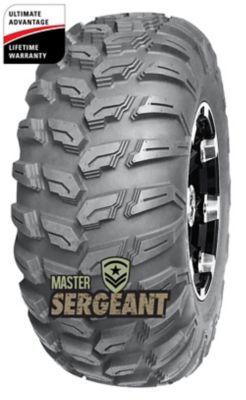
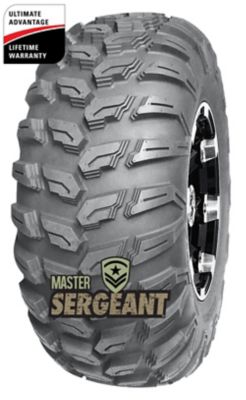
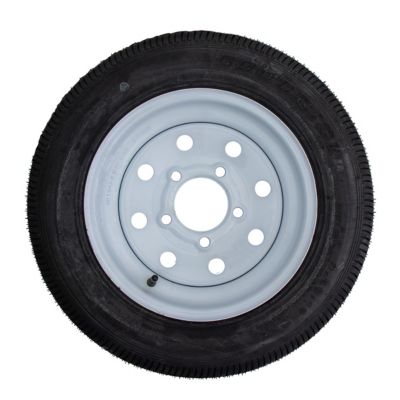
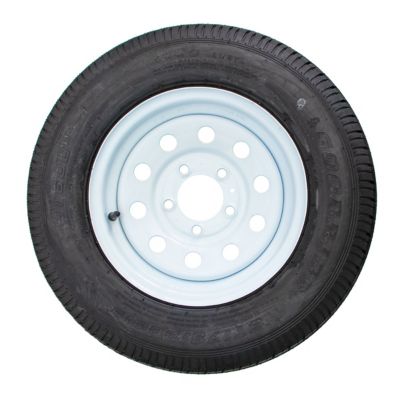
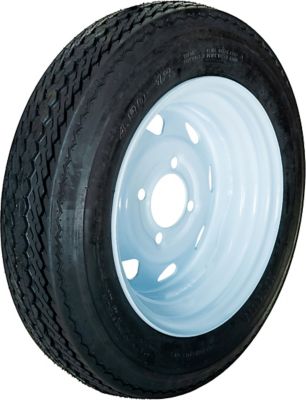
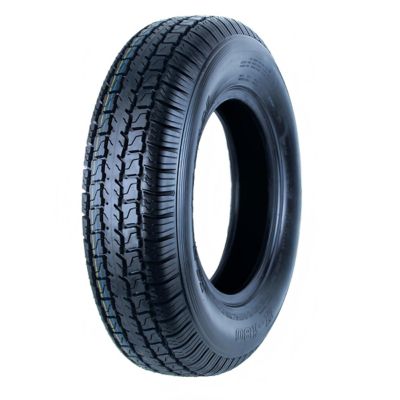
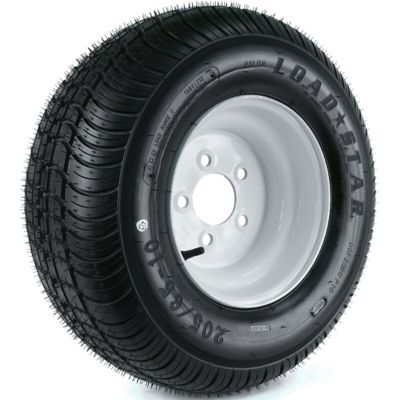
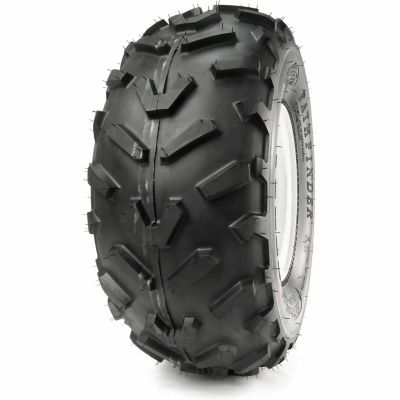
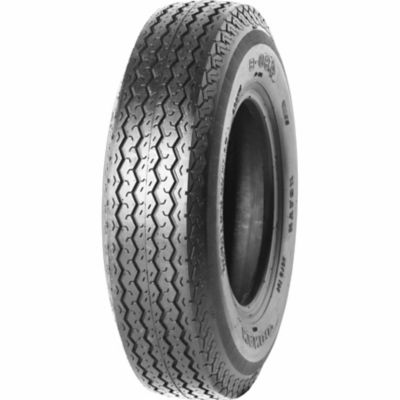
Radial tires are a dependable choice for many vehicles, trailers, farm machines and utility applications because of the way they are built. In a radial tire, the internal body ply cords run at roughly 90 degrees to the direction of travel, stretching straight across from bead to bead. Stabilizing belts, often made with steel or other strong materials, sit beneath the tread to help the tire keep its shape on pavement, gravel and packed ground. This construction lets the sidewalls flex somewhat independently from the tread face. The result is a tire that can maintain a steady contact patch while absorbing some of the bumps and vibration that come with long drives, rough lanes and everyday work around the property. Radial tires are often chosen for their balanced handling, lower rolling resistance and even tread wear. Compared with older bias-ply designs, they may provide a smoother ride, better stability at highway speeds and longer usable tread life when properly inflated and used within their rated limits. Many drivers appreciate the way radial tires feel under a loaded pickup or trailer, especially when moving between a gravel driveway, a paved road and a worksite in the same trip. They are also a common fit for equipment that sees regular travel rather than staying in one place. For a basic identification check, look at the tire size molded into the sidewall. The letter “R” in a size such as P205/70R14 indicates radial construction. That marking is only one part of the information you need, but it is a helpful place to start when replacing worn tires or matching a set already on a vehicle.
Choosing radial tires starts with finding the correct size and rating for the vehicle or equipment. Check the owner’s manual, the placard on the vehicle, or the information printed on the existing tire before placing an order. Tire size includes several details, including width, aspect ratio, wheel diameter and construction type, and every part needs to match the application. Load range and load index matter just as much, particularly for work trucks, trailers, tractors and equipment carrying feed, fencing supplies, tools or a full load of firewood. A tire that looks like it will fit may not have the strength needed for the job, so compare its maximum load and recommended inflation pressure with the vehicle’s requirements. Speed rating can also be important for vehicles that spend time on highways, while tread design should reflect the ground you travel most often. Highway-oriented tread can deliver a quiet, comfortable ride for regular road use, while more open tread patterns may offer added grip on dirt, loose gravel or grass. Keep in mind that aggressive tread is not automatically better for every application; the right choice balances traction, road manners, noise and wear. Consider the season and conditions in which the tires will be used, too. During the cooler months, cold temperatures can lower air pressure, and wet leaves, mud or early frost can make roads and driveways slick. A quick pressure check before hauling or traveling helps the tire carry its load as designed. It is best to check pressure when the tires are cool and to use the vehicle manufacturer’s recommended setting rather than the maximum number molded into the sidewall. If you are also comparing other air-filled tire options for equipment or utility needs, you can browse
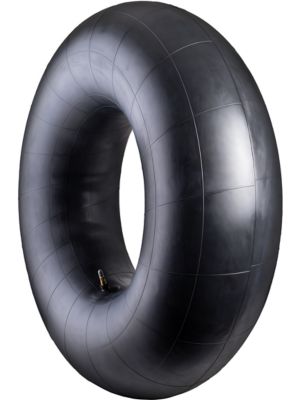
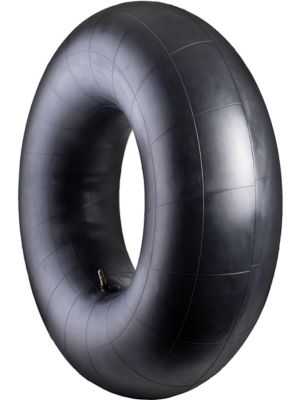
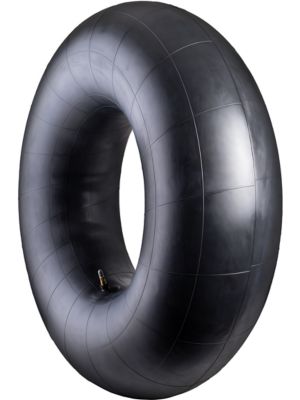
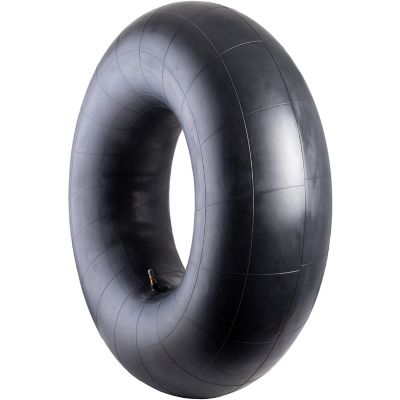
Pneumatic Tires to learn more about available choices.
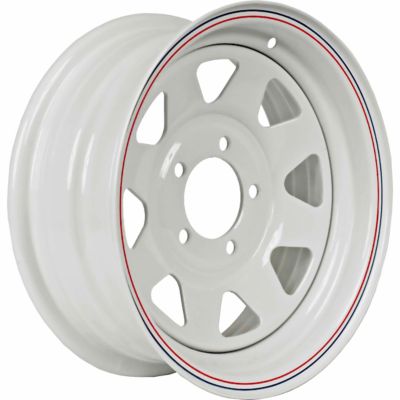
Radial tires fit the routines of people who put their vehicles and equipment to work, from rural homeowners hauling supplies to farmers moving trailers between fields, barns and storage areas. They can be a practical replacement when the tread is worn, sidewalls are damaged, the ride has become uneven, or an older set no longer offers dependable traction. They also make a thoughtful and useful purchase for someone who spends weekends maintaining acreage, caring for animals, pulling a utility trailer or traveling long distances on country roads. Before installation, inspect the wheel for damage and make sure the tire is mounted on the correct rim size. When replacing only two tires on a vehicle, follow the vehicle manufacturer’s guidance about placement and matching; many applications call for the tires with the deepest tread to be installed on the rear axle for improved stability, but the correct approach can vary. Whenever possible, matching tires by size, construction, tread type and wear level helps the vehicle track more evenly. After installation, have the assembly balanced and the alignment checked if the old tires wore unevenly or the steering felt off. Regular care goes a long way: measure air pressure routinely, rotate tires according to the vehicle’s service schedule, inspect for cuts, bulges, exposed cords and uneven wear, and keep an eye on the tread as work and travel change with the seasons. Avoid overloading, sudden impacts and prolonged contact with oil, chemicals or direct heat. A well-chosen radial tire, properly inflated and maintained, can help a truck, trailer or piece of equipment feel more planted on the road and more ready for the daily jobs waiting beyond the driveway.