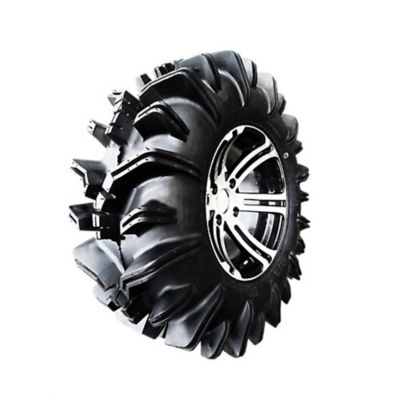
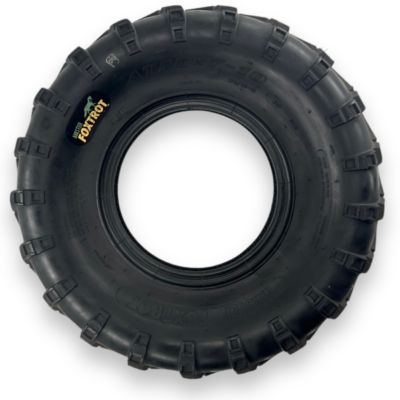
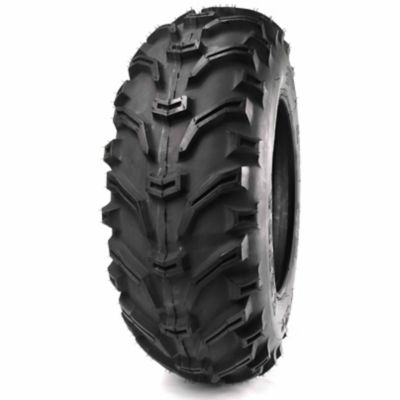
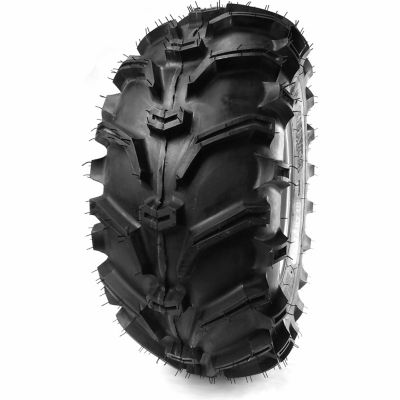
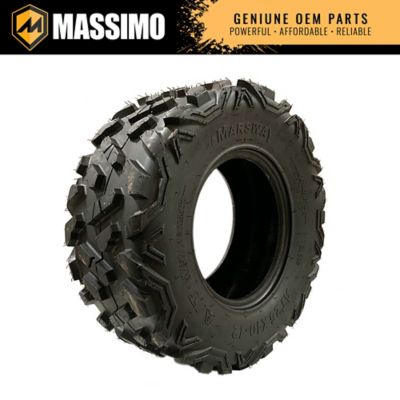
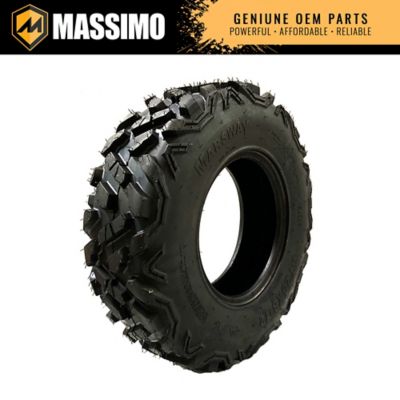
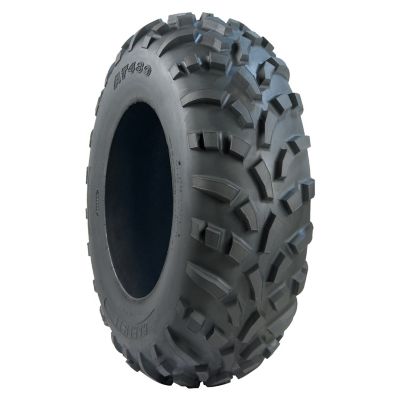
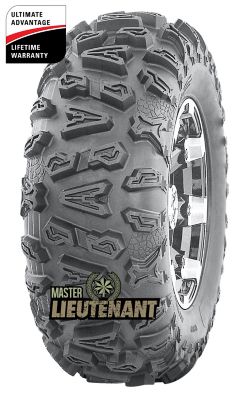
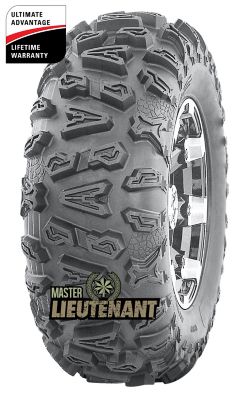
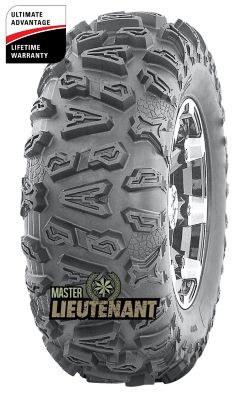
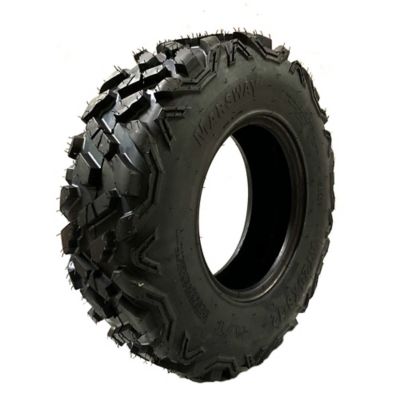
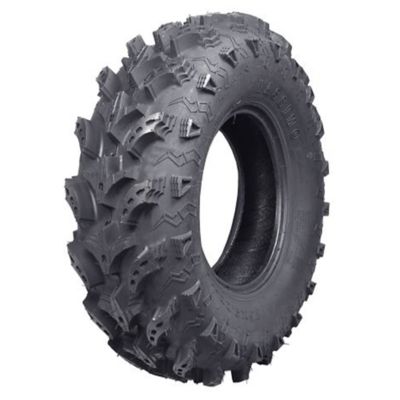
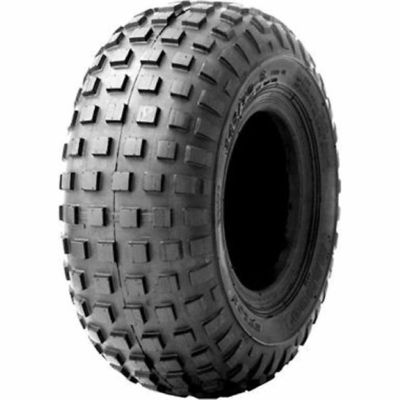
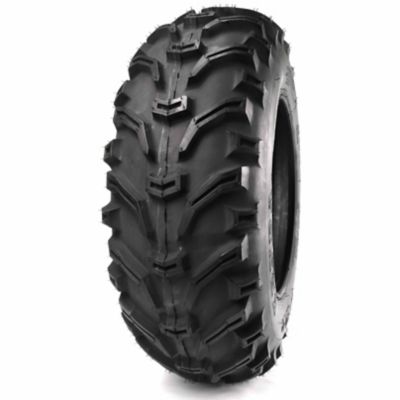
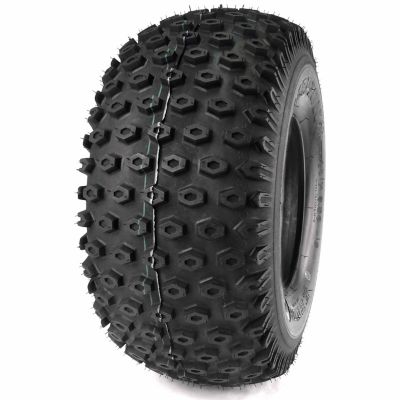
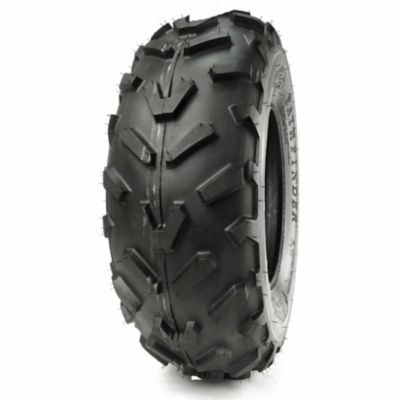
ATV and UTV tires for mud get their grip from raised tread blocks, called lugs, that bite into soft ground. The space between those lugs matters just as much as their height. When sticky clay packs a tight tread pattern, the tire can come around for another turn with a nearly smooth face. Wider gaps give that clay somewhere to go as the tire rolls, leaving the lugs free to grab again. Tall, widely spaced lugs make sense for machines that spend much of their time in deep, soft mud, and tread that wraps onto the shoulders can help find grip along the sides of a rut. A four-wheeler that crosses a few muddy spots on a mostly firm trail usually gets along better with shorter lugs and more tread touching the ground. That closer pattern can feel steadier on packed dirt and gravel, where tall lugs may squirm under the machine. For an ATV that sees more hard ground than deep mud,
Knobby ATV Tires offer another tread pattern worth comparing. The ground underneath the mud makes a difference, too. A narrower tire can sometimes cut through a slick top layer to reach a firm base, while a wider footprint can help spread the load where the ground stays soft farther down. Think about the stretch a machine travels most often, not just the worst hole on the place. A side-by-side that carries feed along a gravel lane and crosses a muddy gate opening has different needs from a four-wheeler that spends most of its time picking through deep ruts in the woods. For mixed riding, a tread open enough to shed mud without giving up steady footing on the firm stretches is often a better match than the deepest lugs.
Fit starts with the tire sizes and rim specifications in the owner’s manual. Check front and rear separately, since some ATVs and side-by-sides call for different widths at each end. The sidewall size gives a nominal tire height, tire width, and rim diameter, but tires with the same numbers can differ a little in mounted size. A taller or wider tire may look like it clears while the machine is parked and still rub a fender or suspension part on a tight turn or when the suspension compresses over a rut. Bigger, heavier tires can also make steering feel heavier and ask more of the drivetrain. On a four-wheel-drive machine, stick with the specified front and rear size pairing so the tires cover the distance the drivetrain expects with each turn. Pay attention to load ratings, particularly on a UTV that carries passengers, fencing tools, or a bed full of supplies. Tire capacity needs to suit the load without treating a higher tire rating as permission to exceed the machine’s limits. Construction matters as much as the dimensions stamped on the sidewall. Rubber compounds differ in how readily they flex over roots and rock and how quickly they wear on firm surfaces. Bias-ply tires often have stiffer sidewalls, while many radial tires flex more at the sidewall and feel smoother over roots and washboard. A ply rating indicates a strength class rather than necessarily telling how many layers are in the tire, and a higher rating by itself won’t make a tread grip better in mud. On a property with sharp rock or thorny brush, sidewall construction deserves as much attention as the lugs. If the tread is directional, check the rotation arrow when the tires are mounted so the pattern meets the ground the way it was designed to.
A little attention between rides goes a long way, especially on a machine that does chores one day and heads down a trail the next. Rinse mud away from the tread, sidewalls, and rim edges after a muddy run. A coat of clay can hide a cut at the base of a lug or a piece of wire caught near the rim. Once the tires are clean, look for torn lugs, sidewall cuts or bulges, and uneven wear across the tread. Lugs that start to round off can still look plenty tall but may not bite a slick bank the way a sharper edge does. If one tire keeps losing air, a puncture, valve leak, or leak at the rim is worth sorting out before the next ride. Check pressure with a low-pressure gauge before heading out and follow the vehicle and tire makers’ guidance for the setup and load. Even a small pressure difference can change how an off-road tire steers and how much of the tread meets the ground. Too little pressure can leave the rim more exposed to strikes and let the tire lose its seal against the wheel; too much can make the ride harsher and reduce grip on uneven ground. Riding habits show up in the tread, too. Steady throttle through a soft stretch can help the tires keep their bite, while spinning them in place can dig the machine down until it’s resting on the underside. Long runs on hard surfaces can round off deep lugs faster than time spent on soft ground. For landowners checking fence lines, crews hauling gear along rutted lanes, and trail riders crossing patches of clay, the best match is a tire that suits the machine’s load and has enough tread to pull through the soft spots without making the rest of the ride harder than it needs to be.