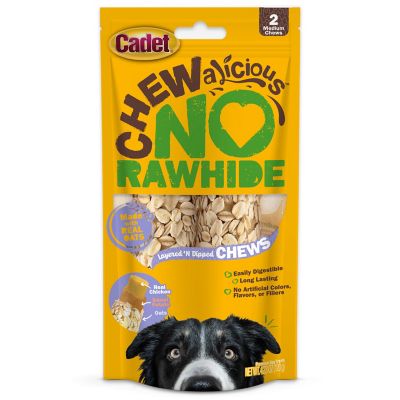
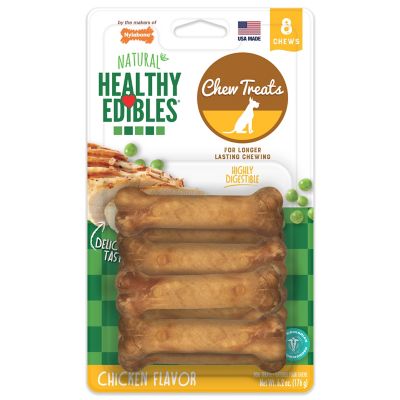
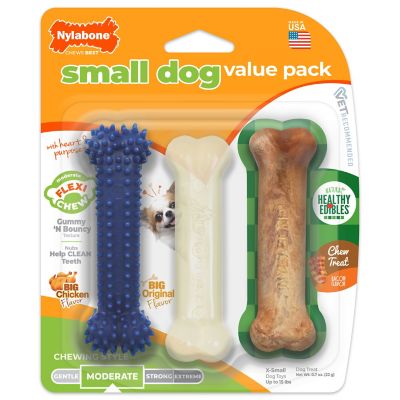
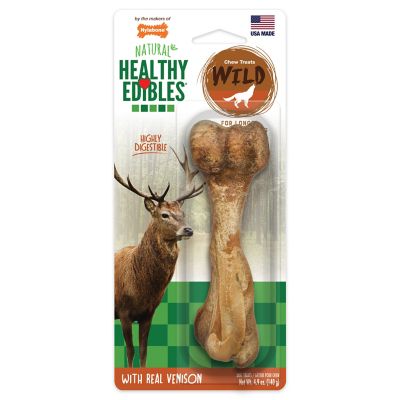
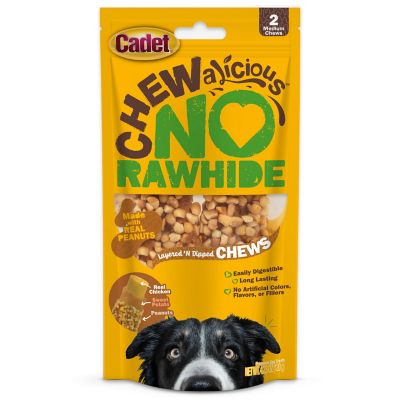
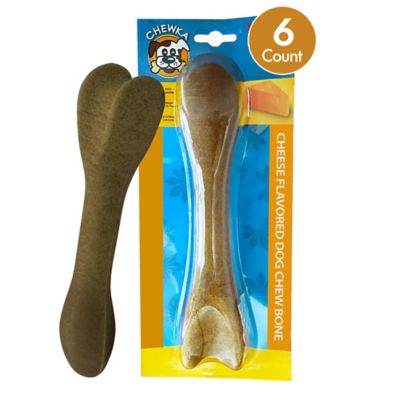
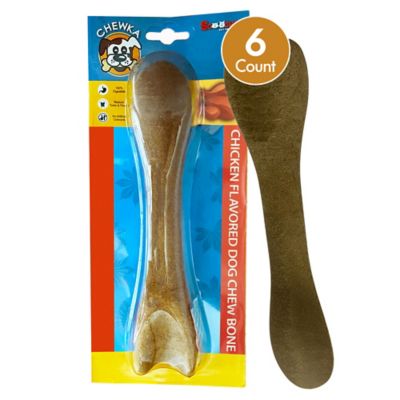
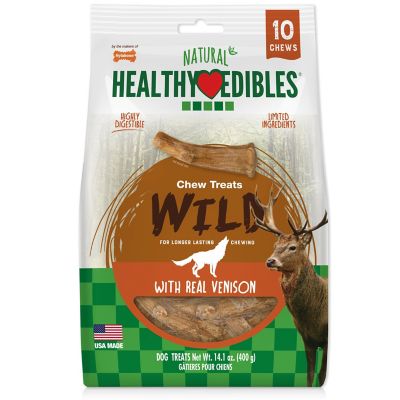
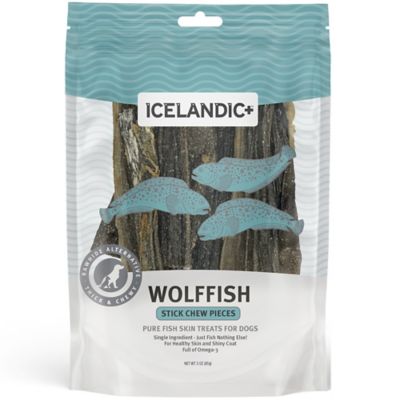
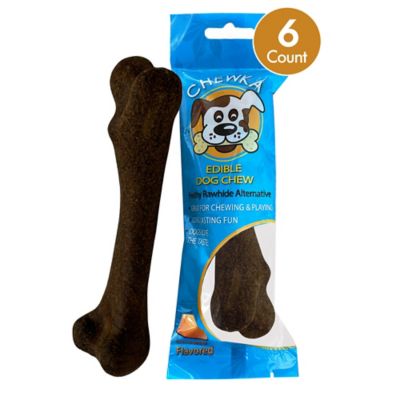
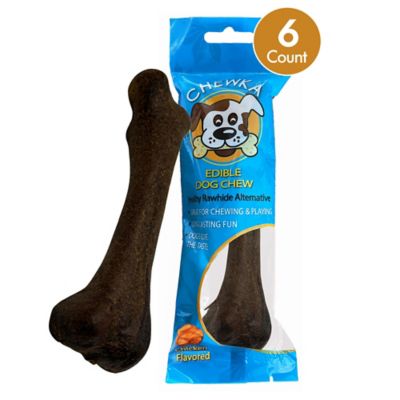
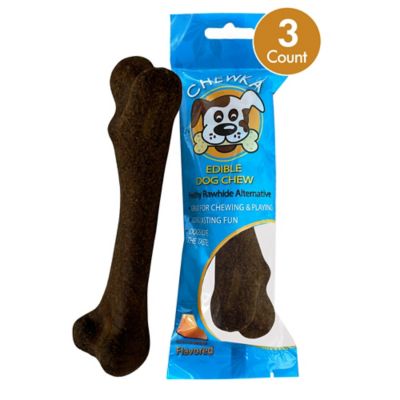
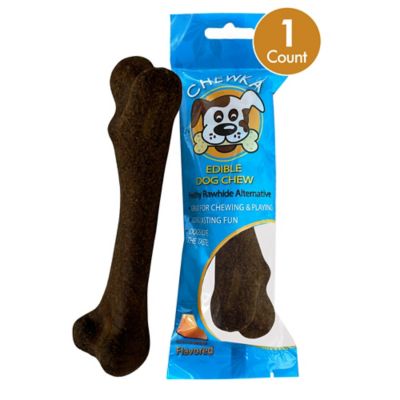
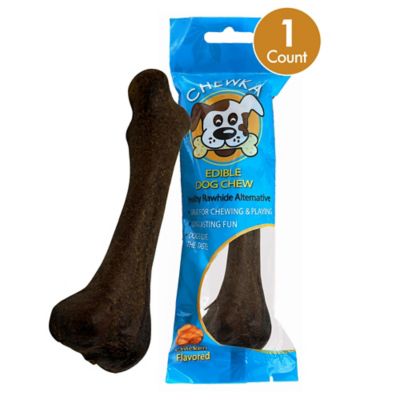
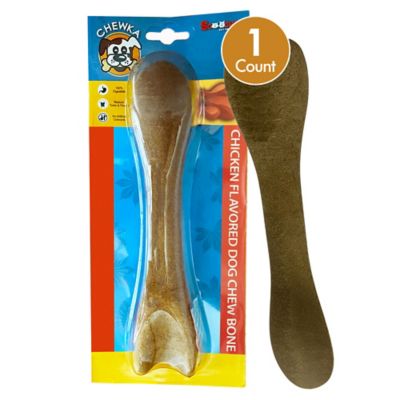
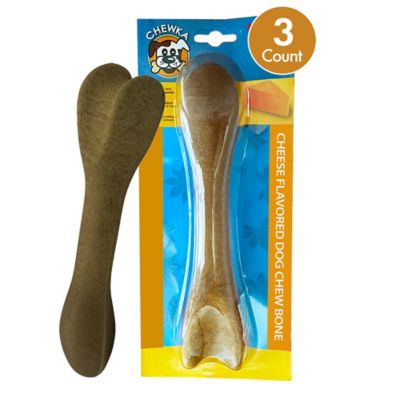
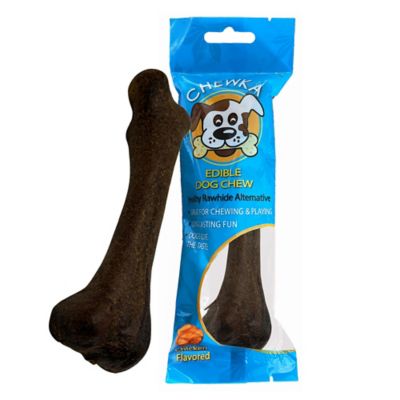
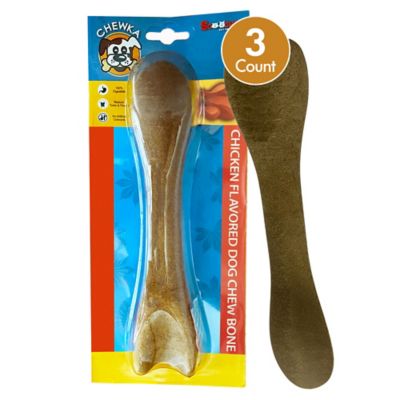
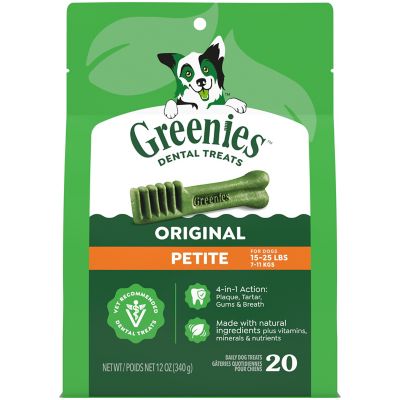
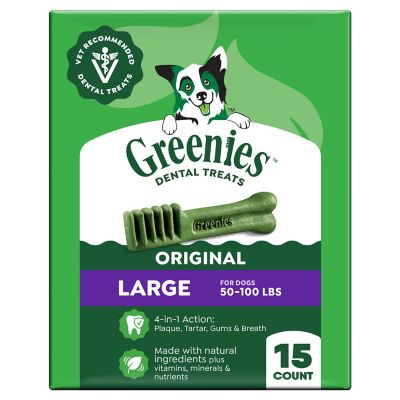
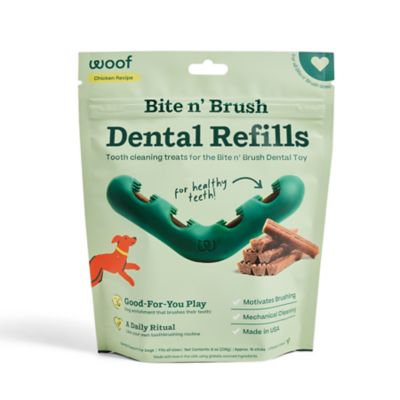
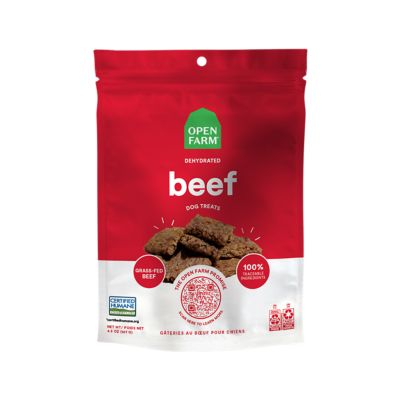
Healthy chews give dogs something satisfying to work on while adding variety to the everyday treat routine. Unlike a quick bite that disappears in seconds, a chew can keep a dog settled and occupied, whether they are relaxing on the porch after a long walk, winding down in the house during a rainy afternoon, or staying busy while the family finishes chores. Many dog owners choose chews made with straightforward ingredients and useful nutritional qualities, such as added protein or limited-ingredient recipes, as part of a balanced feeding plan. They can be a thoughtful way to reward good behavior, make crate time more comfortable, or offer a little extra enrichment during the cooler months when outdoor play may be shorter. Dogs have different chewing styles, though, so “healthy” does not mean one option fits every pup. A small, gentle chewer may need a different size and texture than a powerful chewer that works through treats with the determination of a farm dog sorting out a new patch of grass. Look for a chew that is appropriately sized for the dog, easy for you to handle, and suited to the way that dog actually chews. Packaging details can help you compare ingredients, calories, feeding directions, and any age or size recommendations. For more ideas that fit into a thoughtful treat routine, explore
Healthy Dog Treats.
When choosing healthy dog chews, start with the basics: your dog’s age, size, health needs, and chewing habits. Puppies may need softer options designed for developing teeth, while senior dogs or dogs with sensitive mouths may do better with a texture that is easier to manage. Large breeds often need bigger chews to reduce the chance of gulping, but size alone is not enough. Watch how your dog handles the chew. A dog that bites off large chunks, swallows treats whole, or carries a chew away and returns to it later may need a different style, closer supervision, or guidance from a veterinarian. Always provide fresh water, follow the feeding directions, and count treats and chews as part of the dog’s daily intake. Even a wholesome chew can add more calories than expected when offered often, especially for smaller dogs. If your dog has food allergies, a sensitive stomach, dental concerns, or a condition affected by diet, check the ingredient list carefully and ask your veterinarian before introducing something new. It also helps to avoid making a sudden change to several treats at once. Offer one new chew in a calm setting, watch for signs of stomach upset or intolerance, and keep track of what works. A simple storage bin near the mudroom or feed room can keep chews dry, fresh, and out of reach when they are not being served. Keep each chew clean and discard it when it becomes small enough to swallow whole, develops sharp edges, or has been left in a place where it could pick up dirt, moisture, or other debris.
Healthy chews can fit into all kinds of homes and routines. They are useful for the family dog that needs a quiet activity while boots are being pulled on, the young pup learning to settle after a burst of play, or the older companion that enjoys a familiar snack beside the woodstove. They can also make a practical gift for a new dog owner, a neighbor with a hard-working farm dog, or a friend welcoming home a rescue. If you are putting together a pet-care basket, pair chews with everyday essentials such as food, a water bowl, a leash, or a sturdy toy, while keeping the dog’s size and dietary needs in mind. For multi-dog households, offer chews separately and supervise the first few sessions; even easygoing dogs may become protective when a favorite treat is involved. Keep children from taking chews away from a dog, and teach them to let a dog enjoy its treat in peace. Supervision matters outdoors, too. A chew left in damp grass, on a dusty barn floor, or near livestock feed can collect material that does not belong in a dog’s mouth. Healthy chews are meant to add enjoyment and enrichment, not replace a complete diet, daily movement, training, or regular dental and veterinary care. With the right match and a little common sense, they can become one of those small, dependable parts of the day—a satisfying reward after a romp through fallen leaves, a calm distraction during busy household chores, or a welcome bit of comfort when the weather keeps everyone close to home.