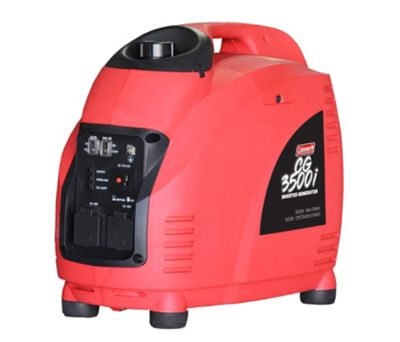
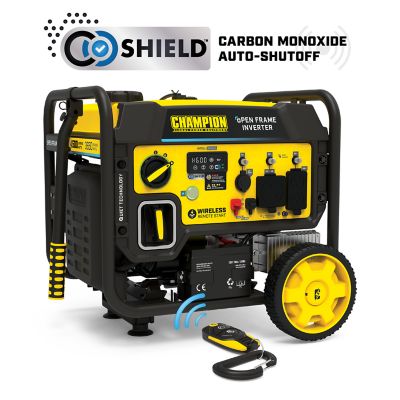
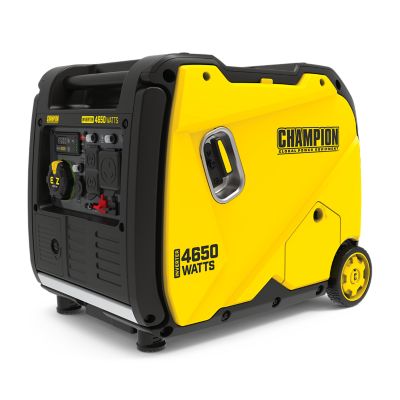
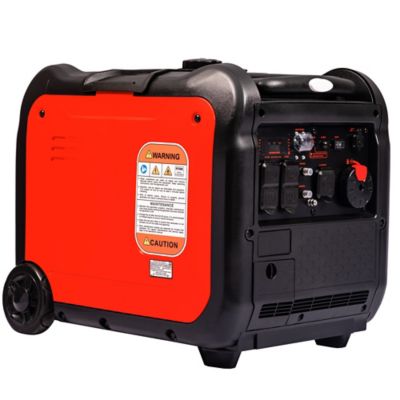
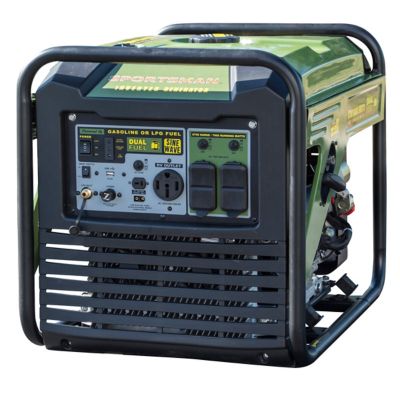
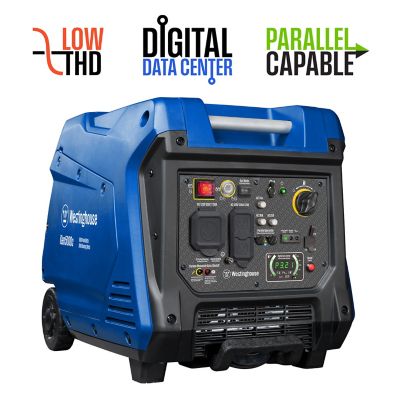
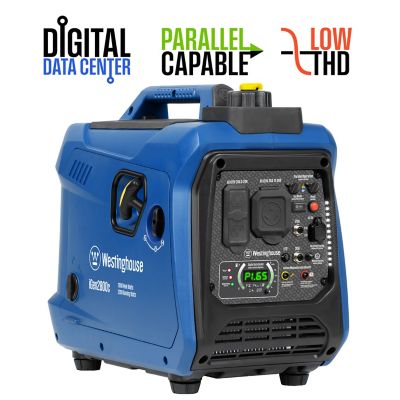
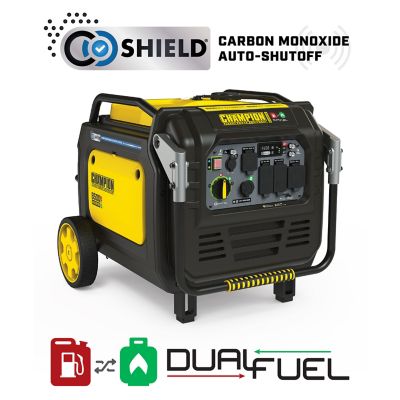
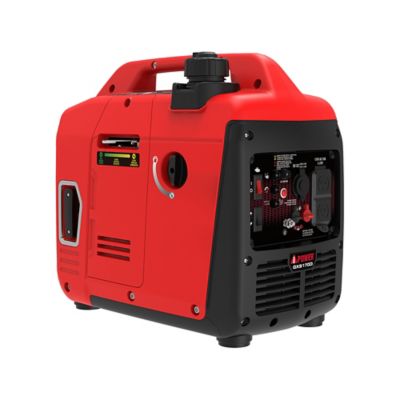
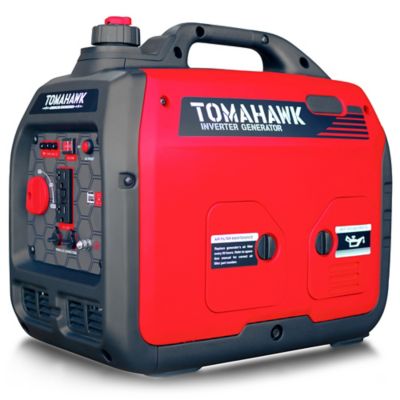
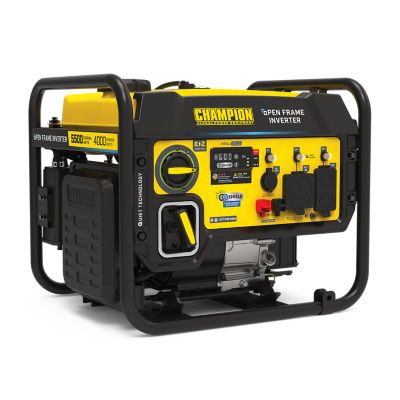
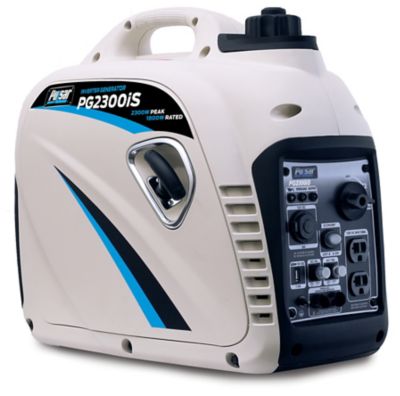
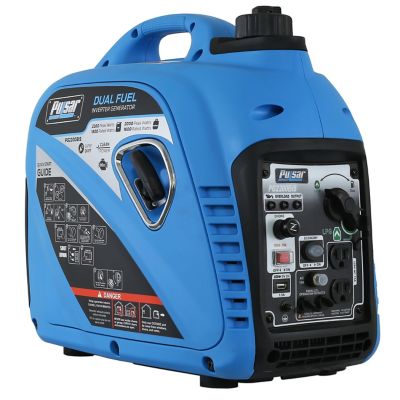
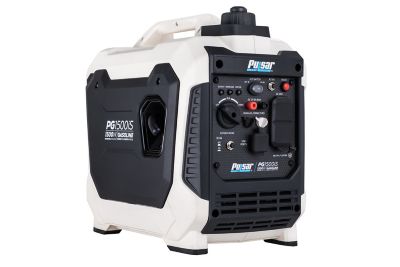
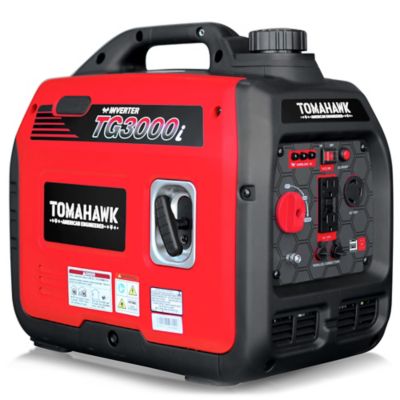
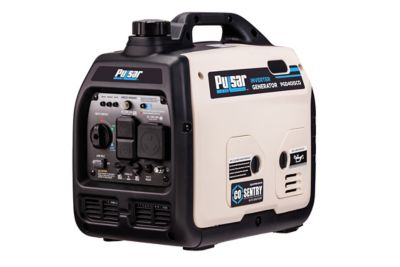
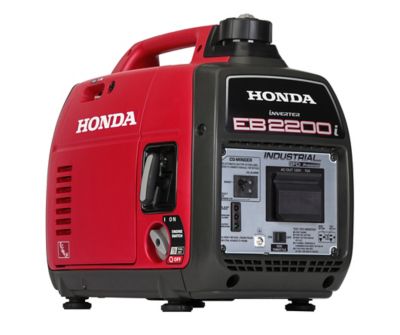
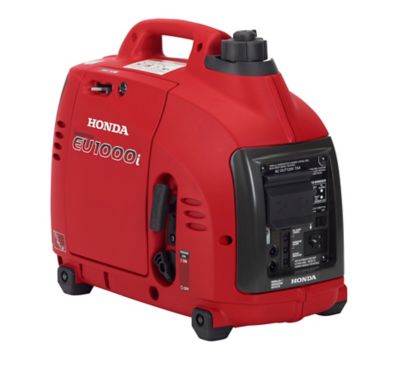
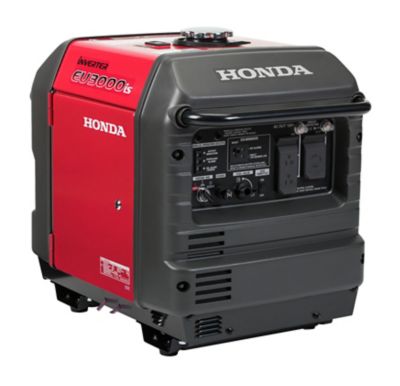
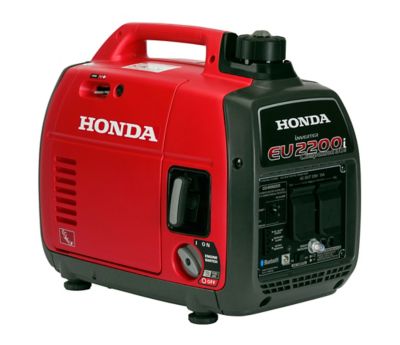
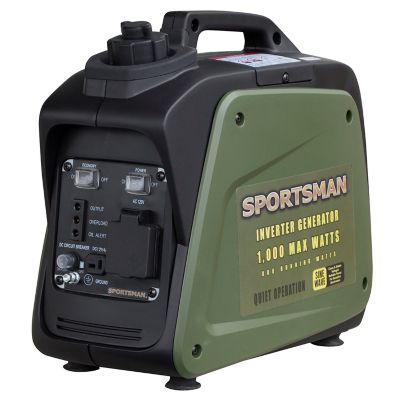
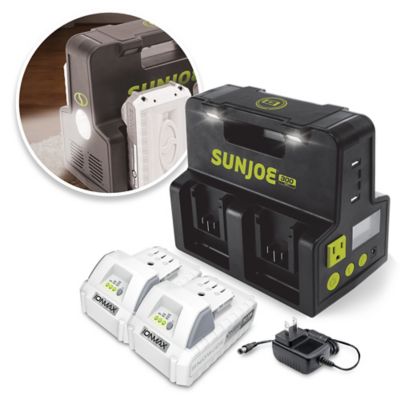
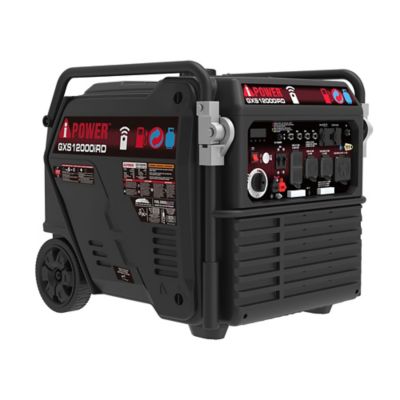
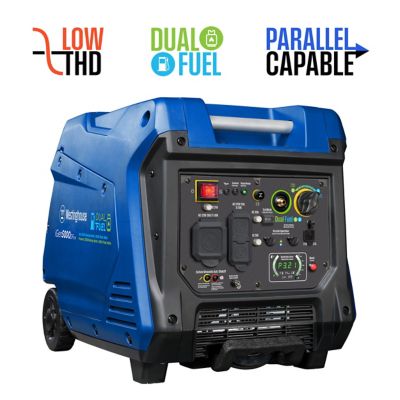
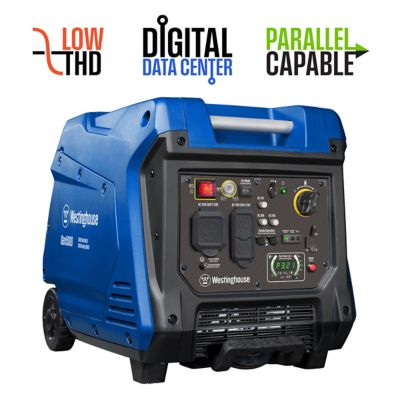
Quiet generators for camping make it easier to enjoy the outdoors without giving up the everyday comforts that help a campsite feel like home. A small portable inverter generator can keep phones charged, run lights, power a fan, support a CPAP machine and handle other low-to-moderate electrical needs while you settle in for a weekend by the lake or a few nights in the woods. Inverter models are especially well suited for campgrounds because they adjust engine speed to match the power demand. When you are only charging a phone or running a light, the engine can slow down, which helps reduce fuel use and keeps the sound level down. Many quiet camping generators operate in the range of about 50 to 60 decibels at a light load—around the volume of a normal conversation or a refrigerator humming nearby. A rating below 60 decibels at quarter load is a helpful starting point when comparing options, though sound measurements can vary based on distance, load and the surface where the generator is running. The right choice depends on how you camp and what you plan to plug in. Before shopping, make a list of the items you expect to use together and check both their running watts and starting watts. A small refrigerator, coffee maker, electric skillet or air pump may draw more power when first switched on, so leave some extra capacity rather than choosing a generator that runs at its limit. Campers who mainly need lights, chargers and small electronics may be comfortable with a compact unit, while families bringing a cooler, cooking equipment, medical equipment or more than one appliance may prefer additional wattage. If you need more power but still want a portable setup, look for models designed for parallel operation, which can allow two compatible generators to work together with the proper connection kit. Always confirm compatibility in the owner’s manual before pairing equipment.
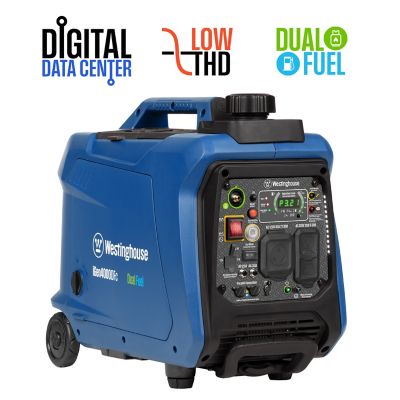
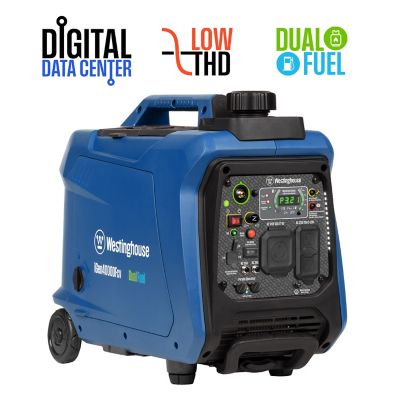
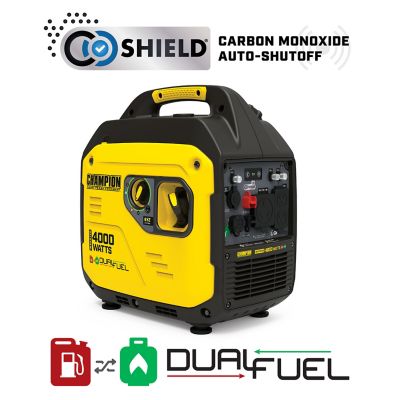
Portability matters just as much as output when a generator has to travel down a gravel lane, across a campground or from a truck bed to a tent site. Many compact inverter generators weigh roughly 35 to 50 pounds and use a suitcase-style handle, making them easier for one person to carry, though a second set of hands can make loading and unloading safer. Pay attention to the shape of the handle, the location of the fuel cap, the control panel and whether the unit has built-in feet that keep it steady on uneven ground. A generator that stays level is less likely to shift, rattle or add unnecessary noise. Fuel type is another practical consideration. Gasoline is widely available and convenient for many camping trips, while dual-fuel models can run on gasoline or propane, giving you another option when fuel access or storage is a concern. Propane can be useful for keeping a backup supply at camp, but every fuel has its own storage and operating requirements. Look for an efficient eco or economy mode if you expect long run times, and check the manufacturer’s estimated runtime at a stated load instead of relying on a single maximum number. Features such as low-oil shutdown, overload protection, fuel gauges, electric start and a clear data display can make operation easier, especially when you are setting up camp in fading daylight or during the cooler months. Inverter generators are generally a good fit for sensitive electronics because they produce stable, clean power, but it is still wise to follow the equipment instructions and use a quality extension cord rated for the load. Keep cords in good shape and avoid daisy-chaining multiple extension cords. For campers who also want backup power around the house, a larger selection may be available among
Quiet Generators For Home Use, where power needs and installation considerations can be different from those at a campsite.
Safe placement is essential with any fuel-burning generator, no matter how quiet it is. Operate the unit outdoors in a well-ventilated area, never inside a tent, camper, garage, shed or other enclosed space. Carbon monoxide is odorless and can build up quickly, so keep the generator well away from sleeping areas, doors, windows and vents, and point the exhaust away from people and occupied spaces. Follow the distance listed in the owner’s manual, use a battery-powered carbon monoxide alarm in sleeping areas when appropriate, and check campground rules before bringing a generator along. Protect the generator from rain and wet ground with an approved cover or weather shelter that allows plenty of airflow, and never refuel a hot engine. A level pad, such as a properly placed rubber mat or firm board, can help reduce vibration, but do not block ventilation or modify the exhaust. Noise also depends on where the generator sits. Setting it on a stable surface away from the tent, using natural barriers such as a safe open area behind the campsite, and running only the equipment you need can make a noticeable difference for your group and nearby campers. Quiet generators can be a thoughtful gift for someone who enjoys dispersed camping, tailgating, hunting trips, fishing weekends or seasonal travel, especially when the recipient values simple gear that earns its place in the truck. They are also useful for older campers, families with young children and anyone who needs dependable power for a medical device or communication equipment, provided the generator’s capacity and operating instructions match that use. As the weather warms, a quiet unit can run fans, charge cameras and keep outdoor gatherings comfortable; during cooler stretches, it can support lights and small appliances while everyone gathers around camp. Choosing the right balance of sound level, wattage, runtime, fuel type, weight and safety features helps make powered camping more comfortable without drowning out the crackle of the fire, the evening birds or the quiet that brought you outdoors in the first place.