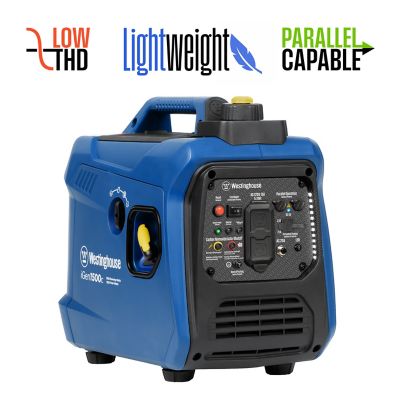
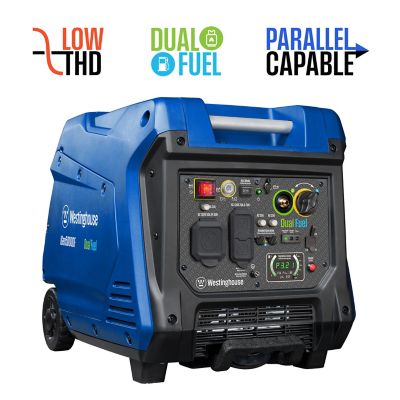
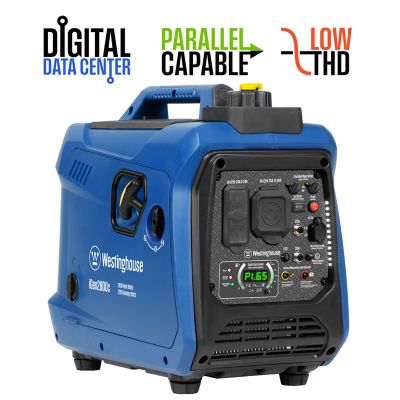
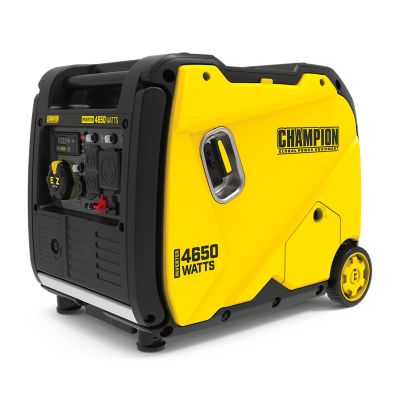
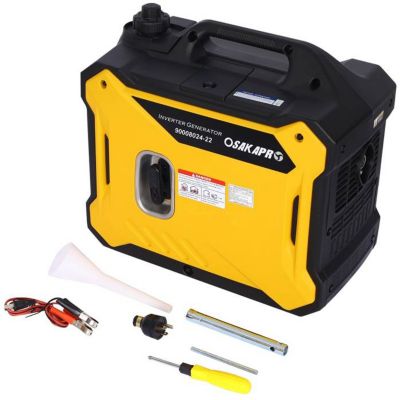
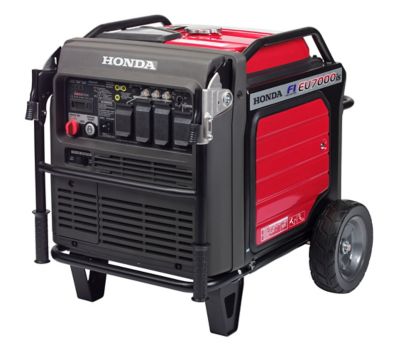
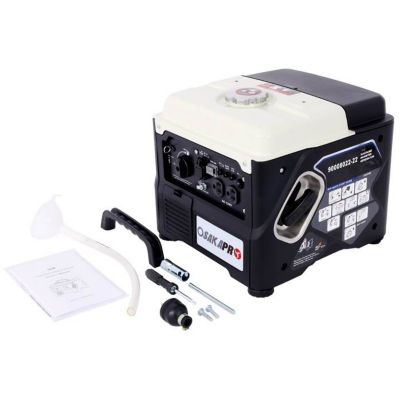
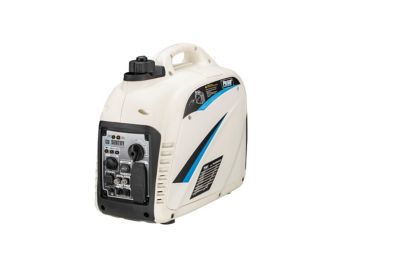
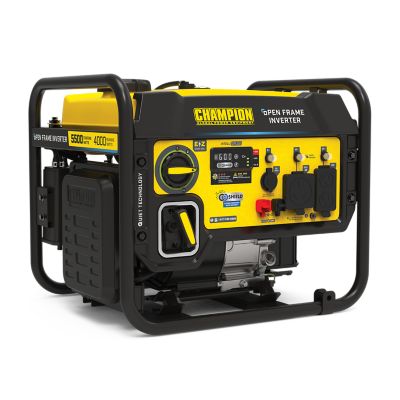
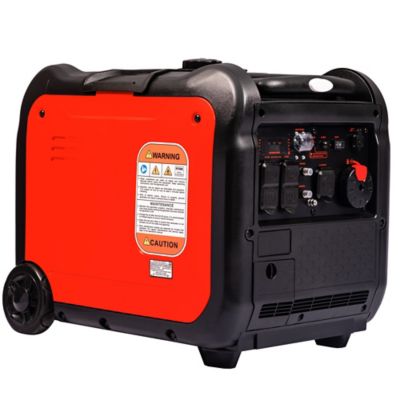
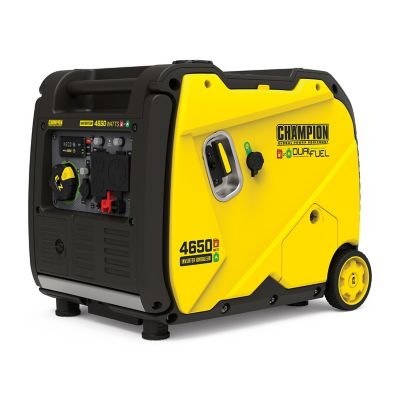
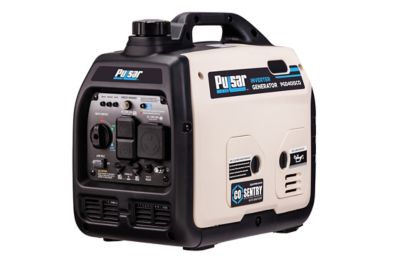
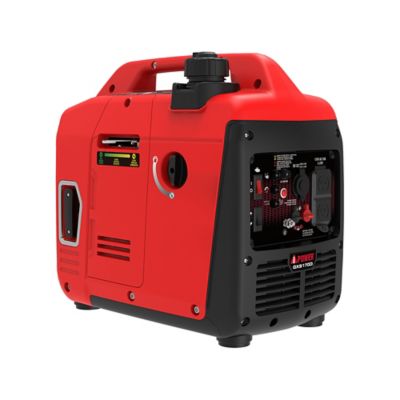
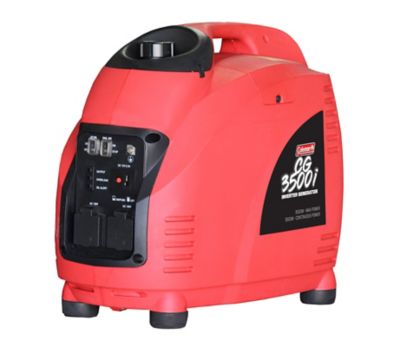
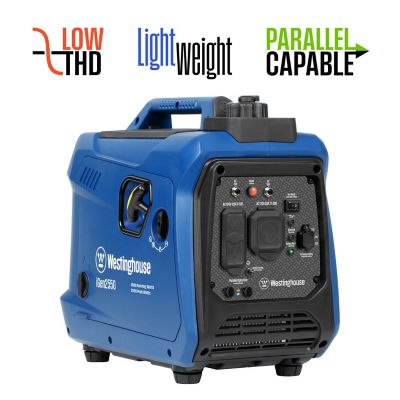
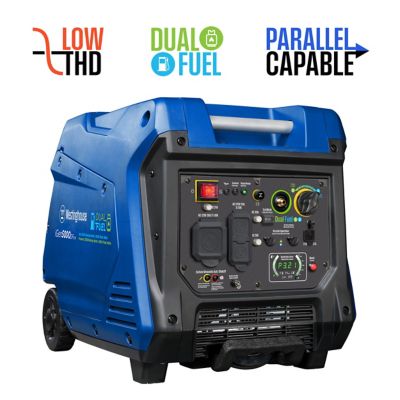
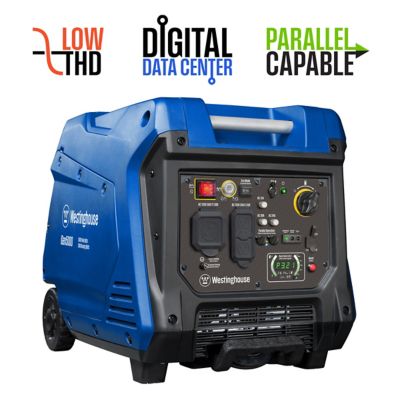
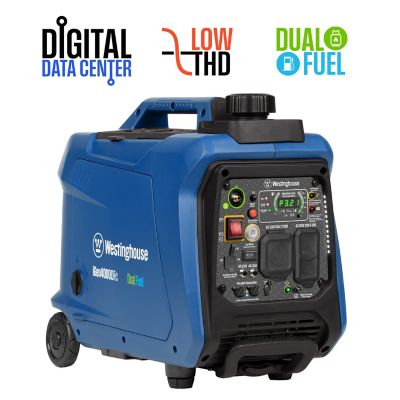
The quietest generators are generally enclosed inverter models that combine engine-speed control, sound-reducing housings, and mufflers to keep operating noise down. Some small inverter generators have published sound ratings around 50 to 60 dB(A) at lighter loads, though the number depends on the model and testing conditions. There is no single quietest generator for every job: electrical load, distance from the machine, and the way sound is measured all affect the comparison. A rating measured at one-quarter load does not tell the same story as a rating measured near full output, and a reading taken farther away will generally be lower. Comparing sound specifications at the same distance and load gives a clearer picture than looking at the decibel number alone. For folks who want to hear conversation around a campsite or avoid a constant roar while keeping a refrigerator running during an outage, those details matter. Inverter technology can help because many models adjust engine speed to match electrical demand instead of running at a fixed speed all the time. That can mean less noise while charging phones or powering a few lights, with engine speed increasing when a larger appliance starts. An enclosed design also helps contain engine noise, while vibration-isolating mounts limit the rattling that can travel through a frame or supporting surface. Even a quieter generator will be noticeable nearby, especially when a pump or refrigerator compressor kicks on. Sound can also reflect off walls and other hard surfaces, making placement part of the overall experience. A low published noise rating is a useful starting point, but the best fit balances that rating with enough power for the task. A small unit working near its limit may run harder and sound louder than a larger inverter generator carrying the same load comfortably.
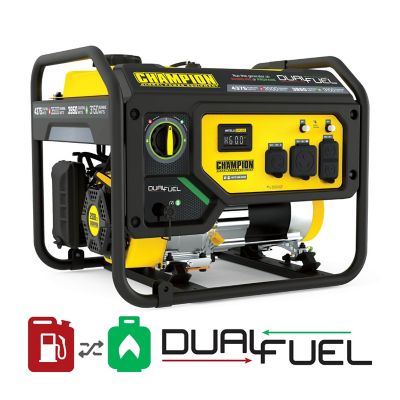
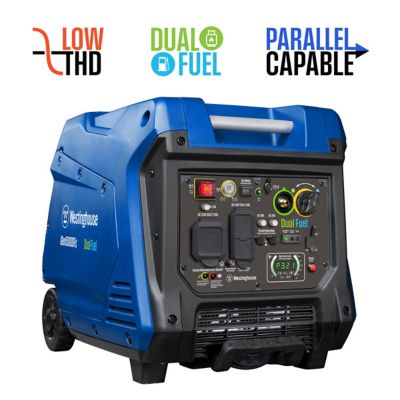
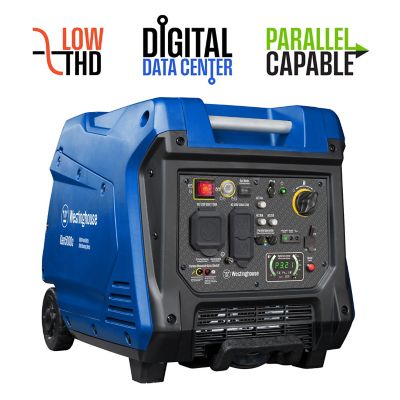
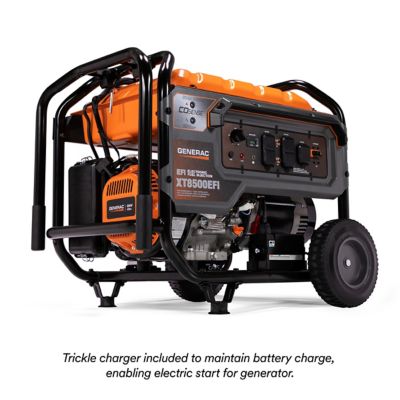
Power requirements help narrow the choice without giving up the benefit of quieter operation. Running watts describe the power a generator can supply continuously, while starting watts account for the brief extra demand that certain motors need when they switch on. A refrigerator, freezer, or water pump can require considerably more power to start than to keep running, so the appliance nameplate and manufacturer specifications deserve a close look. Adding together the loads likely to run at the same time helps avoid choosing more generator than the job calls for or leaving too little capacity for startup demand. Around a campsite, a compact inverter generator may suit lighting, device charging, and a few smaller appliances. Supporting several household essentials can call for more output, different outlets, or a connection arranged by an electrician. For travel trailers, the outlet configuration matters just as much as the wattage; the plug and electrical service need to match the intended connection. Anyone powering electronics should also check the generator’s output specifications and the equipment manufacturer’s requirements rather than assuming every inverter model performs the same way. Practical details make a difference when the machine has to move from the truck bed to its operating spot. Built-in handles, wheels, overall dimensions, and weight with fuel aboard affect how manageable that move will be. Steel frames can protect exposed components, while molded housings help enclose operating noise and keep the package compact. Access panels that put oil checks, filters, and service points within easy reach make routine upkeep less of a chore. Fuel capacity and runtime belong in the comparison, too, but runtime figures only make sense alongside their stated load. Gasoline, propane, and multi-fuel designs offer different fueling arrangements, and output can vary by fuel. Parallel capability, where supported, can connect compatible generators for additional power, although running two machines also adds another source of sound.
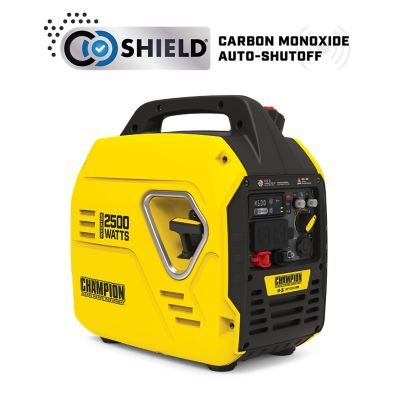
Quieter operation is welcome around the house, at a campsite, or on a job beyond the nearest outlet, but it never changes the safety rules for engine-powered equipment. Fuel-powered portable generators belong outdoors, at least 20 feet from homes, campers, and other occupied structures, with exhaust directed away from doors, windows, and vents. They should never run inside a garage, barn, shed, or other enclosed or partly enclosed space, even with doors open. Carbon monoxide cannot be judged by engine volume, and working carbon monoxide alarms are essential in occupied spaces. Trying to hush a generator with a box, blanket, or makeshift enclosure can interfere with cooling and allow exhaust to collect, so manufacturer clearances and ventilation requirements always come first. A firm, level operating surface helps limit movement and vibration without blocking airflow. Electrical connections deserve the same attention: extension cords must have the proper rating for the connected load and intended use, and a generator must never feed a home through a wall outlet. Household circuit connections call for a transfer switch or other code-compliant transfer equipment installed by a qualified electrician. For options centered on household needs, browse
Quiet Generators For Home Use and consider which essentials need power at the same time. Once a generator is part of the setup, straightforward care supports its performance over the long haul. Follow the service schedule for oil changes, air-filter maintenance, spark-plug checks, and other engine needs, and inspect accessible fasteners and panels for looseness that could cause rattling. Shut the engine off and let it cool before refueling, and follow the manufacturer’s directions for fuel storage and periods between operation. Keeping track of operating hours makes service intervals easier to follow. The right quiet generator brings together manageable sound, suitable electrical output, sensible portability, and maintenance that fits the owner’s routine—whether the task is keeping groceries cold, powering a camper, or taking electricity farther down the property.