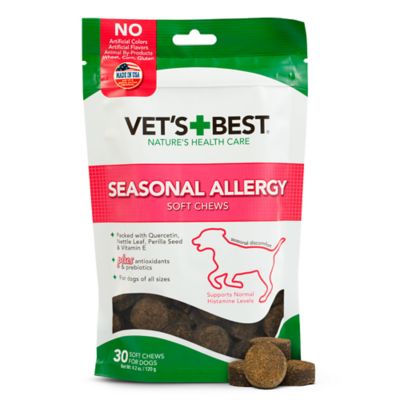
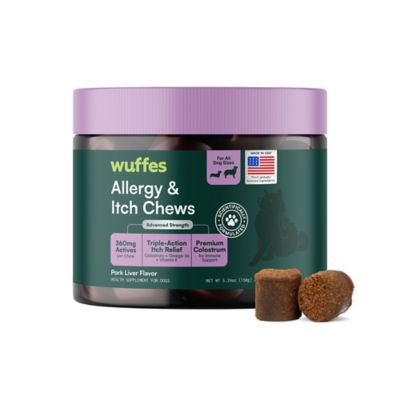
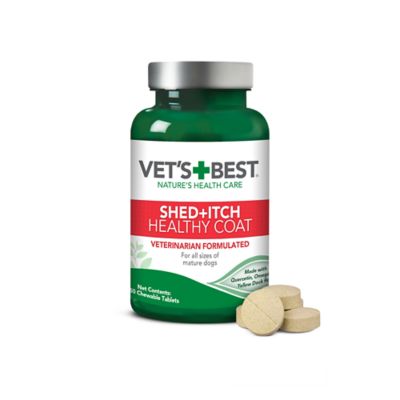
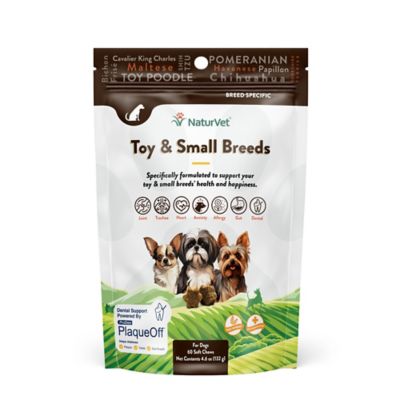
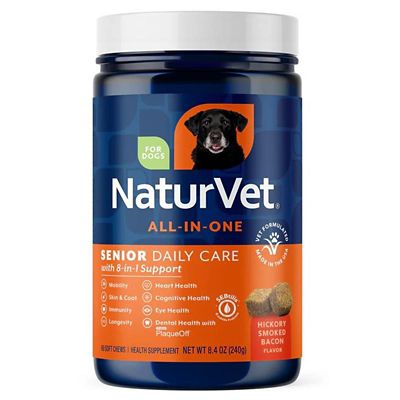
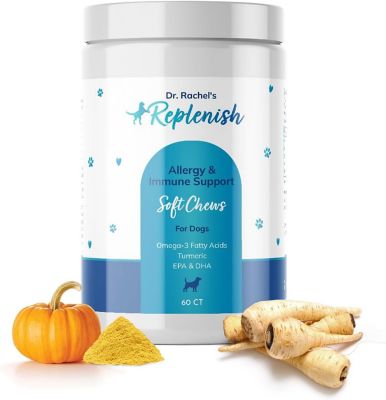
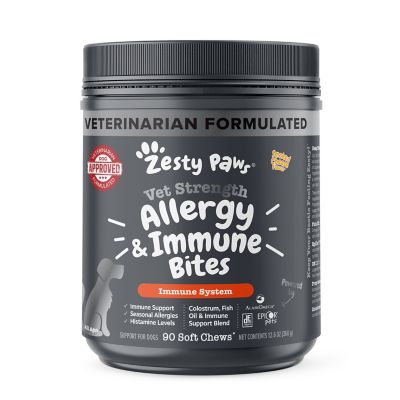
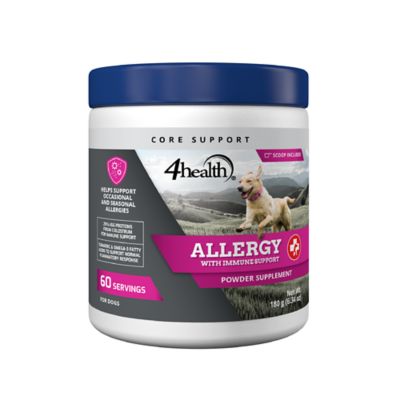
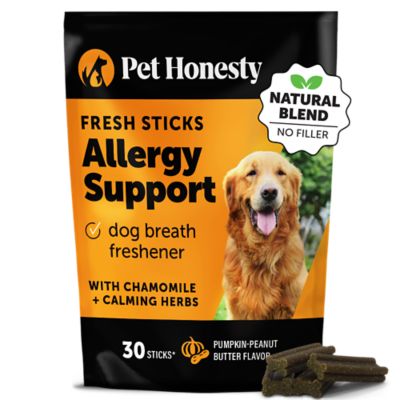
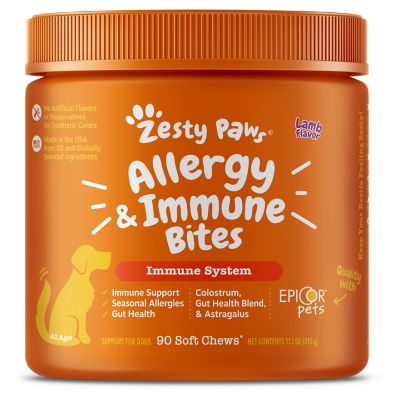
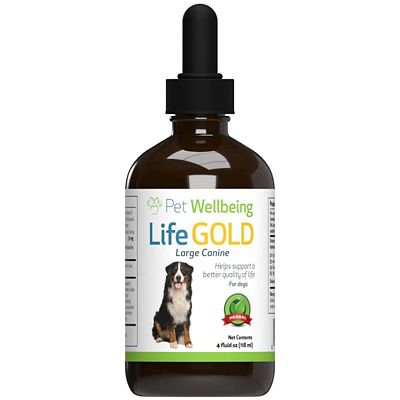
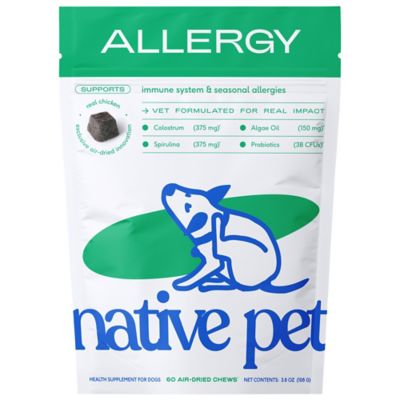
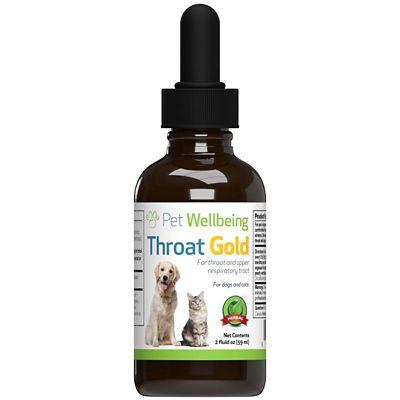
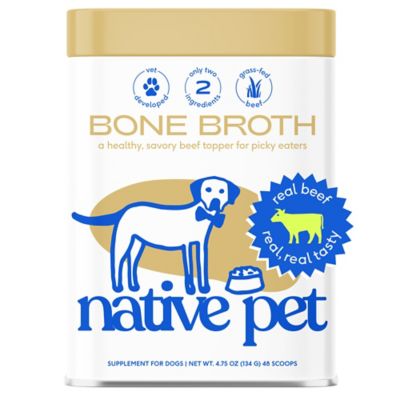
Quercetin supplements for dogs center on a plant compound called a flavonoid, a type of antioxidant found in many fruits and vegetables. Antioxidants help protect cells from oxidative stress, and quercetin has also been studied for its effects on inflammatory signaling and histamine release. Histamine is one of the substances involved in allergic reactions, which helps explain why quercetin appears in canine supplements marketed for skin comfort and immune support. Laboratory findings suggest that quercetin can influence mast cells, the cells that release histamine, but clinical research in dogs remains limited. Those findings do not establish that a supplement will stop itching, replace an antihistamine, or work the same way for every dog. For families comparing these supplements, that distinction matters more than a bold claim on the front of a package. A dog licking its paws beside the back door or rubbing its belly across the living room rug may have allergies, but fleas, infections, and other problems can cause similar behavior. Quercetin supplements belong in a conversation about ongoing support, not in place of finding the cause of discomfort. Their intended role is generally to complement a veterinarian’s care plan, which may also include parasite prevention, skin care, dietary changes, or medication. They are not established treatments for ear infections, open sores, or sudden allergic reactions. Whether a dog spends its days tagging along for barn chores or keeping watch from the couch, the right fit depends on its health history rather than how active it looks. Age, body weight, existing conditions, and everything already in the food bowl all matter. The word “natural” describes quercetin’s plant origins; it does not guarantee that every formula or serving amount is appropriate for every pet. Clear labeling and realistic expectations make a better starting point than promises of fast relief.
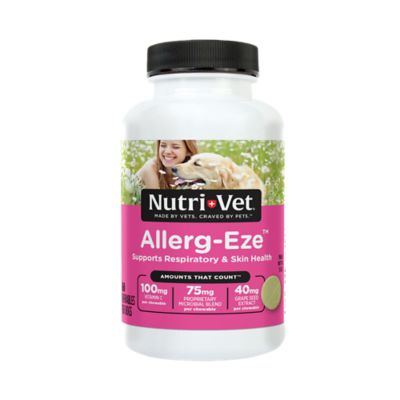
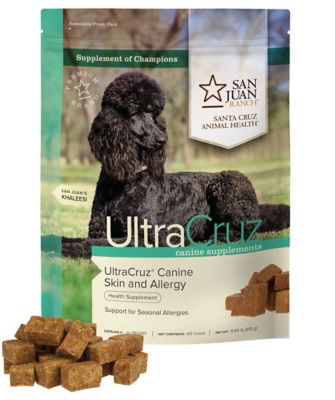
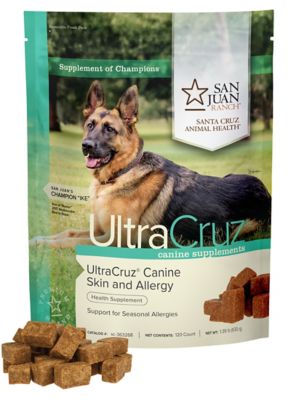
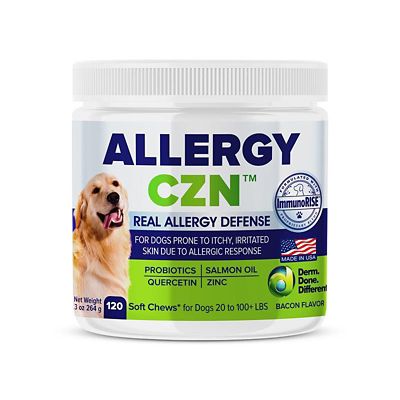
Quercetin dog supplements can come in soft chews, tablets, capsules, or powders, and the format makes a practical difference at feeding time. A dog that takes treats readily may accept a chew, while a measured powder may suit a dog that consistently finishes its food. Powder mixed through a bowl loses its usefulness as a measured serving if half the meal stays behind. Tablets and capsules bring their own considerations, including size, swallowing comfort, and whether the label permits splitting or opening them. For a small dog, a large chew may be awkward; for a larger dog, a serving may involve several pieces. The amount of quercetin per serving deserves a close look because the weight of a chew or the total amount of a blend does not necessarily reveal the amount of quercetin inside. Serving size and servings per container also help show how a formula fits into a daily routine. There is no single, well-established veterinary dose that applies to all dogs, so a blanket milligram-per-pound rule is not a sound substitute for advice about the individual animal. Some formulas pair quercetin with bromelain, an enzyme obtained from pineapple, or with vitamin C. These combinations are often marketed around absorption or complementary support, but evidence does not establish that every combination provides better results in dogs. The full ingredient list matters just as much as the highlighted ingredients. Flavorings, animal proteins, binders, and added calories can affect the fit for dogs with food sensitivities or restricted diets. Even a small flavored chew can complicate a veterinarian-supervised elimination diet. Clear ingredient amounts, lot information, expiration dates, and accessible manufacturer testing information provide useful details when comparing labels. Dog-specific directions are important, too: human supplements may contain unsuitable ingredient levels or additives such as xylitol, which is toxic to dogs. Meal timing should follow the label and the veterinarian’s recommendation rather than a general assumption that an empty stomach is always better.
A supplement routine needs to work on an ordinary day, not just on the first day a package comes home. A clearly measured serving, a dog that willingly takes it, and agreement among household members help prevent missed servings or accidental doubling. For a dog that moves between the house, the truck, and a family member’s place, keeping the directions with the container helps everyone stay on the same page. Storage is part of that routine: the original package preserves the label and lot number, while a securely closed container kept away from moisture, children, and pets helps prevent trouble. Treat-like chews still need to stay out of reach, even when a dog knows exactly which cabinet holds them. Expectations deserve the same steady approach. There is no firmly established timeline for quercetin benefits in dogs, and a supplement should not be expected to provide immediate relief. Simple observations about paw licking, scratching, appetite, and stool can give the veterinarian more useful information than a general impression that a dog seems better. Vomiting, loose stool, appetite changes, or other new symptoms warrant a call for advice before continuing. Dogs with kidney or liver disease, pregnant or nursing dogs, and puppies need particular attention before supplementation. A veterinarian should also review medications and other supplements, including blood thinners and formulas containing bromelain, because interactions and overlapping ingredients can affect safety. Persistent itching, sore skin, or repeated ear trouble calls for an examination; facial swelling or breathing difficulty calls for urgent veterinary care. Different health concerns also call for different supplement categories.
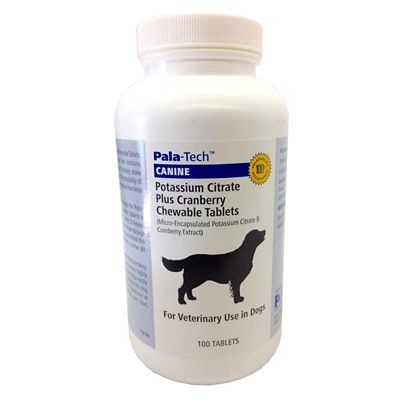
Urinary Tract Health Supplements for Dogs address a separate area of care and should not be treated as interchangeable with quercetin formulas. Painful urination, blood in the urine, or difficulty passing urine needs veterinary attention rather than a supplement change. For everyday shopping, the goal is a formula that fits the dog’s needs, has understandable directions, and makes sense within the care already in place.