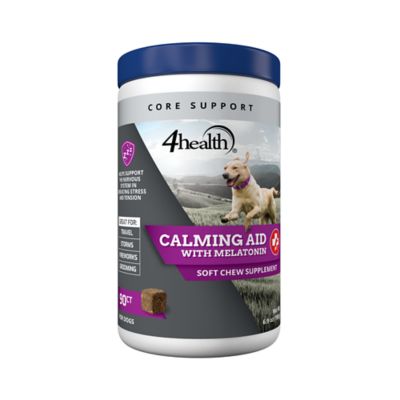
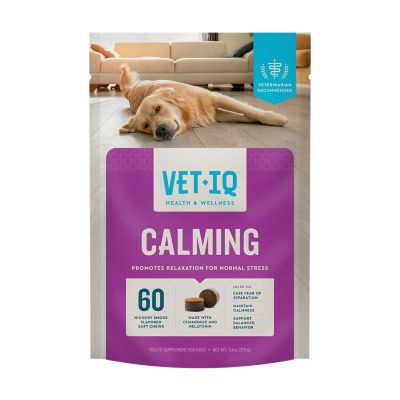
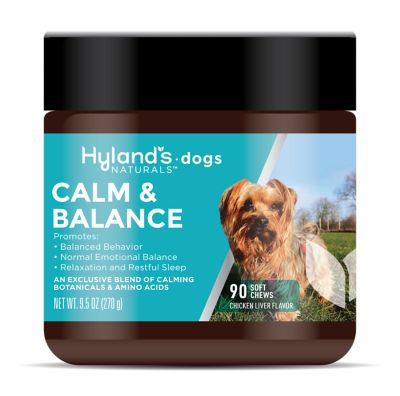
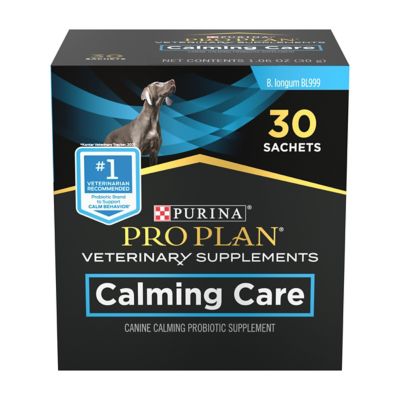
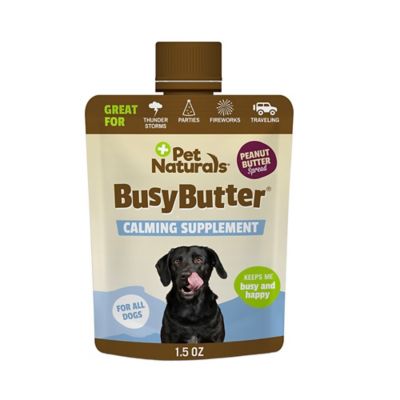
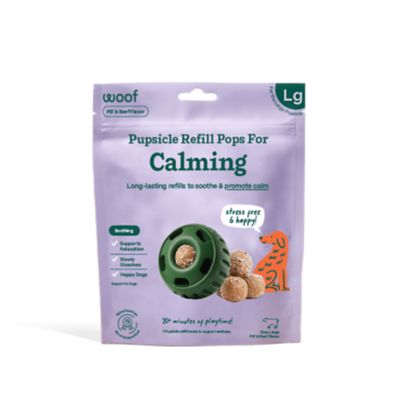
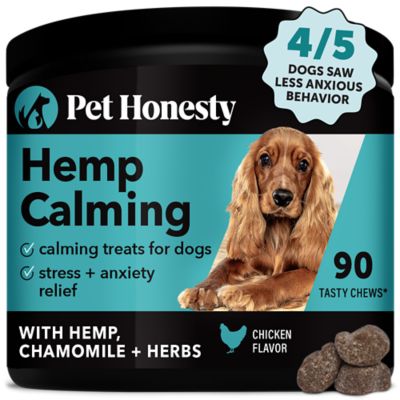
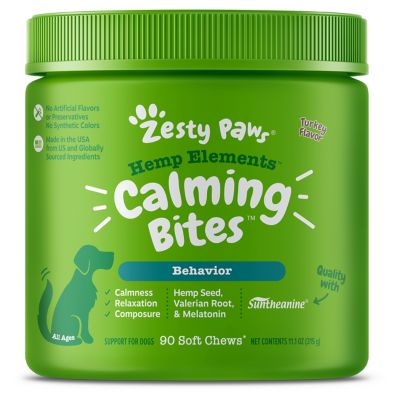
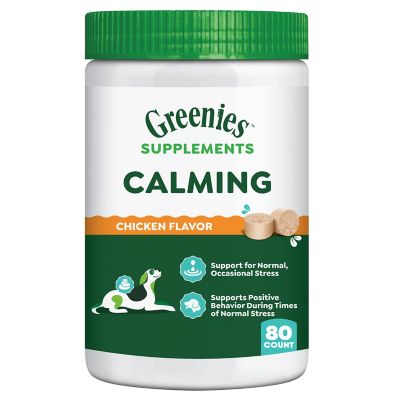
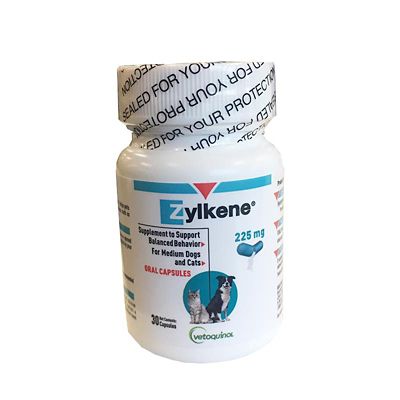
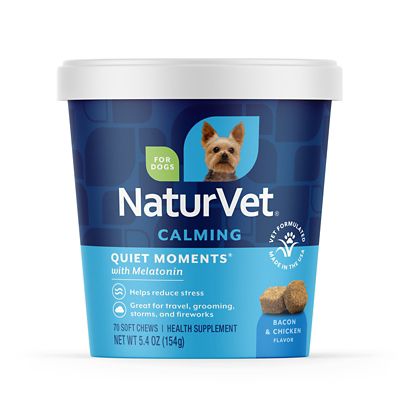
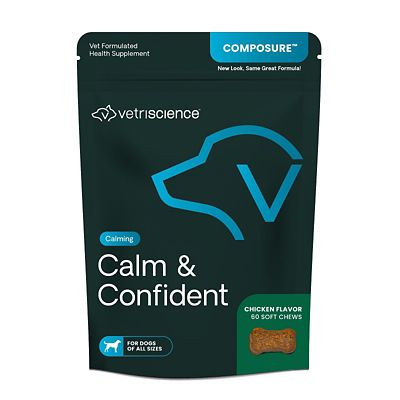
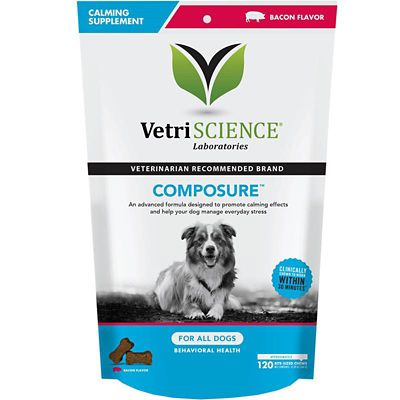
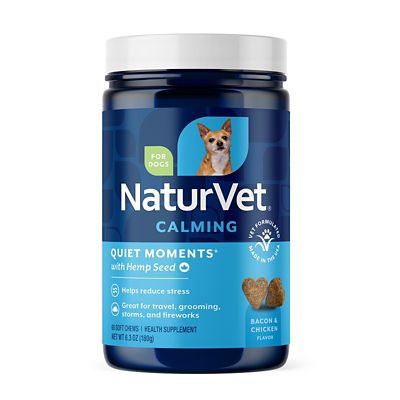
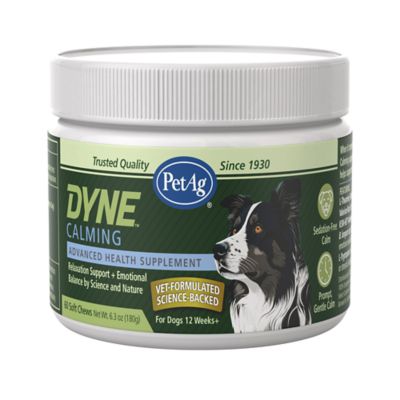
Natural calming supplements for dogs can support a more settled mood during stressful moments, making them a helpful addition to a thoughtful care routine. Dogs may become uneasy during thunderstorms, fireworks, travel, boarding, grooming visits, changes at home, or long stretches away from their people. Some show stress by pacing from room to room, panting, whining, hiding, barking, or having trouble settling after dark. Others simply seem wound tighter than usual, with restless eyes and a tail that never quite relaxes. Calming supplements are intended to support relaxation without taking the place of training, exercise, enrichment, or veterinary care. Common ingredients include L-theanine, an amino acid associated with a calm but alert state; L-tryptophan, which the body uses in pathways connected with serotonin; and thiamine, a B vitamin often included in formulas aimed at balanced behavior. Botanical ingredients may include chamomile, passionflower, or valerian root. Chamomile is traditionally associated with gentle relaxation and digestive comfort, while passionflower and valerian root may help support dogs experiencing tension or difficulty settling. Melatonin, a hormone involved in sleep rhythms, appears in some canine calming formulas, though it calls for extra care because the right choice depends on a dog’s age, health, other supplements, and medications. Browse related support for dogs, cats, and other companions through
Calming Products for Pets.
When choosing natural calming supplements for dogs, start with the individual dog rather than the label on the front of the package. Check the recommended serving by body weight, read the full ingredient panel, and choose a format your dog will readily accept, such as soft chews, capsules, powders, or liquid drops. A small dog may need a very different serving than a large working breed, and puppies, senior dogs, pregnant or nursing dogs, and pets with ongoing health concerns may need special guidance. Look for straightforward directions, clearly listed ingredient amounts, storage instructions, and a product intended specifically for dogs. Avoid giving a canine supplement that contains ingredients meant for people unless a veterinarian has specifically advised it. Xylitol is especially dangerous for dogs and can appear in some products made for human use, including certain sleep aids and chewable tablets. It also helps to think about timing. Some supplements fit a daily routine for general support, while others may be given ahead of a known stressor, such as a car ride or an evening when storms are expected. Follow the label and allow time to see how your dog responds; adding several new products at once can make it difficult to tell what is helping or causing a problem. Keep every supplement out of reach, just as you would medications, and never increase the serving because a dog remains restless after the first dose.
These products may suit a dog who becomes unsettled during cooler months when indoor routines change, a young dog learning to handle new experiences, or an older companion who has grown less comfortable with travel, noise, or nighttime activity. A dog who trembles at thunder rolling across the pasture may benefit from a quiet room, familiar bedding, steady background sound, and patient company along with a veterinarian-approved supplement. A dog who paces when the family leaves may need gradual separation practice, exercise, and enrichment rather than a supplement alone. Gentle handling matters, too: keep your voice even, avoid punishment for nervous behavior, and give the dog a safe place where nobody will pull it out or crowd it. Supplements can also make a considerate gift for a friend, neighbor, or family member welcoming a new dog, preparing for travel, or caring for a pet that struggles with everyday changes. Since every dog has a different health history, a gift card or a conversation about the dog’s needs may be more suitable than selecting a particular formula on someone else’s behalf. Speak with a veterinarian before starting any new calming supplement, especially if the dog takes prescription medicine, has liver or kidney concerns, has a history of seizures, or shows a sudden change in behavior. A veterinary professional can help sort ordinary situational stress from pain, illness, or more serious anxiety and can advise whether ingredients such as melatonin, valerian root, passionflower, chamomile, L-theanine, or L-tryptophan fit the dog’s needs. With careful label reading, sensible serving practices, and a calm home routine, these supplements can be one part of helping a dog feel more at ease.