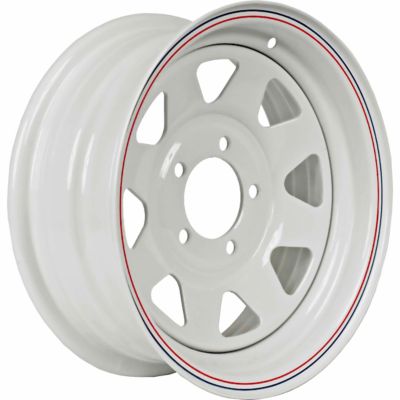
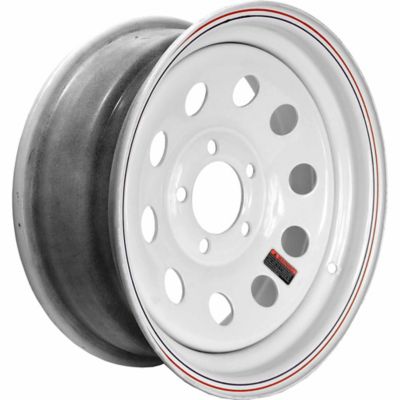
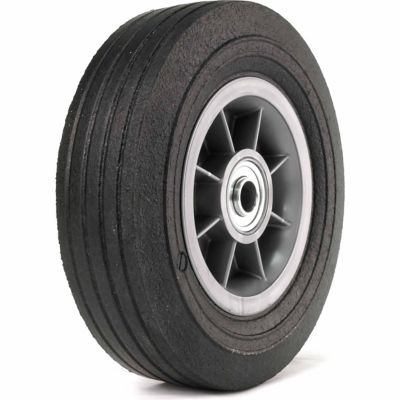
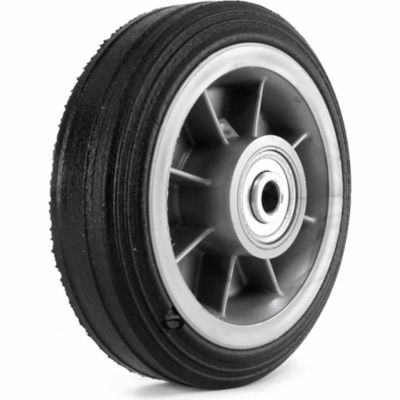
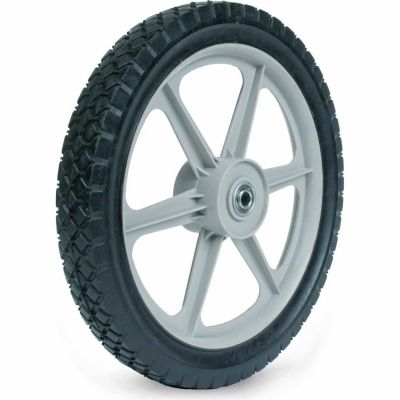
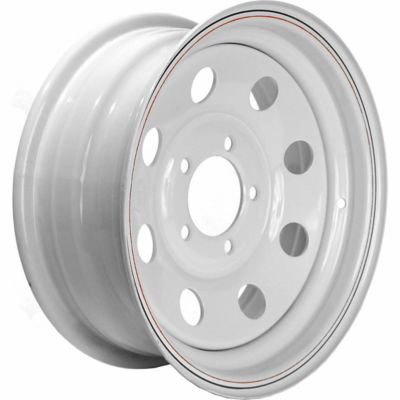
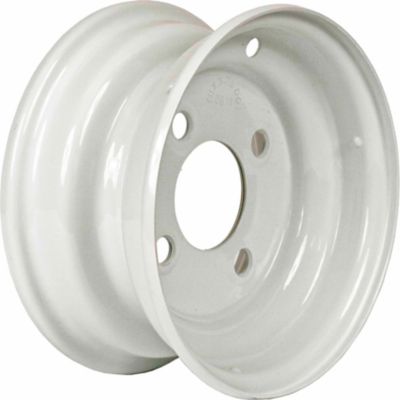
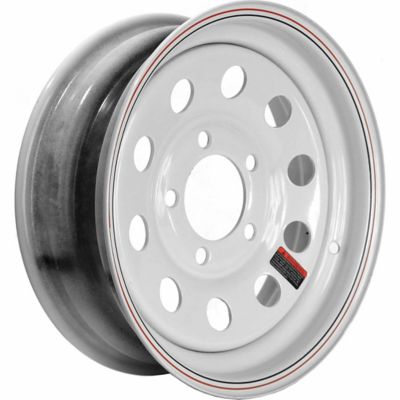
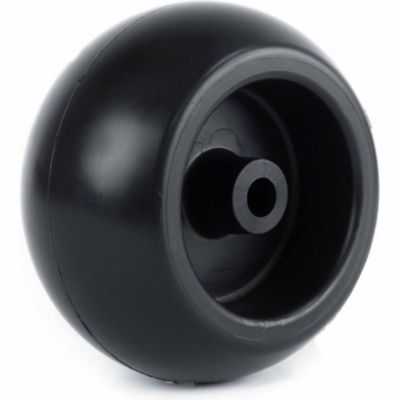
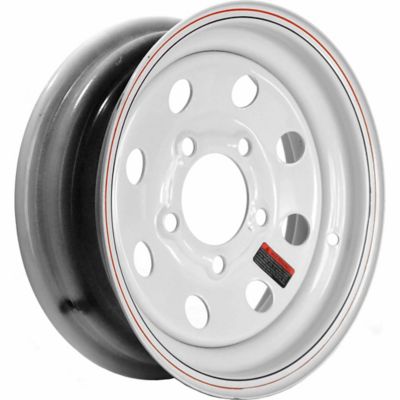
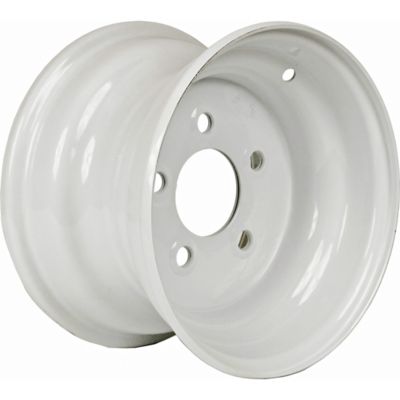
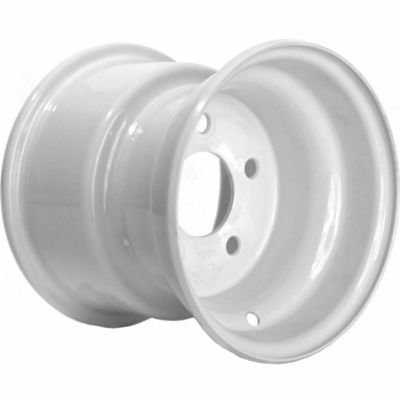
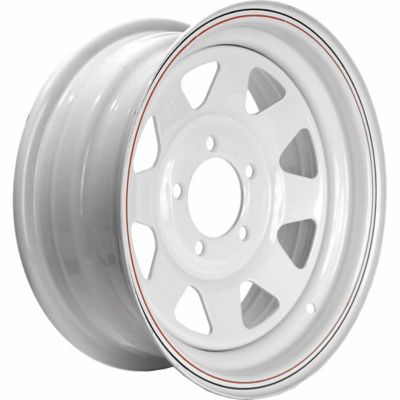
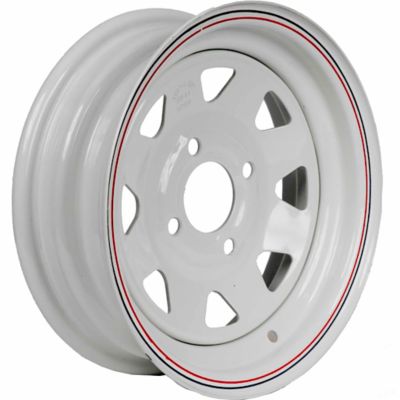
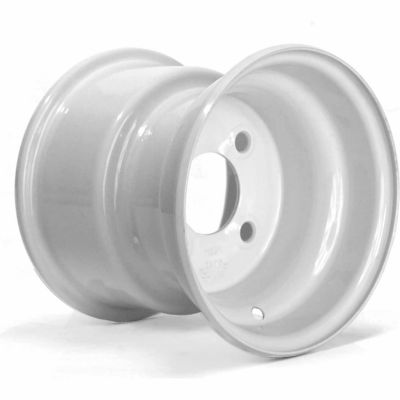
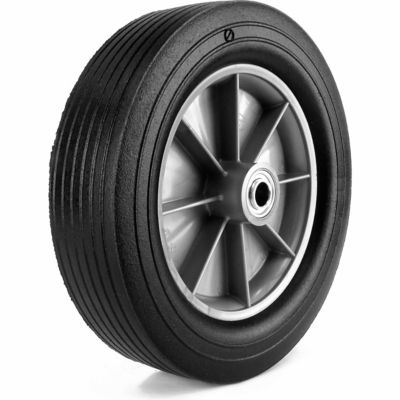
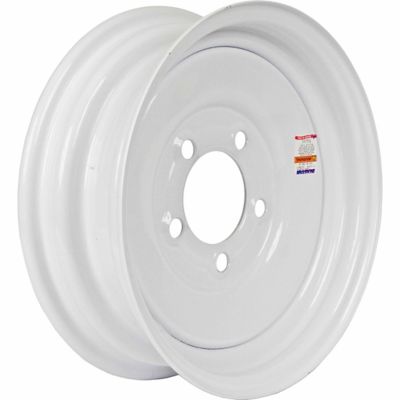
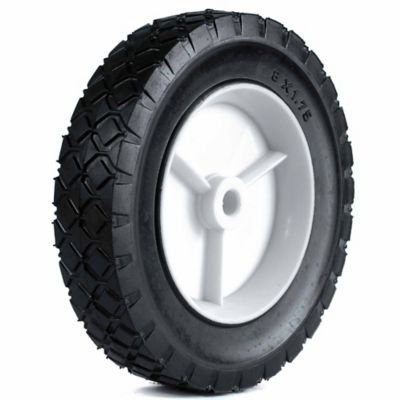
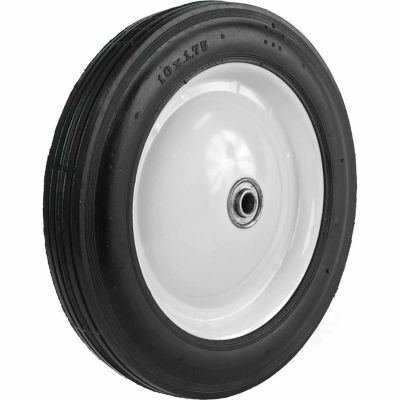
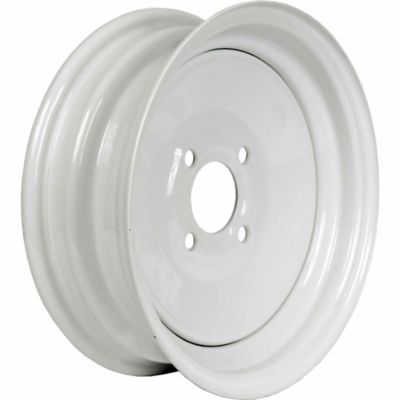
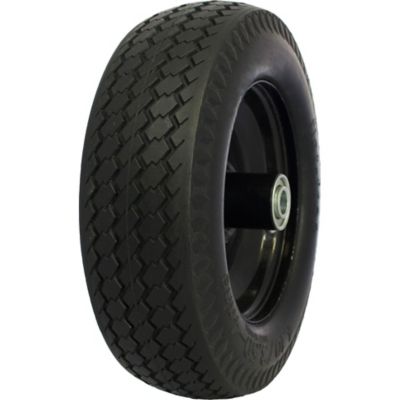
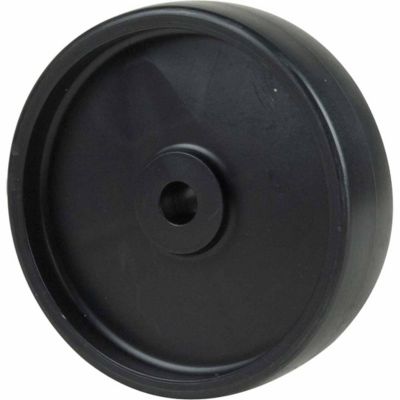
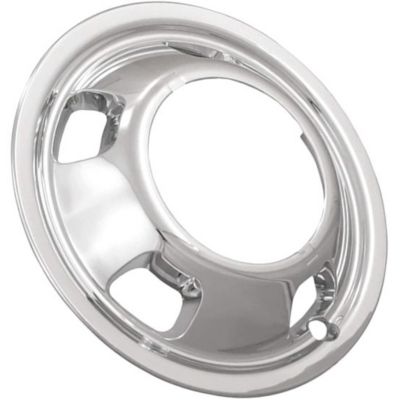
A wheel may be a small part of a working setup, but it has a big say in how a load moves across the yard, through the barn or along a shop floor. The right match helps equipment roll steadily, turn without a struggle and carry its load without putting needless strain on the person at the handles. For folks tending livestock, keeping acreage in shape or moving supplies around a workspace, those details matter every day. A loaded piece of equipment that rolls smoothly over a doorway threshold feels a whole lot different from one that catches, wobbles or drags. Wheels for these jobs come in several constructions, with metal or molded centers and running surfaces made from rubber, polyurethane or other materials suited to different tasks. Steel centers can provide strength for demanding work, while some molded designs offer lower weight and resistance to rust. The tire or tread material influences traction, noise and how much vibration reaches the load. A softer running surface may cushion bumps and make less noise on concrete, while a harder surface may roll with less effort on a smooth, firm floor. Wheel diameter matters, too: a larger diameter generally handles small obstacles more easily, provided the equipment has room for it. Width affects the contact area, which can influence how the wheel travels over loose ground and how easily it turns under weight. A broad tread may help keep a load from digging into softer footing, but width alone does not determine performance. Load, tire construction and ground conditions all play a part. For a property owner hauling supplies between outbuildings or a shop worker moving equipment between work areas, a good wheel match starts with the route and the task. Packed dirt, gravel, concrete and narrow aisles each place different demands on the assembly. Thinking about those everyday surroundings helps connect wheel construction with the kind of work it needs to do, rather than judging by appearance alone.
Fit is just as important as the material touching the ground. Two wheels can look nearly alike and still mount differently, so replacement measurements need to go beyond the outside diameter. Axle or bore size, hub length, bearing type and the space between mounting points all affect whether an assembly sits properly and rolls freely. An offset hub can place the tire closer to one side of the frame, while a centered hub distributes that space differently. Even a modest change can cause rubbing or leave too little room for the hardware that holds everything in place. Matching the equipment maker’s specifications helps preserve the intended geometry, especially where steering, brakes or tight frame clearances are involved. The wheel also needs a load rating suited to the job, including the weight of the equipment itself, not just what is piled on top. A full load crossing a rough patch can place more force on one wheel than a stationary load sitting evenly on a level floor. Simply dividing the total weight by the number of wheels may not account for uneven loading or impact, so the manufacturer’s rating and application guidance should set the limits. Speed ratings deserve the same attention. An assembly meant for slow movement around a property is not automatically suitable for road travel or powered equipment. Tire construction adds another layer to the decision. Pneumatic designs provide cushioning through an air-filled tire, with pressure checks as part of routine upkeep. Solid and other air-free designs avoid puncture-related air loss, though their weight, cushioning and rolling feel vary. For work where stopping to inflate a tire would interrupt the job,
Airless Wheels offer a related option to consider within the equipment’s fit and load requirements. Bearings also affect the feel at the handles. Depending on the application, an assembly may have a plain bore, a bushing or rolling-element bearings, each with its own maintenance needs. The best match brings these details together so the wheel supports the work without creating a mounting problem elsewhere.
Long service life depends on how the whole assembly handles everyday wear, not just how sturdy the center looks. Repeated trips over rough ground, turns under a heavy load and contact with abrasive grit can wear tread, loosen hardware or strain bearings. Tread patterns have a practical role: a more pronounced pattern can help on certain loose surfaces, while a smoother profile may suit firm floors and make turning easier. On finished floors, a wheel identified by its manufacturer as nonmarking can help limit scuffs, although trapped grit can still scratch the surface. Around feed rooms and barns, bits of twine, hair and bedding can wind around an axle until a wheel starts dragging. Clearing away that buildup keeps it from hiding damage or interfering with movement. A quick look at the mounting hardware, tread and hub can also catch small problems before the next heavy haul. Cracks, chunks missing from the running surface, side-to-side wobble or a new grinding sound call for a closer check rather than another load. Air-filled tires need pressure maintained to the stated specification, and bearings that call for lubrication need the recommended lubricant at the proper intervals. Sealed bearings generally are not meant to be taken apart for routine greasing, so care should follow the assembly’s instructions instead of a one-size-fits-all approach. Cleaning matters as well, particularly after contact with manure, fertilizer or other substances that can attack metal finishes. Removing residue and allowing the assembly to dry can help protect the hub, axle and fasteners; high-pressure spray directed into bearings may do more harm than good. For someone keeping older equipment working, replacing a worn wheel can restore easier movement without changing the purpose of the equipment. For a busy farmyard or workshop, matching wheel construction to the load, mounting arrangement and travel surface helps keep routine chores manageable. Whether the day calls for short trips across concrete or repeated runs over packed ground, well-matched wheels help equipment carry its share without making every push a wrestling match.