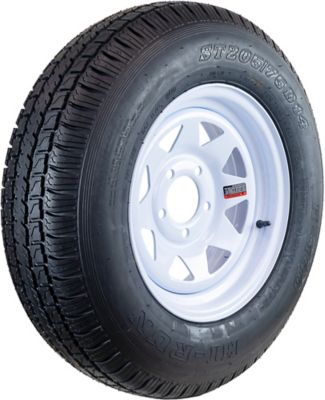
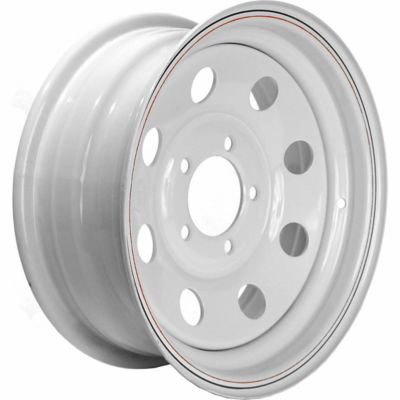
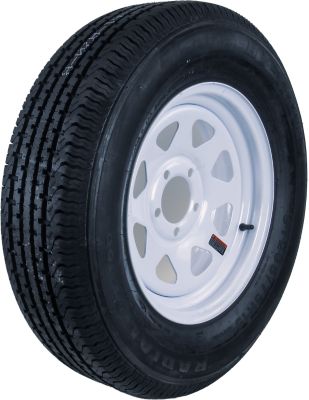
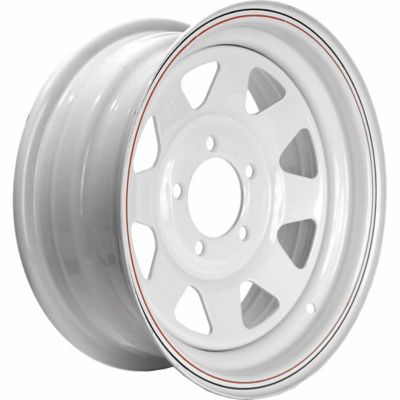
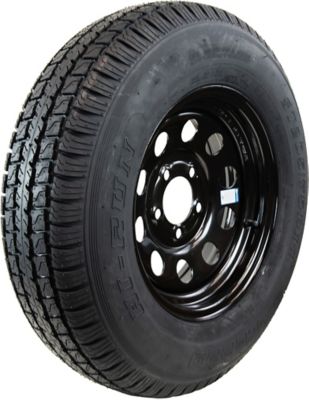
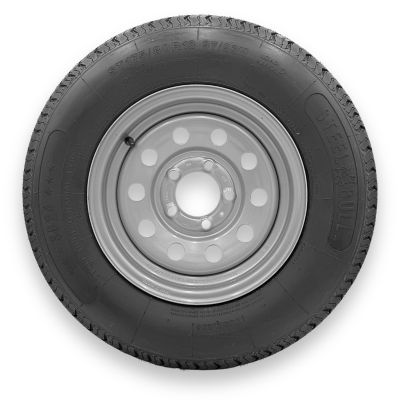
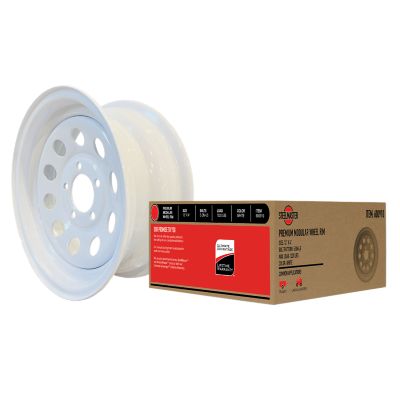
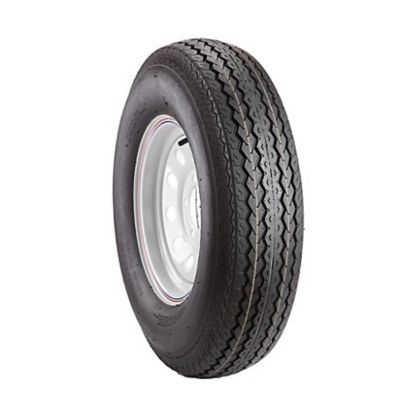
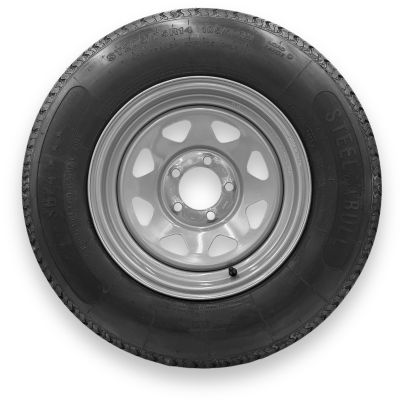
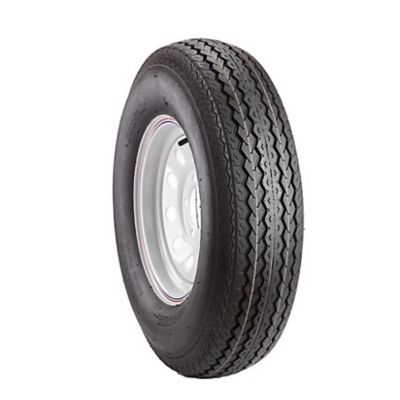
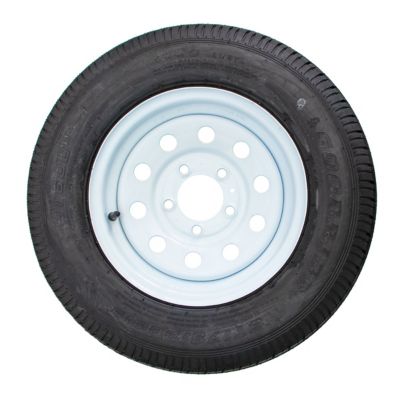
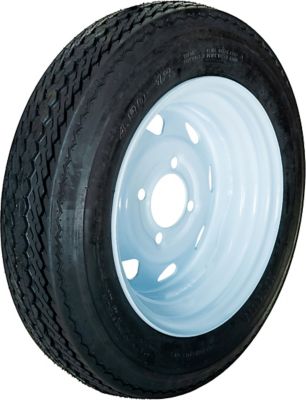
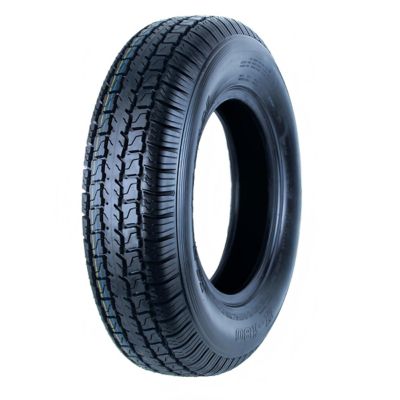
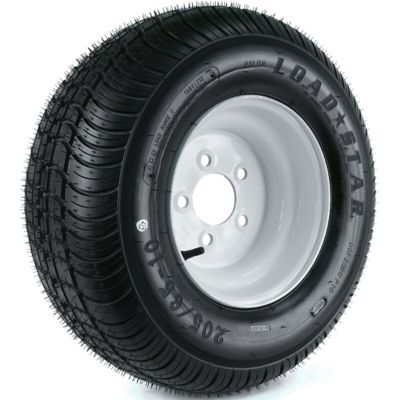
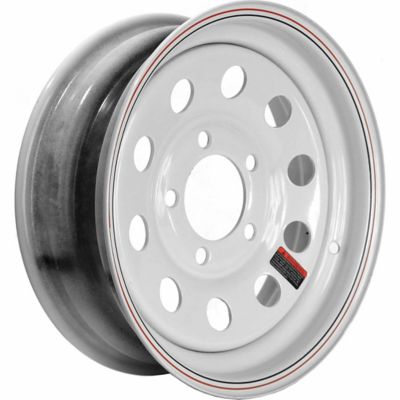
When you are shopping for 14 in wheels, start with the job they need to handle and the machine or vehicle they need to fit. A 14-inch wheel refers to the diameter of the rim where the tire mounts, not the full outside diameter of the assembled tire and wheel. That distinction matters when you are replacing worn wheels on a compact car, refreshing a classic ride, outfitting a utility or boat trailer, or setting up an ATV or UTV for work around the property. The right wheel should match the equipment’s specifications for diameter, width, bolt pattern, center bore, offset and load rating. Count the lug holes and measure the bolt pattern carefully, since a four-lug wheel and a five-lug wheel are not interchangeable, even when both are listed as 14-inch wheels. Bolt-pattern measurements can be easy to get wrong, particularly on five-lug hubs, so compare your measurements with the vehicle, trailer or equipment manufacturer’s fitment information before placing an order. The center bore should fit the hub properly, and the wheel’s offset determines how far it sits inward or outward. An incorrect offset can lead to rubbing against suspension parts, fenders or brake components, while a wheel that sits too far outward may be exposed to extra wear from rocks, mud and road debris. It is also smart to check the wheel width and confirm that your existing tire size is approved for that width. A taller tire sidewall on a smaller vehicle can offer a comfortable, steady ride and a familiar classic appearance, while a more rugged wheel and tire combination may be better suited to gravel lanes, pasture paths or off-road chores. Whether you are replacing one damaged wheel or changing a complete set, matching the specifications across the whole setup helps keep handling predictable and makes tire service simpler down the road.
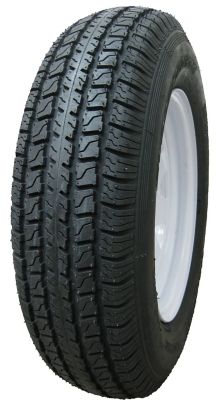
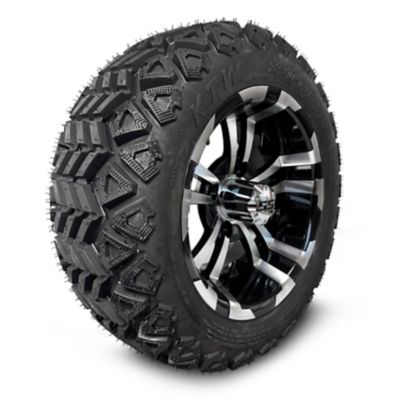
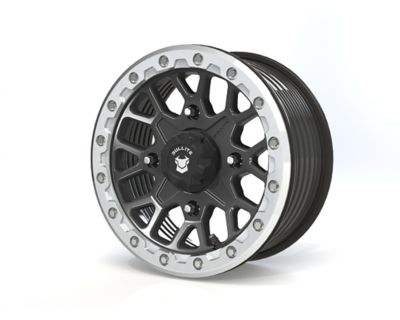
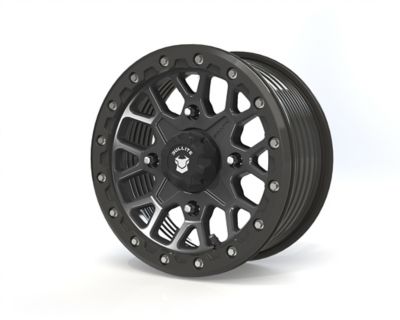
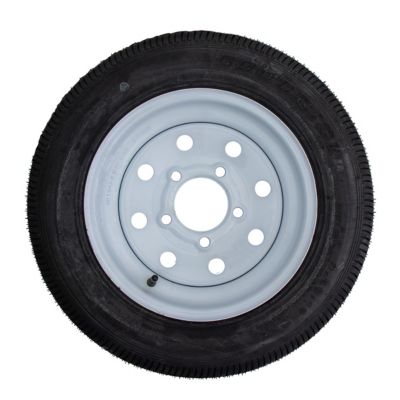
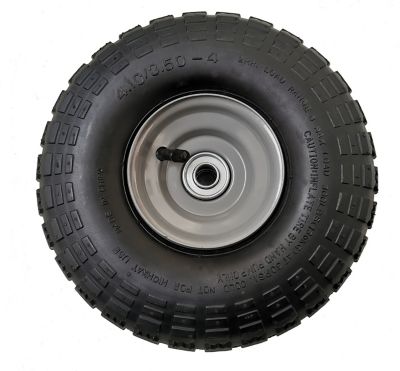
For trailers, load capacity deserves special attention. A wheel may fit the hub and still be the wrong choice if its rated capacity is too low for the loaded trailer. Add the weight of the trailer, cargo, tools, feed, equipment or recreational gear, then compare that total with the combined capacity of the wheels and tires, leaving a sensible margin rather than operating right at the limit. Utility and cargo trailers often see uneven loading, sharp turns, rough approaches and repeated trips over gravel, so a properly rated wheel helps support safer, steadier use. Boat trailers bring another set of concerns, including water exposure, ramp surfaces and corrosion, making durable construction and regular inspection especially useful. Before installation, look over the hub, studs, bearings and lug nuts for damage or unusual wear. Clean rust and debris from the mounting surfaces, seat the wheel flat against the hub, and tighten the lug nuts in a star pattern to the torque listed by the manufacturer. Recheck the lug nuts after the first short trip and inspect them periodically, especially if the trailer travels over washboard roads or carries heavy loads. For an ATV or UTV, think about the kind of ground you cover most often. Farm lanes, wooded trails and rocky pasture crossings can put a good deal of stress on wheels, so construction, load rating and protection from impacts all matter. A steel wheel may appeal to owners who value straightforward durability and easy replacement, while an alloy option may offer a lighter feel or a particular fit and finish. Either way, confirm clearance around the brake assembly, steering components and suspension at full turn and through the full range of travel. Mud packed around the wheel can hide damage, so make a habit of rinsing and checking for bends, cracks or air loss after hard use. During the warmer part of the year, these checks are handy after long days hauling fencing or checking livestock; when the weather turns cooler, they can help prevent a small problem from becoming a roadside or back-lot repair.
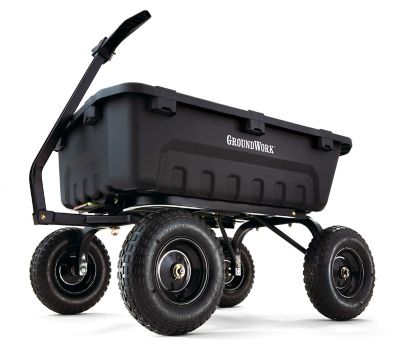
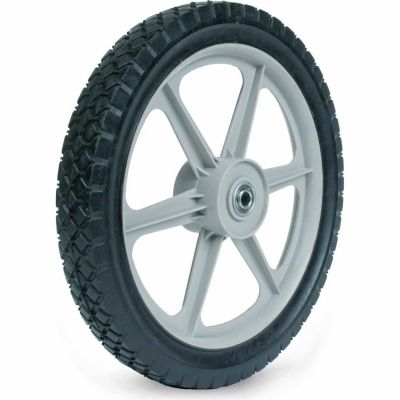
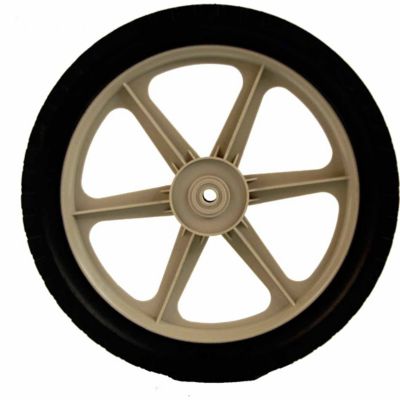
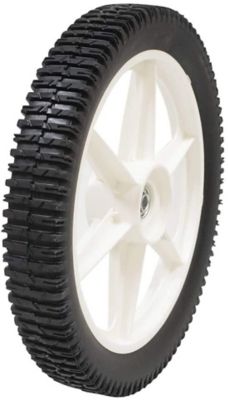
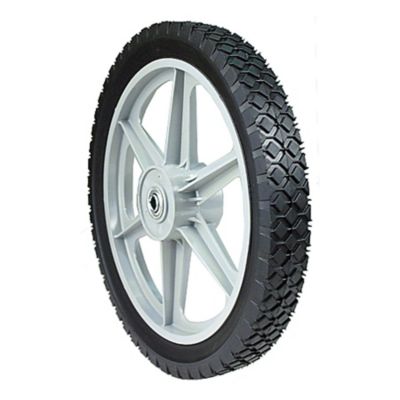
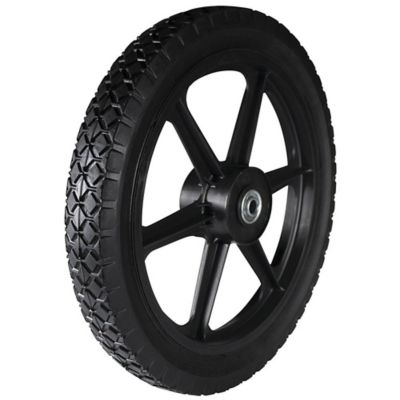
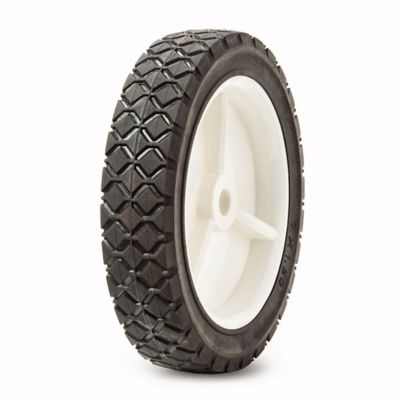
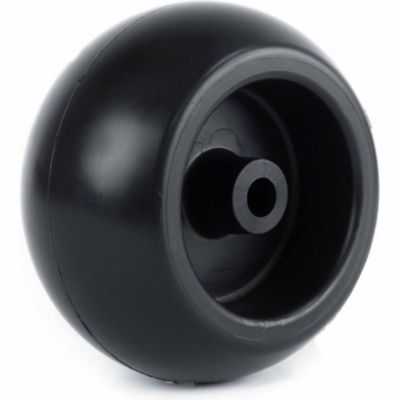
Fourteen-inch wheel listings can also include replacement wheels for lawn and garden equipment, carts and other small machines. These may look simple, but fit still depends on details such as axle diameter, hub length, bearing style, tread design and the way the wheel attaches. A solid replacement wheel can be useful on equipment that spends time around gravel, grass clippings, garden beds or damp sheds, while a spoked or lighter-duty design may suit a hand cart or other easy-rolling application. Measure the old wheel and axle before shopping, and compare the overall height and width so the replacement does not change the equipment’s balance or ground clearance. Keep in mind that the 14-inch size may describe a vehicle-style rim in one listing and a small equipment wheel’s overall diameter in another, so read the product details closely rather than relying on the number alone. For drivers working on a compact or older vehicle, 14-inch wheels may provide a classic look and a taller sidewall that helps soften bumps on cracked pavement and gravel roads. Check the owner’s manual or a tire professional’s recommendation before changing sizes, since the tire’s overall diameter can affect speedometer readings, gearing, steering feel and clearance. Wheels can also make a practical gift for someone who keeps a trailer, ATV, mower or work vehicle in regular rotation, especially when you know the exact measurements they need. A gift card or a careful note of the machine’s year, model and current wheel markings can be more useful than guessing at fitment. If your equipment calls for a smaller rim, you can compare these listings with
10 Inch Wheels. No matter the application, keep tire pressure at the recommended level, avoid overloading, protect finished wheels from harsh chemicals and inspect for loose hardware, corrosion, bends and cracks as the seasons change. A few minutes beside the trailer, mower or driveway vehicle can reveal a worn valve stem or damaged rim before it leaves you sitting in the barnyard, at the trailhead or along the road.