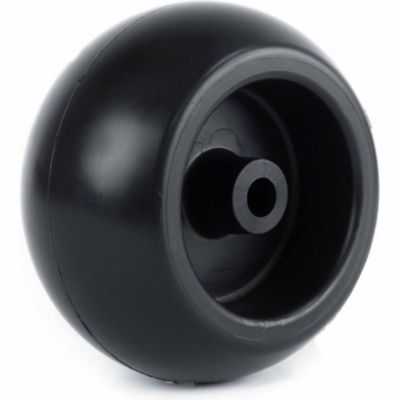
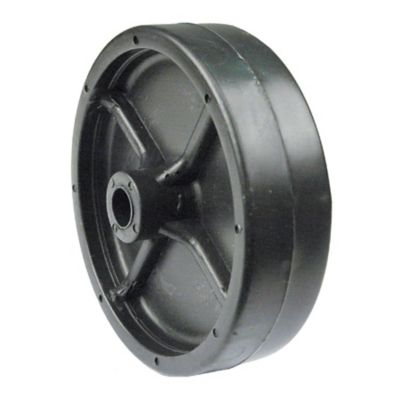
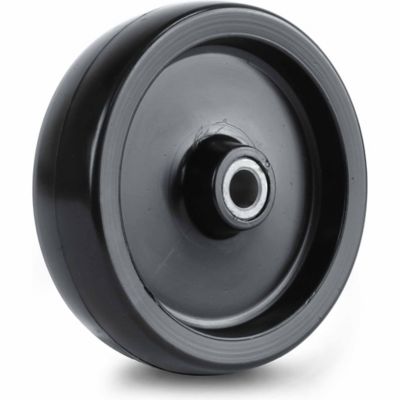
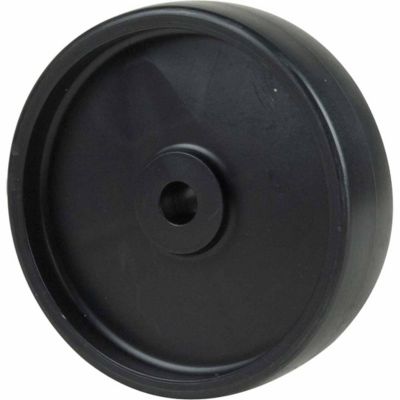
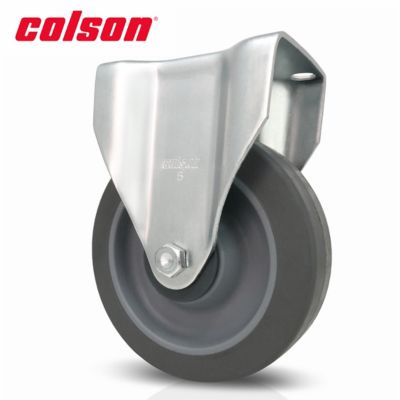
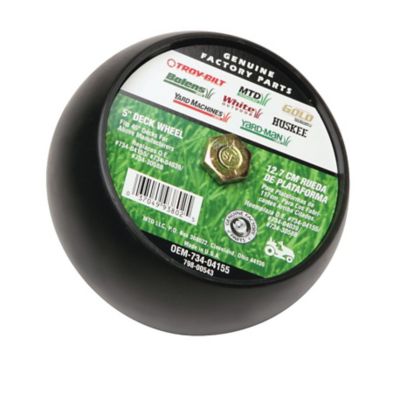
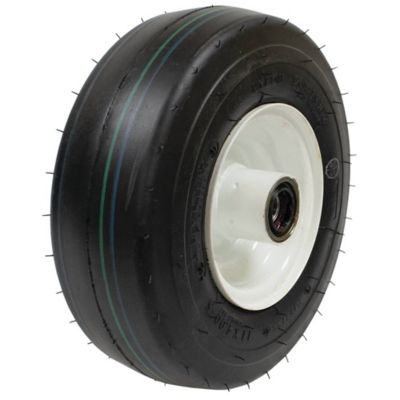
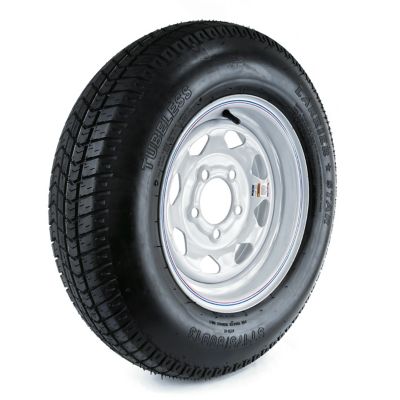
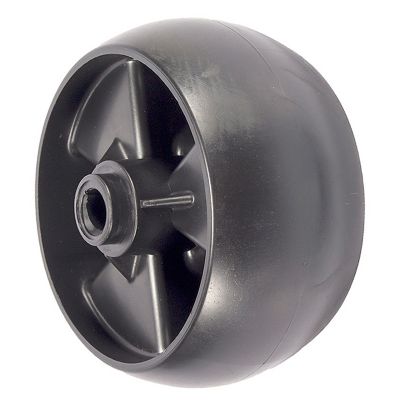
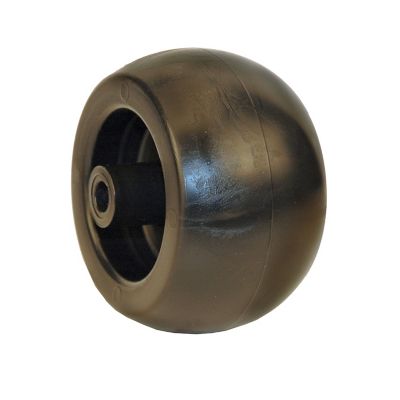
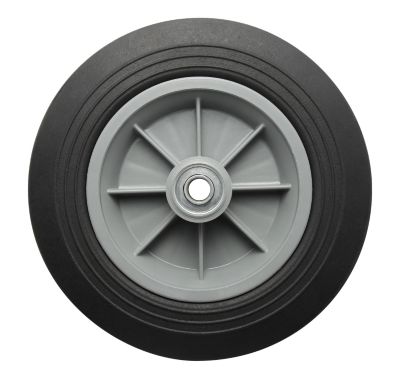
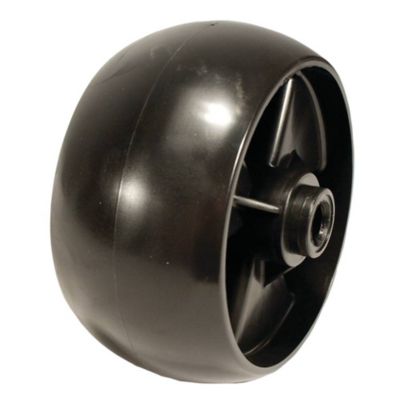
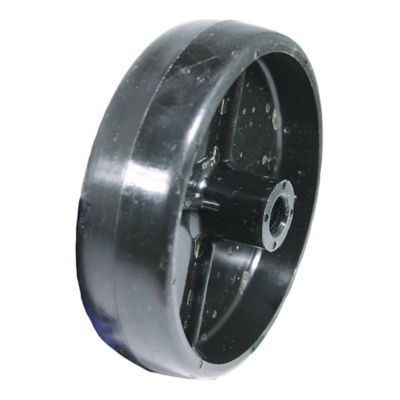
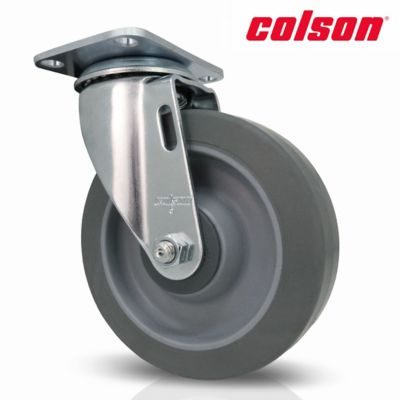
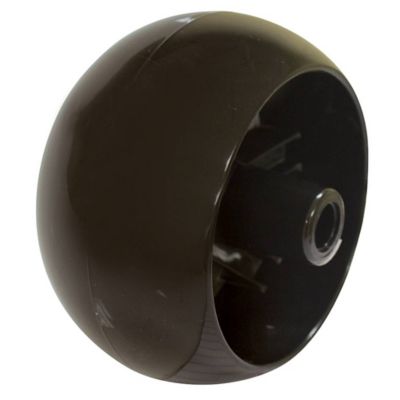
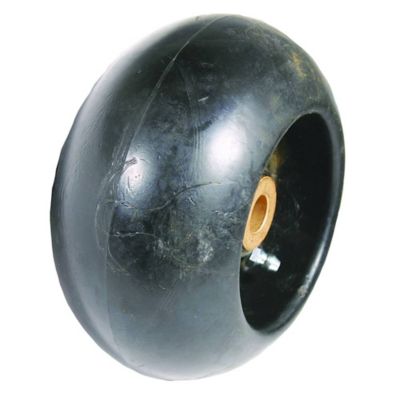
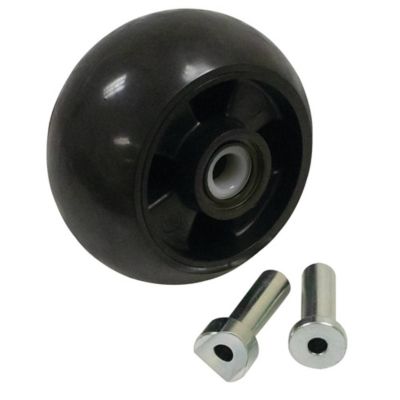
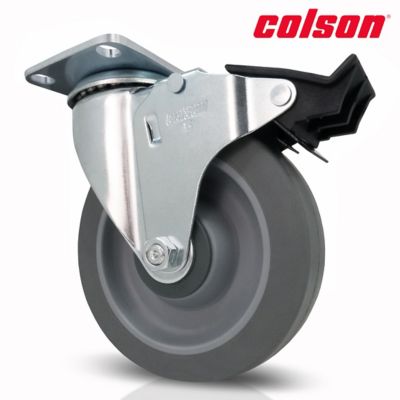
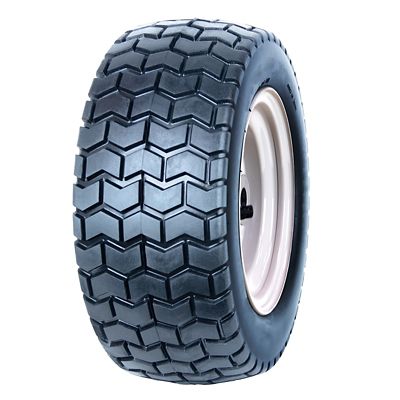
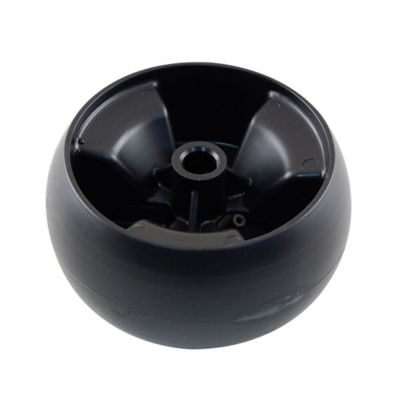
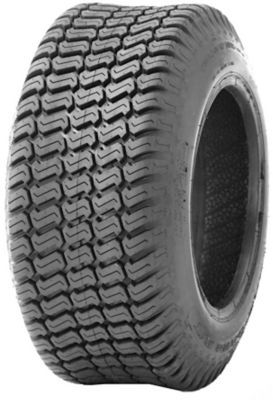
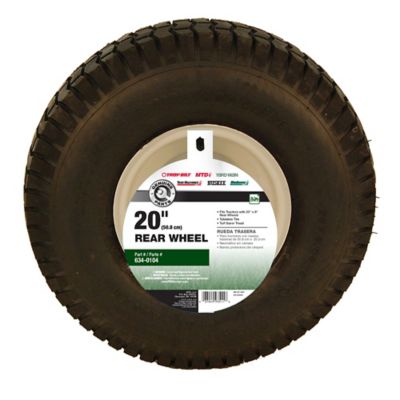
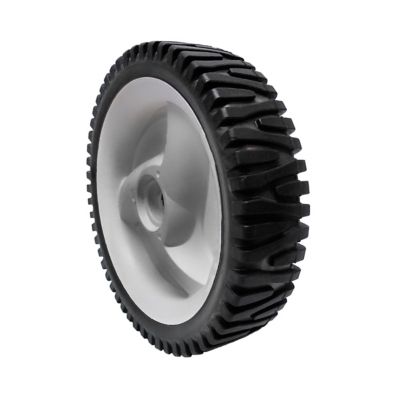
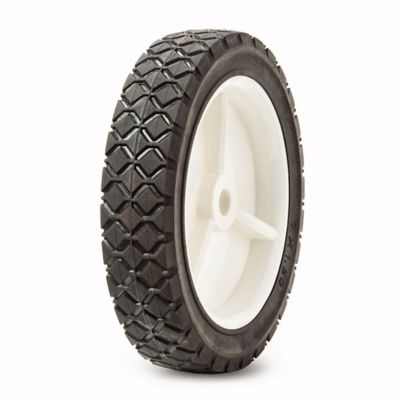
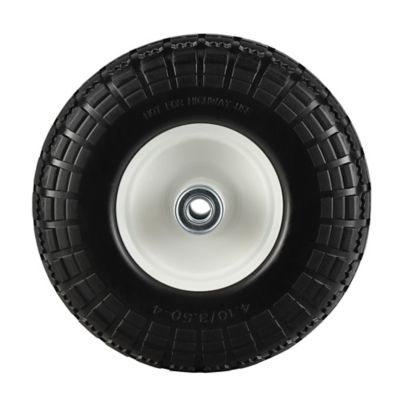
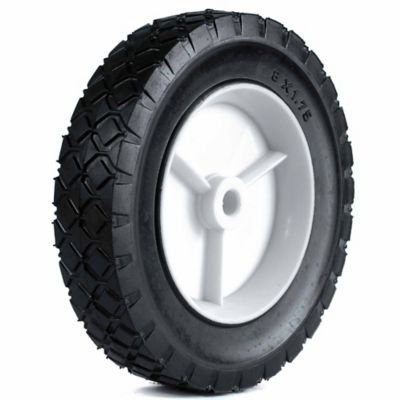
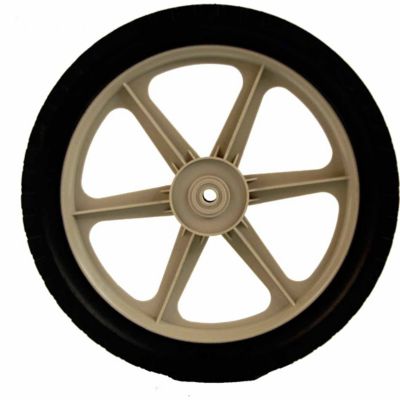
Five inch wheels are a handy size for a wide range of farm, shop, garden and household jobs. They can help equipment roll more smoothly across concrete, packed gravel, wood floors and other reasonably even surfaces, while still keeping carts, stands and small tools at a manageable height. A wheel’s diameter is only part of the story, though. Before choosing a set, take a close look at the wheel width, axle opening, mounting style and the amount of weight each wheel is expected to carry. If you are replacing worn wheels, measure the original parts instead of relying on memory. Check the distance between mounting holes, the length and diameter of the axle, and the clearance around the wheel so it can turn without rubbing against a frame, guard or bracket. A wheel that looks like the right match may not fit properly if the hub, bearing or mounting plate is different. It is also smart to consider the surface where the wheel will spend most of its time. Hard rubber or polyurethane-style wheels can be a good fit for smooth shop floors and concrete, while a treaded design may offer more grip when rolling across a barn aisle, driveway or packed dirt. Swiveling wheels help equipment turn in tight spaces, and fixed wheels can provide steadier tracking when a cart needs to move in a straight line. Locking casters are useful for worktables, utility carts and stands that need to roll into place and then stay put. Pay attention to the load rating, too. Add the weight of the frame, tools, feed, firewood, soil or other cargo, then leave some extra capacity for bumps, starts and stops. On uneven ground, the load can shift quickly, putting more pressure on one wheel than the overall weight might suggest. Keeping heavy items centered and distributing the load across all the wheels helps reduce wobbling and premature wear.
The right five inch wheels can make everyday equipment easier to handle, especially when a full cart or stand is too heavy to lift but still needs to move around the property. A gardener might use them on a rolling potting bench to move bags of soil between the shed and greenhouse, while a livestock owner may appreciate smooth-rolling wheels on a feed cart, tack-room organizer or small work stand. In a garage or workshop, replacement wheels can give an older tool cabinet, welding table, compressor stand or storage cart a second stretch of useful life. They can also be a practical choice for building or repairing a custom dolly, hose reel or mobile work surface. During the cooler months, equipment often gets moved indoors more frequently, from storing lawn tools and seasonal supplies to bringing repair projects into a barn or shop, and dependable wheels make those jobs less of a strain. For outdoor use, look for materials that can handle moisture, dust and changing temperatures, and keep in mind that wheels may roll differently when mud, gravel or frost is involved. Once installed, make sure every fastener is tight and the wheel spins freely before loading the equipment. After a few uses, inspect for loose hardware, packed debris, flat spots or uneven wear. A quick rinse and a light cleaning around the hub can help prevent grit from working its way into moving parts, although lubricant should only be used when it is recommended for that wheel’s bearings or axle. If a project needs a little more ground clearance or a larger footprint for rough terrain, compare these options with
8 Inch Mower Wheels to find a size that better matches the equipment and working conditions. Five inch wheels are often a practical middle ground for compact carts and mobile equipment: large enough to roll over small seams and thresholds, yet low enough to keep the center of gravity steady. They make a useful addition to a shop setup, a thoughtful gift for someone who enjoys fixing things around the homestead, or a simple replacement for equipment that has started to drag, shake or leave flat tracks across the floor.