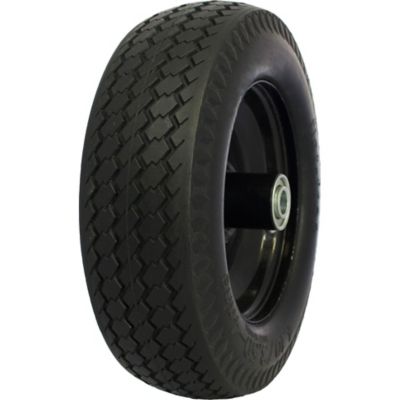
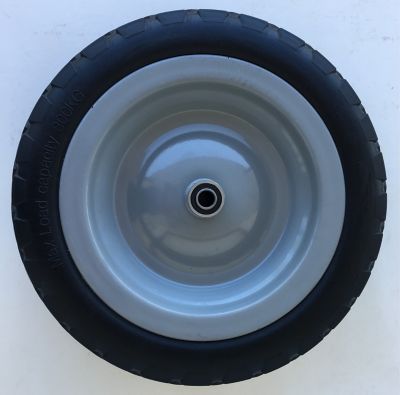
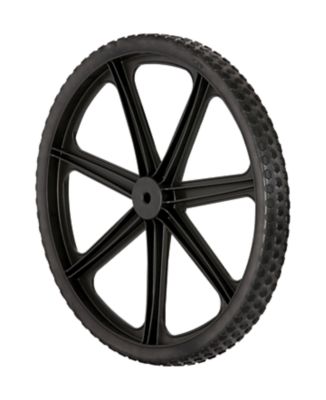
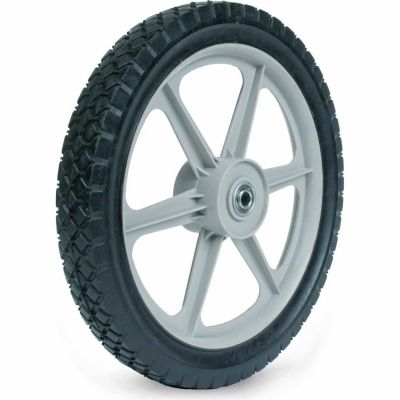
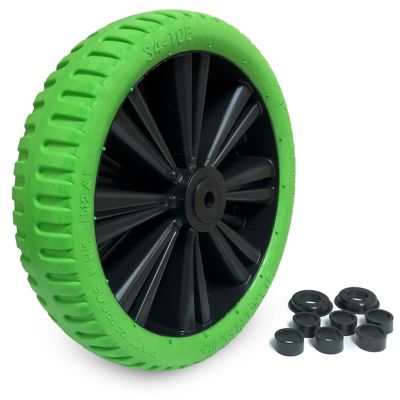
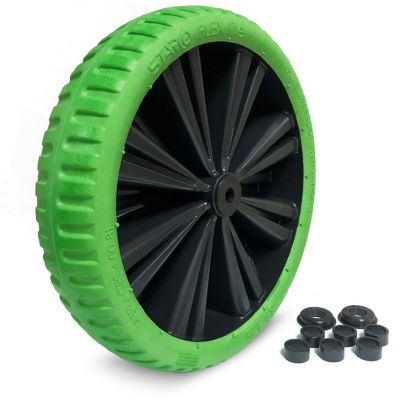
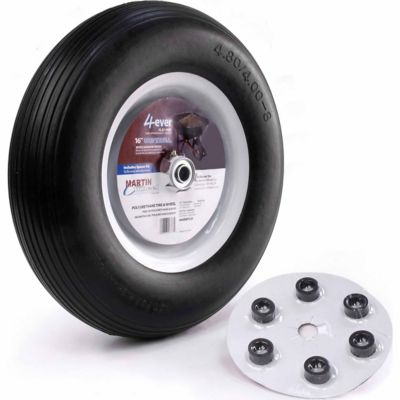
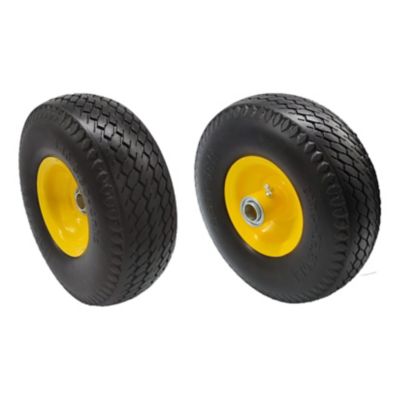
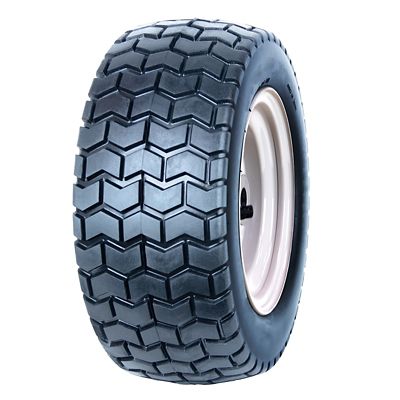
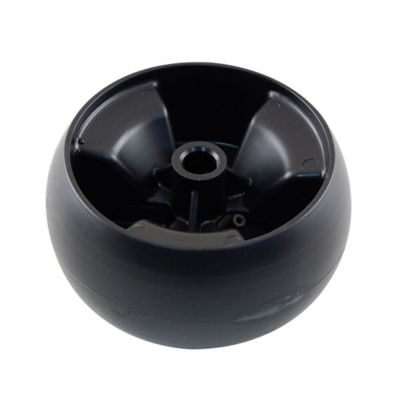
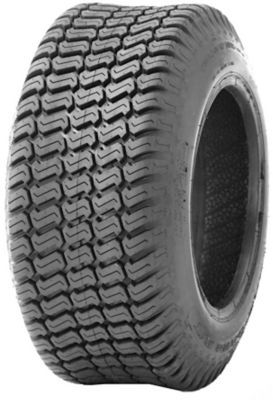
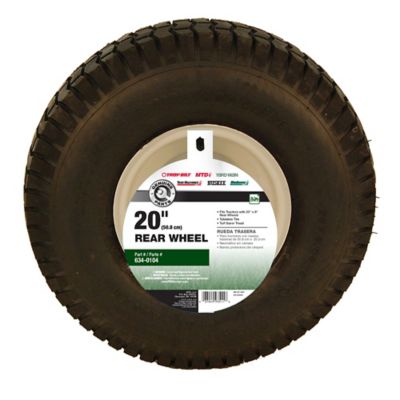
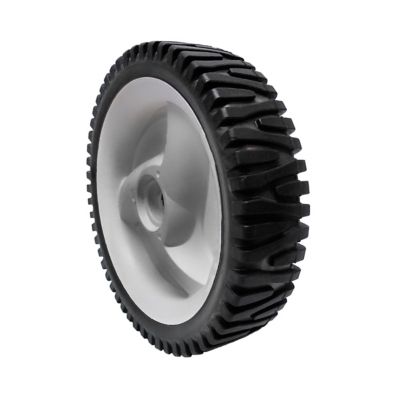
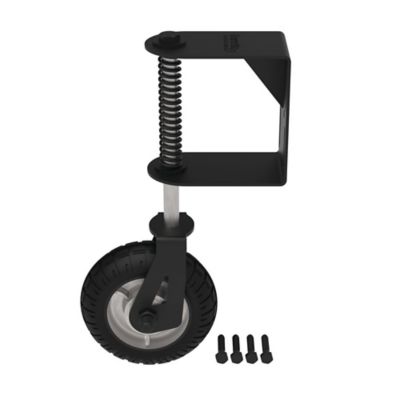
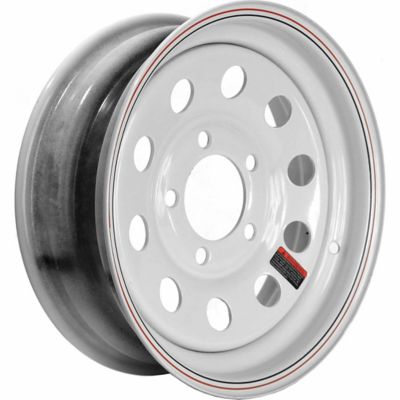
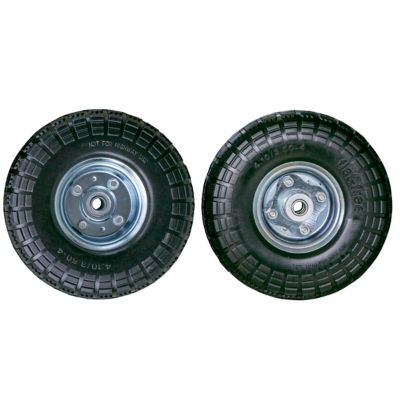
Airless wheels, also called non-pneumatic tires, are built for jobs where a flat tire can bring the whole day to a stop. Instead of relying on a pocket of pressurized air, these wheels use a solid rubber body, a flexible spoke pattern, or a high-strength resin and fiberglass support structure to carry the load. When the wheel rolls over gravel, roots, broken branches, or rough barnyard ground, the inner structure flexes and helps absorb the bump before returning to its original shape. That means there is no tube to pinch, no air valve to damage, and no pressure gauge needed to keep the tire ready for work. Airless wheels are a practical choice for lawn and garden equipment, utility carts, hand trucks, wheelbarrows, trailers, and other slow-moving equipment that spends more time on dirt, grass, concrete, or uneven ground than on the highway. They can be especially handy around farms, acreage, landscaping jobs, nurseries, shops, and busy home workshops, where equipment may sit outside or get used hard from one season to the next. During the cooler months, an airless wheel can also be a welcome convenience when cold temperatures make air pressure drop and a traditional tire needs topping off before the first chore of the day. Keep in mind that “airless” does not mean every wheel is made the same. Some are fully solid, while others use flexible spokes or a honeycomb-style interior to balance cushioning, stability, and load support. The design should match the equipment and the kind of work it will handle.
Before choosing airless wheels, start with the basics: wheel diameter, tire width, axle or bore size, hub length, bearing style, and the available clearance around the frame or fork. A wheel that looks close in size may not fit properly if the bore is too small, the hub is too long, or the tire sits too close to the equipment. Check the equipment manual when available, then compare those measurements with the product specifications rather than relying on appearance alone. Load rating matters just as much. Add the weight of the equipment, the materials being hauled, and the person pushing or pulling when applicable. A garden cart loaded with soil, feed, firewood, or fencing supplies puts more strain on its wheels than an empty cart moving across a smooth shed floor. Terrain and speed should guide the rest of the decision. Wider tread and a larger contact patch can improve stability on grass or soft ground, while a smoother profile may roll more easily across concrete and packed gravel. Airless wheels are generally best suited to low-speed, off-road, commercial, and utility applications. They are not a universal replacement for air-filled tires on passenger vehicles or equipment designed for highway travel. At higher speeds, some non-pneumatic designs may produce more noise, vibration, or heat, so follow the manufacturer’s intended-use guidelines and observe any speed limits. Also look at the hub, bearings, and hardware, since those parts affect how smoothly the wheel turns and how well it stands up to mud, dust, moisture, and repeated loading. For small yard tools and carts, related options such as
Solid Tires For Wheelbarrows can make sense when dependable performance matters more than the soft ride of an air-filled tire.
The biggest appeal of airless wheels is dependable readiness. There is no need to hunt down a pump before moving a load, and a thorny hedge, nail, screw, or piece of scrap metal is far less likely to end the job with a flat. That reliability is useful for property owners clearing storm debris, livestock owners hauling feed and bedding, gardeners moving compost, and contractors rolling tools across rough work areas. It can also be a thoughtful, practical gift for someone who is always repairing a wheelbarrow, replacing a cart tire, or keeping a small fleet of yard equipment in working order. A solid or spoke-supported wheel will not eliminate every maintenance task, though. Keep the wheel clean, check that fasteners remain tight, inspect the tread and support structure for cuts or unusual wear, and make sure the axle and bearings are turning freely. Mud and grit can still work into moving parts, and an overloaded cart can damage almost any wheel. Some airless designs ride firmer than pneumatic tires, so a person working on delicate turf or expecting a cushioned ride may prefer a style made with more flex. For rough paths, gravel drives, and uneven ground, that firmer feel often comes with useful stability and fewer interruptions. Think about where the equipment is stored, how often it is used, the heaviest load it will carry, and whether the wheel needs to roll over loose soil, packed earth, concrete, or a mix of surfaces. With the right size and load rating, airless wheels can help keep everyday chores moving through changing weather, from damp fall cleanup to cold-weather work around the barn, shop, or homestead.