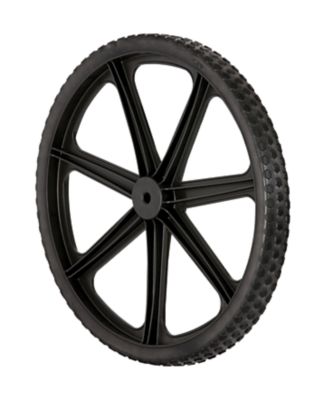
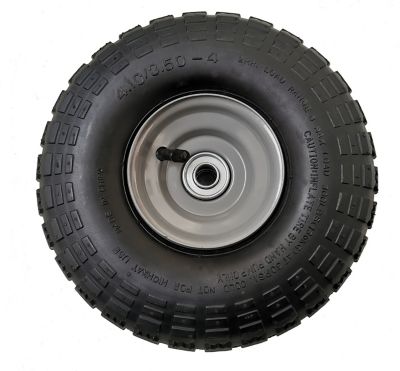
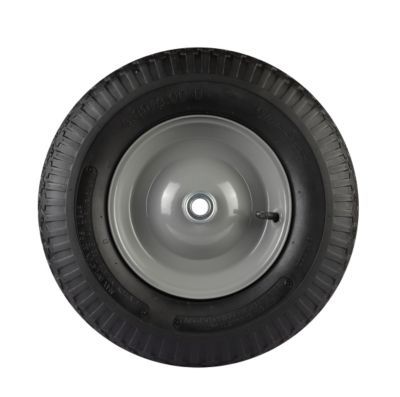
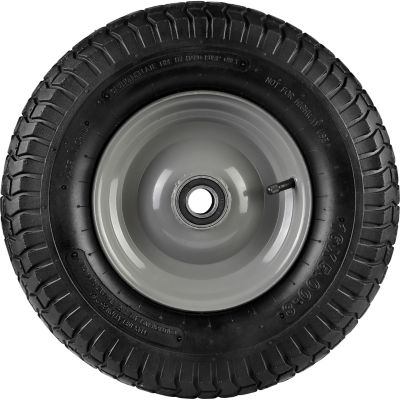
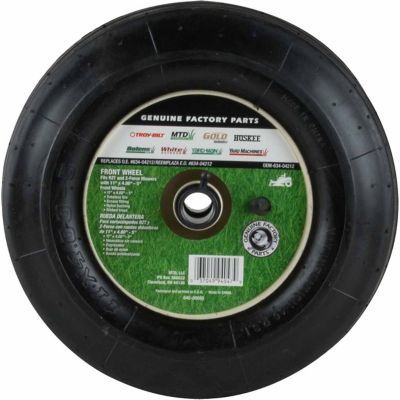
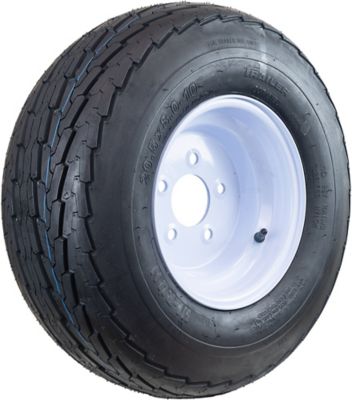
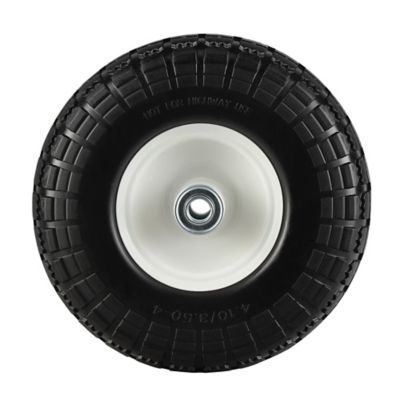
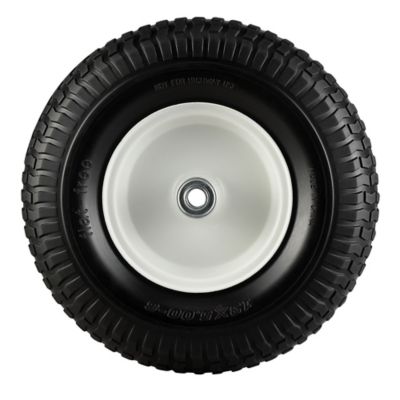
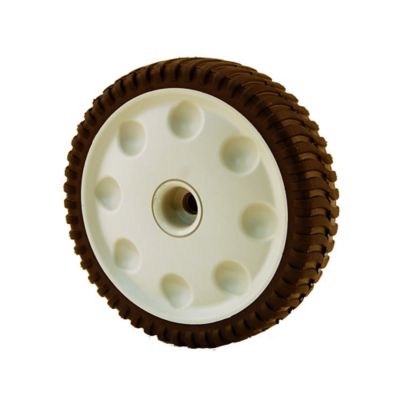
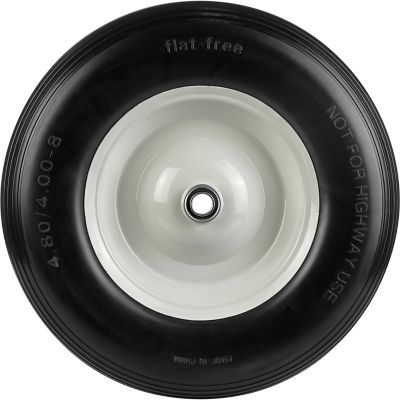
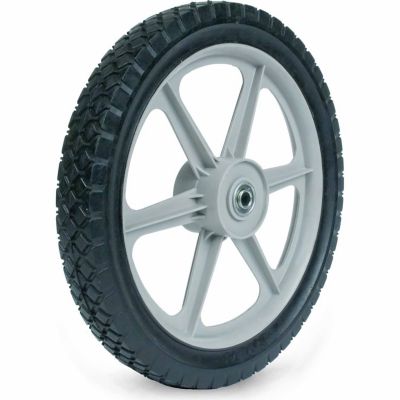
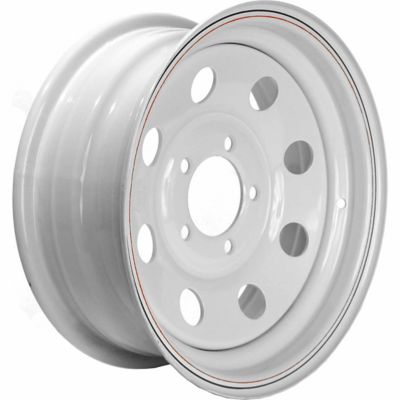
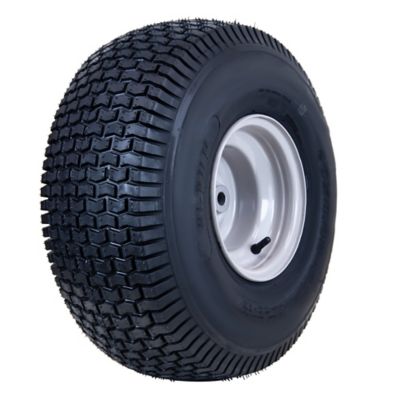
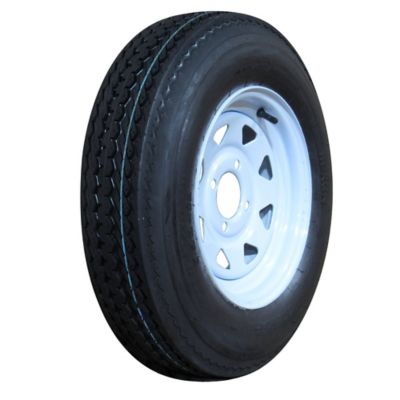
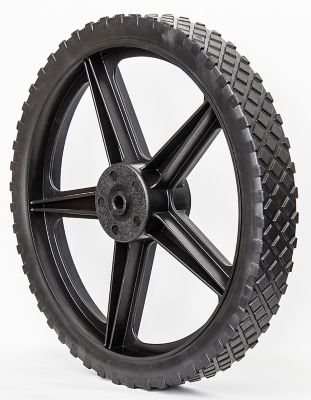
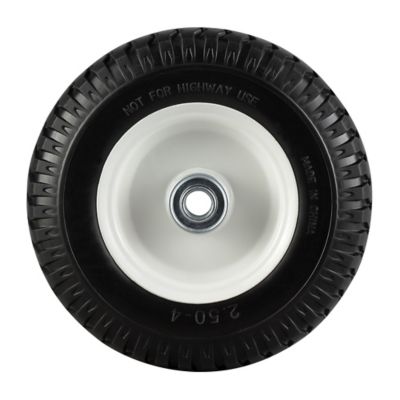
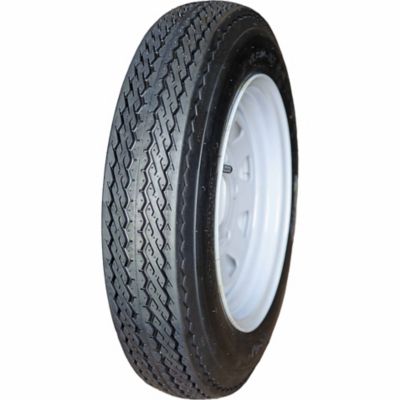
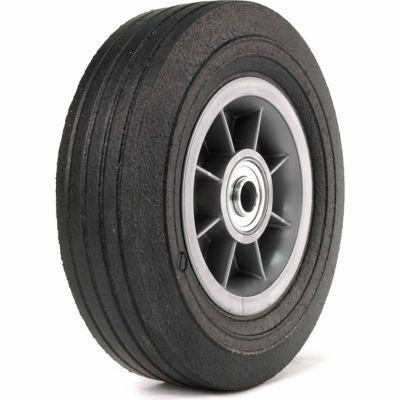
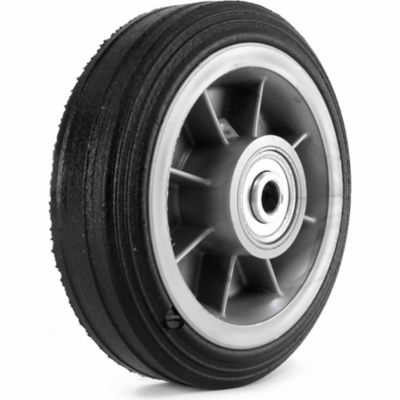
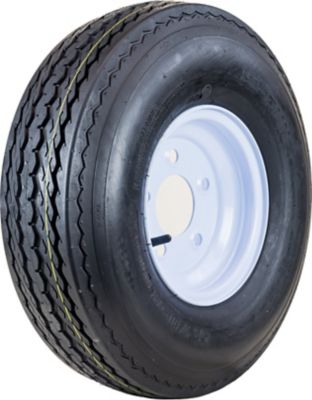
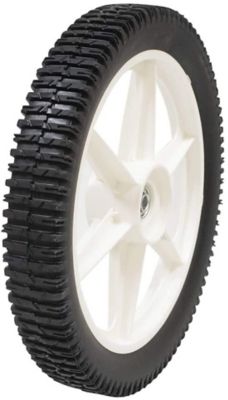
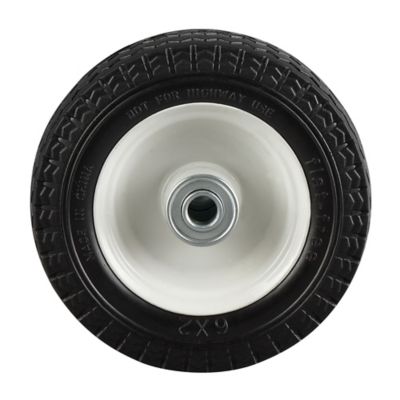
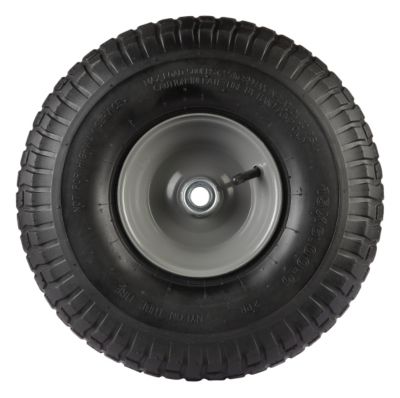
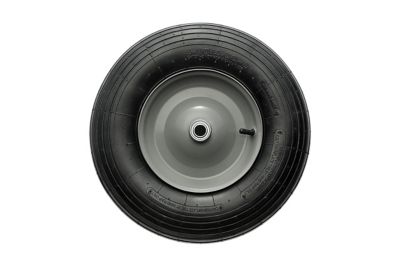
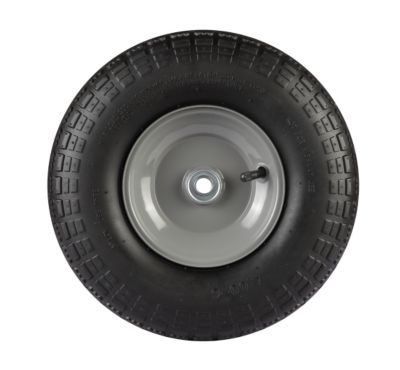
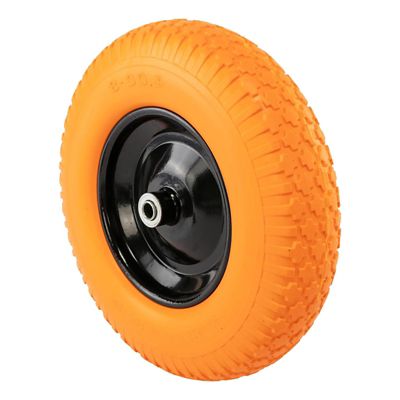
Wheel replacements help keep carts, wheelbarrows, mowers, trailers, and other rolling equipment moving when an original wheel bends, cracks, wears down, or no longer turns freely. The right replacement depends on the equipment, wheel dimensions, mounting style, load rating, and intended surface—not just how closely it resembles the old wheel. A wheel generally provides the structure that supports a tire or rolling surface, while a tire supplies the contact patch against the ground. Some replacements include both parts as an assembly; others include only the wheel, so the included components matter. Caster assemblies are another category, combining a wheel with a mounting bracket that may swivel or remain fixed. Around a farm, workshop, or property, those differences can mean the difference between a feed cart that rolls easily through an aisle and one that binds before reaching the next stall. Overall diameter affects equipment height and clearance, while wheel width influences how the load rests on the ground. The axle or bearing bore must match the equipment’s axle, and hub length must leave the right room for mounting hardware. An offset hub can also affect clearance between the wheel and the frame. For mowers and other equipment with driven wheels, the gear pattern or drive connection adds another fit requirement. Vehicle and trailer wheels involve additional measurements, including bolt pattern, center bore, offset, and brake clearance. The equipment manual and the original wheel’s markings provide a better starting point than appearance alone. Matching the original size is often important for keeping a cart level, preserving mower cutting height, or maintaining the handling the manufacturer intended. Bigger is not automatically better, especially when a taller or wider wheel could rub against a frame, fender, or deck. Wheel replacements work best when their dimensions, attachment points, and load limits all suit the machine or tool they support, whether that means hauling bedding to a barn or moving tools across a shop floor.
Materials and wheel construction play a big part in how equipment feels under load. Steel wheels and rims are common where strength and resistance to bending matter, though damaged finishes can leave steel exposed to rust. Aluminum wheels can reduce weight and resist rust, but their load ratings and mounting requirements still need to match the application. Molded plastic and nylon wheels suit certain carts and casters, particularly where a lighter assembly or resistance to moisture is helpful. The rolling surface makes just as much difference as the wheel body. Hard wheels tend to roll easily on smooth, firm floors, while softer rubber or polyurethane surfaces can help reduce noise and cushion small bumps, depending on their construction. Floor markings, exposure to oil, and contact with cleaning products are worth considering for shop or utility-room equipment. For a wheelbarrow crossing gravel or uneven ground, a pneumatic tire can provide cushioning that helps keep a load from bouncing around. It also calls for pressure checks and can lose air after a puncture. Solid and foam-filled designs avoid air-pressure maintenance, but their ride and rolling effort vary by material, size, and load. Semi-pneumatic designs differ from fully air-filled tires, so the construction listed in the specifications matters more than a quick glance at the tread. Tread shape can affect grip and maneuverability, but no tread pattern makes a wheel suitable for every surface. Larger diameters generally handle small obstacles more easily, provided the equipment has enough clearance. Load capacity deserves close attention when hauling feed sacks, fencing supplies, or a full load of soil. That load includes the equipment itself, not just its contents. A caster’s rating applies to that caster under stated conditions; uneven floors and shifting weight can prevent a load from spreading evenly across every wheel. The frame, axle, bearings, and mounting hardware also have limits. A higher-rated wheel does not raise the capacity of the entire cart, and a wheel meant for slow-moving yard equipment is not a substitute for a road-rated trailer wheel.
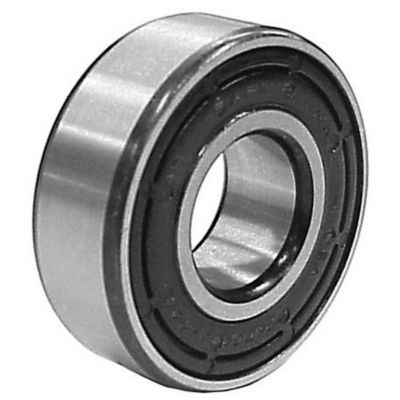
Fit and construction are only part of keeping a replacement wheel working well over time. Bearings, bushings, axle condition, and mounting hardware all affect how freely it turns and how steadily it carries a load. A wobble may come from a worn bearing or damaged axle rather than the wheel itself, while a dragging wheel can point to debris, improper spacing, or another mechanical problem. Sealed bearings and serviceable bearings have different care requirements, and lubrication should follow the equipment manufacturer’s directions. String, baling twine, and hair can wrap around axles on barn carts and shop casters, adding resistance even when the tread still looks sound. Keeping those areas clear and watching for loose fasteners, cracks, uneven wear, or rust around mounting points helps catch trouble before a loaded cart becomes hard to control. Air-filled tires need pressure checks against the applicable specifications; sidewall markings and equipment requirements should both receive attention. Overinflation or underinflation can affect handling, wear, and load support. On trailers and vehicles, wheel fit also depends on the correct fastener style, specified tightening torque, and clearance around brake components. Wheels and brake rotors serve different purposes, so a wheel replacement will not correct every vibration, rubbing sound, or braking concern. For related brake-component needs,
Rotor Replacements covers a separate part of the assembly, with its own vehicle-fit requirements. Inspection by a qualified service professional makes sense when the source of a road-going wheel or brake problem is unclear. For everyday property work, the best match is the one that suits the actual routine: frequent turns around workbenches, loaded trips between a shed and livestock pens, or steady hauling over a gravel lane. Smooth rolling, suitable ground clearance, and the right mounting arrangement matter more than appearance. Matching wheel replacements to the equipment and its workload helps keep familiar tools in service without changing how they are meant to operate.