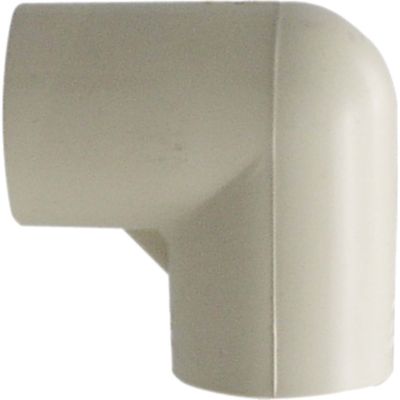
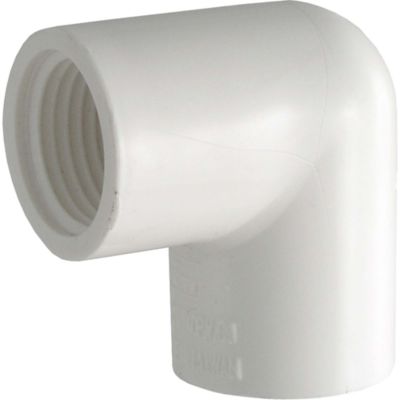
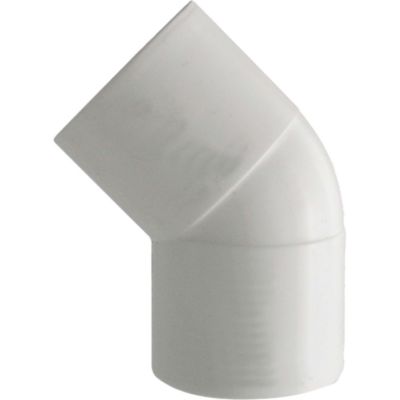
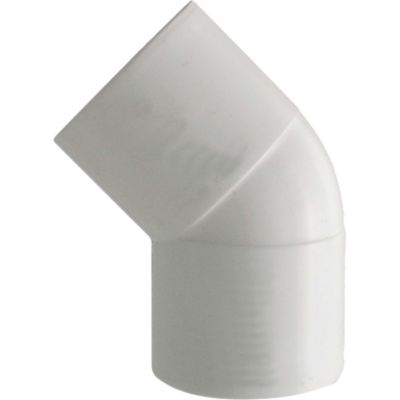
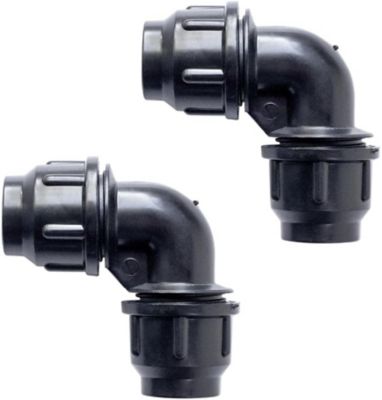
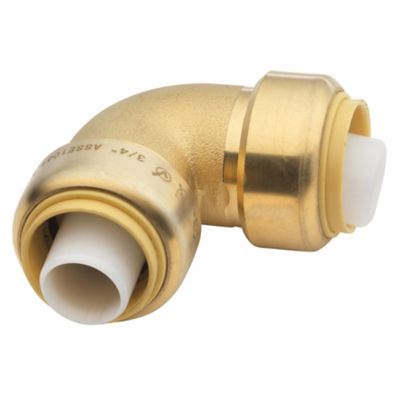
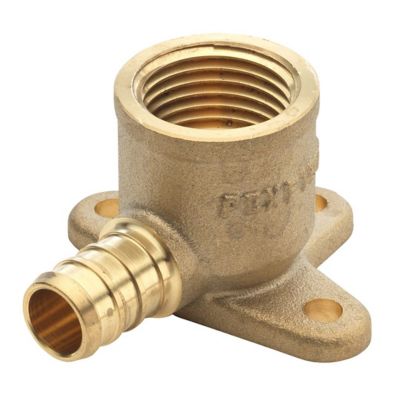
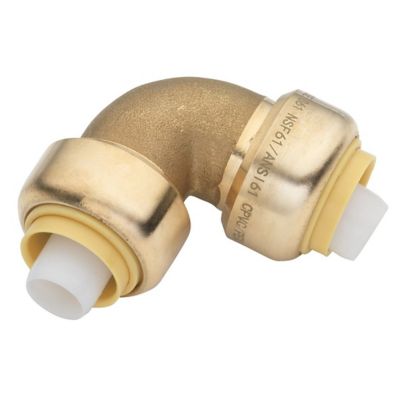
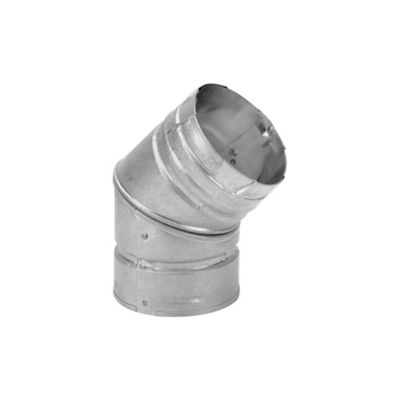
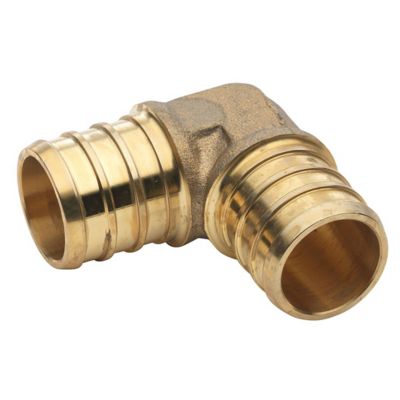
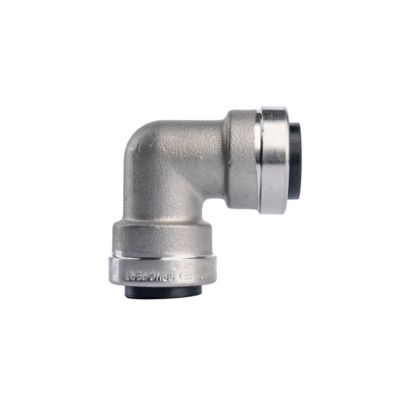
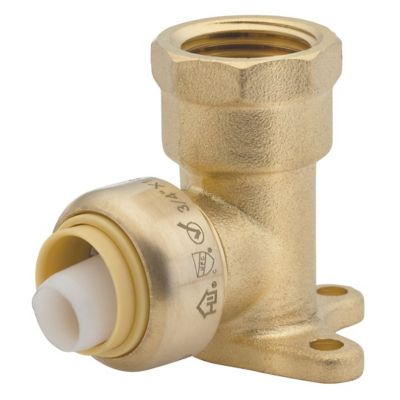
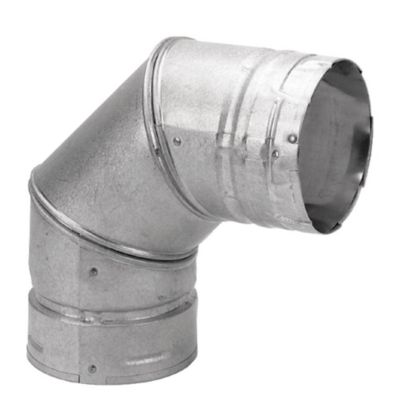
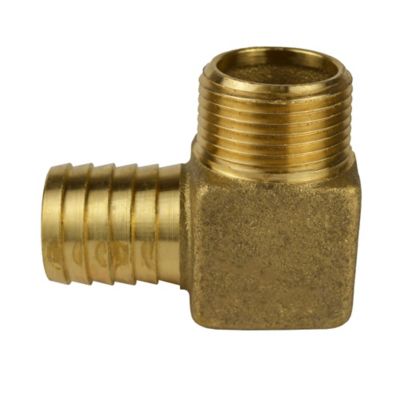
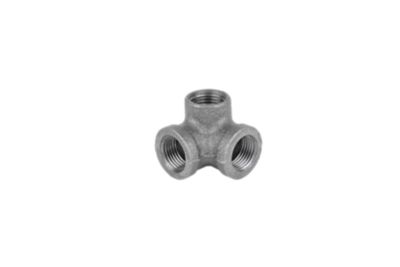
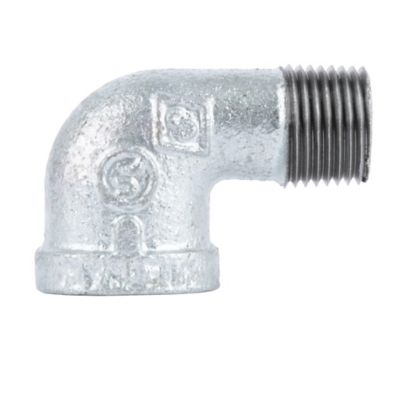
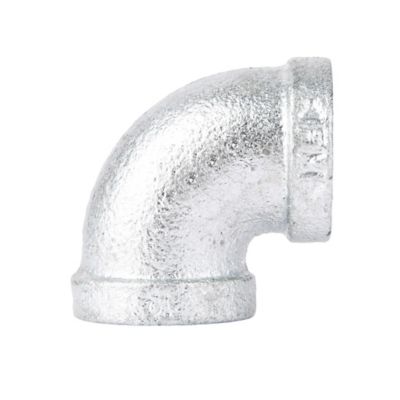
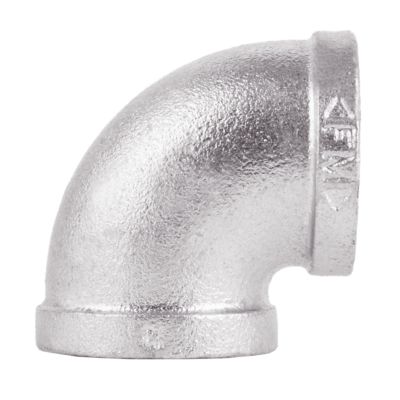
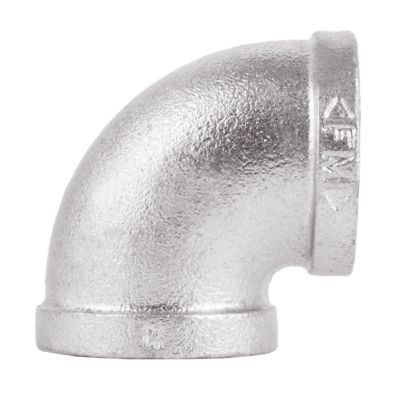
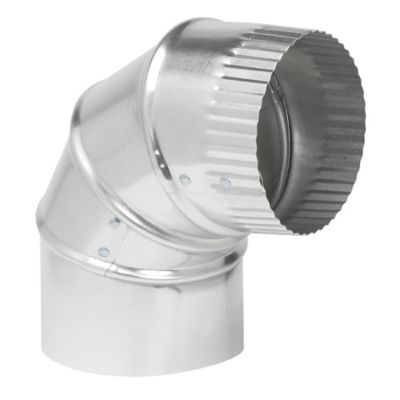
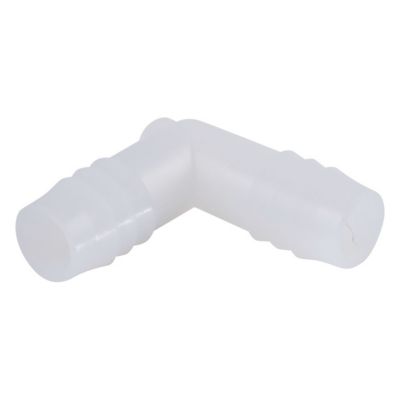
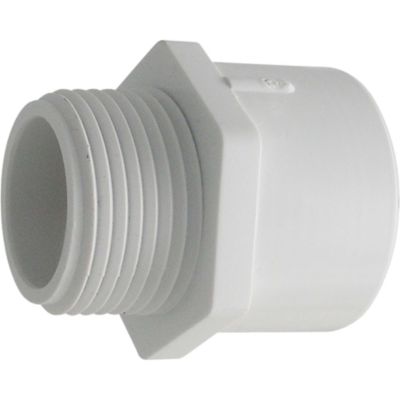
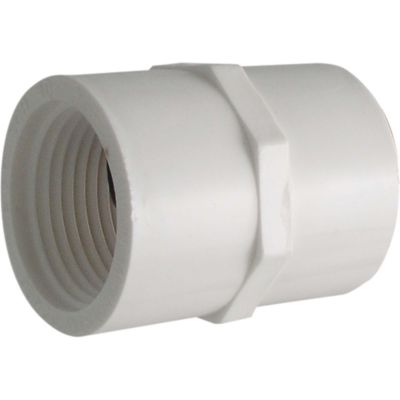
PVC pipe elbow joints help a line turn a corner without sending the rest of the run out of position. Around a farm, shop, or home, that might mean carrying an irrigation line around a fence post, routing water toward a garden, or fitting a drain beneath a utility sink. Their job looks simple, but the angle, connection style, and service rating all matter to the finished setup. A 90-degree elbow makes a right-angle turn, while a 45-degree elbow provides a gentler change in direction. A sweep elbow has a broader curve that can be important where drainage flow and room for maintenance are part of the layout. These shapes are not interchangeable just because their openings look alike. Pressure fittings and drain, waste, and vent fittings serve different purposes, and their markings should match the job. Space matters, too: a broad turn may need more clearance behind a wall or beside a tank than a tighter bend. Nominal pipe size is another detail worth checking before choosing a connection. The number on a PVC pipe label does not simply describe the outside diameter measured with a ruler, so matching marked sizes and dimensional standards gives a better picture of fit. Socket ends accept compatible pipe for a solvent-weld connection, while threaded ends mate with the corresponding thread size and type. Some elbows combine those connection styles, and street elbows have a spigot end that can fit directly into a compatible socket fitting. That can help in close quarters, although fitting dimensions still determine how everything lines up. For a homeowner replacing a section beneath a sink or a ranch hand planning a longer water run, a suitable elbow fits the pipe, clears surrounding equipment, and leaves connections within reach for later attention.
PVC, short for polyvinyl chloride, is a rigid plastic that does not rust, making it a practical material for many water and drainage systems. That resistance to rust does not mean every PVC fitting belongs in every line. Fluid compatibility, operating pressure, installation conditions, and applicable plumbing requirements all help determine whether an elbow suits its intended service. A drain elbow should not become part of a pressurized water line unless it carries the necessary pressure rating. Schedule markings also need a closer look: Schedule 40 and Schedule 80 identify dimensional series, not blanket approval for every application. At the same nominal size, Schedule 80 pipe generally has a thicker wall and a smaller inside passage than Schedule 40 pipe, but the complete system still depends on the ratings of its individual components. Pairing suitable elbows with
High Pressure PVC Pipes means checking those ratings together rather than assuming a matching size settles the matter. The lowest-rated component can limit the assembly, and operating conditions can affect allowable pressure. For drinking-water lines, look for the applicable potable-water certification rather than relying on color or appearance. Water supplying livestock also calls for attention to material suitability and the requirements of the watering equipment. PVC, CPVC, and ABS are different materials, even when fittings appear similar, and their joining products and approved applications can differ. Ordinary PVC is not a substitute for piping specified for hot-water service, and PVC pipe and fittings should never carry compressed air or other compressed gases. Along a working water line, flow matters as well as strength. Every turn adds resistance, so the number and shape of elbows can affect performance, especially on longer runs serving several outlets. A layout with fewer unnecessary bends can leave more room around pumps, valves, and tanks while making the route easier to follow.
Long service life starts with connections that fit without being pulled, twisted, or forced into place. An elbow should change the direction of the pipe, not hold two misaligned sections under constant strain. On a garden supply line or a utility-room drain, nearby supports help keep the weight of the pipe and its contents from bearing on the joint. Connections beside pumps or other moving equipment may need additional provisions for vibration rather than expecting a rigid fitting to absorb the movement. Solvent-weld joints depend on compatible joining materials, properly prepared surfaces, and the full curing period specified for the application. A connection that feels firm on the outside may not be ready for pressure. Threaded connections have different sealing requirements, and overtightening can place too much stress on plastic threads. These details matter particularly in tight spaces, where a small leak can be hard to spot until water reaches the floor or surrounding materials. For ongoing care, accessible fittings are easier to inspect for seepage, cracking, impact damage, or signs of strain. PVC pipe elbows also benefit from protection against equipment strikes, heavy loads, and prolonged sunlight where the material requires shielding. Near a mower path, workshop doorway, or busy livestock area, placement can matter as much as the fitting itself. Spare fittings are best kept clean, out of direct sunlight, and away from substances that could affect the plastic; protected connection surfaces help prevent trouble when repair time comes. For property owners, maintenance crews, gardeners, and folks tending watering systems, choosing PVC pipe elbow joints comes down to matching the everyday demands of the job. Clear size markings, suitable end connections, the proper service designation, and enough working room around the joint all help create a pipe run that makes sense beyond the day it goes together. Whether the line turns beneath a sink or beside a stock tank, those practical details make future upkeep more straightforward.